United States · Kansas
Where to Stay in Wichita, Kansas
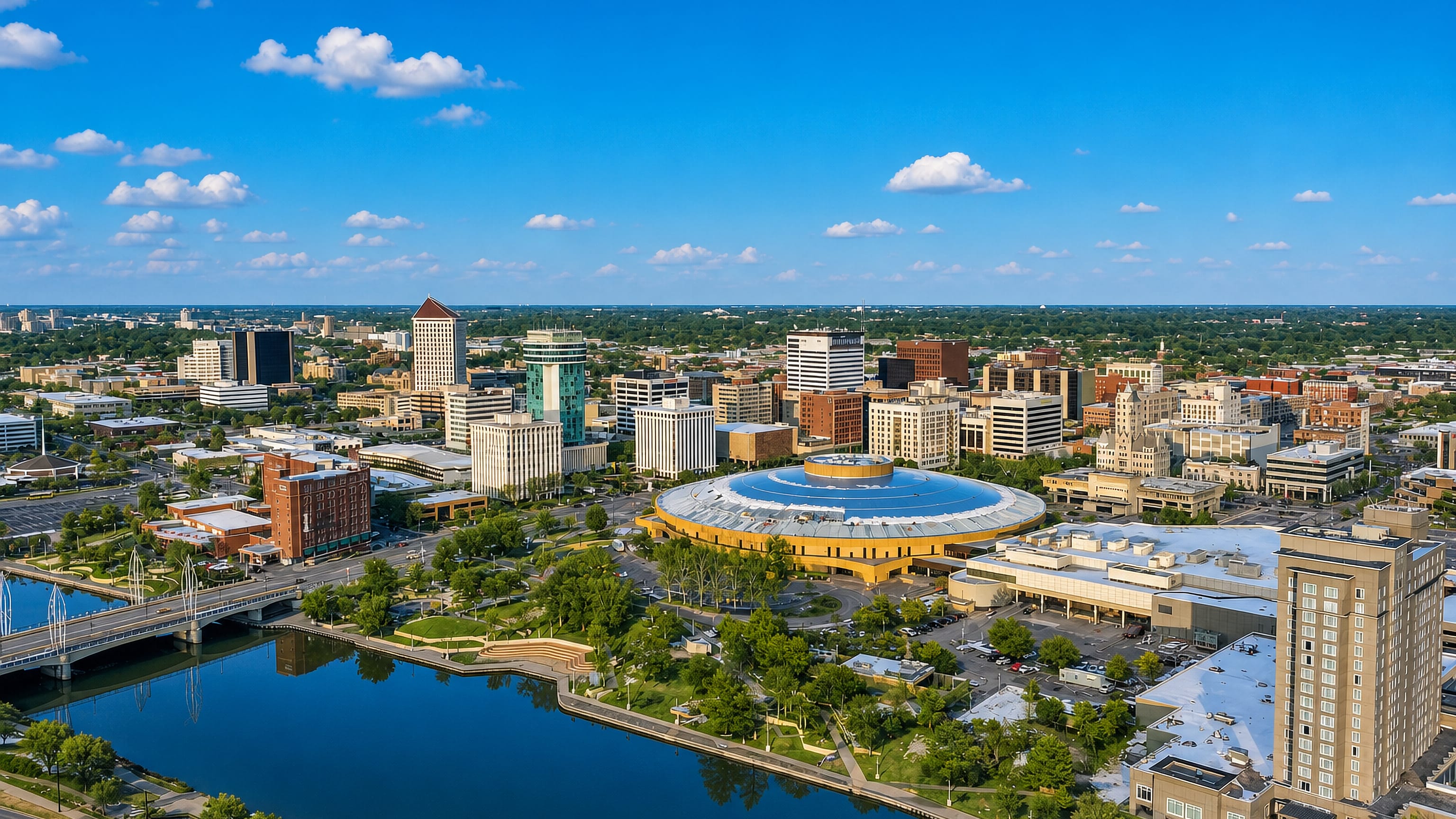
The Arkansas River bends through Wichita, a plains city in Kansas known for the Old Cowtown Museum and the Wichita Art Museum.
Hotel links are affiliate links: booking through them may earn us a commission, at no extra cost to you. It never affects how places are ranked. How this works


Where to stay in Wichita
The practical side of choosing where to sleep.
Wichita spreads flat along the Arkansas River, and where you stay turns on what you came for. Near the water the museums gather in one stretch, from Exploration Place and the Mid-America All-Indian Museum to the Wichita Art Museum and the Museum of World Treasures. The Old Cowtown Museum rebuilds the frontier town nearby.
Staying here puts you among the galleries and the riverbank, within reach of the Intrust Bank Arena and the Great Plains Transportation Museum. It suits travellers who came for the museums of Wichita. The grid runs wide and low.
Away from the river the older houses stand among quieter streets, among them the B. H. Campbell House and the Governor L. D. Lewelling House. The Darius Sales Munger House keeps one of the first homes of the town. This ground suits visitors who prefer old brick and plains quiet to the museum quarter.
Choose the river for the galleries and the cowtown, or the older streets for the frontier homes of Wichita.
Find hotels in Wichita
Direct booking searches for these neighbourhoods.
The riverbank museums
Exploration Place, the Wichita Art Museum and the Old Cowtown Museum stand along the Arkansas River, close to the Intrust Bank Arena.Find hotels in The riverbank museumsEarly homes and plains quietThe frontier-house streets
The B. H. Campbell House and the Darius Sales Munger House stand among quiet older blocks set back from the riverbank museum quarter.Find hotels in The frontier-house streetsHotel links are affiliate links: booking through them may earn us a commission, at no extra cost to you. It never affects how places are ranked. How this works
Things to do in Wichita
Ranked by global recognition; descriptions from Wikidata (CC0).
Museums & Galleries
3- Old Cowtown Museum
- Wichita Art Museum
- Exploration Place
Churches & Religious Sites
2- Calvary Baptist Church Heritage
- Grace Methodist Episcopal Church Heritage
Castles & Historic Sites
1- Sedgwick County Memorial Hall and Soldiers and Sailors Monument Heritage
Stadiums & Sports
1- Intrust Bank Arena
Landmarks & Notable Places
8- B. H. Campbell House Heritage
- Governor L. D. Lewelling House Heritage
- Darius Sales Munger House Heritage
- J.E. Farmer House Heritage
- Bond-Sullivan House Heritage
Show 3 more →
- Bowers House Heritage
- C. M. Jackman House Heritage
- Chapman-Noble House Heritage
worth knowingacross 5 categories in Wichita
About Wichita
What is Wichita known for?
Wichita is known as an old cattle town on the Arkansas River. The Old Cowtown Museum rebuilds the frontier settlement, and the Wichita Art Museum and the Museum of World Treasures hold its collections along the water. Museums line the river.
Exploration Place and the Mid-America All-Indian Museum stand near the banks, and the Great Plains Transportation Museum keeps its old engines. The Sedgwick County Memorial Hall and Soldiers and Sailors Monument marks the county at the heart of Kansas.
What are the main landmarks in Wichita?
Wichita's landmarks run from a frontier town to modern galleries. The Old Cowtown Museum rebuilds the early settlement, and the Wichita Art Museum and the Museum of World Treasures hold its collections. Science and rails have their halls.
Exploration Place and the Great Plains Transportation Museum stand near the water, and the Mid-America All-Indian Museum records the plains peoples. The Sedgwick County Memorial Hall and Soldiers and Sailors Monument honours the county's dead.
What is the history of Wichita?
Wichita was founded in 1868 on the Arkansas River, in Kansas, and it began as a cattle town on the plains. Herds driven up the trails from the south crossed the river here, and the settlement grew fast as a market and a shipping point for the drive. The trail made the town.
Cattle pens and traders lined the banks, and the frontier settlement that the Old Cowtown Museum now rebuilds rose in a few short years along the water. The Darius Sales Munger House survives from that first decade near the river. Over the generations that followed, the cattle town became a settled city of the plains.
Grand houses rose among the streets, among them the B. H. Campbell House and the Governor L. D. Lewelling House, and museums gathered the region's record. The Wichita-Sedgwick County Historical Museum and the Mid-America All-Indian Museum keep the county's past and the plains peoples who came before the drive. The Sedgwick County Memorial Hall and Soldiers and Sailors Monument honours the war dead.
Wichita grew from a river crossing on the trail. The old cowtown still stands beside the water.
Where is Wichita?
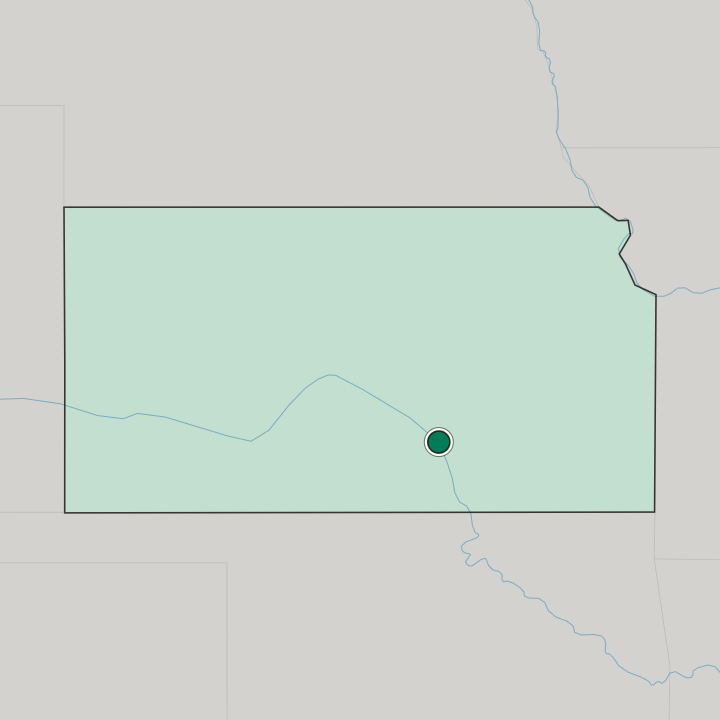
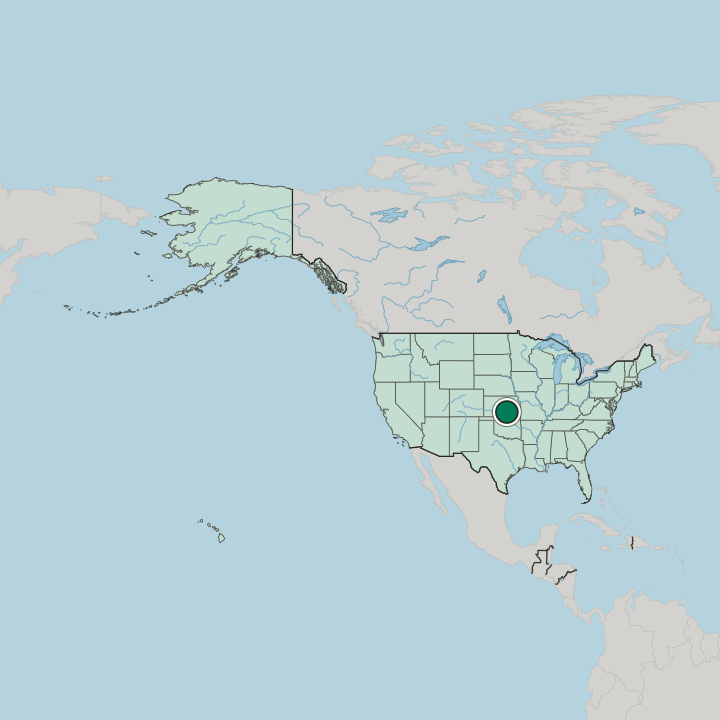
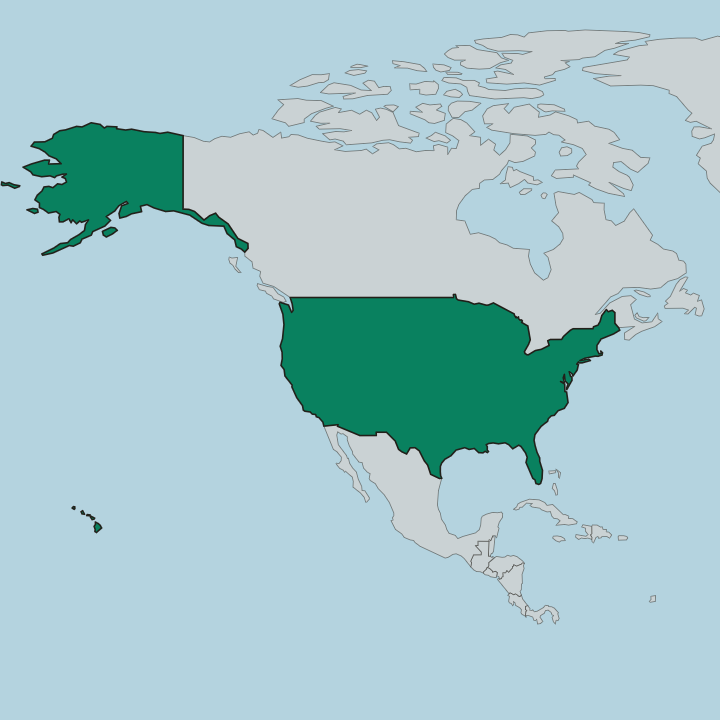
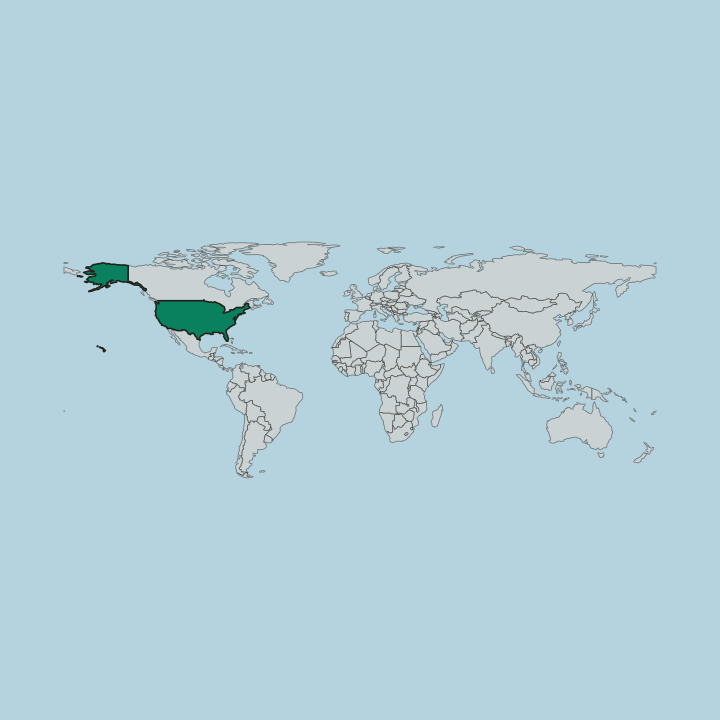
Wichita stands on the Arkansas River, in Kansas, one of the states of the United States. The city sits deep inland at the heart of the Great Plains, far from any coast, where the land runs flat to the horizon. Grassland spreads on every side.
The river winds through the grid from the north, but no hills break the reach of the plain around Wichita.
What is the climate of Wichita?
Wichita has a temperate continental climate, exposed on the open plains of Kansas. Summers are hot and dry, and storms sweep in fast across the flat land, for the city sits in the belt where the great thunderstorms of the plains build through spring and summer. The wind rarely stops.
Winters turn cold and clear over the Arkansas River, and the swing between the seasons runs wide here.
How do you get to Wichita?
Wichita is reached by road and by air. Interstate highways cross Kansas and meet at the city, carrying traffic from across the United States, and the old trails and rail lines converged here long before them. An airport lies west of the grid.
The plains routes still gather at the crossing on the Arkansas River, and most travellers reach Wichita by car.
Common questions
What is the best area to stay in Wichita?
The riverbank museums: The cowtown and the galleries. The frontier-house streets: Early homes and plains quiet.
Good for
More cities in Kansas
Updated September 2026