United States
Kansas, United States — Towns & Travel Guide
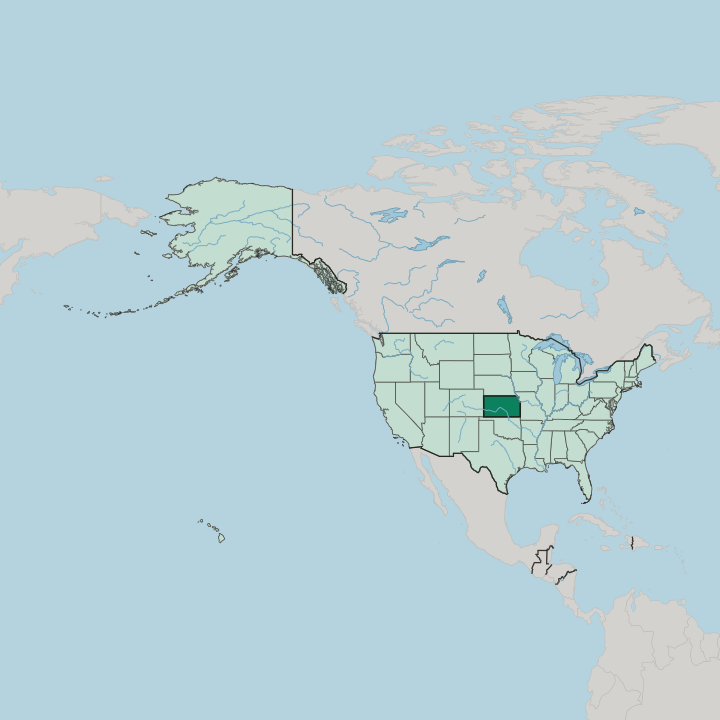
Kansas is a landlocked Great Plains state in the American Midwest, its tallgrass prairie in the east giving way to the High Plains in the west.
Hotel links are affiliate links: booking through them may earn us a commission, at no extra cost to you. It never affects how places are ranked. How this works


Towns & cities in Kansas
Pick a town or city — each links to where to stay.
 United States
Wichita
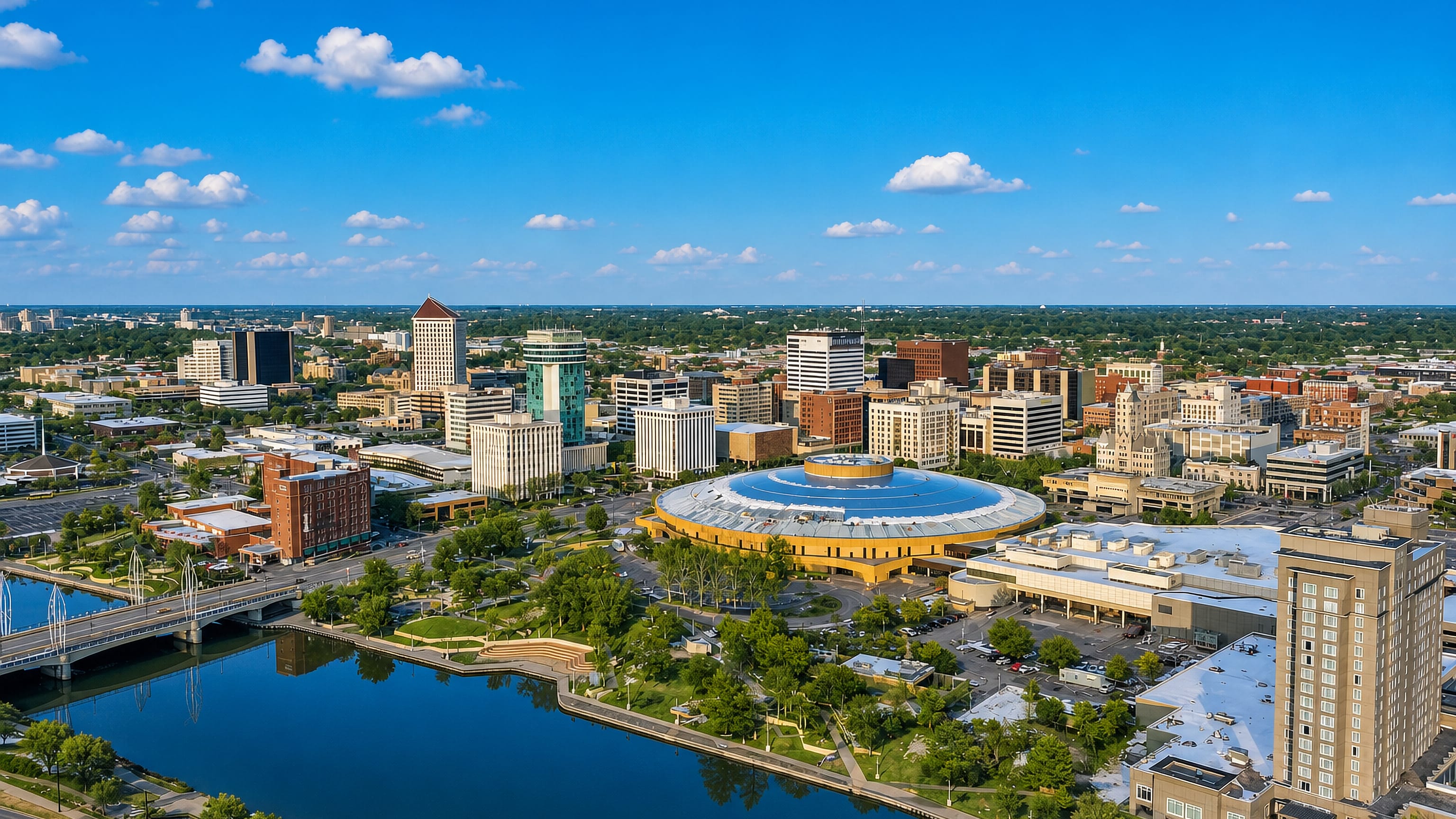
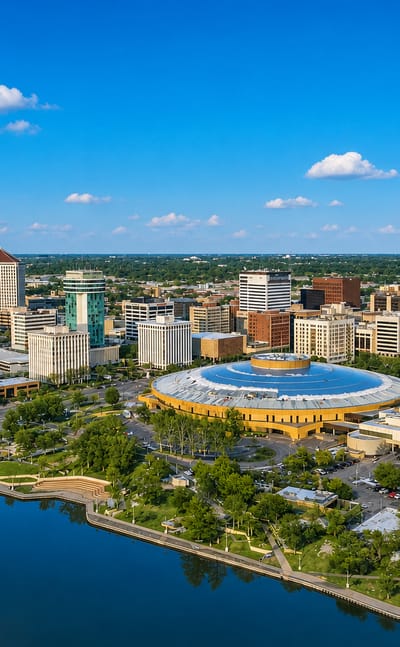
The Arkansas River bends through Wichita, a plains city in Kansas known for the Old Cowtown Museum and the Wichita Art Museum.Where to stay →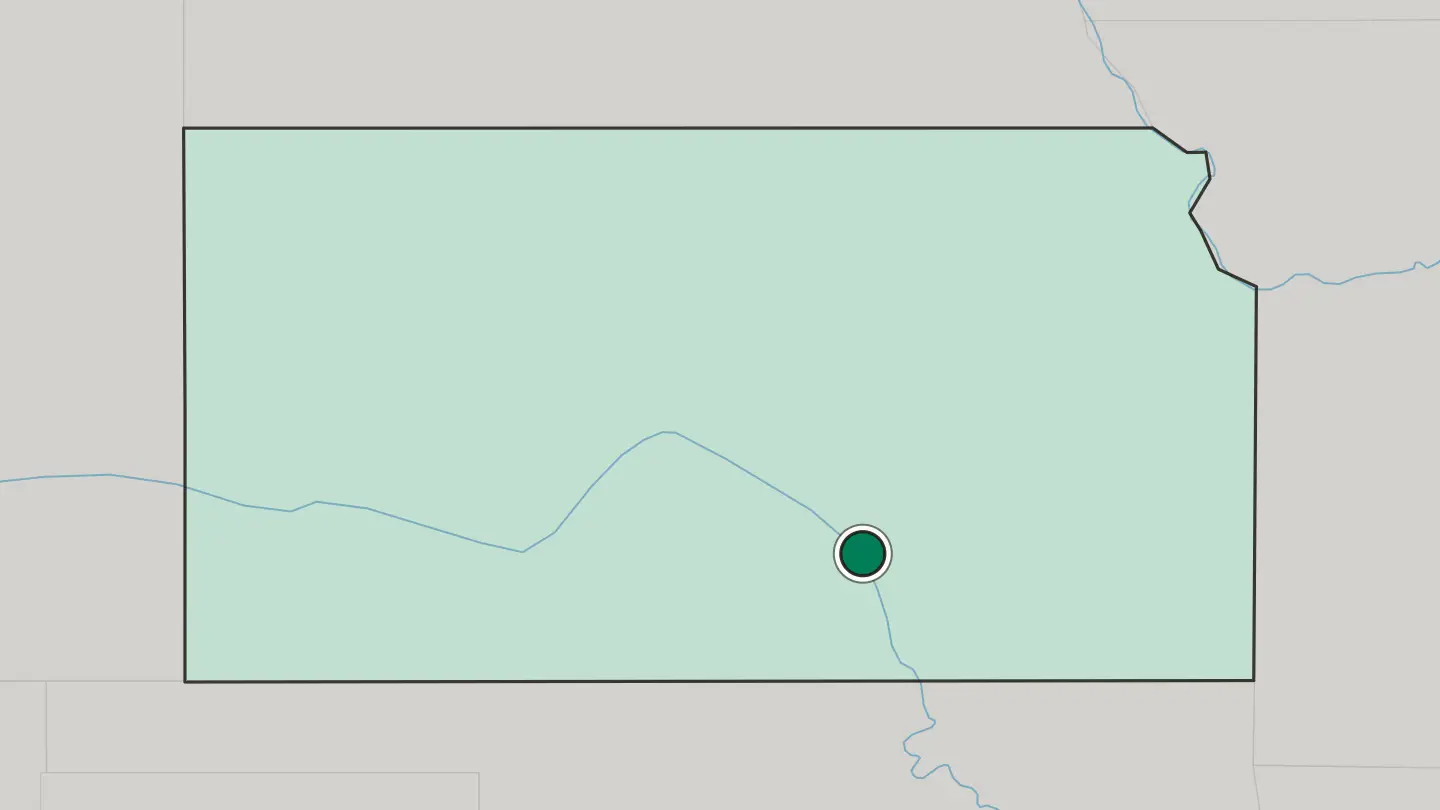
 United States
Overland Park
Overland Park is the largest city in Johnson County, a Kansas suburb of 1960 among the principal cities of the Kansas City metropolitan area.Where to stay →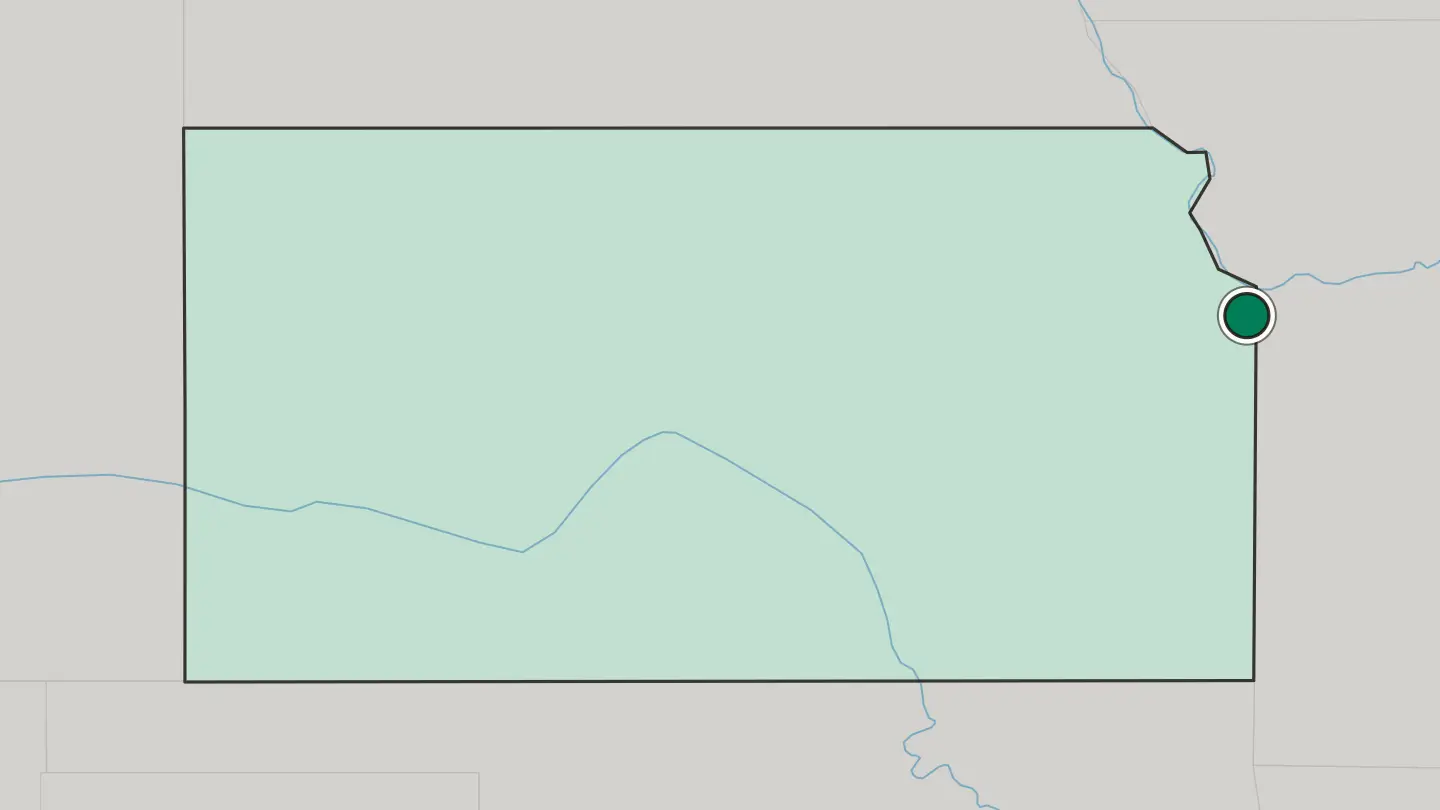
 United States
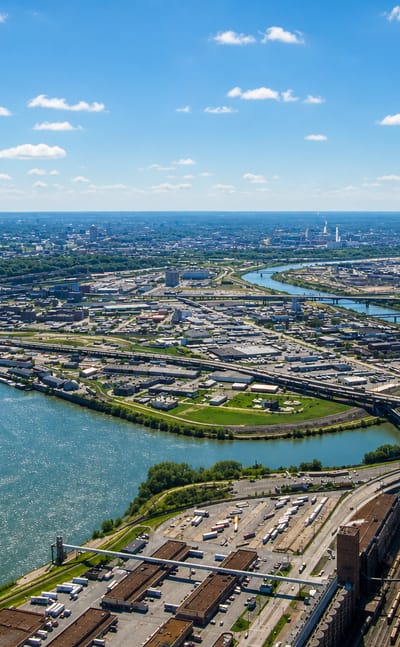
Kansas City
Kansas City sits where the Kansas River meets the Missouri River, a Wyandotte County city on the state line, with the Rosedale World War I Memorial Arch.Where to stay →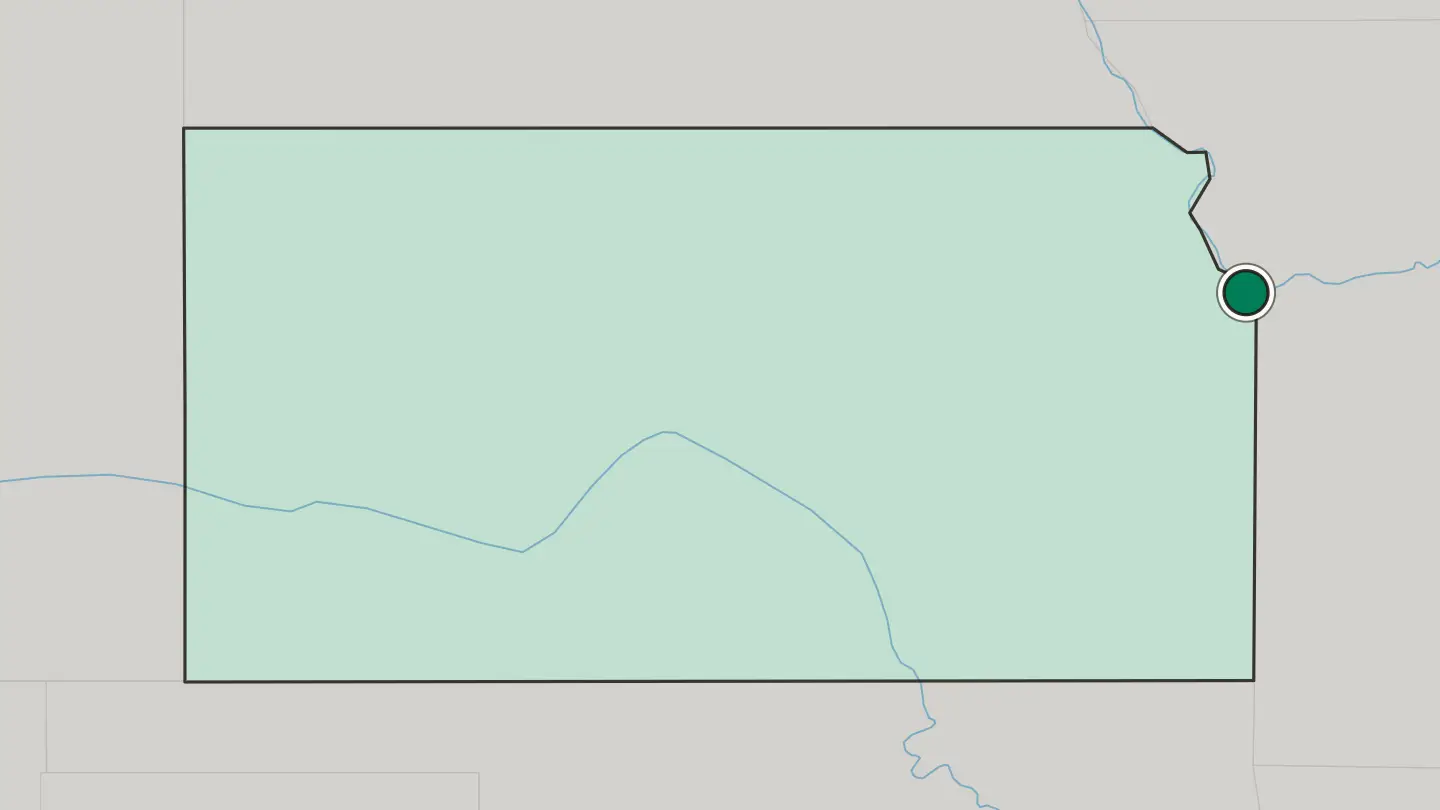 United States
Olathe
Olathe is the county seat of Johnson County, a Kansas city dating from 1857 inside the Kansas City metropolitan area.Where to stay →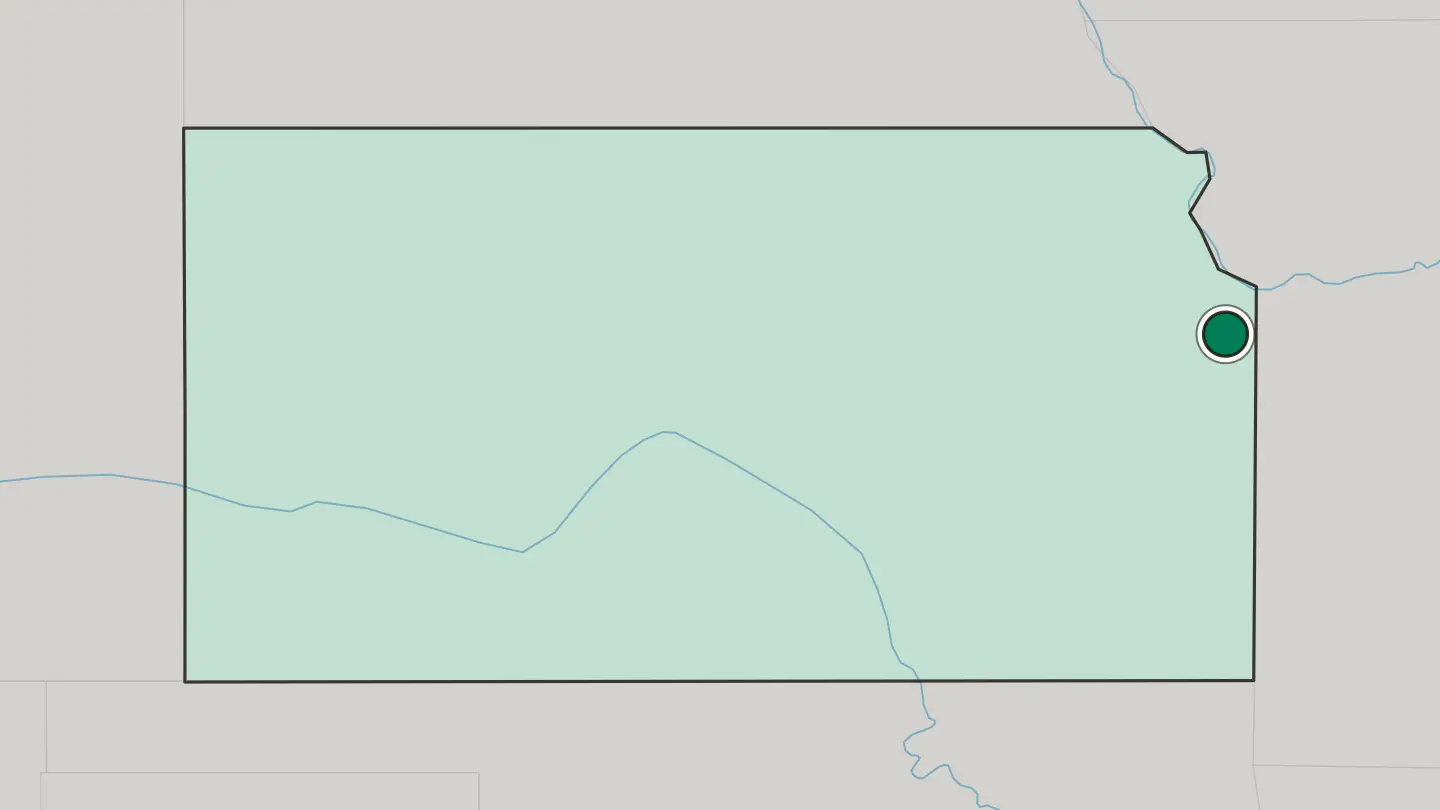
 United States
Topeka
Topeka is the capital of Kansas, a city on the Kansas River founded in 1854, known for the Kansas Museum of History and the Evel Knievel Museum.Where to stay →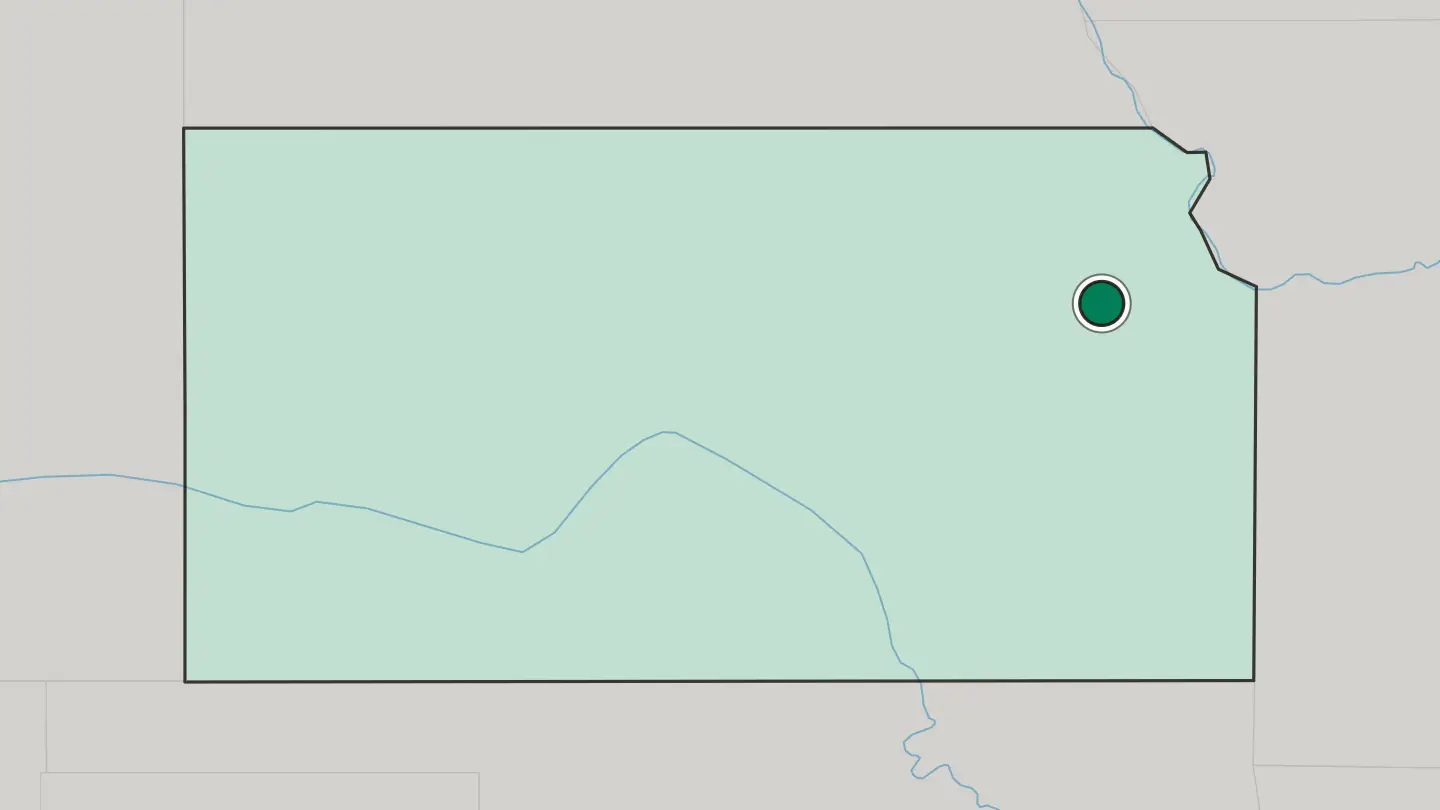
 United States
Lawrence
Lawrence sits between the Kansas River and the Wakarusa River, a Douglas County university town founded in 1854.Where to stay →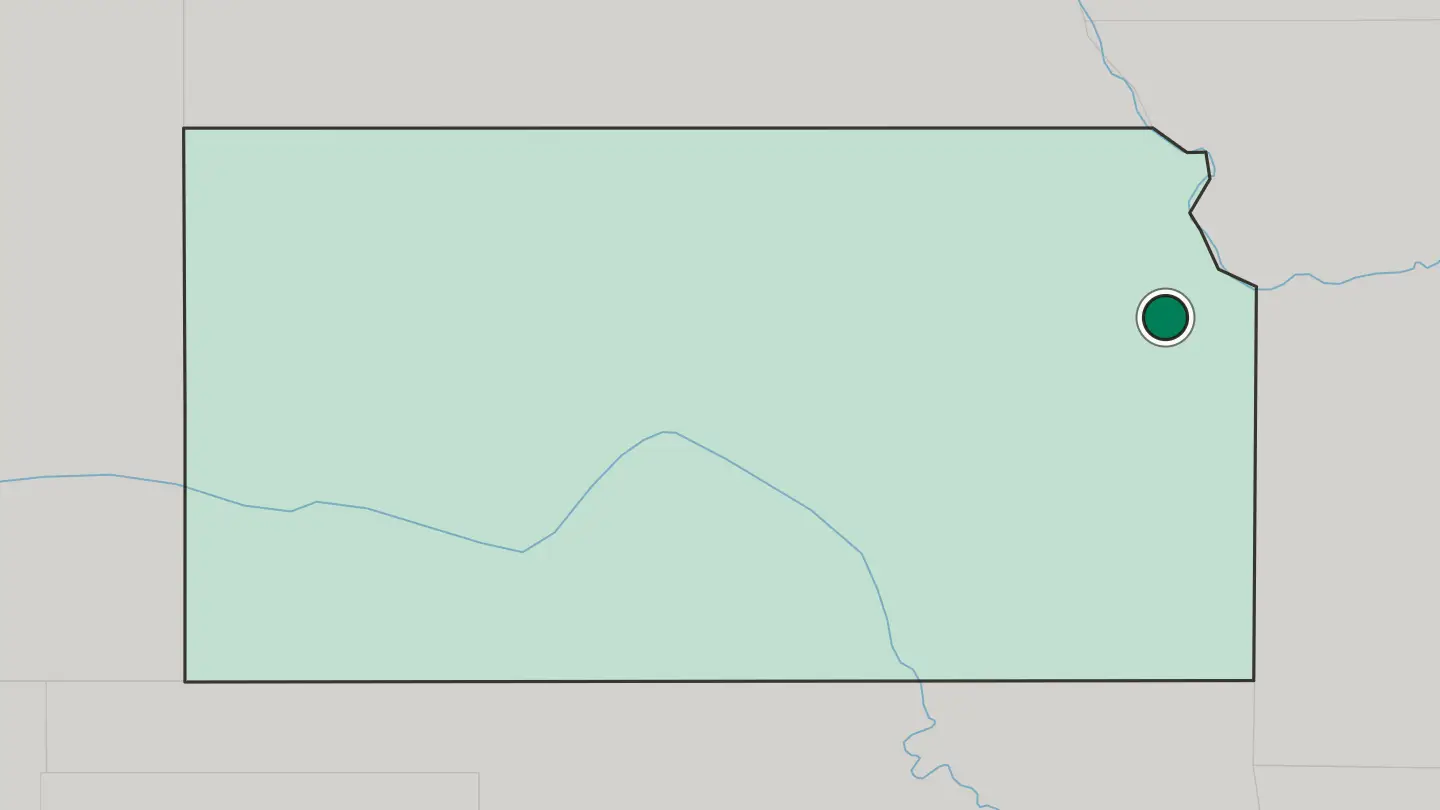
 United States
Manhattan
Manhattan holds the junction of the Kansas River and the Big Blue River, a Riley County college town dating from 1855.Where to stay →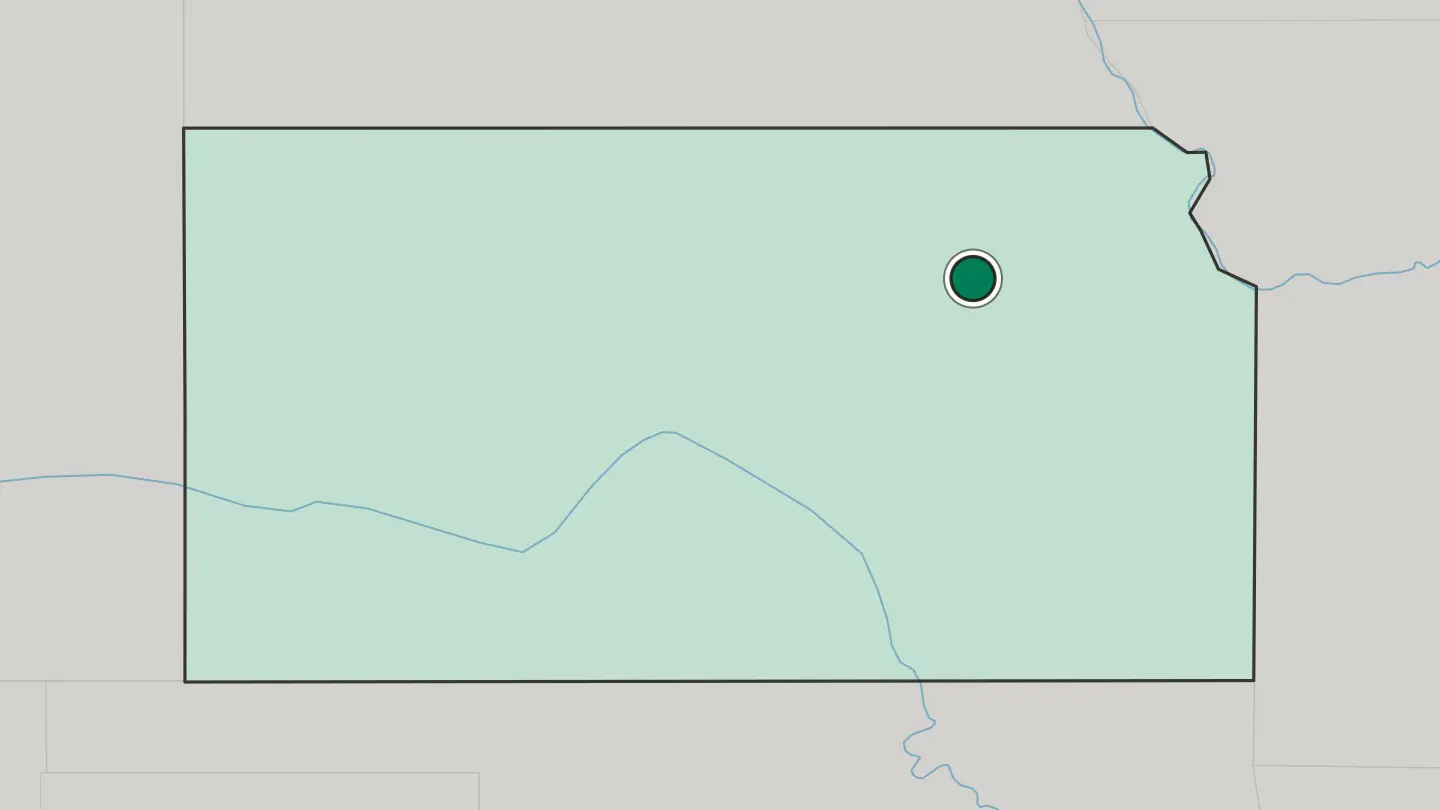
 United States
Lenexa
Lenexa is a city of Johnson County in the Kansas City metropolitan area, founded in 1869 and ringed by Shawnee, Overland Park, Olathe and De Soto.Where to stay →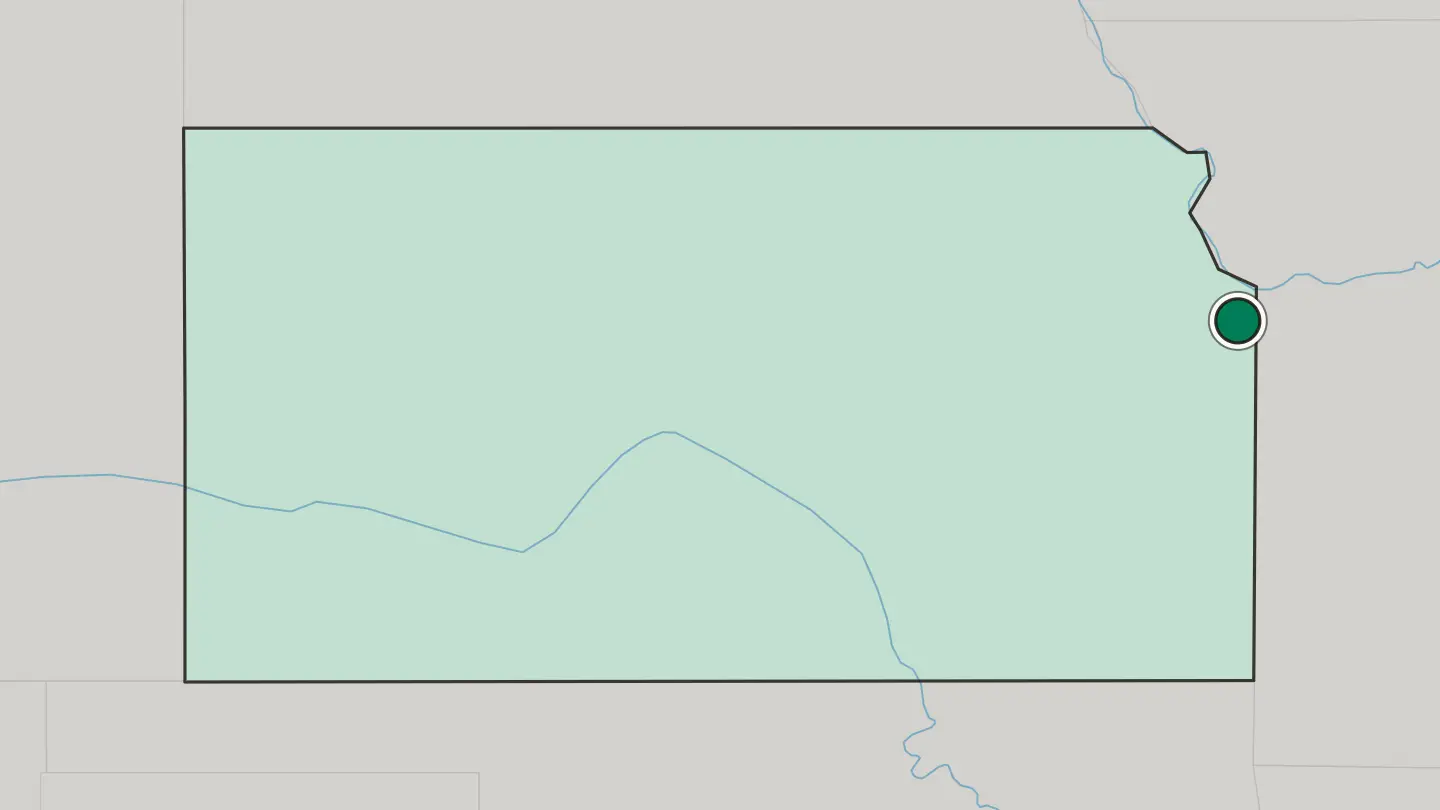
Hotel links are affiliate links: booking through them may earn us a commission, at no extra cost to you. It never affects how places are ranked. How this works
About Kansas
Two images compete for Kansas.
What is Kansas known for?
One is the wheat-and-grain plain that helped earn it the name of America's breadbasket, running flat to the horizon under a wide sky. The other is the cattle frontier, whose railheads at Abilene and Dodge City turned Texas trail herds into legend and gave the Old West much of its imagery. Wichita, the largest city, built a second reputation in the air, assembling Cessna and Beechcraft aircraft until it was called the Air Capital of the World.
The Flint Hills hold the largest surviving tract of tallgrass prairie in North America. Sunflowers do the rest.
Where is Kansas?
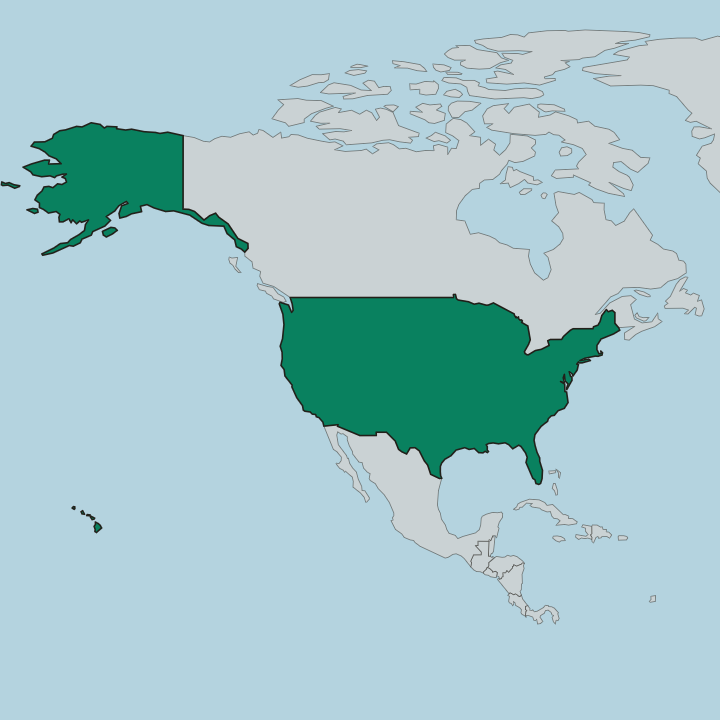
Kansas sits in the middle of the United States, a landlocked rectangle of the Great Plains with no coast and few natural borders. Nebraska lies to the north and Oklahoma to the south, Missouri closes the eastern side, and the High Plains run west toward Colorado. The land is not the flat sheet of its reputation. It tilts.
From the wooded, humid east the ground climbs steadily westward until the western edge stands nearly four thousand feet above the sea, dry and treeless against the Colorado line. Two river systems drain it. The Kansas River, born from the union of the Smoky Hill and Republican rivers, carries the northern half eastward past Topeka to the Missouri border at Kansas City.
The Arkansas River enters from Colorado, bends through Wichita, and waters the southern plains. Between the rivers the country sorts into bands. The Flint Hills roll through the east-central counties, a north-south belt of tallgrass prairie too rocky to plough, and it is the largest unbroken tallgrass tract left on the continent.
Westward the Smoky Hills raise their sandstone and chalk bluffs before the ground flattens into the High Plains. Wheat covers much of that western table. It is quiet country.
What is Kansas like?
The prairie sits at the centre of how Kansas pictures itself. This is farm country first, its calendar set by winter wheat and the sunflowers that gave the state its nickname, and its small towns strung along grain elevators and rail lines. That plainness became a kind of myth.
When The Wonderful Wizard of Oz appeared in 1900, it fixed Dorothy's grey Kansas homestead as the place worth returning to, and "there's no place like home" has clung to the state ever since. The Sunflower State wears the association with some humour. The state's other inheritance is harder-edged.
Long before it was a state, Kansas was "Bleeding Kansas," the ground where pro- and anti-slavery settlers fought a rehearsal for the Civil War, and it entered the Union as a free state in 1861. That reforming streak runs on to Topeka, where the Brown school-desegregation case struck down segregated classrooms across the country. The cattle era left the louder legacy.
Abilene and Wichita were the rowdy railheads of the Chisholm Trail. Dodge City belonged to the Western Cattle Trail that later eclipsed it, and the marshals and saloons of all three still furnish the template for the American Western. Newer Kansas gathers in its college towns.
Lawrence and Manhattan fill with students, live music, and Jayhawk and Wildcat crowds on game days, while Kansas City argues over which side of the state line smokes the better barbecue. English is the common language throughout.
What is the history of Kansas?
The name comes from the Kansa, or Kaw, people of the river valley. Long a crossing-ground for Plains nations and for Santa Fe Trail wagons, the region passed to the United States in the Louisiana Purchase of 1803 and was opened for settlement as Kansas Territory in 1854. That opening lit a fuse.
Settlers poured in to decide by ballot and by rifle whether the territory would allow slavery, and the violence of "Bleeding Kansas" foreshadowed the Civil War. Kansas joined the Union as a free state in 1861, and railroads and Texas cattle did the rest.
What is the climate of Kansas?
Kansas has a continental climate of hot summers and cold winters, and the two seasons swing hard against each other. Moisture is the dividing line. The humid east catches Gulf rains and green summers, while the western High Plains stay semi-arid and brown.
Spring is the volatile season. Warm Gulf air riding up beneath dry Canadian and Rocky Mountain air makes central Kansas a heartland of Tornado Alley, and thunderstorms, hail, and twisters build through April and May. Wind blows year round.
How do you get to Kansas?
Kansas is landlocked, reached overland or by air. Most flights land at Wichita's Eisenhower National Airport or at the larger Kansas City International, just over the Missouri line. Two interstates do the heavy lifting.
Interstate 70 crosses the whole state east to west, from Kansas City through Topeka and the plains to the Colorado border, while Interstate 35 links Wichita with the Kansas City metro. Amtrak's Southwest Chief still calls at Dodge City on its run west. Beyond that, it is driving country.
Common questions
What is the best area to stay in Kansas?
Wichita: aviation museums and the Arkansas riverfront. Kansas City: barbecue and the bi-state metro on the Missouri line. Manhattan: the Flint Hills and Konza Prairie tallgrass. Dodge City: Old West cowtowns and the High Plains.
More regions in United States
Updated September 2026