United States · Kansas
Where to Stay in Topeka, Kansas
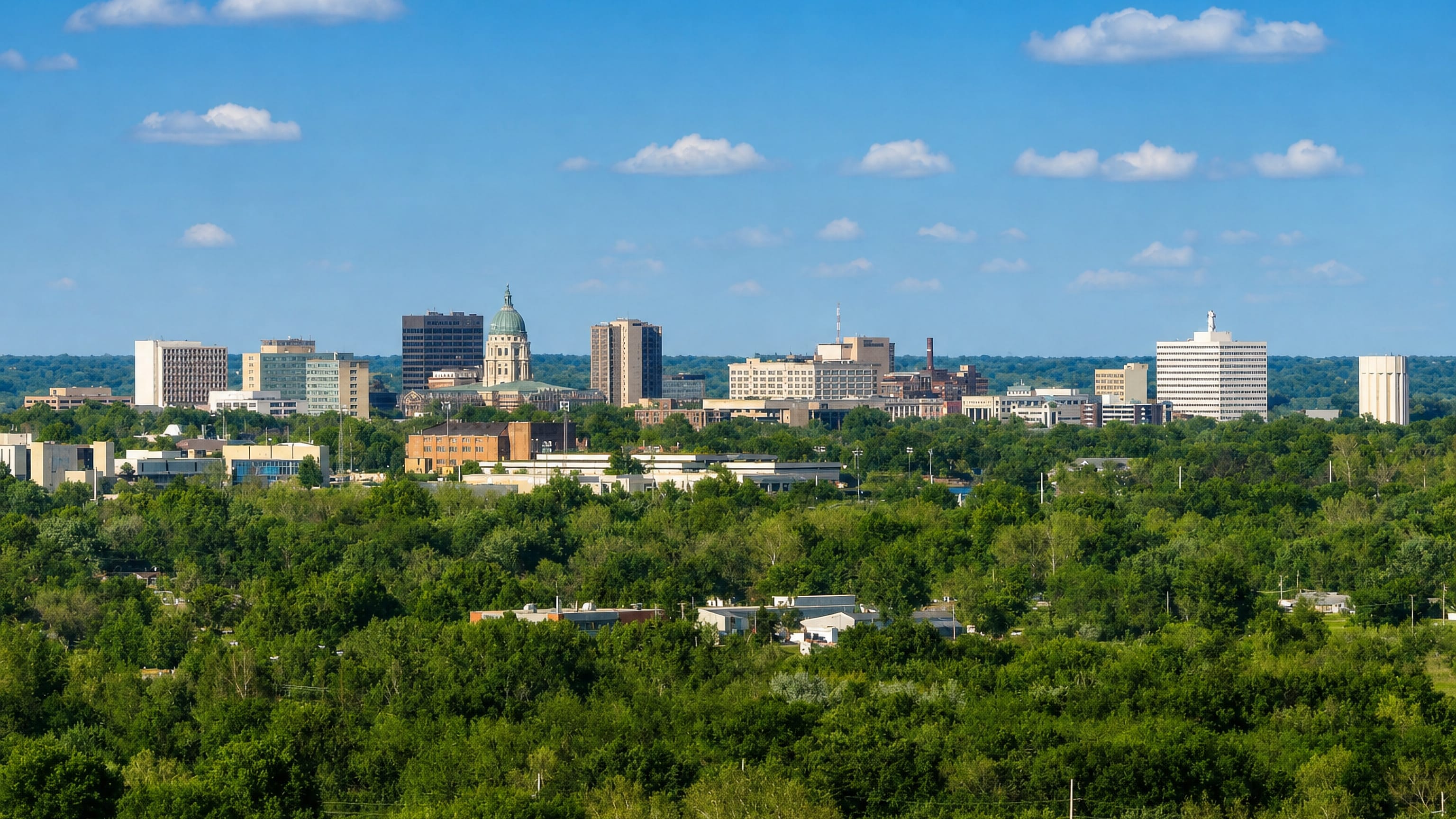
Topeka is the capital of Kansas, a city on the Kansas River founded in 1854, known for the Kansas Museum of History and the Evel Knievel Museum.
Hotel links are affiliate links: booking through them may earn us a commission, at no extra cost to you. It never affects how places are ranked. How this works


Where to stay in Topeka
Where visitors usually base themselves, and why.
Where you stay in Topeka depends on downtown or the west side. The centre, near the statehouse and the river, puts the historic houses and the government district within reach, and it suits anyone here for the capitol, the museums, or the civil-rights landmarks. Downtown quiets in the evening.
Rooms cluster near the interstates that ring the core. The west side is the other choice. Out toward the Kansas Museum of History and the commercial strips, the newer hotels sit close to the highways and the shopping, easier for a driving trip than the downtown blocks.
Parking comes easy here. If you want the statehouse and the old houses, stay downtown; if you want the highways and the museum, take a room to the west. Either way, Topeka is a driving town.
Find hotels in Topeka
Direct booking searches for these neighbourhoods.
Downtown Topeka
Near the government district and the river, within reach of the Charles Curtis House and the civil-rights landmarksFind hotels in Downtown TopekaDriving trips wanting the highways and the Kansas Museum of HistoryWest Topeka
Toward the Kansas Museum of History and the commercial strips, close to the interstates with easy parkingFind hotels in West TopekaHotel links are affiliate links: booking through them may earn us a commission, at no extra cost to you. It never affects how places are ranked. How this works
Things to do in Topeka
Ranked by global recognition; descriptions from Wikidata (CC0).
Museums & Galleries
1- Evel Knievel Museum
Churches & Religious Sites
5- St. Joseph's Catholic Church Heritage
- Church of the Assumption and Rectory Heritage
- North Topeka Baptist Church Heritage
- St. John African Methodist Episcopal Church Heritage
- Westminster Presbyterian Church of Topeka Heritage
Stadiums & Sports
1- Landon Arena
Landmarks & Notable Places
8- Ward-Meade House Heritage
- John Sargent House Heritage
- Charles Curtis House Heritage
- John and Mary Ritchie House Heritage
- Nelson Antrim Crawford House Heritage
Show 3 more →
- Anton-Woodring House Heritage
- Bowker House Heritage
- Dillon House Heritage
worth knowingacross 4 categories in Topeka
About Topeka
Topeka is a capital with a frontier past.
What is Topeka known for?
The seat of Kansas government sits on the Kansas River in the northeast of the state, its story reaching from abolitionist beginnings to the civil-rights era, and its museums range from the Kansas Museum of History to the daredevil relics of the Evel Knievel Museum. The prairie starts at the edge of town. History runs deep here.
What are the main landmarks in Topeka?
Topeka keeps its history in its houses. Old Prairie Town and the Ward-Meade House preserve the pioneer years, while the Charles Curtis House and the John and Mary Ritchie House hold the memory of a vice-president and an abolitionist. The Kansas Museum of History gathers the state's record.
Newer draws sit alongside the old, from the bright Equality House to the stunt relics of the Evel Knievel Museum.
What is the history of Topeka?
Topeka was founded in 1854, in the year Kansas opened to settlement and to bitter dispute over slavery. Antislavery settlers built the town on the Kansas River, and the John and Mary Ritchie House survives from those first years, the home of an abolitionist who helped fugitives north. The city became the capital, and government has anchored it since.
Streets and a statehouse rose fast on the open prairie, laid out with the confidence of a capital-to-be. Its later story runs through the nation's. Charles Curtis, born nearby, rose from Topeka to the vice-presidency, the first person of Native American descent to hold the office, and the Charles Curtis House still stands as his mark on the city.
Churches carried the community through the decades, among them the St. John African Methodist Episcopal Church. The Ward-Meade House and Old Prairie Town keep the pioneer past, while the Kansas Museum of History gathers the whole state's record. The Equality House, painted in bright colours, marks a later chapter in the city's long argument over rights.
Prairie and politics meet in Topeka.
Where is Topeka?
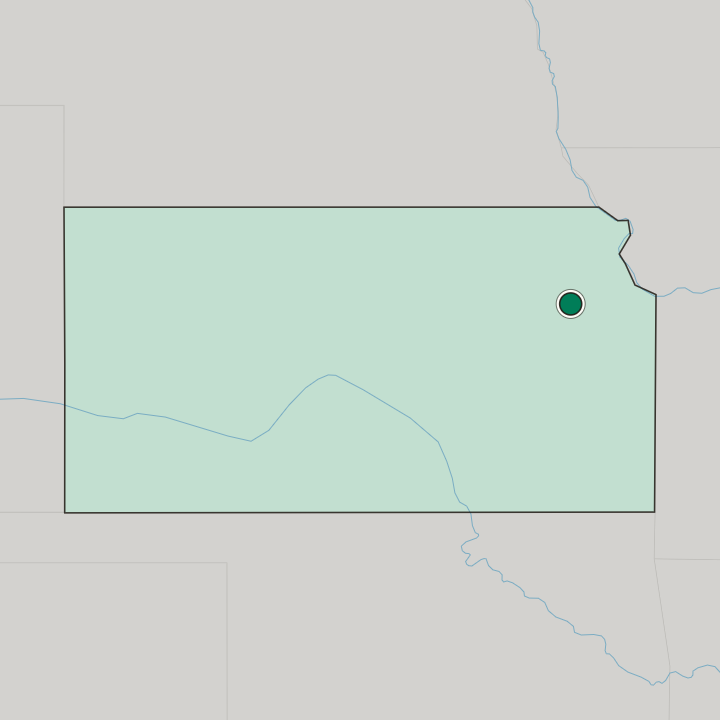
The Kansas River cuts through Topeka. The city spreads along both banks in the northeast of the state, where the wooded river valley opens onto the tallgrass prairie that rolls away to the west. Low bluffs edge the water.
The plains set the horizon.
What is the climate of Topeka?
Topeka sits in the continental heart of the country. Hot, humid summers give way to cold winters on the open plains, and the seasons swing hard with little coast to soften them. Storms roll in from the west.
Tornado weather comes each spring.
How do you get to Topeka?
The interstates cross at Topeka. The city sits where major highways meet in northeast Kansas, a day's drive from either end of the plains, and rail lines still run through it along the river. Regional flights use the airport.
Most arrive by road, off the interstates that carry the traffic of the prairie.
Common questions
What is the best area to stay in Topeka?
Downtown Topeka: Visitors here for the statehouse, historic houses, and museums. West Topeka: Driving trips wanting the highways and the Kansas Museum of History.
Good for
More cities in Kansas
Updated September 2026