United States · Louisiana · New Orleans
Tremé, New Orleans — Area Guide & Where to Stay
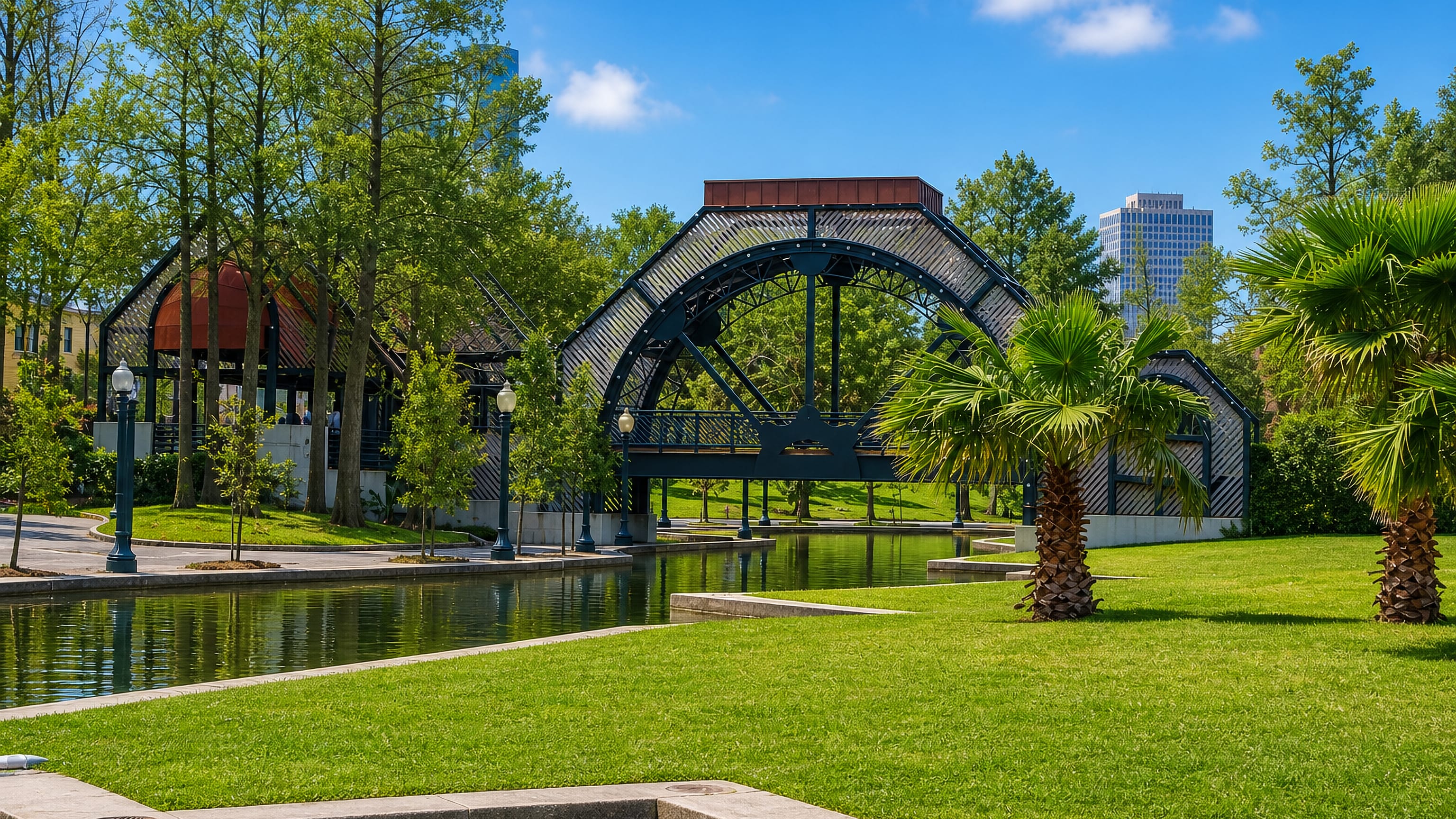
Tremé is a New Orleans quarter across North Rampart Street from the French Quarter, anchored by Saint Augustine Church and the Backstreet Cultural Museum.
Hotel links are affiliate links: booking through them may earn us a commission, at no extra cost to you. It never affects how places are ranked. How this works


Where to stay in Tremé
How the choice of base plays out on the ground.
Tremé holds guesthouses and short-term rentals rather than large hotels, so most visitors book across the line in the French Quarter or the Central Business District and walk over. Nights here stay quiet. The neighborhood suits travelers who want the Quarter within reach but prefer a residential base away from the crowds.
Saint Louis Cathedral, The Cabildo, and Napoleon House stand a few blocks away over North Rampart Street, while Saint Augustine Church and the Backstreet Cultural Museum sit at its core. Music lovers can follow Esplanade Avenue up to the Fair Grounds Race Course, and anyone short on options should check the wider New Orleans map first.
Things to do in and around New Orleans
Ranked by global recognition; descriptions from Wikidata (CC0).
Museums & Galleries
3- The Cabildo Heritage
- Old Ursuline Convent Heritage
- Confederate Memorial Hall Heritage
Churches & Religious Sites
3- St. Patrick's Church Heritage
- St. Louis Cathedral
- St. Augustine Church
Stadiums & Sports
1- Fair Grounds Race Course
Landmarks & Notable Places
5- Napoleon House Heritage
- Beauregard-Keyes House Heritage
- Madame John's Legacy Heritage
- Hermann–Grima House Heritage
- Lafcadio Hearn House Heritage
worth knowingacross 4 categories in and around New Orleans
About Tremé
What are the main landmarks in Tremé?
The area's own sights are its churches. Saint Augustine Church, founded in 1841, ranks among the oldest African American Catholic parishes in the United States, while the nearby Backstreet Cultural Museum records the city's jazz funerals and Mardi Gras Indian traditions. On North Rampart Street, Our Lady of Guadalupe Chapel dates to 1826 and is the oldest surviving church building in New Orleans.
Cross that street and the French Quarter's landmarks begin, with Saint Louis Cathedral, The Cabildo, and the Old Ursuline Convent all within a short walk. Farther up Esplanade Avenue, the New Orleans Museum of Art crowns City Park.
What is the history of Tremé?
Tremé began as plantation land beyond the old city ramparts. It took its name from Claude Tremé, whose holdings the city bought and subdivided into building lots across the opening decades of the nineteenth century. Free people of color settled it.
On Sundays, enslaved and free Black New Orleanians gathered at nearby Congo Square to drum and dance, seeding one of the roots of American music. Saint Augustine Church, opened in 1841, became one of the oldest African American Catholic parishes in the country. In the 1960s the raised Interstate 10 was cut along North Claiborne Avenue, tearing out the oak-lined neutral ground that had long served Black-owned shops and Carnival crowds.
Where is Tremé?
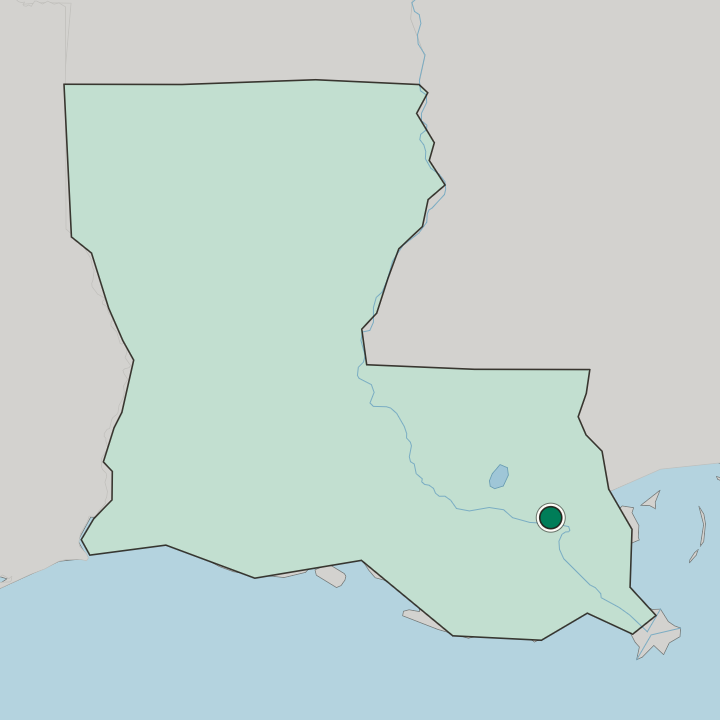
Tremé lies on the lake side of the French Quarter, reached by crossing North Rampart Street. Its downriver edge is Esplanade Avenue, which divides it from the Seventh Ward, while Broad Street closes off the side toward Mid-City and North Claiborne Avenue cuts straight through the middle beneath the raised Interstate 10 expressway. Louis Armstrong Park anchors the Rampart Street corner.
The layout is a compact grid.
Good for
More areas in New Orleans
Updated October 2026