United States · Minnesota
Where to Stay in Duluth, Minnesota
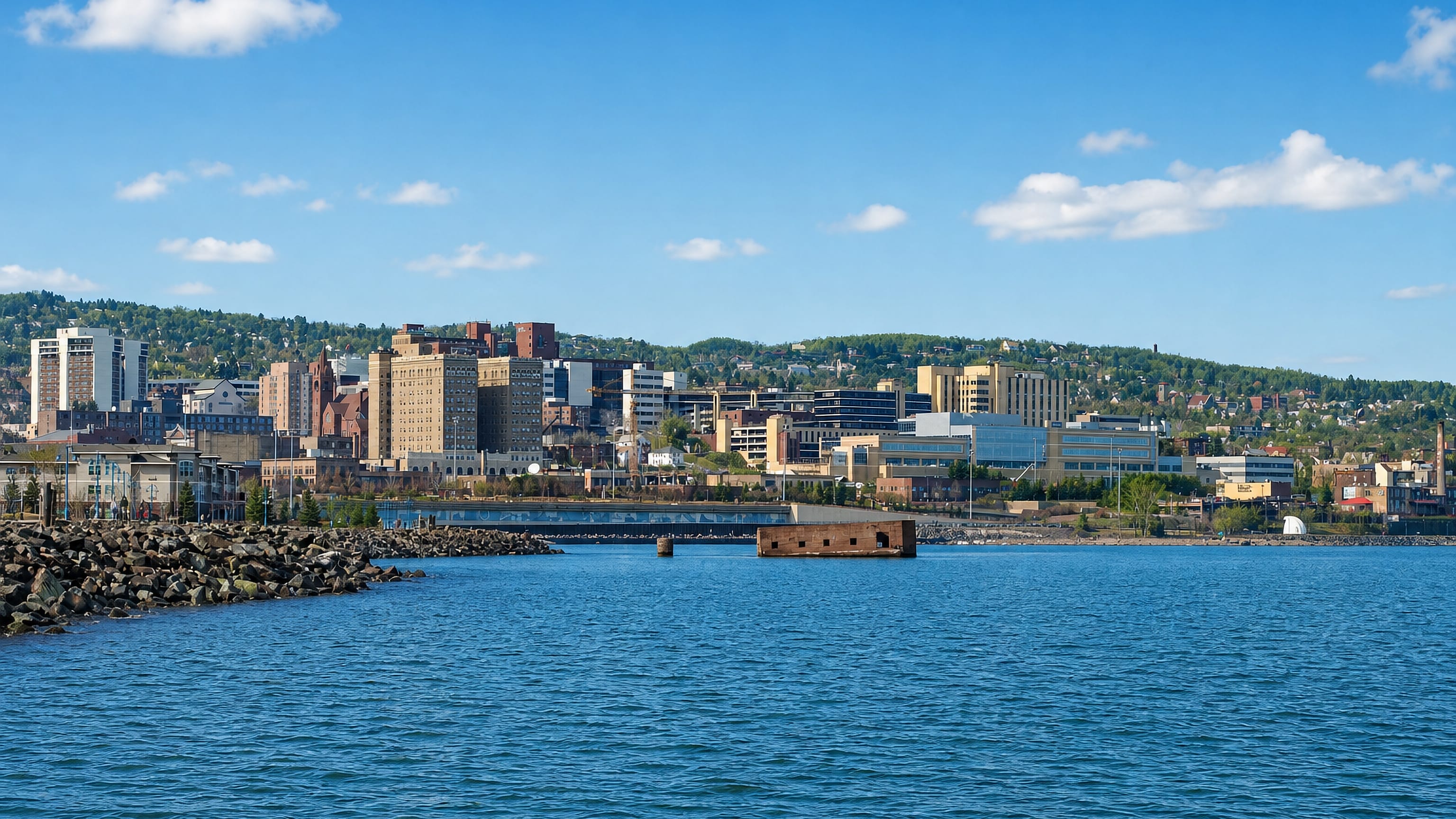
Freighters ride the cold swell into Duluth, a port city on Lake Superior in Minnesota, known for the Aerial Lift Bridge and its steep harbour hills.
Hotel links are affiliate links: booking through them may earn us a commission, at no extra cost to you. It never affects how places are ranked. How this works


Where to stay in Duluth
The practical side of choosing where to sleep.
Duluth arranges its lodging along the water and up the hillside, and where you land shapes the trip. Start downtown. The waterfront puts you within walking reach of the Duluth Depot, the Great Lakes Aquarium, and the Aerial Lift Bridge that lifts for every passing freighter.
Canal Park runs south from the bridge along Lake Superior, a compact strip of restored warehouses turned inns and restaurants, with the Lakewalk path at the door. Stay here if you want the harbour at your feet and short evenings on foot. Up the slope, the historic streets near Enger Tower and the Sacred Heart Cathedral trade harbour bustle for quiet and long views over the lake.
The North Shore Scenic Railroad leaves from the Depot for the shoreline drives beyond the city, so a base near the waterfront also serves day trips north. Lake Superior is always the compass. It sets the weather, the light, and the sound of the place.
Find hotels in Duluth
Direct booking searches for these neighbourhoods.
Canal Park
Restored warehouses turned inns beside the Aerial Lift Bridge, with the Lakewalk and Lake Superior at the doorstep.Find hotels in Canal Parkfirst-time visitors and the museumsDowntown waterfront
Walking distance to the Duluth Depot, the Great Lakes Aquarium, and the Lake Superior Railroad Museum.Find hotels in Downtown waterfrontquiet stays and long lake viewsThe hillside near Enger Tower
Historic streets above the harbour by Enger Tower and Sacred Heart Cathedral, looking out over Lake Superior.Find hotels in The hillside near Enger TowerHotel links are affiliate links: booking through them may earn us a commission, at no extra cost to you. It never affects how places are ranked. How this works
About Duluth
What is Duluth known for?
Duluth is known as the inland port where the Great Lakes shipping lanes end and cargo moves onward by rail. It sits at the far western tip of Lake Superior, sharing a harbour with Superior, Wisconsin, the pair together called the Twin Ports. Ore trains from the Iron Range once fed its docks.
The Duluth Depot, the Lake Superior Railroad Museum, and the Great Lakes Aquarium now draw visitors to the waterfront. Enger Tower crowns the hill above.
What are the main landmarks in Duluth?
Duluth's landmarks gather around its harbour and the hill behind it. The Duluth Depot, a former rail terminal, now holds the Lake Superior Railroad Museum and is the boarding point for the North Shore Scenic Railroad. The Great Lakes Aquarium and the Lake Superior Maritime Visitor Center face the water nearby.
Enger Tower stands on the ridge above town. The Sacred Heart Cathedral and the Clayton-Jackson-McGhie Memorial mark the older streets below.
What is the history of Duluth?
Duluth takes its name from Daniel Greysolon, Sieur du Lhut, the first known European to reach this corner of Lake Superior, in 1679. Long before that, the lake's western shore was Ojibwe country, and the harbour where the city grew was a meeting point of water routes. The site had a natural advantage.
A long sandbar closed off a sheltered bay, giving ships a harbour at the head of the Great Lakes. The city took shape around shipping and the railroad. When ore was found on the Iron Range to the north, Duluth became the place where it was loaded and sent east, and the Duluth Depot rose as the rail terminal that tied the docks to the interior.
Grain from the plains passed the same way. The Clayton-Jackson-McGhie Memorial, on the streets below the hill, marks a grave injustice in the city's past and stands as a public reckoning with it. Enger Tower, raised on the ridge, gave the growing city a lookout over the lake and the harbour that made it.
Where is Duluth?
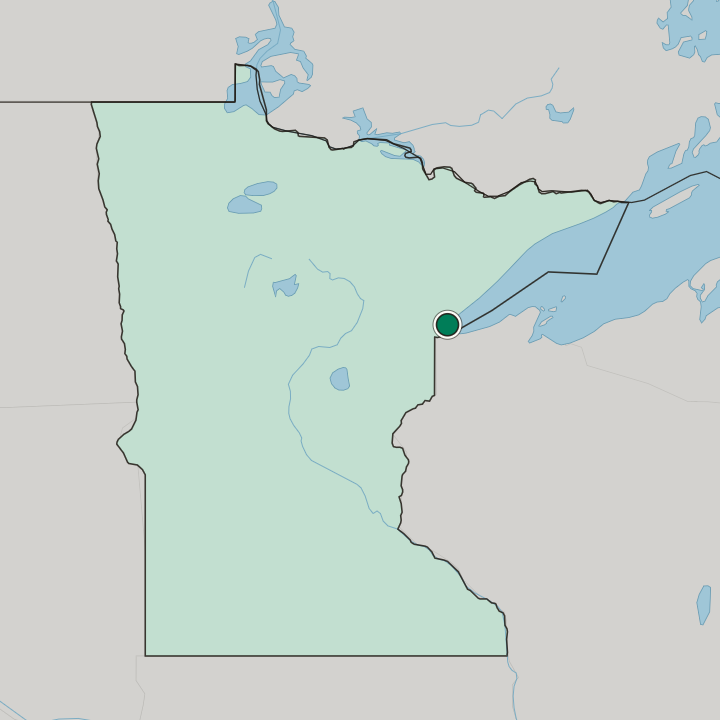
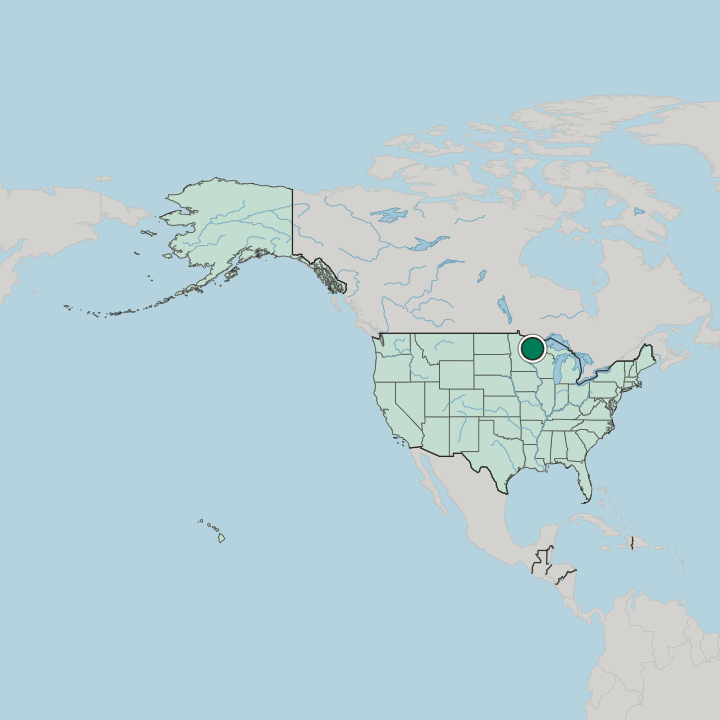
Duluth stands at the western tip of Lake Superior. The land climbs steeply from the water, so the city runs as a long band between the lakeshore and the ridge behind it, its streets stepping up the hillside above the harbour. Across the bay lies Superior, Wisconsin, the two together forming the Twin Ports.
Inland rise the Iron Range and the lake-and-forest country of the Arrowhead Region, with the Boundary Waters Canoe Area Wilderness beyond. Minnesota's shore runs north from here.
What is the climate of Duluth?
Duluth has long, hard winters and short, cool summers, shaped by the cold mass of Lake Superior beside it. The lake holds heat into autumn and chill into spring, so the shore stays cooler than the inland Iron Range through much of the year. Snow falls heavily and lingers.
Fog and lake-driven wind are common along the harbour. Summers bring mild, clear days that draw visitors to the Lakewalk and the water, a brief green season between the long cold ones.
How do you get to Duluth?
Duluth sits at the head of Lake Superior, reached most often by road from the south along the interstate corridor that climbs up from the Minnesota interior. Duluth International Airport handles regional flights. The harbour remains a working cargo port rather than a passenger gateway, its docks tied to the Iron Range by rail.
For travel beyond the city, the North Shore Scenic Railroad runs from the Duluth Depot along the lake, and the shoreline highway carries on north through the Arrowhead Region.
Common questions
What is the best area to stay in Duluth?
Canal Park: harbour walks and the lift bridge. Downtown waterfront: first-time visitors and the museums. The hillside near Enger Tower: quiet stays and long lake views.
Good for
More cities in Minnesota
Updated September 2026