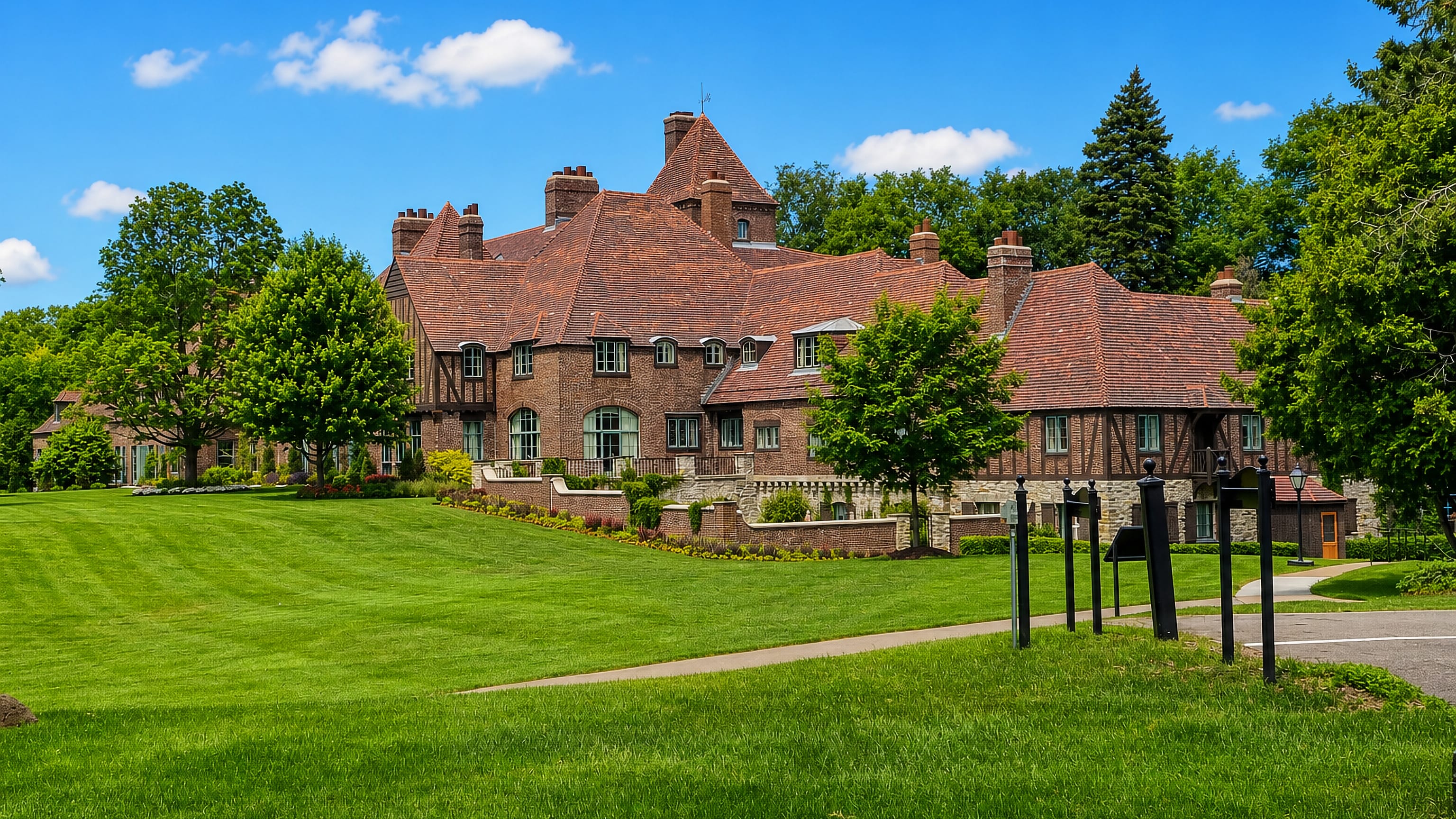
United States · Minnesota
Where to Stay in Minnetonka, Minnesota
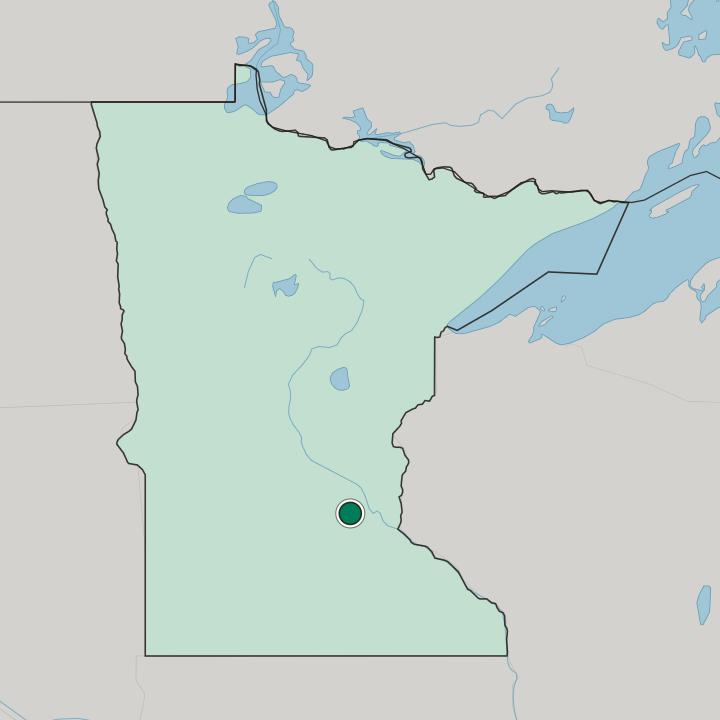
Lakes, forests and wetlands mark out Minnetonka, a western suburb of the Twin Cities in Hennepin County, Minnesota, settled from 1852.
Hotel links are affiliate links: booking through them may earn us a commission, at no extra cost to you. It never affects how places are ranked. How this works


Where to stay in Minnetonka
Where the beds are, and what that means for the visit.
Glen Lake sets one end of the choice. The Glen Lake Children's Camp and the Heck House are the named points on that side of Minnetonka, where the draw is water and woodland rather than any street of shops, and a room there suits you if the trip is about the lakes. Quiet carries the day.
Minnetonka's Catholic church of St. Hubertus-Catholic and the Wyer House add older fabric to the same stretch, though nothing here gathers into a centre. Minneapolis is about ten miles off. Staying in Minnetonka instead of the city means trading the downtown for space, and the Twin Cities remain close enough that a day in Minneapolis costs only the drive back out through Hennepin County.
Braemar Ice Rink anchors the sporting side. Wings of the North Air Museum and Excelsior Amusement Park belong to the same list of reasons families pick this suburb over a room nearer the centre. Farmhouses mark the third choice.
The John R. Cummins Farmhouse, the Peter Gideon Farmhouse and the Charles H. Burwell House carry the settlement years after 1852, and a stay near them puts the oldest surviving Minnetonka within reach while the rest of the city spreads out around it. Wooddale Church is close. The Shakopee Historic District and the Thompson Summer House complete what the record lists.
Find hotels in Minnetonka
Direct booking searches for these neighbourhoods.
Glen Lake
Water and woodland on Minnetonka's quieter side, with the Heck House and the Church of St. Hubertus-Catholic along the same streets. Beds are limited here, so book early.Find hotels in Glen LakeSkating weekends and the Wings of the North Air MuseumAround Braemar Ice Rink
Minnetonka's sporting corner, with Braemar Ice Rink and the air museum a short drive from Excelsior Amusement Park.Find hotels in Around Braemar Ice RinkSettlement-era Minnetonka: Burwell, Cummins and GideonBurwell House ground
The oldest surviving buildings of the 1852 settlement, with Wooddale Church and the Thompson Summer House on the same side of the city. Rooms are few around here — worth securing early.Find hotels in Burwell House groundHotel links are affiliate links: booking through them may earn us a commission, at no extra cost to you. It never affects how places are ranked. How this works
Things to do in Minnetonka
Ranked by global recognition; descriptions from Wikidata (CC0).
Churches & Religious Sites
1- Church of St. Hubertus-Catholic Heritage
Castles & Historic Sites
1- Shakopee Historic District Heritage
Stadiums & Sports
1- Braemar Ice Rink
Parks & Gardens
1- Excelsior Amusement Park
Landmarks & Notable Places
5- Charles H. Burwell House Heritage
- Peter Gideon Farmhouse Heritage
- Thompson Summer House Heritage
- Wyer House Heritage
- Heck House Heritage
worth knowingacross 5 categories in Minnetonka
About Minnetonka
Woodland separates it from the rest.
What is Minnetonka known for?
Forest and wetland give Minnetonka a setting unlike the other suburbs west of Minneapolis, and the Wings of the North Air Museum, the Braemar Ice Rink and Excelsior Amusement Park sit on the same short roster of places people name. Wooddale Church is on it as well. Older ground survives too, in the Heck House and the Wyer House.
What are the main landmarks in Minnetonka?
Thirteen names carry the record. Farmhouses lead it: the John R. Cummins Farmhouse and the Peter Gideon Farmhouse, joined by the Charles H. Burwell House, the Heck House, the Wyer House and the Thompson Summer House among the older domestic buildings. Churches follow.
Minnetonka's Catholic church of St. Hubertus-Catholic and Wooddale Church stand for the congregations, while Braemar Ice Rink, the Wings of the North Air Museum, Excelsior Amusement Park, the Glen Lake Children's Camp and the Shakopee Historic District cover everything else.
What is the history of Minnetonka?
Settlement dates from 1852. The John R. Cummins Farmhouse and the Peter Gideon Farmhouse survive from the farming years of this part of Hennepin County, and the Charles H. Burwell House and the Wyer House stand for the households of the same period. Woods and water surrounded them.
Nothing in the record points to a platted downtown, which is why the oldest Minnetonka reads as scattered holdings rather than as a town with a main street. Leisure left the next layer. Excelsior Amusement Park, the Glen Lake Children's Camp and the Thompson Summer House all read as seasonal ground, the kind of place the Twin Cities used when the lakes west of Minneapolis were a summer destination.
Churches followed the families. Minnetonka's Catholic church of St. Hubertus-Catholic and Wooddale Church mark the settled decades, and the Heck House belongs to the same domestic record. Suburbia closed the sequence.
Hennepin County built outward until the farm parcels became a city of the Twin Cities, and Braemar Ice Rink, the Wings of the North Air Museum and the Shakopee Historic District come from that later Minnetonka. Growth did not erase what came before, and the thirteen names on the landmark list run from the farming decades straight through to the rinks and museums of the suburb.
Where is Minnetonka?
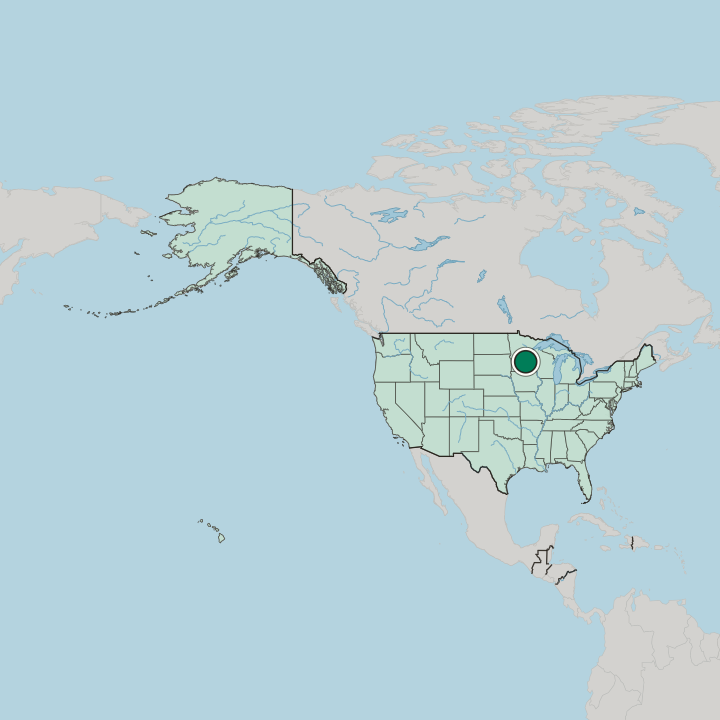
Water and woodland take up much of the ground. Minnetonka covers about 75 square kilometres of Hennepin County, where wetland and prairie sit between the lakes and the built streets, which gives the city a setting the neighbouring suburbs of the Twin Cities do not share. Minneapolis lies about ten miles away.
The Glen Lake Children's Camp and the Shakopee Historic District stand within that spread, far enough apart that no single walk covers the city.
What is the climate of Minnetonka?
The lakes do little to soften it. Minnetonka lies in the temperate band of the North American interior, far from any sea, so the Twin Cities swing hard between a warm half of the year and a cold one that keeps the wetlands and woods locked for months. Braemar Ice Rink fits that.
Hennepin County records the same conditions across every suburb, and nothing about the ground here alters them.
How do you get to Minnetonka?
Ten miles of road is the whole journey. Minneapolis sits that far off, and the practical approach to Minnetonka is out of the Twin Cities and into Hennepin County, since the record names no railway station or terminal inside the city. Distances here are driving distances.
The Wings of the North Air Museum, Braemar Ice Rink and the Glen Lake Children's Camp all sit apart from one another, so a car does the work between them.
Common questions
What is the best area to stay in Minnetonka?
Glen Lake: Lake mornings near the Glen Lake Children's Camp. Around Braemar Ice Rink: Skating weekends and the Wings of the North Air Museum. Burwell House ground: Settlement-era Minnetonka: Burwell, Cummins and Gideon.
Good for
More cities in Minnesota
Updated October 2026