United States · Minnesota
Where to Stay in Saint Paul, Minnesota
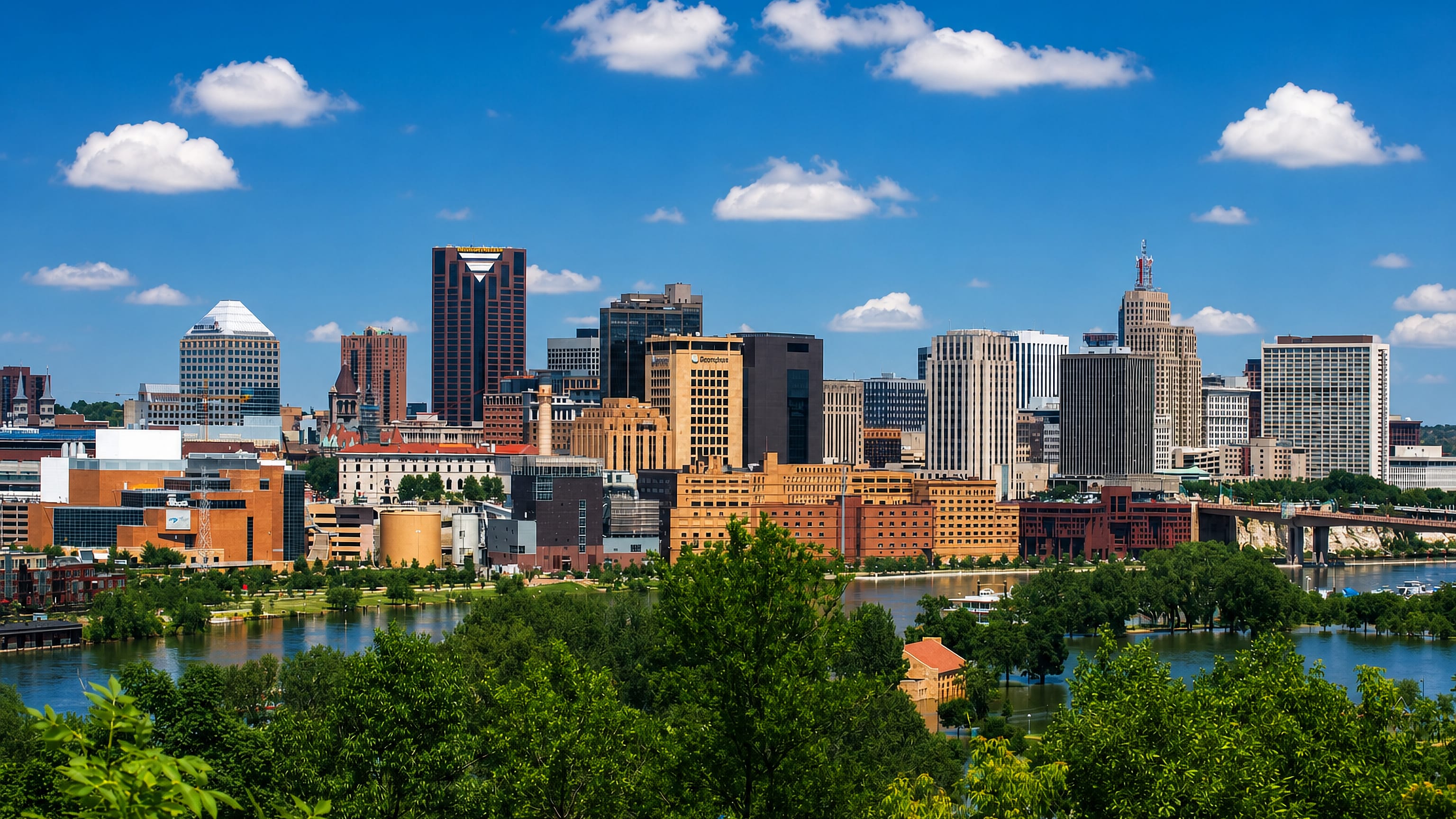
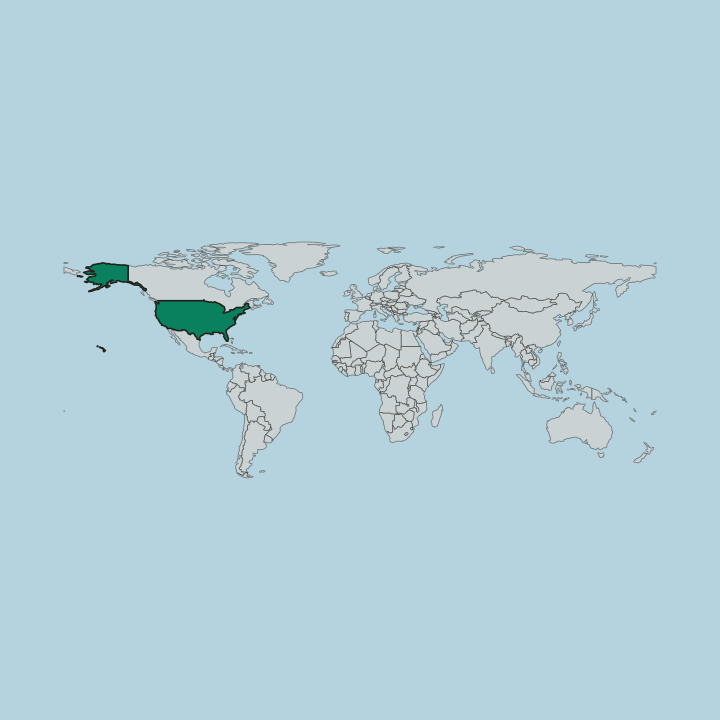
Saint Paul is the capital of Minnesota, United States, founded in 1854 and known for the Minnesota State Capitol and the Cathedral of Saint Paul.
Hotel links are affiliate links: booking through them may earn us a commission, at no extra cost to you. It never affects how places are ranked. How this works


Where to stay in Saint Paul
The practical side of choosing where to sleep.
Saint Paul splits neatly into stay districts defined by its landmarks. The area around the Minnesota State Capitol and the Minnesota History Center suits travelers who want the civic monuments and the state collections within a short walk of the door. Base here for the capitol.
Along the historic avenue near the James J. Hill House and the Cathedral of Saint Paul, the grand residential streets give a quieter, architecture-minded base close to the cathedral's dome. Families do well nearer the Minnesota Children's Museum, where a full indoor day sits a few blocks away and the surrounding blocks stay easy for strollers. If your interest runs to art and letters, the streets by the Minnesota Museum of American Art and the F. Scott Fitzgerald House pair galleries with literary heritage.
Each quarter trades a different asset for its calm. Pick the bed by the itinerary, and the capital stays compact enough to cross.
Find hotels in Saint Paul
Direct booking searches for these neighbourhoods.
Capitol district
The Minnesota State Capitol and the Minnesota History Center sit within a short walk, keeping the capital's civic core at the door.Find hotels in Capitol districtArchitecture-minded stays among grand housesCathedral Hill avenue
The historic streets near the James J. Hill House and the Cathedral of Saint Paul give a quiet base beneath the cathedral dome.Find hotels in Cathedral Hill avenueFamilies building a trip around indoor daysAround the Minnesota Children's Museum
The blocks by the Minnesota Children's Museum keep a full indoor day and stroller-easy streets a few minutes from the door.Find hotels in Around the Minnesota Children's MuseumHotel links are affiliate links: booking through them may earn us a commission, at no extra cost to you. It never affects how places are ranked. How this works
Things to do in Saint Paul
Ranked by global recognition; descriptions from Wikidata (CC0).
Museums & Galleries
3- Minnesota State Capitol Heritage
- Minnesota Museum of American Art
- Hmong Cultural Center Museum
Churches & Religious Sites
5- Cathedral of Saint Paul, National Shrine of the Apostle Paul Heritage
- Church of the Assumption Heritage
- Church of St. Agnes Heritage
- Church of St. Bernard Heritage
- Central Presbyterian Church Heritage
Castles & Historic Sites
1- Progress of the State
Stadiums & Sports
2- Minnesota Boat Club Boathouse on Raspberry Island Heritage
- Roy Wilkins Auditorium
Landmarks & Notable Places
7- F. Scott Fitzgerald House Heritage
- Frank B. Kellogg House Heritage
- Justus Ramsey Stone House Heritage
- Burbank–Livingston–Griggs House Heritage
- Benjamin Brunson House Heritage
Show 2 more →
- 27 Crocus Place Heritage
- Giesen–Hauser House Heritage
worth knowingacross 5 categories in Saint Paul
About Saint Paul
What is Saint Paul known for?
Saint Paul is known as a capital city of monuments and museums. The Minnesota State Capitol crowns the skyline, and the domed Cathedral of Saint Paul answers it from the neighboring rise. Grand houses fill the historic streets.
The James J. Hill House and the F. Scott Fitzgerald House recall the era of railroad fortunes and letters, while the Minnesota History Center gathers the wider record of the state into one collection near the capitol grounds, and the Roy Wilkins Auditorium hosts the events that fill the civic calendar.
What are the main landmarks in Saint Paul?
Saint Paul carries its landmarks along the capitol ridge. The Minnesota State Capitol is the signature site, its marble dome set above the terraced grounds. Below it stand the great houses.
The James J. Hill House and the Alexander Ramsey House preserve the mansions of the city's founding fortunes, while the Cathedral of Saint Paul closes the view from its own rise. The Minnesota History Center, the Minnesota Museum of American Art, and the Minnesota Children's Museum anchor the museum quarter nearby.
What is the history of Saint Paul?
Saint Paul was founded in 1854 as the seat of government for the Minnesota Territory, and it kept that role when the territory became a state. Government defined the place from the start. The Minnesota State Capitol rose to house the legislature, and the Alexander Ramsey House survives as the home of the territory's first governor, a direct link to the earliest years of settlement on the upper river.
Wealth from rail and milling reshaped the city in the decades that followed. The James J. Hill House stands as the mansion of the railroad builder whose lines tied the region to the wider country, and the Cathedral of Saint Paul went up as the seat of a growing Catholic diocese. Letters left their mark too.
The F. Scott Fitzgerald House marks the writer's early years, and the Minnesota History Center now gathers the record of the whole state within United States. Each generation left a building along the capitol ridge.
Where is Saint Paul?
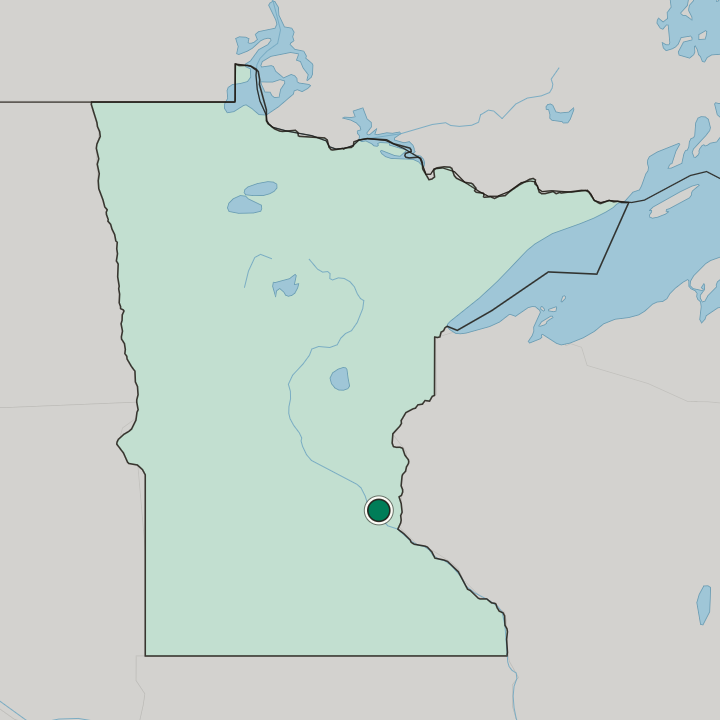
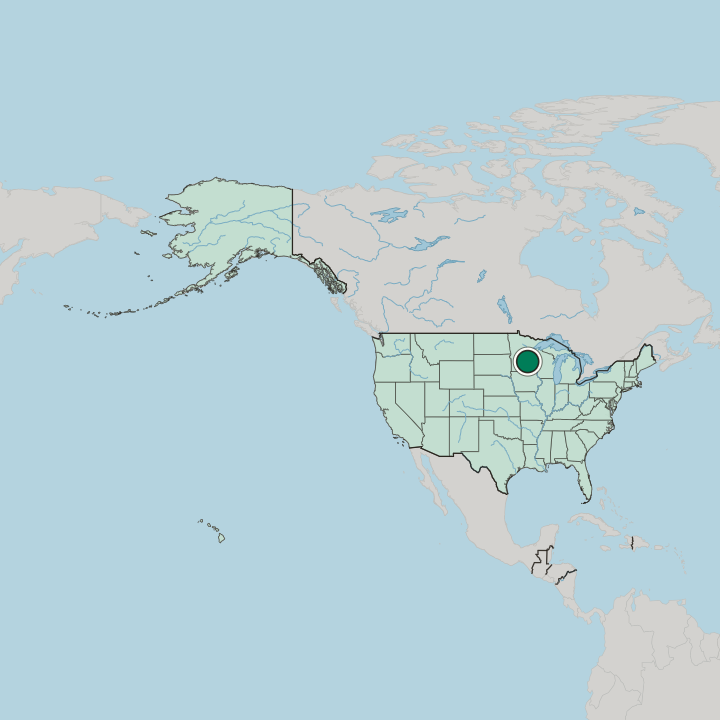
Saint Paul occupies a bluffed river setting in Minnesota, United States, spread across roughly 145 square kilometres of terraced ground. The capitol ridge lifts above the lower districts. From it, the Minnesota State Capitol and the Cathedral of Saint Paul command the skyline while the museum quarter around the Minnesota History Center gathers in the flatter blocks below.
Residential avenues run west toward the grand houses near the James J. Hill House.
What is the climate of Saint Paul?
Saint Paul has a continental climate with long, cold winters typical of the upper Midwest of Minnesota. Snow holds through the long Minnesota winter. Hard freezes and short daylight define the season from late autumn onward, so indoor institutions such as the Minnesota History Center and the Minnesota Children's Museum carry much of the cold-season visiting.
Summers turn warm and humid, and the terraced grounds around the Minnesota State Capitol come alive for outdoor days.
How do you get to Saint Paul?
Saint Paul is reached through the shared regional airport and the interstate corridors that meet in Minnesota. Rail and intercity coaches serve the city as well. From the center, visitors walk the capitol ridge to reach the Minnesota State Capitol, the Cathedral of Saint Paul, and the Minnesota History Center within one circuit.
Drivers follow the river parkways out to the residential avenues near the James J. Hill House.
Common questions
What is the best area to stay in Saint Paul?
Capitol district: Civic monuments and state collections within a short walk. Cathedral Hill avenue: Architecture-minded stays among grand houses. Around the Minnesota Children's Museum: Families building a trip around indoor days.
Good for
More cities in Minnesota
Updated September 2026