United States · Minnesota
Where to Stay in Minneapolis, Minnesota
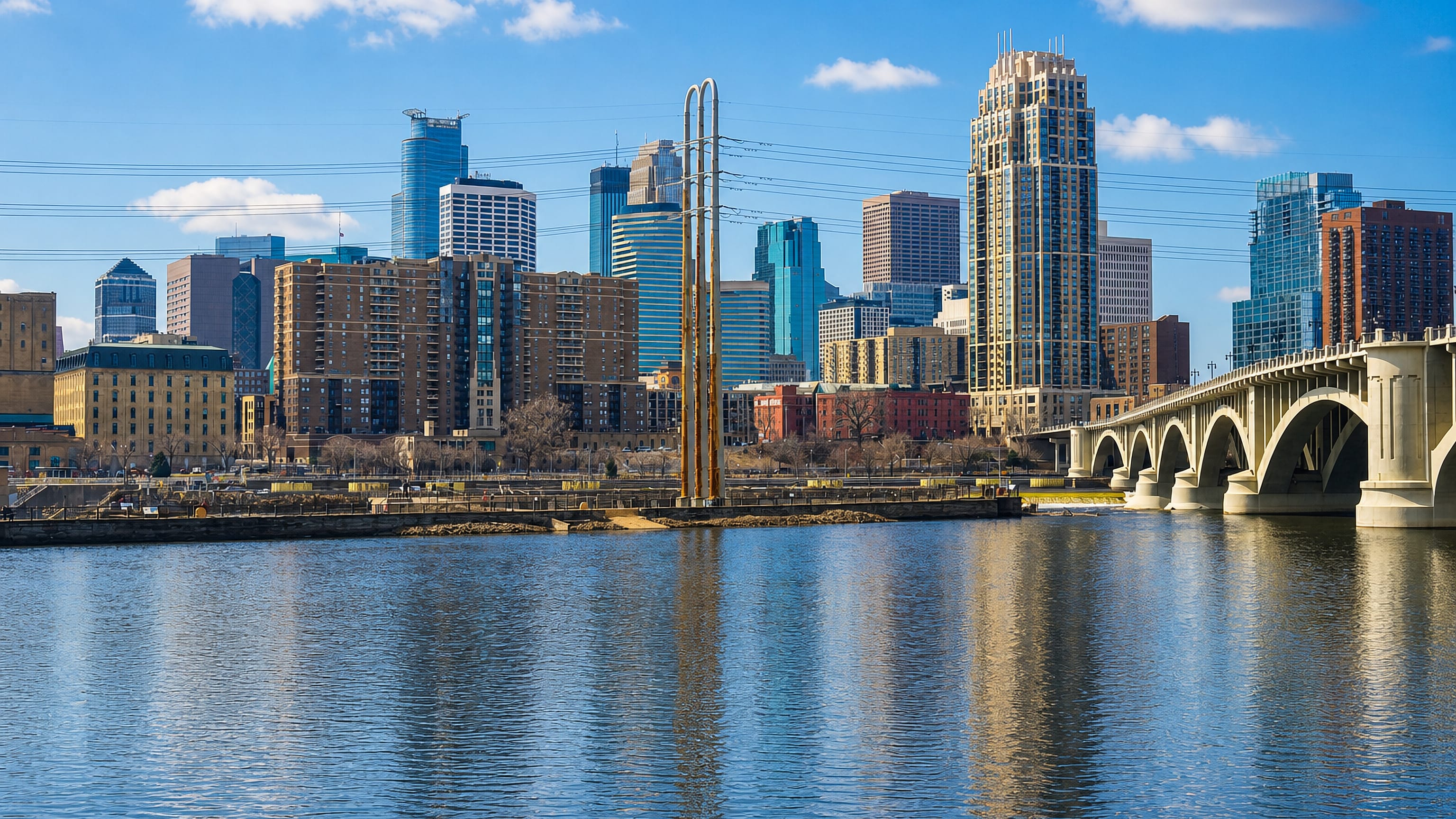
Minneapolis spreads over both banks of the Mississippi River, the largest city in Minnesota, known for its thirteen lakes and the Walker Art Center.
Hotel links are affiliate links: booking through them may earn us a commission, at no extra cost to you. It never affects how places are ranked. How this works


Where to stay in Minneapolis
Not every neighbourhood fits every trip — here's what each one is good for.

 MinneapolisUnited States
Central
Central is a community of Minneapolis, a cluster of neighbourhoods around the city's museums, historic churches and older mansion streets.Central →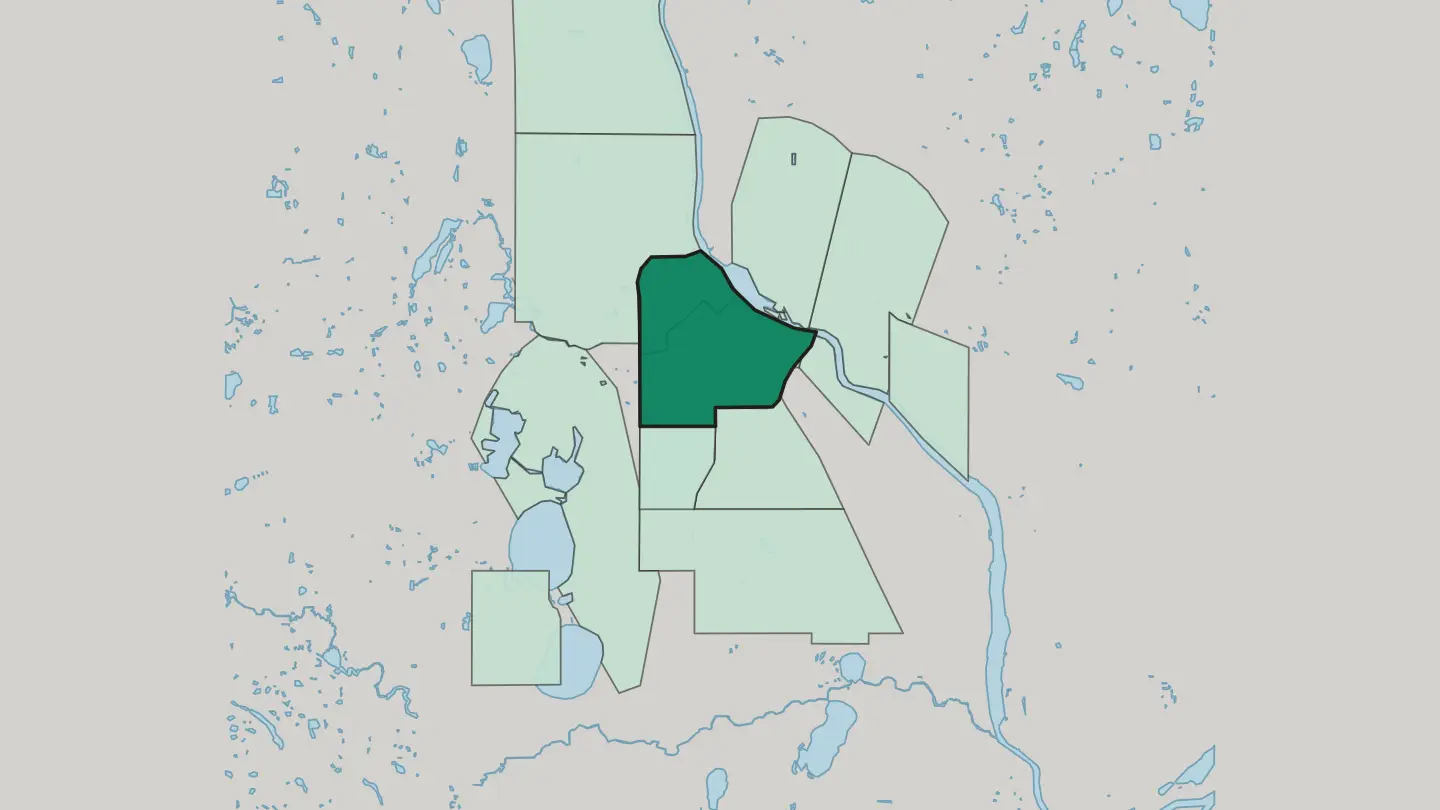
 MinneapolisUnited States
North Loop
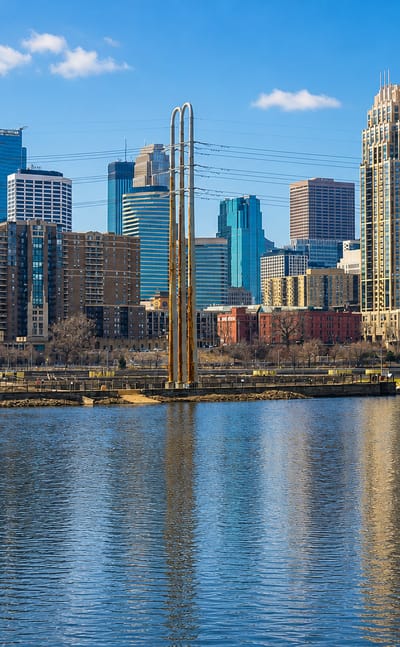
North Loop is a warehouse district of Minneapolis on the west bank of the Mississippi River, north of downtown.North Loop →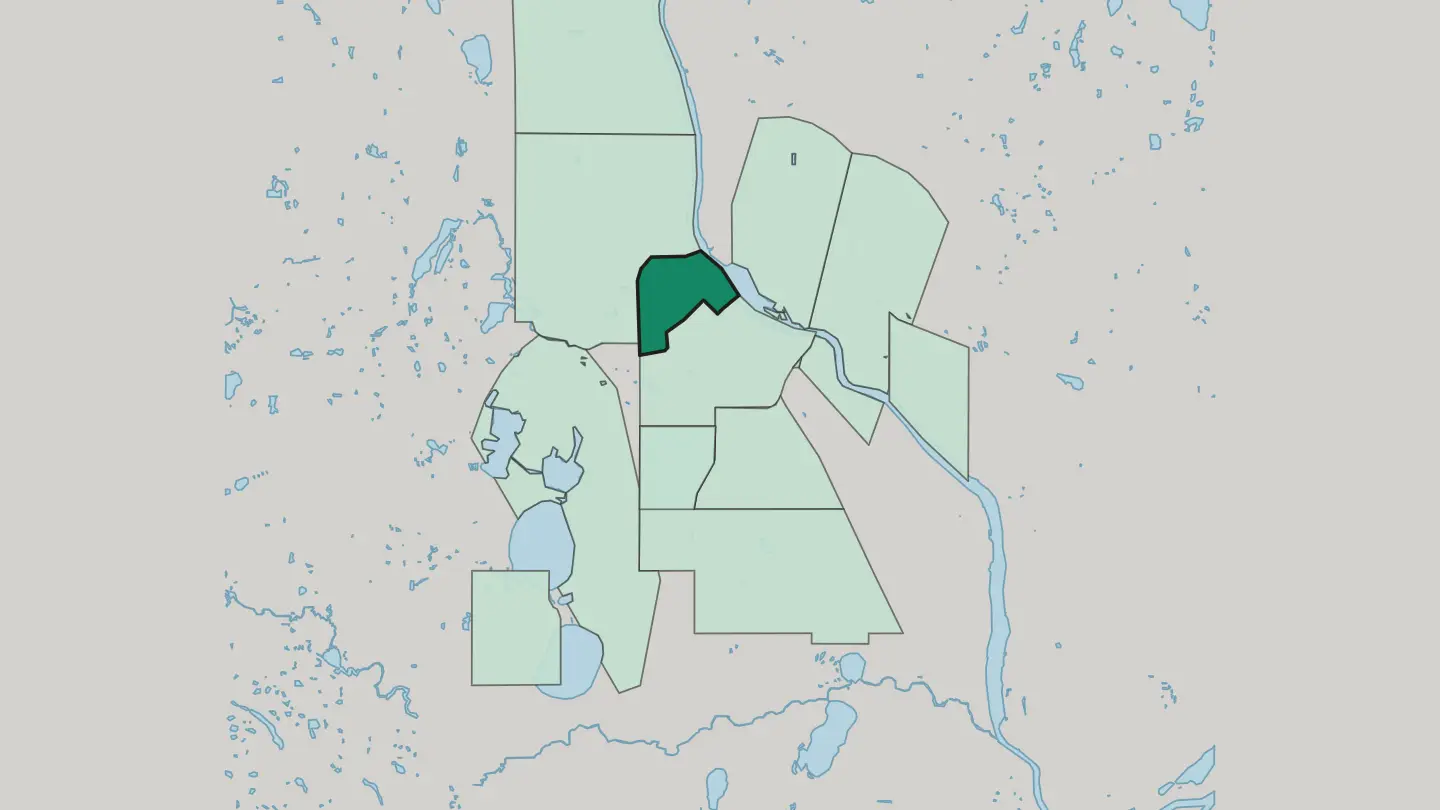
 MinneapolisUnited States
Northeast
Northeast is an old working quarter of Minneapolis, settled in 1848, its streets lined with churches, workshops and the Cycling Museum of Minnesota.Northeast →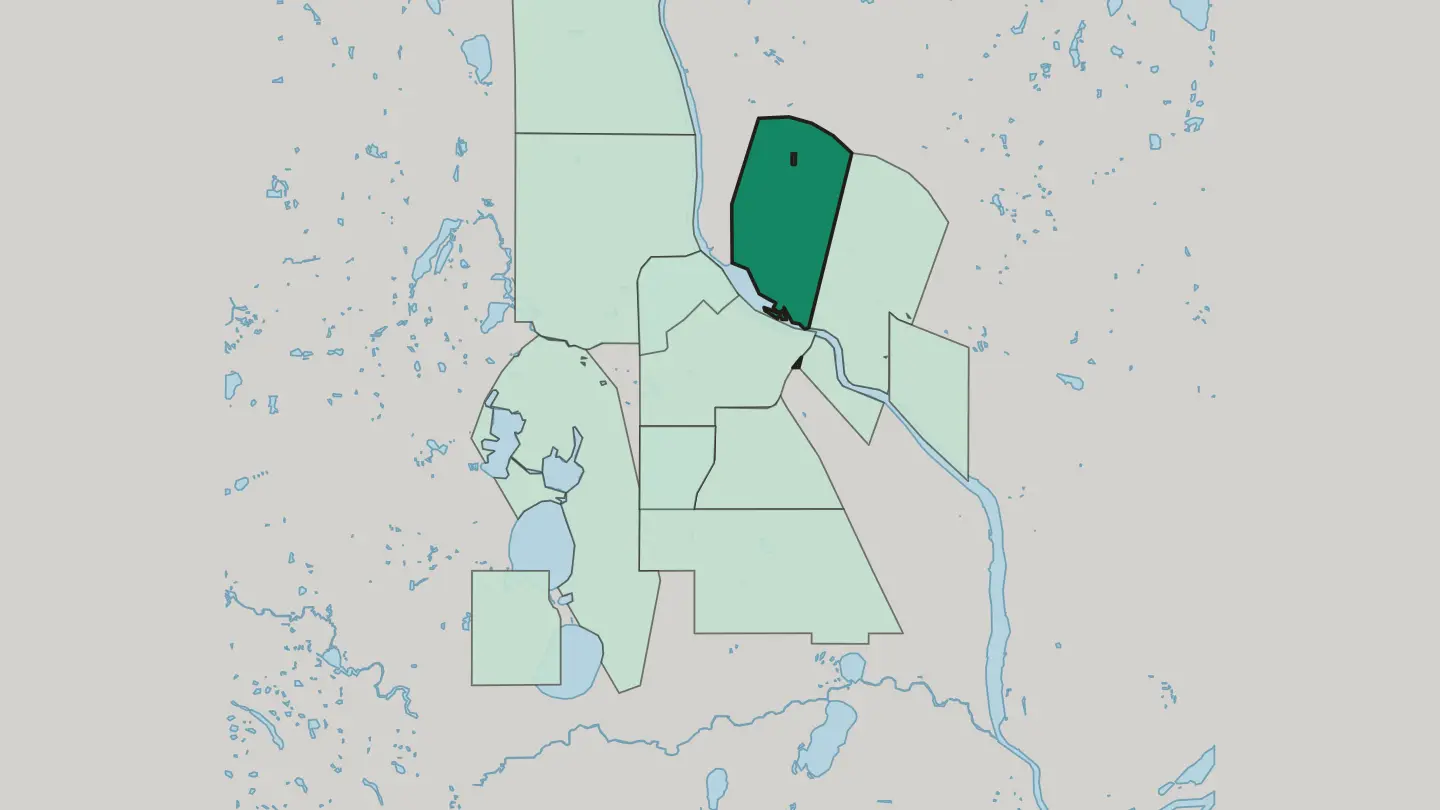
 MinneapolisUnited States
Near North
Near North is a Minneapolis neighbourhood shaped by Black community history, its museums, and old worker houses.Near North →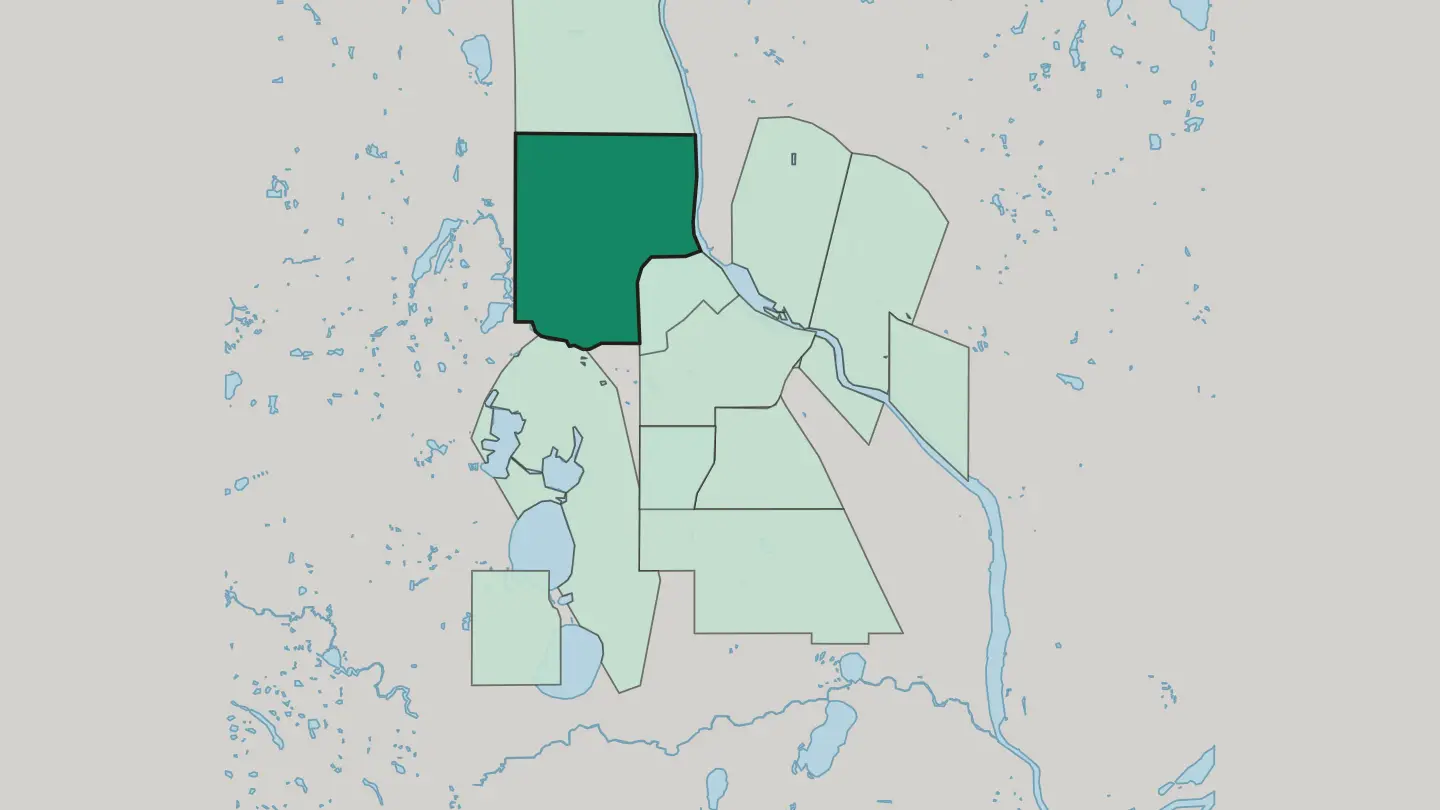
 MinneapolisUnited States
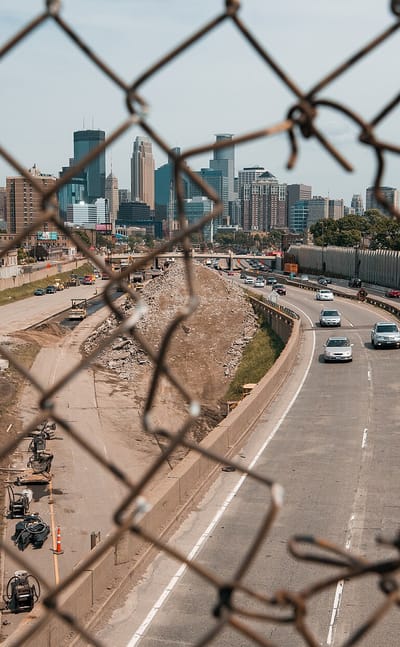
Dinkytown
Dinkytown is a small commercial district on the north edge of the University of Minnesota, in Minneapolis.Dinkytown →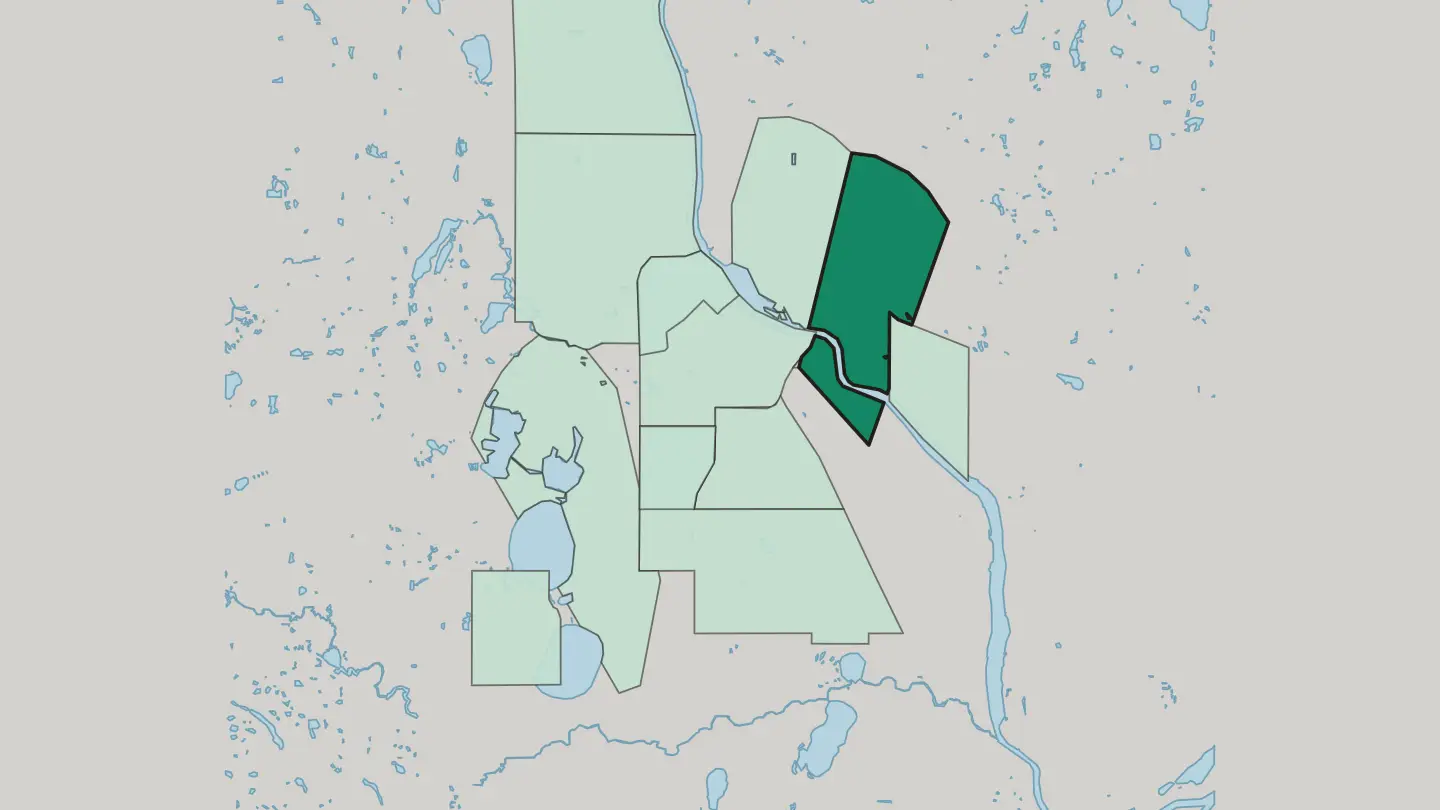
 MinneapolisUnited States
Phillips
Phillips is a south-side neighbourhood of Minneapolis, laid out in a grid between Franklin Avenue and Lake Street.Phillips →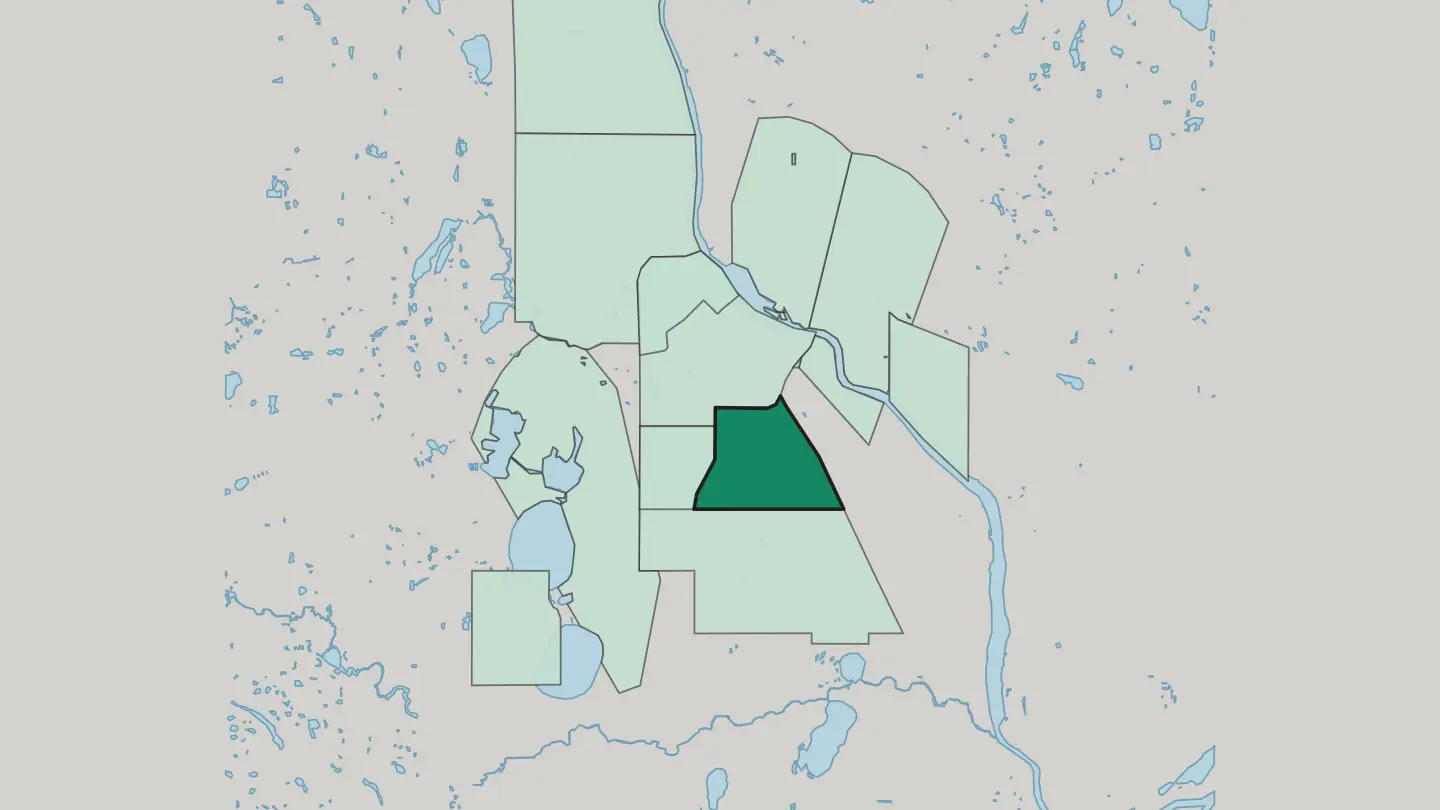
 MinneapolisUnited States
Whittier
Whittier is a cultural district of Minneapolis, home ground of the Minneapolis Institute of Art and the American Swedish Institute.Whittier →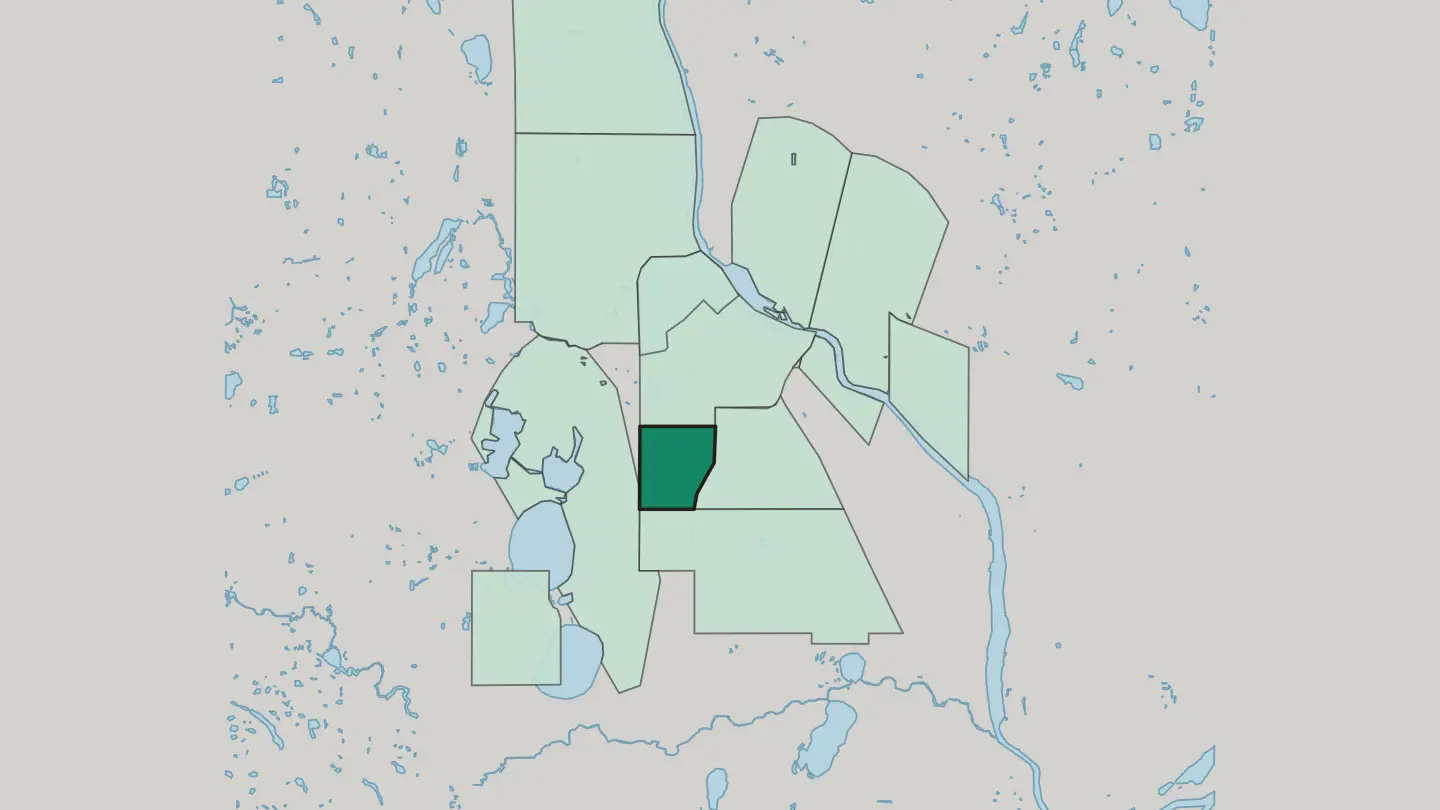 MinneapolisUnited States
Uptown
Uptown is a lively commercial district of Minneapolis, set among lakes, streetcar-era blocks, and old brick storefronts.Uptown →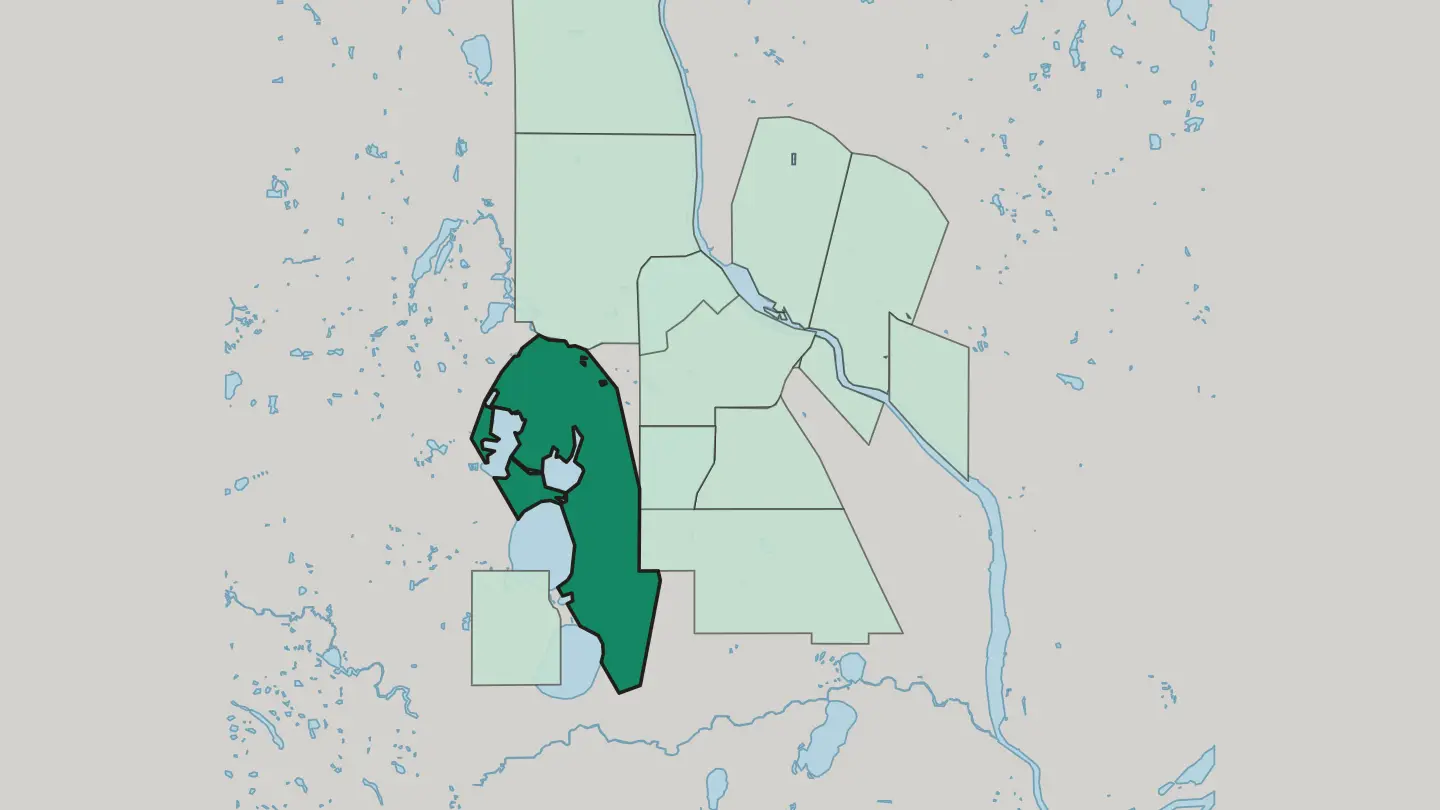
 MinneapolisUnited States
Prospect Park
Prospect Park is a hillside district of Minneapolis, set near the Weisman Art Museum.Prospect Park →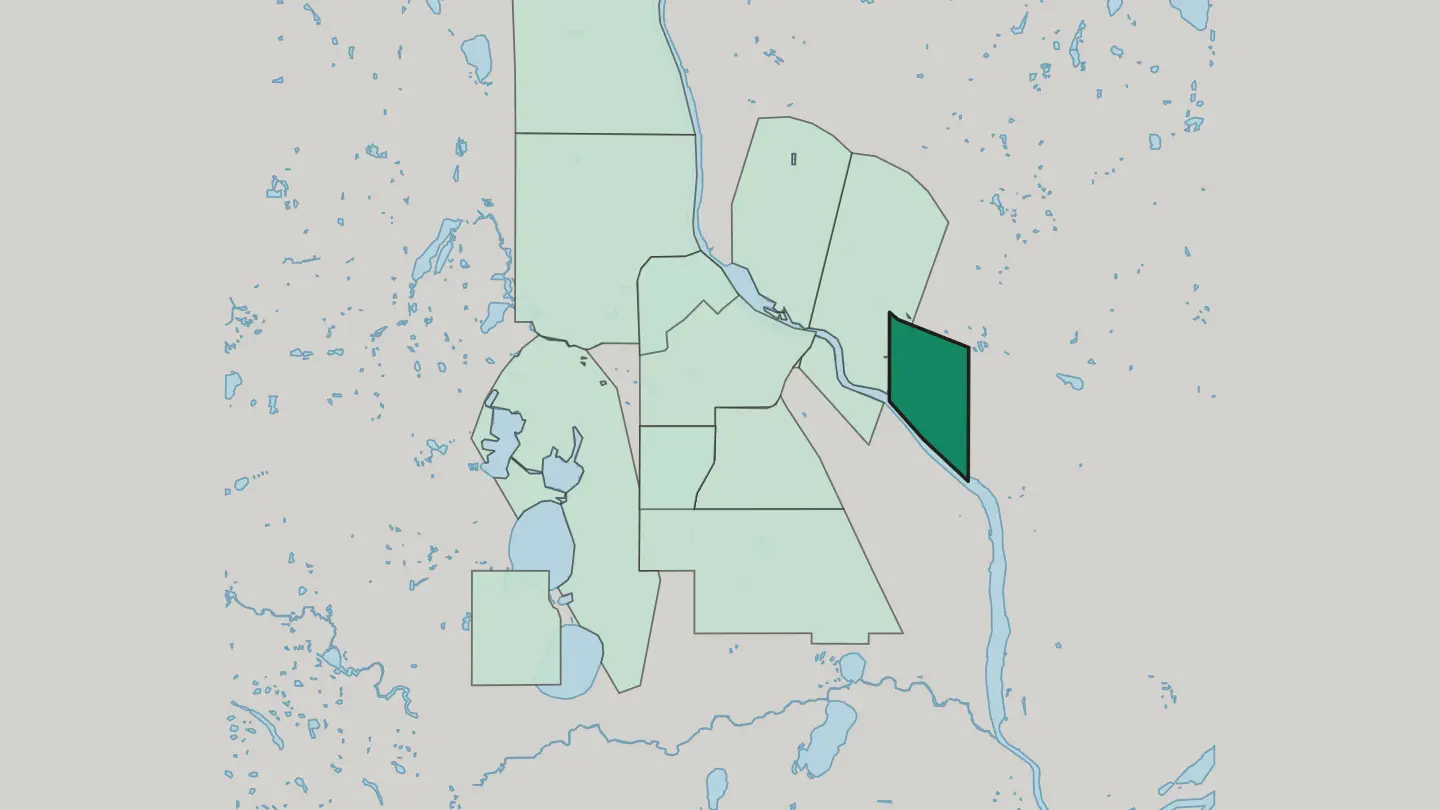 MinneapolisUnited States
Powderhorn
Powderhorn is a south-side neighbourhood of Minneapolis, home to the American Swedish Institute and George Floyd memorial site.Powderhorn →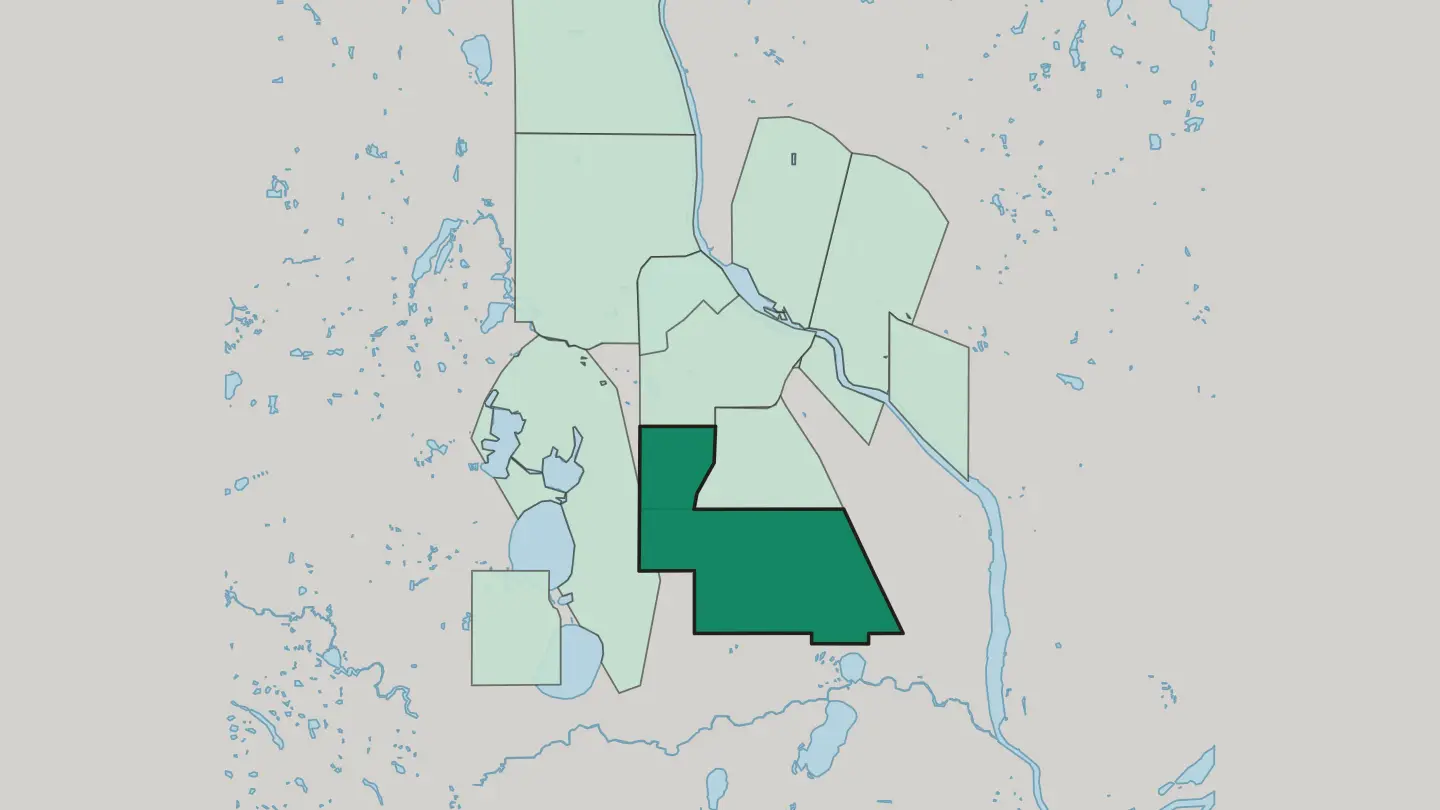 MinneapolisUnited States
Camden
Camden anchors the far north of Minneapolis, a residential grid of communities set apart from the downtown core.Camden → MinneapolisUnited States
Linden Hills
Linden Hills is a lakeside neighbourhood in south-west Minneapolis, known for its streetcar heritage and small commercial node.Linden Hills →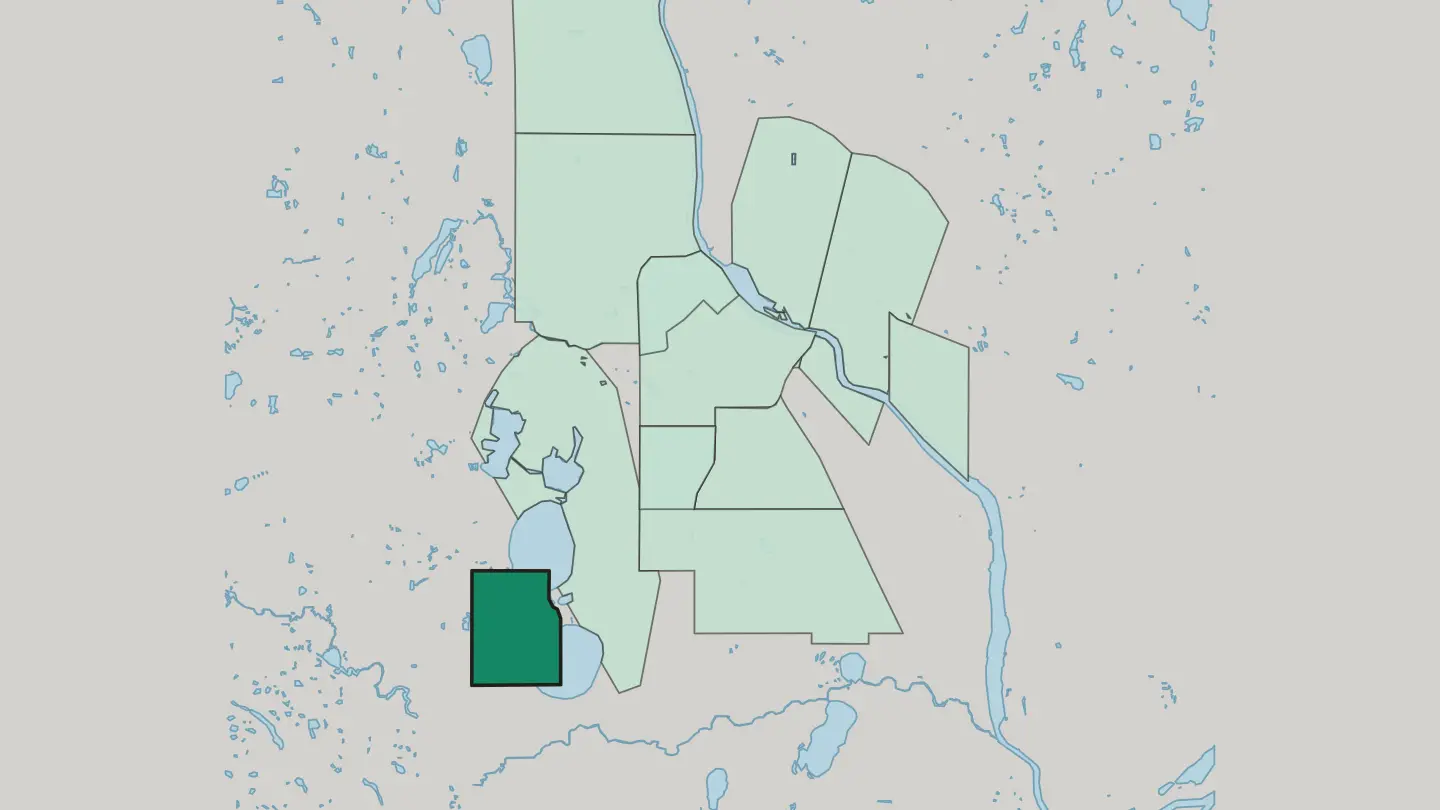
Hotel links are affiliate links: booking through them may earn us a commission, at no extra cost to you. It never affects how places are ranked. How this works
Things to do in Minneapolis
Ranked by global recognition; descriptions from Wikidata (CC0).
Museums & Galleries
3- Mill City Museum Heritage
- American Swedish Institute Heritage
- Walker Art Center
Churches & Religious Sites
8- Christ Church Lutheran Heritage
- Westminster Presbyterian Church (Minneapolis) Heritage
- Minneapolis Scottish Rite Temple Heritage
- Gethsemane Episcopal Church Heritage
- First Church of Christ, Scientist Heritage
Show 3 more →
- Church of Saint Stephen Heritage
- First Congregational Church Heritage
- Church of the Incarnation Heritage
Stadiums & Sports
2- 3M Arena at Mariucci
- Siebert Field
Landmarks & Notable Places
8- Floyd B. Olson House Heritage
- Theodore Wirth House-Administration Building Heritage
- Amos B. Coe House Heritage
- Harry F. Legg House Heritage
- Lawrence A. and Mary Fournier House Heritage
Show 3 more →
- Elisha and Lizzie Morse Jr. House Heritage
- Horatio P. Van Cleve House Heritage
- Lena O. Smith House Heritage
worth knowingacross 4 categories in Minneapolis
About Minneapolis
What is Minneapolis known for?
Minneapolis is known as the largest city in Minnesota and one half of the Twin Cities, paired across the water with Saint Paul. The Walker Art Center and the Minneapolis Sculpture Garden pull in art crowds. The lakes and the Mississippi give Minneapolis its shape.
A chain of thirteen lakes lies inside the street grid, linked by the Grand Rounds National Scenic Byway, while the Mississippi River splits the city on its run south. Mills once ground grain here. The name City of Lakes fits.
What are the main landmarks in Minneapolis?
Minneapolis fills the riverfront and the city grid with museums and old churches. The Minneapolis Institute of Art holds the largest collection, while the Walker Art Center and the Minneapolis Sculpture Garden pair a gallery with open-air work. Mill City Museum tells the flour-milling story on the river.
Smaller halls add depth. The Weisman Art Museum sits on the university side, the American Swedish Institute fills a south-side mansion, and the Hennepin History Museum keeps the county's record.
What is the history of Minneapolis?
Minneapolis grew up around the falls of the Mississippi River, where waterpower turned the first mills. The settlement took its shape from 1850 onward, as sawmills and then flour mills crowded the riverbanks. Grain came in from the plains.
The mills ground it into flour and shipped it out by rail and water, and the milling trade made the young city on the river. Water built this place. Mill City Museum stands in the shell of one great mill.
Across the water, Saint Paul grew as the state capital, and the two settlements spread toward each other until they formed the Twin Cities. Minneapolis became the seat of Hennepin County and the largest city in Minnesota. Rail lines tied it to the plains.
Immigrants poured in. Swedes and other newcomers built churches and halls, among them the American Swedish Institute, and gave the north side and south side their character. The flour mills eventually fell quiet.
What the river had powered, the city outgrew, turning old mill districts into museums, lofts, and parkland along the Grand Rounds National Scenic Byway.
Where is Minneapolis?
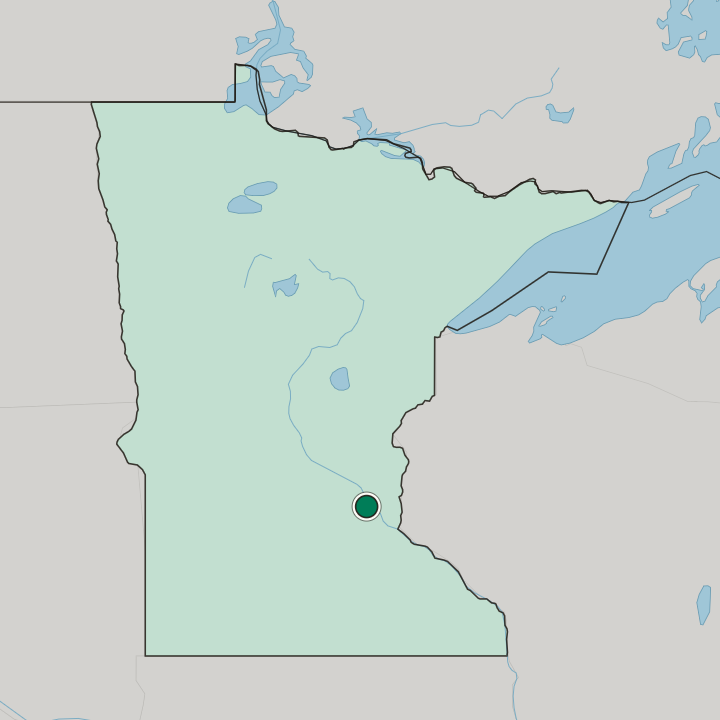
Minneapolis sits near the eastern border of Minnesota, on both banks of the Upper Mississippi River. The land is flat and threaded with water. An artesian aquifer lies below.
Lakes, creeks, and wetlands break up the street grid, and the Mississippi River runs through on its way south past Saint Paul. You are never far from a lake, creek, or the river here. Saint Paul adjoins it to the east, the two cities sharing one continuous urban sprawl.
What is the climate of Minneapolis?
Minneapolis has a sharp continental climate, shaped by its inland setting far from any sea. Winters run long and snowy, and the lakes and the Mississippi River freeze hard. Summers swing the other way.
They turn hot and humid, drawing crowds back out to the water and the parks along the Grand Rounds National Scenic Byway. Between those two extremes, spring and autumn are brief.
How do you get to Minneapolis?
Minneapolis is easy to reach as one anchor of the Twin Cities. The international airport that serves the metro sits between Minneapolis and Saint Paul, handling flights from across the country and beyond. Highways fan out from the city.
Interstate routes and rail lines cross the region, tracing the Mississippi River corridor and tying Minneapolis to Saint Paul and the plains beyond. Most visitors arrive by air or road.
Good for
More cities in Minnesota
Updated October 2026