United States
Minnesota, United States — Towns & Travel Guide
Minnesota is an Upper Midwest state of the United States, the Land of 10,000 Lakes, with the Twin Cities of Minneapolis and Saint Paul at its heart.
Hotel links are affiliate links: booking through them may earn us a commission, at no extra cost to you. It never affects how places are ranked. How this works


Towns & cities in Minnesota
Pick a town or city — each links to where to stay.
 United States
Minneapolis
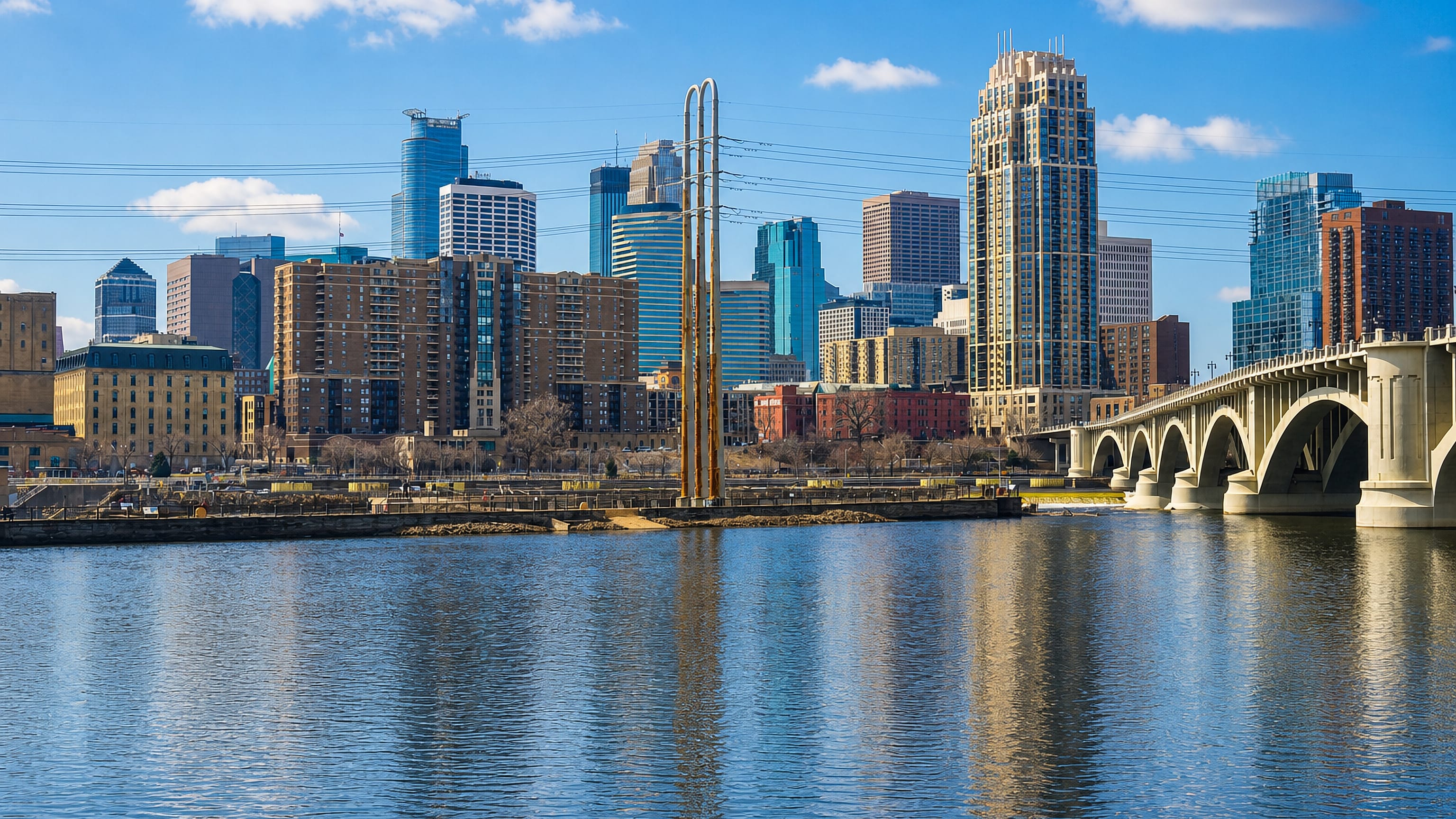
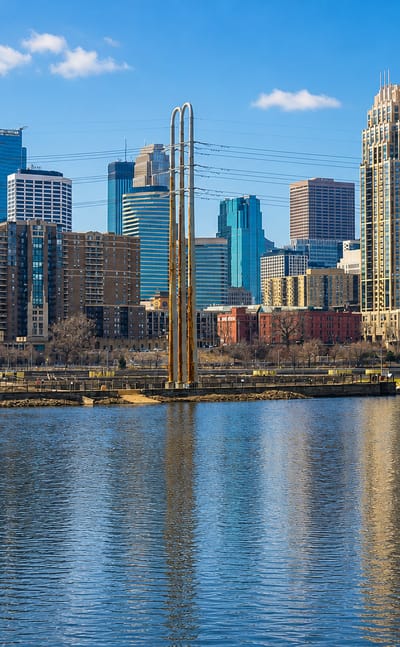
Minneapolis spreads over both banks of the Mississippi River, the largest city in Minnesota, known for its thirteen lakes and the Walker Art Center.Where to stay →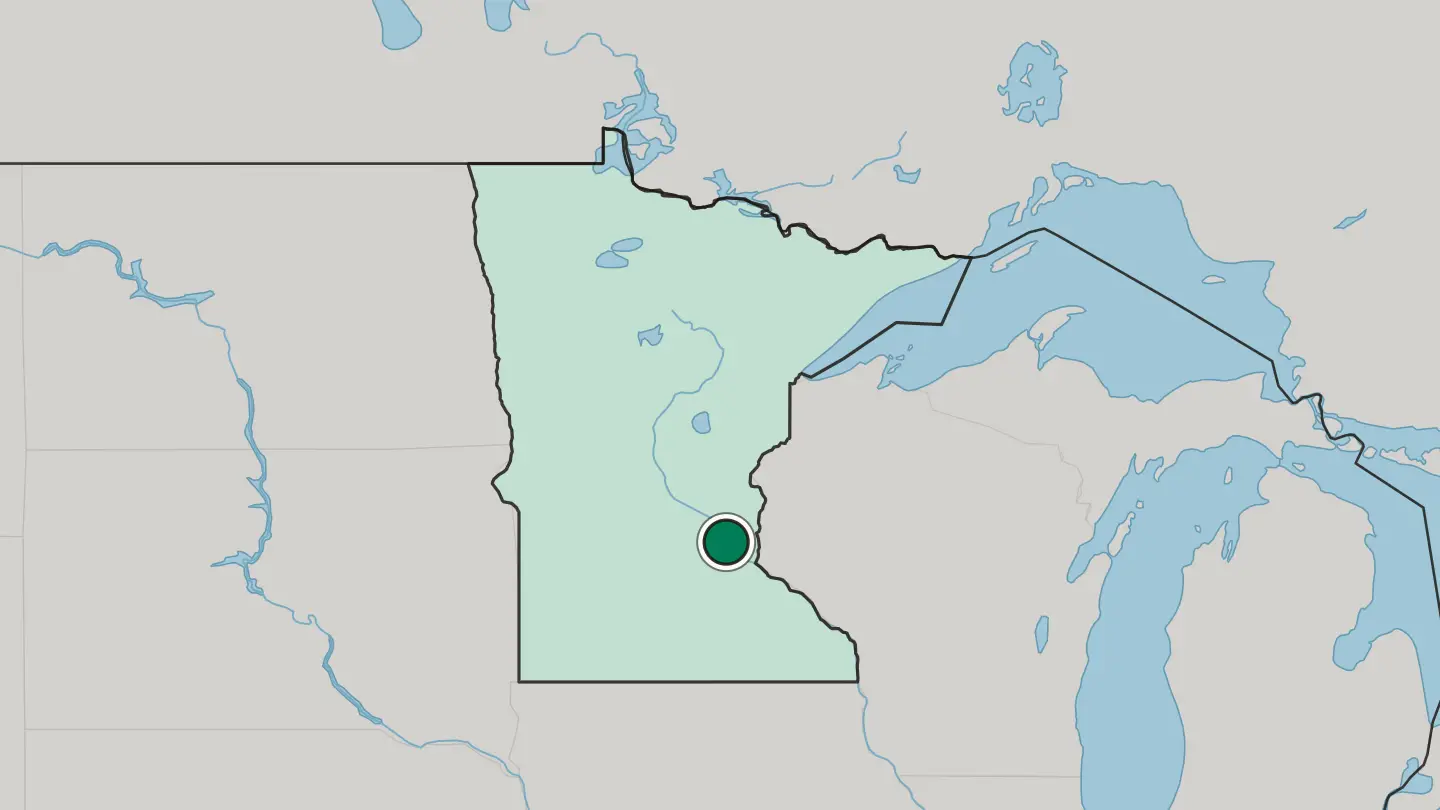
 United States
Saint Paul
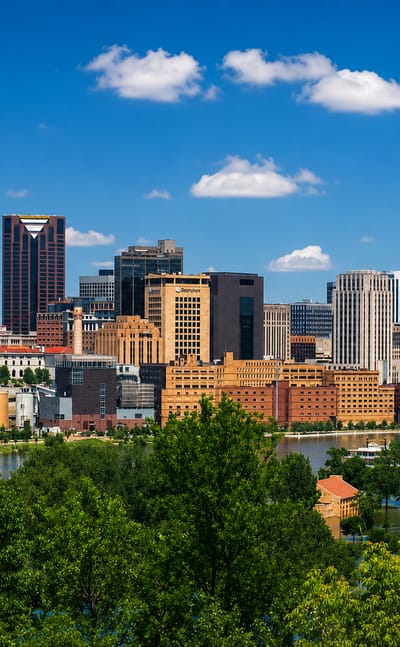
Saint Paul is the capital of Minnesota, United States, founded in 1854 and known for the Minnesota State Capitol and the Cathedral of Saint Paul.Where to stay →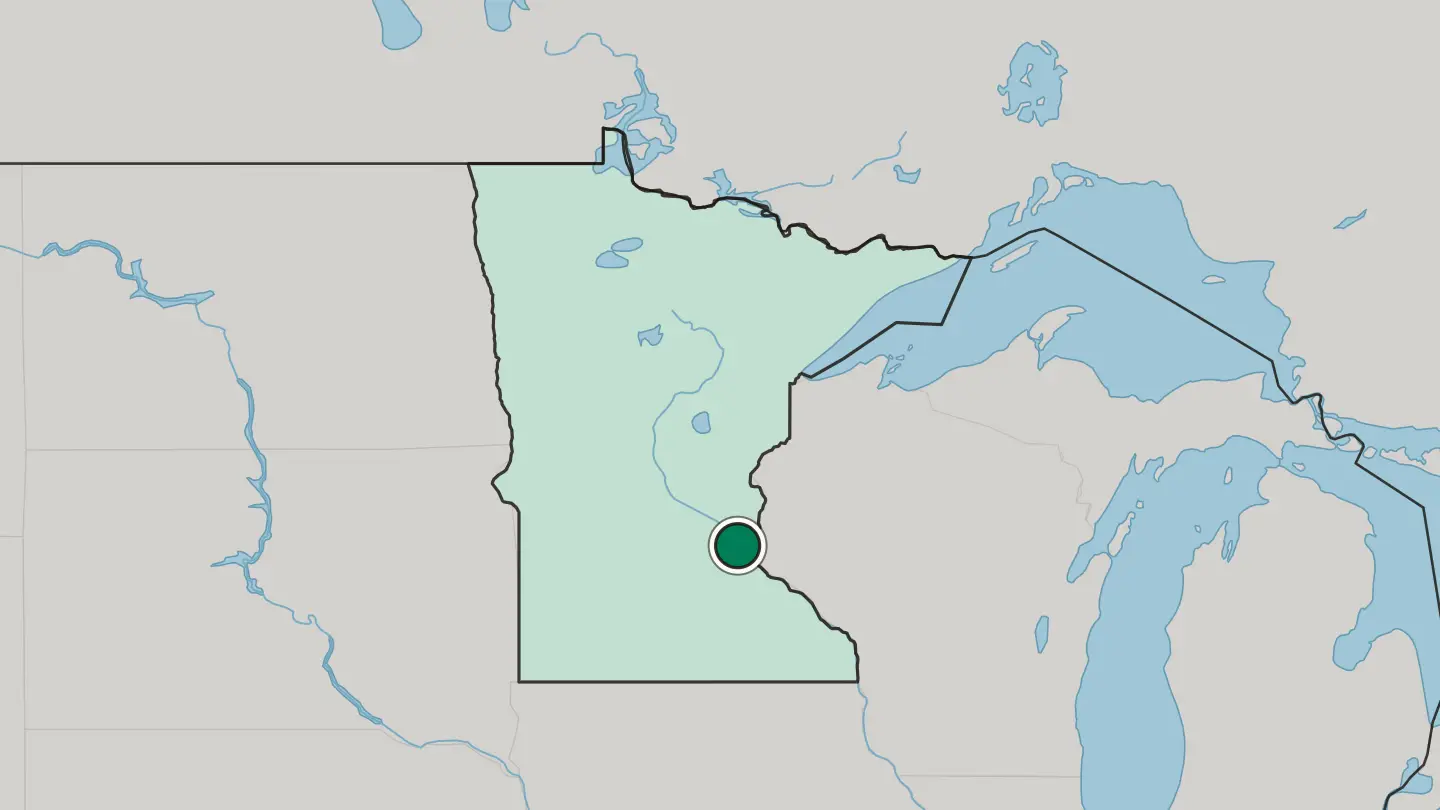
 United States
Rochester
Rochester is the county seat of Olmsted County in Minnesota, a city on the south fork of the Zumbro River and the birthplace of the Mayo Clinic.Where to stay →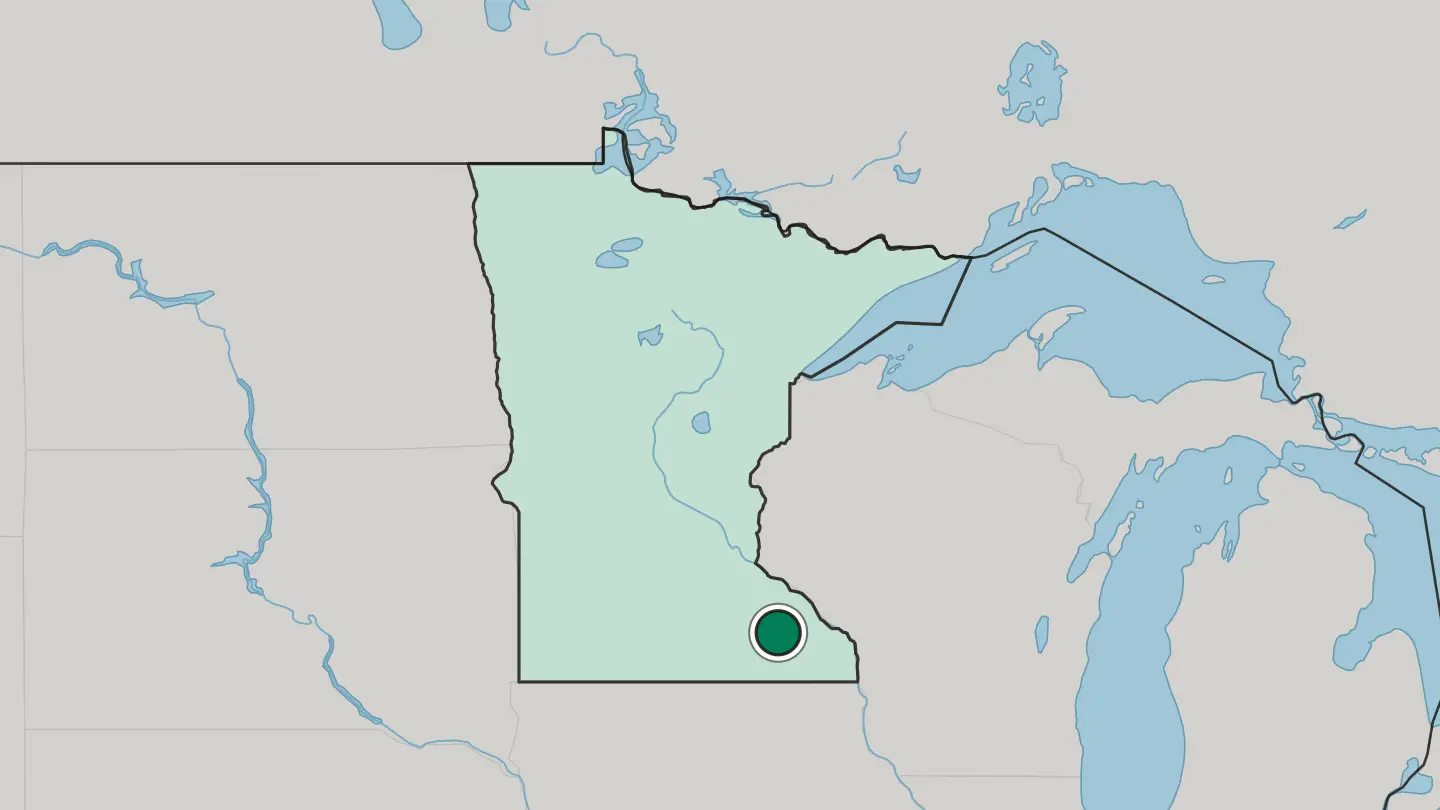
 United States
Bloomington
Bloomington holds the Mall of America above the Minnesota River, the largest suburb of the Twin Cities and Minnesota's fourth-largest city.Where to stay →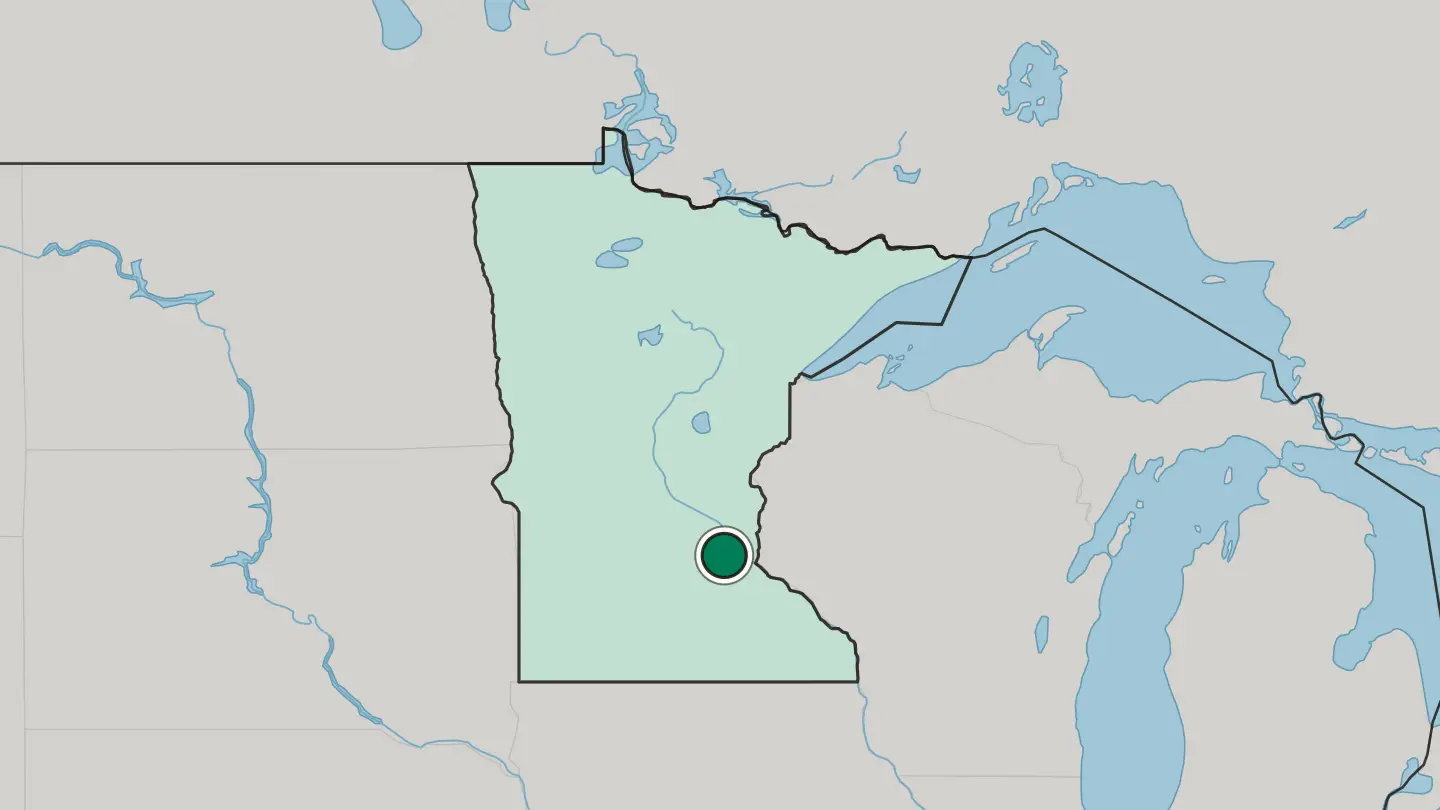
 United States
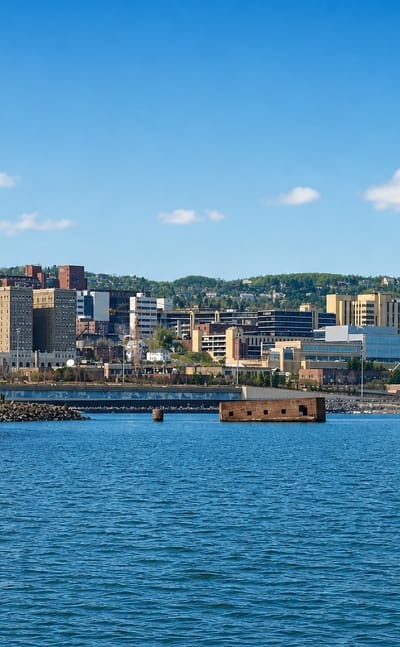
Duluth
Freighters ride the cold swell into Duluth, a port city on Lake Superior in Minnesota, known for the Aerial Lift Bridge and its steep harbour hills.Where to stay →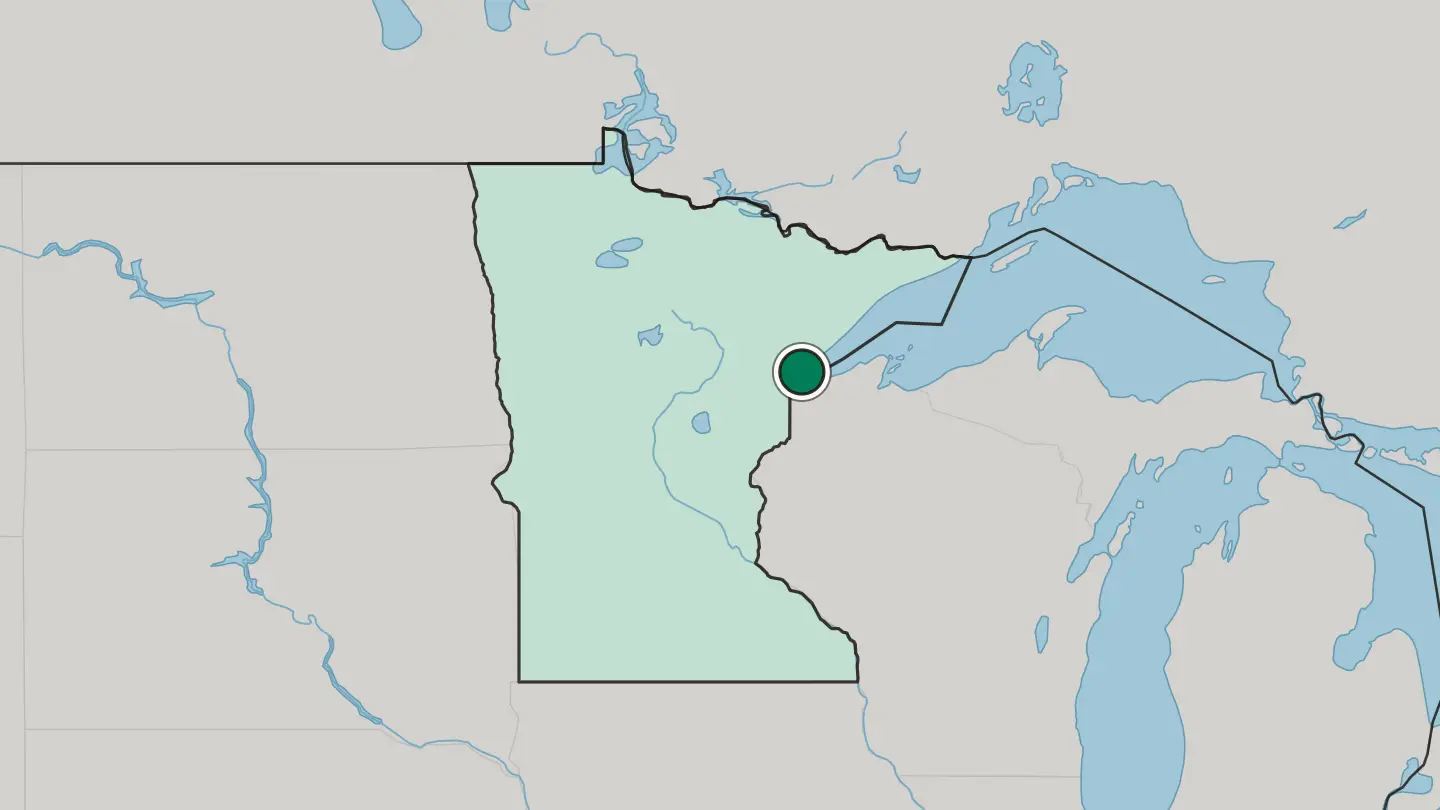
 United States
Saint Cloud
Saint Cloud stands on the Mississippi River in Stearns County, Minnesota, a college and medical city founded in 1856 and named after a Paris suburb.Where to stay →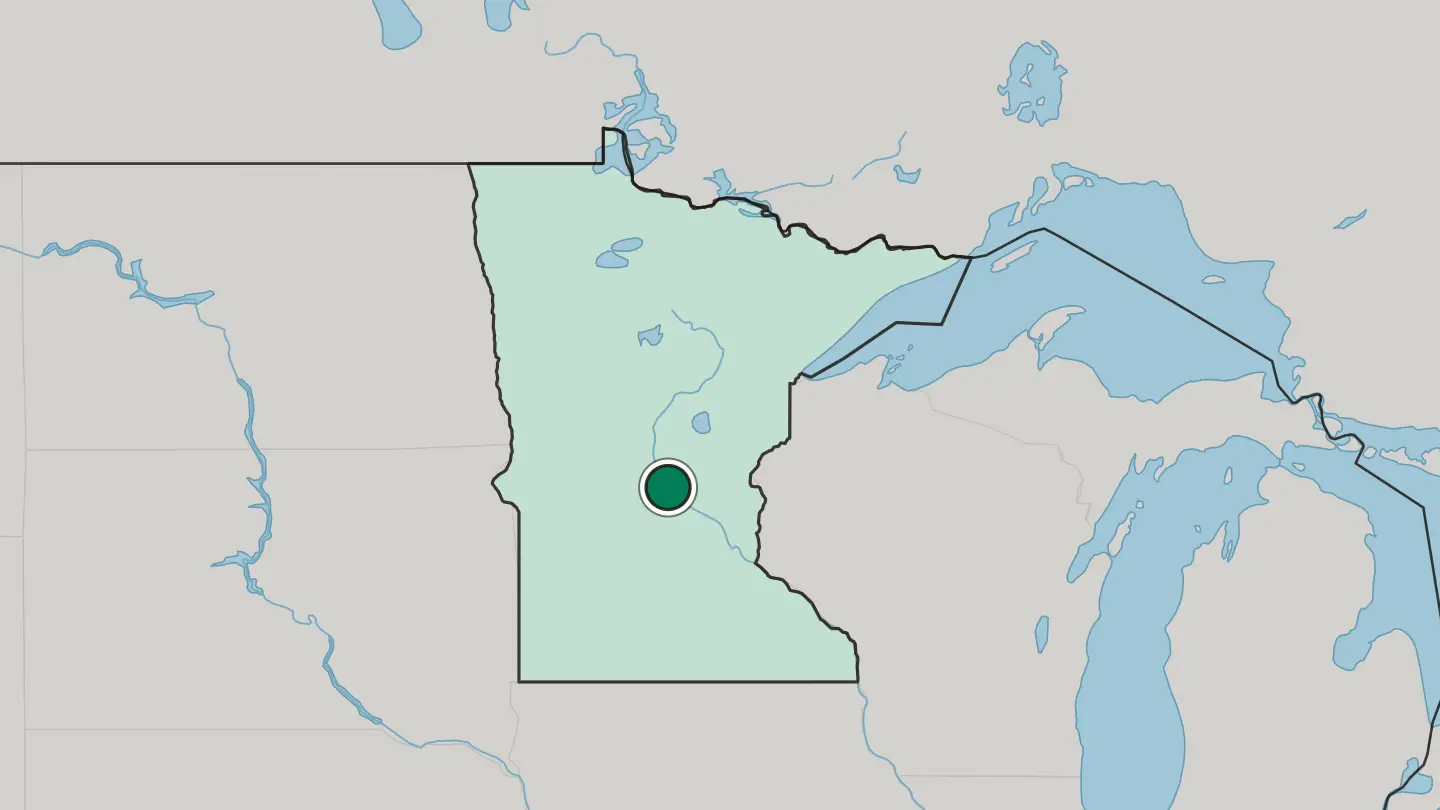
 United States
Eden Prairie
Eden Prairie is a city of Hennepin County, Minnesota, along the north bank of the Minnesota River within the Twin Cities, and dates from 1858.Where to stay →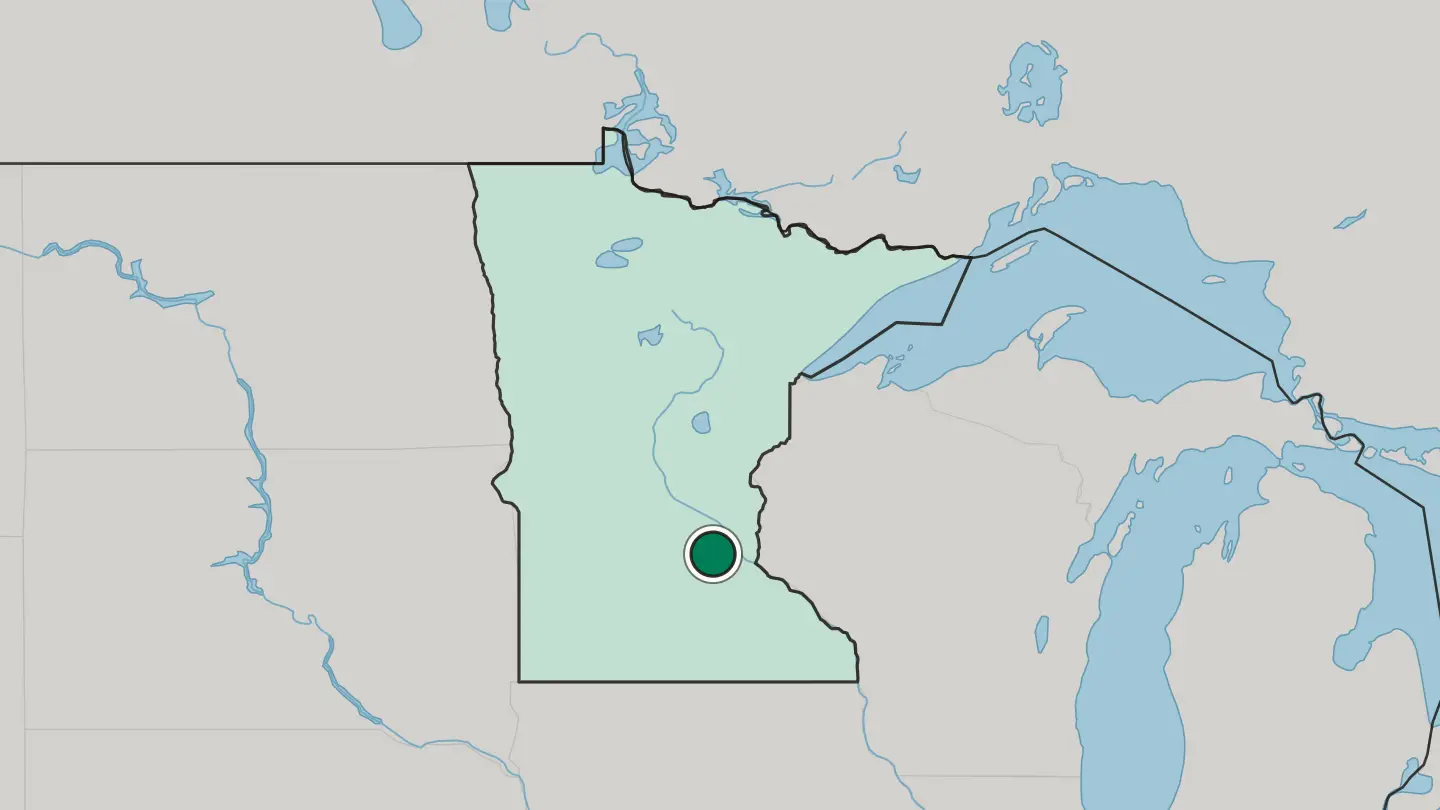
 United States
Burnsville
Burnsville is a Dakota County city on a bluff above the south bank of the Minnesota River, south of Minneapolis, with roots reaching back to 1855.Where to stay →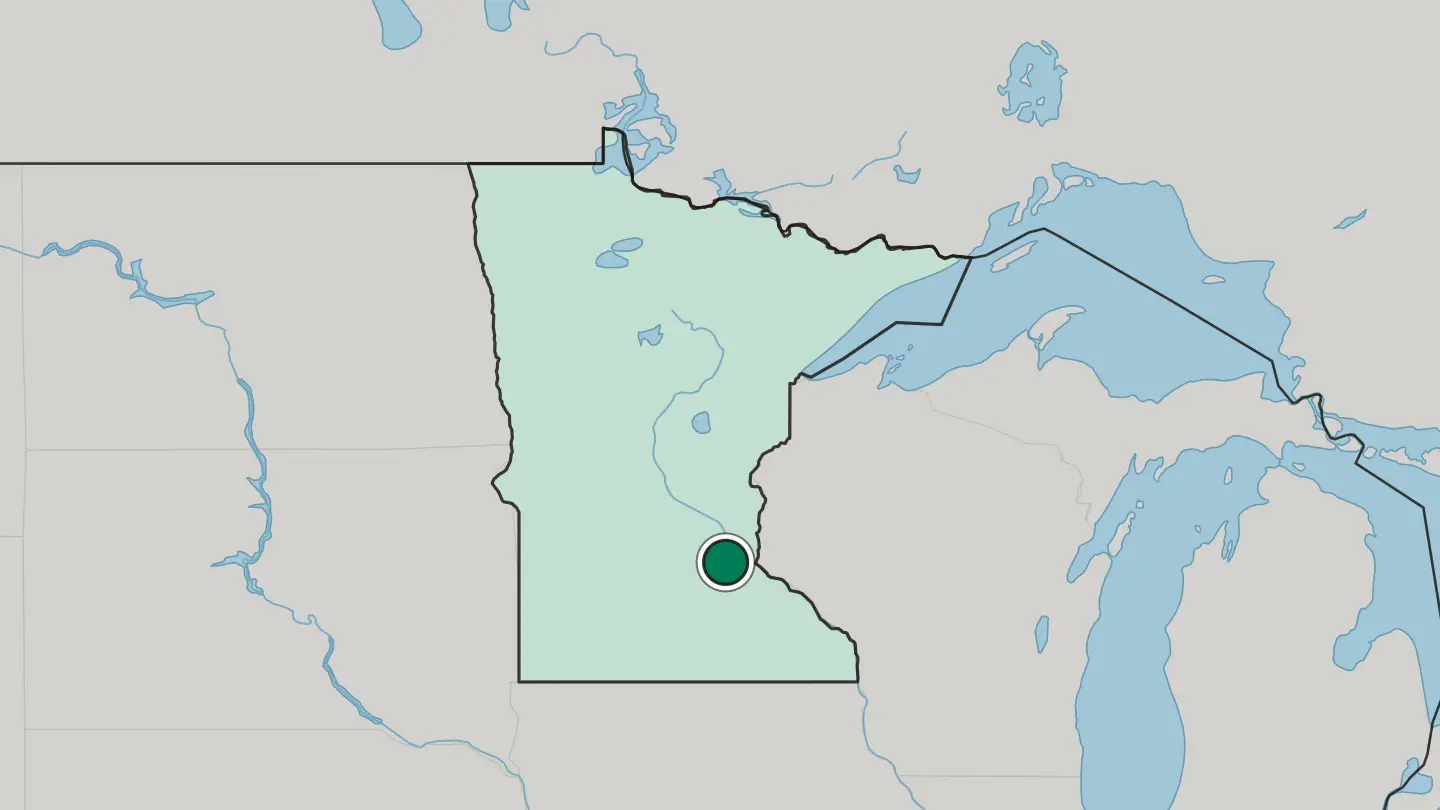
All towns & cities (10)
 United States
Minnetonka
Lakes, forests and wetlands mark out Minnetonka, a western suburb of the Twin Cities in Hennepin County, Minnesota, settled from 1852.Where to stay →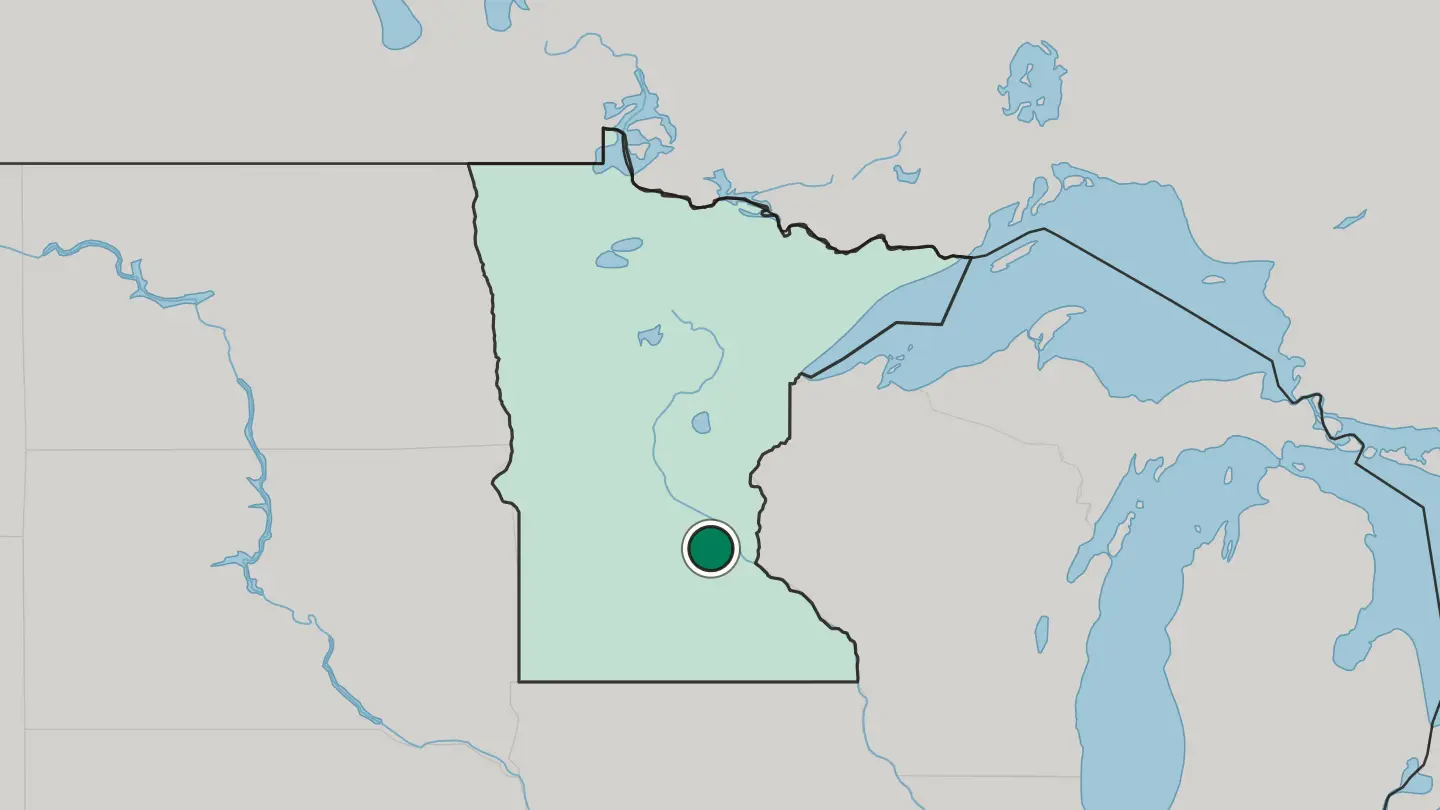
 United States
Edina
Edina is a first-ring suburb of Minneapolis in Hennepin County, Minnesota, dating from 1888 and best known for the Country Club District.Where to stay →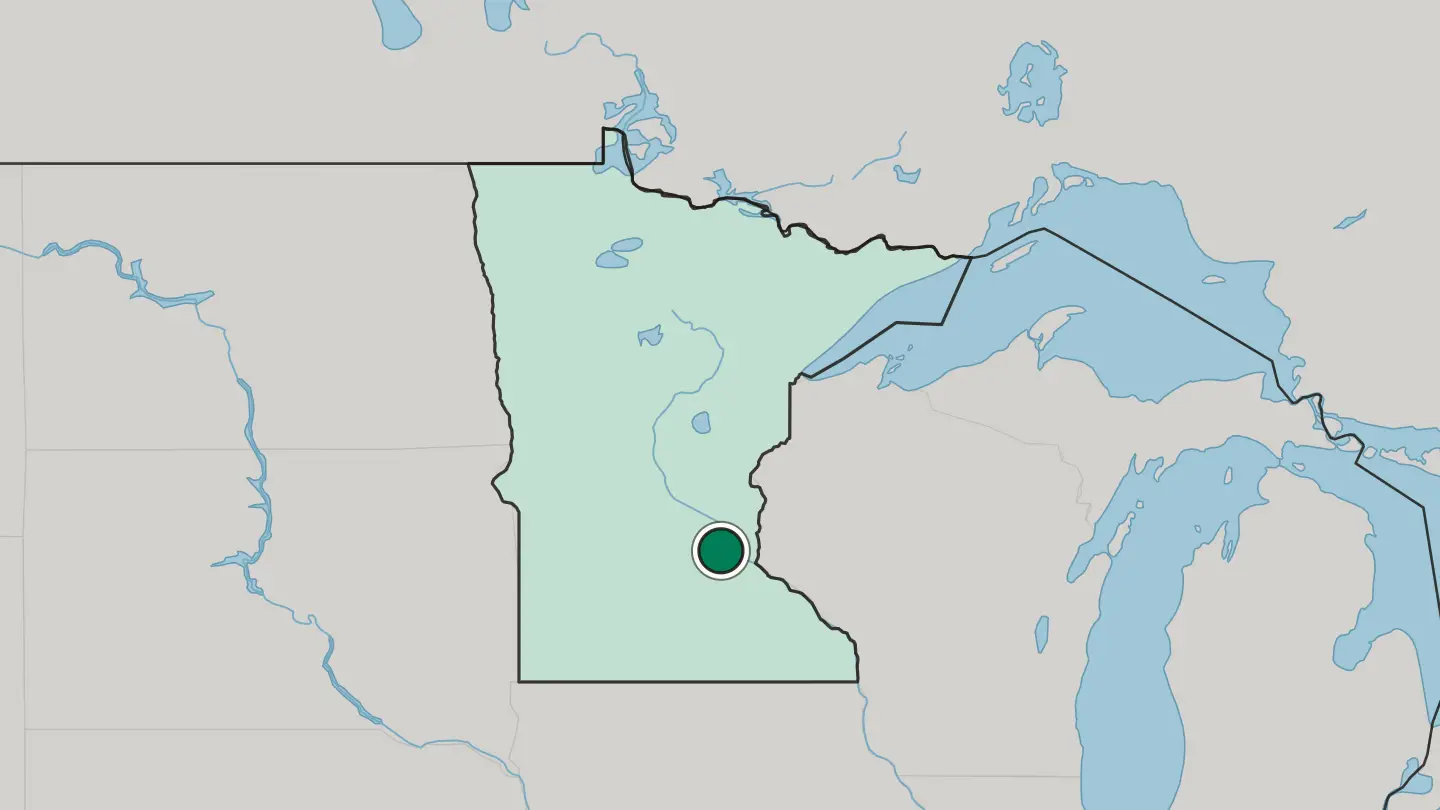
Hotel links are affiliate links: booking through them may earn us a commission, at no extra cost to you. It never affects how places are ranked. How this works
About Minnesota
What is Minnesota known for?
Minnesota is known as the Land of 10,000 Lakes, an Upper Midwest state of the United States where water and forest run to the horizon. Lakes are everywhere. The Twin Cities of Minneapolis and Saint Paul hold most of its life, while Duluth stands on the northern water and Rochester and Mankato spread across the prairie and farmland to the south.
Forests cover the north.
Where is Minnesota?
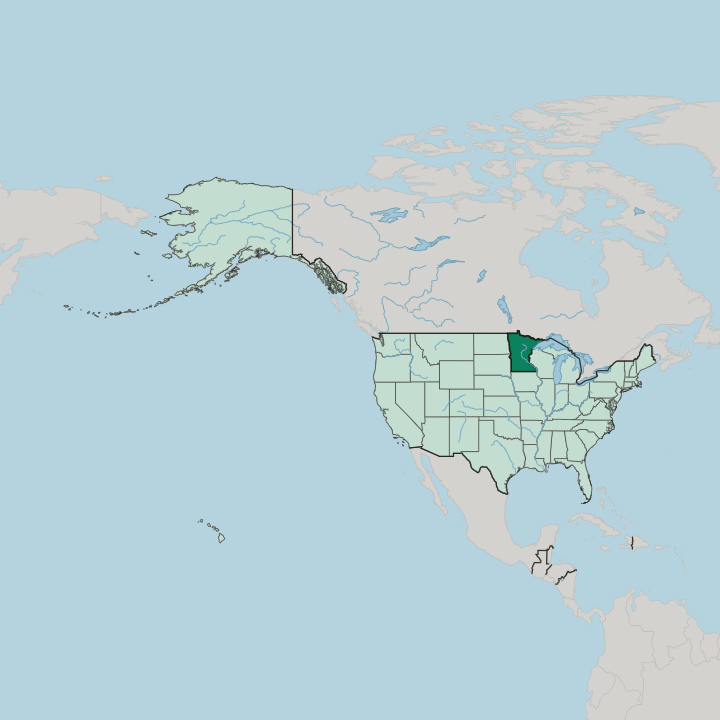
Minnesota lies in the Upper Midwest, a broad state of the United States known as the Land of 10,000 Lakes. Water lies all across it. Glacier-carved lakes, rivers, and wetlands spread over much of the ground, while roughly a third of the state stands under forest and the rest runs to prairie and farmland.
Canada lies to the north. Manitoba and Ontario border it there, with North Dakota and South Dakota to the west, Iowa to the south, and Wisconsin along the east. Michigan touches the northeast corner. There the state meets a water boundary, and the deep cold lakes of the north give way southward to the prairie and farmland where Rochester and Mankato lie.
The Twin Cities sit at the middle. Duluth stands on the far northern water. From the forests and 10,000 lakes of the north to the farmland of the south, Minnesota spreads across the northern edge of the United States between Canada and the plains to the west.
Minneapolis and Saint Paul divide the centre between them, the twin hub where most of the state gathers along the river country.
What is Minnesota like?
Minnesota takes its character from water and cold, a northern state of the United States shaped by its 10,000 lakes and long winters. The lakes run through its life. Summer draws people out to the water and the forests of the north, to fishing and cabins along the Land of 10,000 Lakes, while the deep winters turn life indoors across the Twin Cities and the prairie towns.
The cities hold the culture. Minneapolis and Saint Paul, the Twin Cities, gather the political and cultural life of the state, while Duluth keeps the character of a northern lake port. Farmland fills the south.
Out on the prairie and farmland, Rochester and Mankato mark a quieter, more rural Minnesota than the forests and lake country of the north. Water ties it together. The seasons run to extremes.
From the forests and lakes of the north around Duluth to the farmland of the south around Rochester, the culture of Minnesota keeps returning to the water of its 10,000 lakes and the long grip of its winters. The Twin Cities anchor the whole of it.
What is the history of Minnesota?
Minnesota joined the United States in 1858, taking its place among the northern states of the country. Water shaped the settlement. Growth followed the rivers and the 10,000 lakes inland as the Twin Cities of Minneapolis and Saint Paul rose at the meeting of the waters, while farming spread south across the prairie and farmland toward Rochester.
That statehood year still holds.
What is the climate of Minnesota?
Minnesota lies in a temperate but sharply seasonal band of the United States, where the northern lakes and forests feel the full swing of the year. Winters bite hard and long. Deep cold and heavy snow grip the north around Duluth for months, while the short summers turn warm across the Twin Cities and the prairie and farmland of the south.
The lakes freeze over.
How do you get to Minnesota?
Minnesota is reached mainly through the Twin Cities of Minneapolis and Saint Paul, the transport hub at its centre. Routes fan out from there. From the Twin Cities, roads run north toward Duluth and the Canadian border with Manitoba and Ontario, west across the prairie toward North Dakota and South Dakota, and south through the farmland toward Iowa and Rochester.
Water lies all around.
Good for
More regions in United States
Updated September 2026