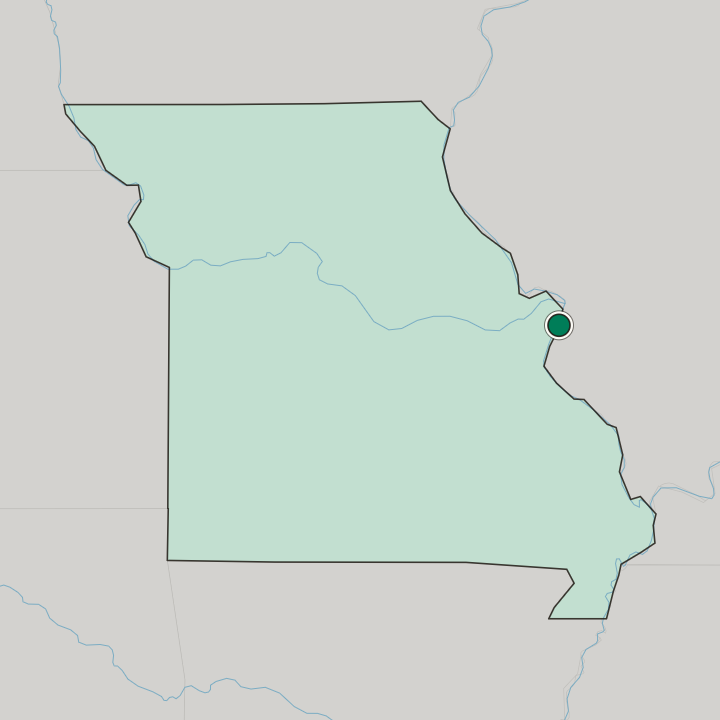
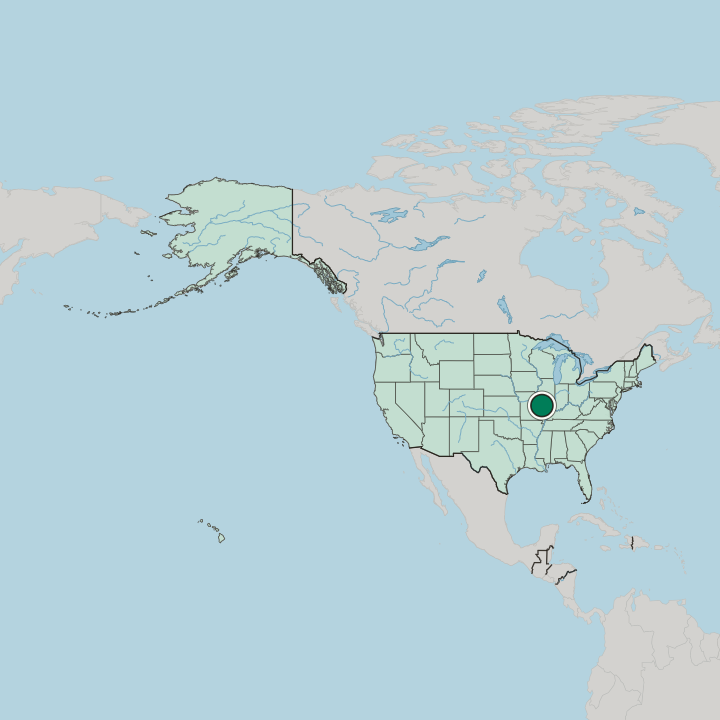
United States · Missouri · St. Louis
Hi-Pointe, St. Louis — Area Guide & Where to Stay
Hi-Pointe climbs to one of the highest points in the city, a residential quarter in the Dogtown section of St. Louis, known for the Hi-Pointe Theatre.
Hotel links are affiliate links: booking through them may earn us a commission, at no extra cost to you. It never affects how places are ranked. How this works



Where to stay in Hi-Pointe
Where visitors usually base themselves, and why.
Hi-Pointe is a residential district at the western edge of the city, and rooms inside it are scarce. Most visitors book across the line in Richmond Heights or north along the Forest Park edge, then walk back down McCausland Avenue for an evening at the Hi-Pointe Theatre. The quiet blocks between Dale Avenue and Clayton Avenue suit you if you want a doorstep on Forest Park rather than a downtown address. Franz Park lies immediately south.
Find hotels in Hi-Pointe
Direct booking searches for these neighbourhoods.
Hi-Pointe blocks
The residential core between Dale Avenue and Clayton Avenue, a street grid of houses with very few rooms to let. Rooms are few around here — worth securing early.Find hotels in Hi-Pointe blockstravellers who want a room close to the neighbourhoodRichmond Heights
The municipality over the western city limits, a short run from McCausland Avenue and the Hi-Pointe Theatre.Find hotels in Richmond Heightsslow museum mornings in Forest ParkForest Park edge
The northern boundary along Clayton Avenue and Oakland Avenue, a short way from the Saint Louis Art Museum.Find hotels in Forest Park edgeHotel links are affiliate links: booking through them may earn us a commission, at no extra cost to you. It never affects how places are ranked. How this works
Things to do in and around St. Louis
Ranked by global recognition; descriptions from Wikidata (CC0).
Museums & Galleries
3- Saint Louis Art Museum
- Mildred Lane Kemper Art Museum
- Missouri History Museum
Landmarks & Notable Places
2- Charles S. and Mary Warder Rannells House Heritage
- McGarry House Heritage
worth knowingacross 2 categories in and around St. Louis
About Hi-Pointe
What are the main landmarks in Hi-Pointe?
Hi-Pointe gathers its landmarks along McCausland Avenue and Clayton Avenue. The Hi-Pointe Theatre, a single-screen house opened in 1922, is the oldest continuously operating movie theatre in St. Louis. Dewey School, a Rockwell M. Milligan design from 1917, faces Clayton Avenue on the northern boundary.
Above the junction of Skinker Boulevard and Clayton Road rises the largest Amoco sign in the world, visible from Interstate 64. Forest Park opens beyond it. The Saint Louis Art Museum belongs to that park, as does the Missouri History Museum, and neither stands inside Hi-Pointe.
What is the history of Hi-Pointe?
Hi-Pointe was once counted part of Cheltenham, the clay tract on the western rim of the city, where fire-brick and tile works stood beside a tourist hotel and health spa. Clay came before houses. Farming, a goat farm, and a small airport landing field each held the ground in turn, and building filled in after the world's fair of 1904 opened in Forest Park just to the north.
James McCausland opened a tract along the western line in 1859, and McCausland Avenue still carries his name. The Hi-Pointe Theatre followed in 1922.
Where is Hi-Pointe?
Hi-Pointe runs from Clayton Avenue south to Dale Avenue, held between Louisville Avenue and the city limits at Richmond Heights. Forest Park lies over the north line.
Common questions
What is the best area to stay in Hi-Pointe?
Hi-Pointe blocks: a quiet street within reach of Forest Park. Richmond Heights: travellers who want a room close to the neighbourhood. Forest Park edge: slow museum mornings in Forest Park.
Good for
More areas in St. Louis
Updated October 2026