United States · New Mexico
Where to Stay in Albuquerque, New Mexico
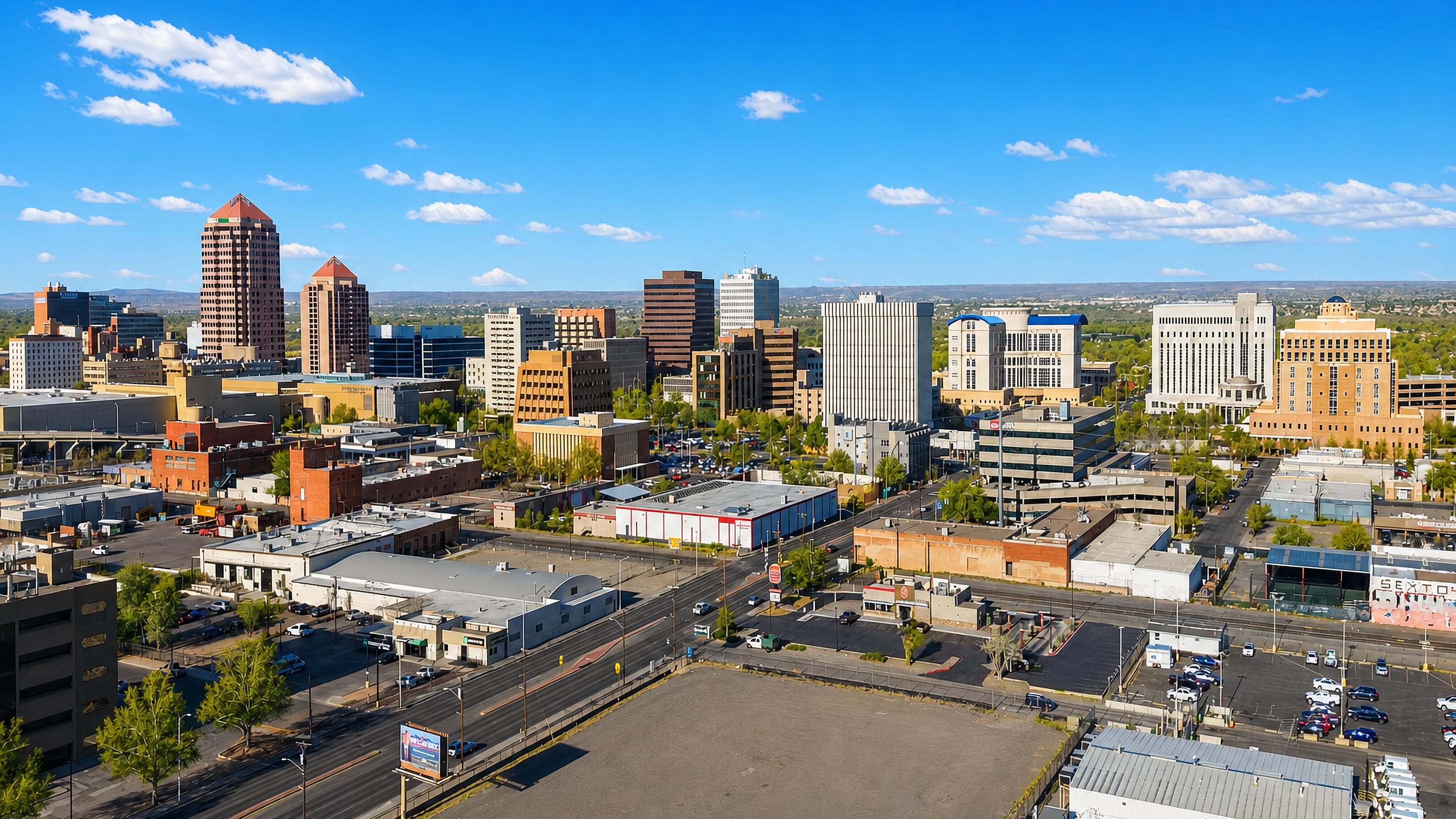
Adobe walls and cottonwood shade frame Old Town around San Felipe de Neri Church, in Albuquerque, a city in New Mexico settled in 1706.
Hotel links are affiliate links: booking through them may earn us a commission, at no extra cost to you. It never affects how places are ranked. How this works


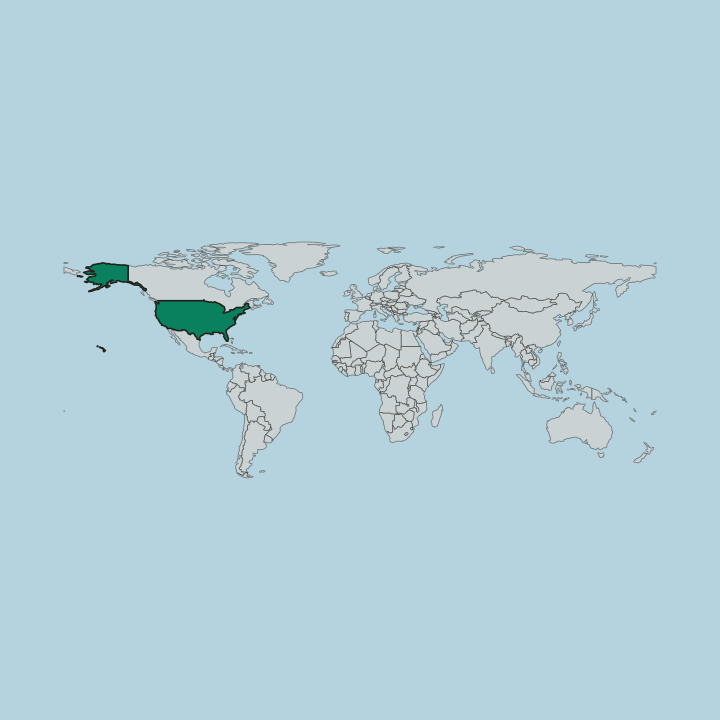
Where to stay in Albuquerque
Each area has its own feel; here's who each one suits.
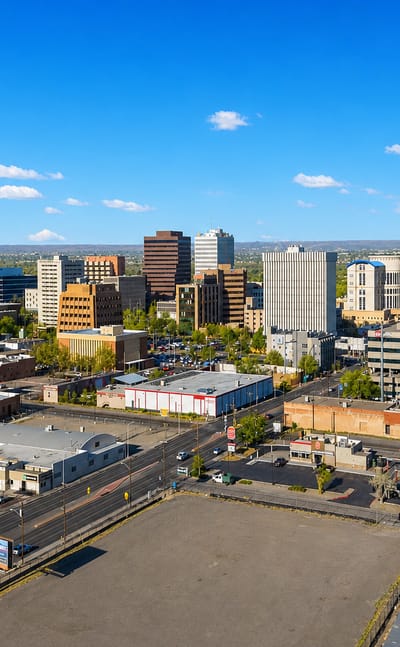
 AlbuquerqueUnited States
Huning Highlands Historic District
Albuquerque's first residential subdivision, Huning Highlands still fills its blocks with Victorian and early 20th-century houses.Where to stay →AlbuquerqueUnited StatesBarelas
Barelas is Albuquerque's oldest neighbourhood, a triangle of ground between Coal Avenue, the BNSF railroad tracks and the Rio Grande.Where to stay →AlbuquerqueUnited StatesOld Town Albuquerque
Old Town Albuquerque is the original 1706 town site of Albuquerque, ten blocks of adobe around Old Town Plaza and San Felipe de Neri Church.Where to stay →AlbuquerqueUnited StatesNob Hill
Nob Hill is a shopping strip in Albuquerque, a run of locally owned storefronts along Central Avenue east of the University of New Mexico.Where to stay →Hotel links are affiliate links: booking through them may earn us a commission, at no extra cost to you. It never affects how places are ranked. How this works
Find hotels in Albuquerque
Direct booking searches for these neighbourhoods.
Old Town
The low adobe blocks around San Felipe de Neri Church put the Albuquerque Museum and the ABQ BioPark Zoo within a short walk.Find hotels in Old TownGallery-goers wanting campus-edge streets that stay busy after darkUniversity district
Streets near the University of New Mexico Art Museum and the Maxwell Museum of Anthropology hold late life, with the Lobo Theater as the marker.Find hotels in University districtHotel links are affiliate links: booking through them may earn us a commission, at no extra cost to you. It never affects how places are ranked. How this works
Things to do in Albuquerque
Ranked by global recognition; descriptions from Wikidata (CC0).
Museums & Galleries
3- New Mexico Museum of Natural History and Science
- Albuquerque Museum
- University of New Mexico Art Museum
Churches & Religious Sites
5- San Felipe de Neri Church Heritage
- First Methodist Episcopal Church Heritage
- San Ignacio Church Heritage
- Immanuel Presbyterian Church Heritage
- Second United Presbyterian Church Heritage
Stadiums & Sports
2- Isotopes Park
- Albuquerque Civic Auditorium
Parks & Gardens
1- Rio Grande Botanic Garden
Landmarks & Notable Places
8- James N. Gladding House Heritage
- John Pearce House Heritage
- Werner-Gilchrist House Heritage
- Davis House Heritage
- Delfina Gurule House Heritage
Show 3 more →
- Gavino Anaya House Heritage
- Charles LeFeber House Heritage
- William J. Leverett House Heritage
worth knowingacross 5 categories in Albuquerque
About Albuquerque
What is Albuquerque known for?
Albuquerque is known for its Spanish colonial core and a broad spread of museums that read the high desert. The oldest surface is Old Town, laid around San Felipe de Neri Church since 1706. Learning anchors much of the rest.
The Albuquerque Museum holds the city's own record, the New Mexico Museum of Natural History and Science tracks the region's deep past, and the Maxwell Museum of Anthropology gathers the Southwest's material culture into one collection near the university.
What are the main landmarks in Albuquerque?
The main landmarks in Albuquerque run from Spanish colonial churches to purpose-built science halls. Oldest is San Felipe de Neri Church. Standing at the heart of Old Town, it fixes the colonial plaza, while San Ignacio Church marks a later parish to the north.
The scientific and cultural set is dense: the New Mexico Museum of Natural History and Science, the ¡Explora! Science Center and Children's Museum, the ABQ BioPark Zoo, and the Rio Grande Botanic Garden all draw steady visitors, while Isotopes Park hosts the city's baseball.
What is the history of Albuquerque?
Albuquerque was founded in 1706 as a Spanish colonial villa in New Mexico. The settlement grew around a plaza and its parish, San Felipe de Neri Church, which still stands as the anchor of Old Town. Spanish, and later Mexican, administration shaped the street pattern and the building trade.
Adobe was the material of record. The compact grid around the plaza set a scale that survived long after the town outgrew it. A second center formed once the railroad passed to the east of the old plaza.
Trade and institutions clustered along the newer axis, and the University of New Mexico took root nearby, in time gathering the Maxwell Museum of Anthropology and the University of New Mexico Art Museum. The First Methodist Episcopal Church and San Ignacio Church mark parishes that served the growing town. Old Town and the university edge remain the two poles of the city's long story, each holding buildings that carry its separate chapters.
Where is Albuquerque?
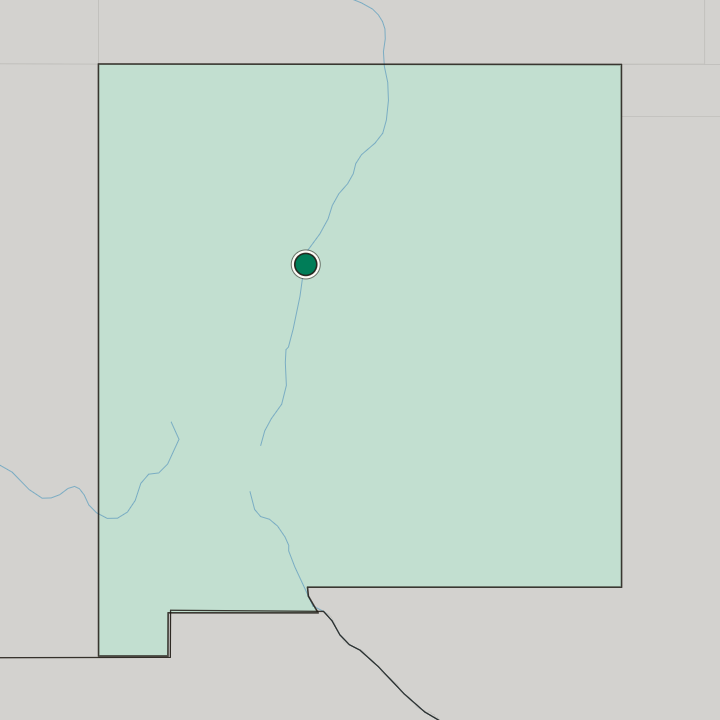
Albuquerque sits in the high desert of New Mexico, where the Rio Grande cuts a green corridor through the surrounding tableland. The river edge holds the Rio Grande Botanic Garden and the ABQ BioPark Zoo. Old Town and its plaza grew on the terrace above the floodplain.
Ground rises east of the valley toward the mountains that wall the city, giving Albuquerque a spread from riverside cottonwoods to dry upland mesa within a single municipal reach.
What is the climate of Albuquerque?
Albuquerque has a dry, high-desert climate. Strong sun holds through most of the year, and summers stay hot and largely rainless until late-summer storms build over the mountains that rise east of the Rio Grande valley. Winters are cold at night and mild by day.
Snow dusts the city lightly and piles on the heights above it. The thin, clear air over New Mexico gives a sharp light.
How do you get to Albuquerque?
Albuquerque is the main gateway city of New Mexico for road, rail, and air. Interstate highways cross near the city, meeting close to the Rio Grande valley where Old Town and the university district sit. Trains stop at the downtown depot.
The airport lies south of the center, a short drive from the museums clustered near San Felipe de Neri Church and the University of New Mexico Art Museum. Most visitors arrive by car and reach the landmarks within minutes of the valley floor.
Common questions
What is the best area to stay in Albuquerque?
Old Town: First-time visitors drawn to the colonial core around San Felipe de Neri Church. University district: Gallery-goers wanting campus-edge streets that stay busy after dark.
Good for
More cities in New Mexico
Updated October 2026