
United States · New York · New York City
Brooklyn, New York City — Area Guide & Where to Stay
The Brooklyn Bridge crosses the East River into Brooklyn, the most populous of the five boroughs of New York City, at the western end of Long Island.
Hotel links are affiliate links: booking through them may earn us a commission, at no extra cost to you. It never affects how places are ranked. How this works


Map data © OpenStreetMap contributors
Where to stay in Brooklyn
How the choice of base plays out on the ground.
Brooklyn rewards a stay in its own right, not just as a base for Manhattan. Near the East River, the brownstone streets closest to the Brooklyn Bridge put you within a short walk or subway ride of both boroughs, and the waterfront looks straight across at the skyline. The views are the draw.
Around Prospect Park, the neighbourhoods gather the Brooklyn Museum, the Prospect Park Zoo, and the Brooklyn Children's Museum in a leafy stretch of the borough, so a first visit works well from either the waterfront or the park. Each side has its own feel. Deeper into the borough, the older Dutch heritage survives in houses like the Wyckoff House and the Old Stone House, and the Weeksville Heritage Center keeps the story of a historic free Black community.
For a first visit, base yourself near the East River by the Brooklyn Bridge, since it keeps both boroughs within easy reach. Stay near Prospect Park if the museums and the zoo are your reason to come. Kings County covers the whole of Brooklyn, and every corner of it repays exploring.
Find hotels in Brooklyn
Direct booking searches for these neighbourhoods.
Brooklyn waterfront
The brownstone streets by the Brooklyn Bridge and the East River, looking straight across at the Manhattan skyline.Find hotels in Brooklyn waterfrontTravellers drawn to the museums and the parkAround Prospect Park
The leafy neighbourhoods gathering the Brooklyn Museum, the Prospect Park Zoo, and the Brooklyn Children's Museum.Find hotels in Around Prospect ParkHotel links are affiliate links: booking through them may earn us a commission, at no extra cost to you. It never affects how places are ranked. How this works
Things to do in and around New York City
Ranked by global recognition; descriptions from Wikidata (CC0).
Museums & Galleries
3- Brooklyn Museum Heritage
- Old Stone House Heritage
- Elizabeth A. Sackler Center for Feminist Art
Churches & Religious Sites
5- Old First Reformed Church Heritage
- Church of St. Luke and St. Matthew Heritage
- St. Bartholomew's Protestant Episcopal Church and Rectory Heritage
- Flatlands Dutch Reformed Church Heritage
- Greenwood Baptist Church Heritage
Castles & Historic Sites
2- Weeksville Heritage Center Heritage
- Pilots' Monument
Landmarks & Notable Places
3- Wyckoff House Heritage
- William B. Cronyn House Heritage
- James W. and Lucy S. Elwell House Heritage
worth knowingacross 4 categories in and around New York City
About Brooklyn
What are the main landmarks in Brooklyn?
Brooklyn's landmarks run from its bridges to its old Dutch houses, spread across the most populous of the five boroughs of New York City. The Brooklyn Bridge and the Verrazzano-Narrows Bridge tie the borough to Manhattan and Staten Island, the Brooklyn Bridge crossing the East River. The Brooklyn Museum, the Prospect Park Zoo, and the Brooklyn Children's Museum draw families.
Many sit near Prospect Park. Older still are the Wyckoff House, the Old Stone House, and the Lefferts Historic House, and the Weeksville Heritage Center keeps a distinct chapter. Once a city in its own right, the borough still feels like one.
What is the history of Brooklyn?
Brooklyn began as a cluster of Dutch farming towns founded in 1634 at the western end of Long Island. The Wyckoff House survives from those first colonial generations, one of the oldest buildings in the whole of New York City, and the Old Stone House and the Flatlands Dutch Reformed Church recall the same era. Farms covered the land then.
Over the following centuries the scattered towns merged and grew into a great city, an independent municipality that stood apart from the settlement across the East River. Through the industrial age Brooklyn became a city in its own right before joining New York City, and the Brooklyn Bridge, thrown across the East River, bound the two together. The borough is coextensive with Kings County.
Its heritage is deep. The Weeksville Heritage Center preserves the memory of a free Black community that took root here, while the Brooklyn Museum grew into one of the great museums of the country. History is layered thick.
From Dutch farm towns of 1634 to the borough it became, Brooklyn grew into the most populous quarter of New York City. It has never quite stopped feeling like its own city.
Where is Brooklyn?
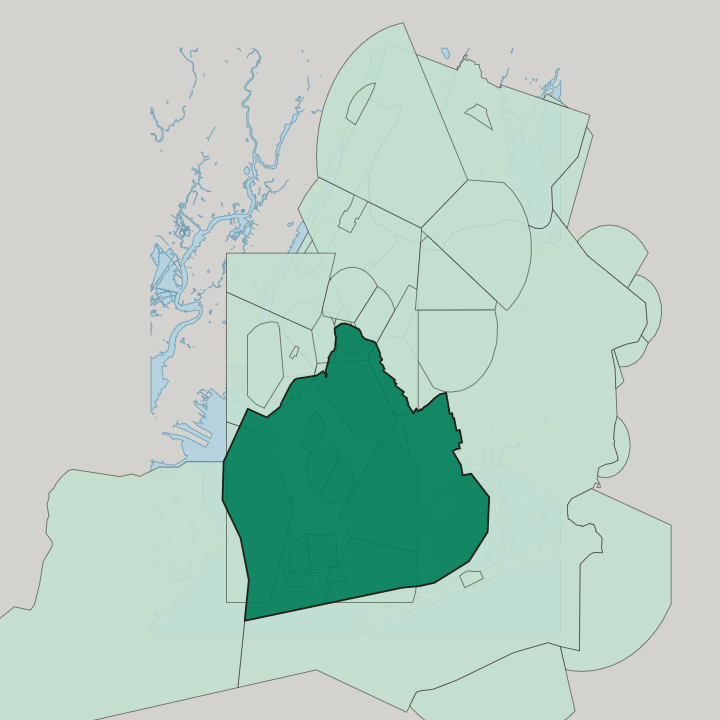
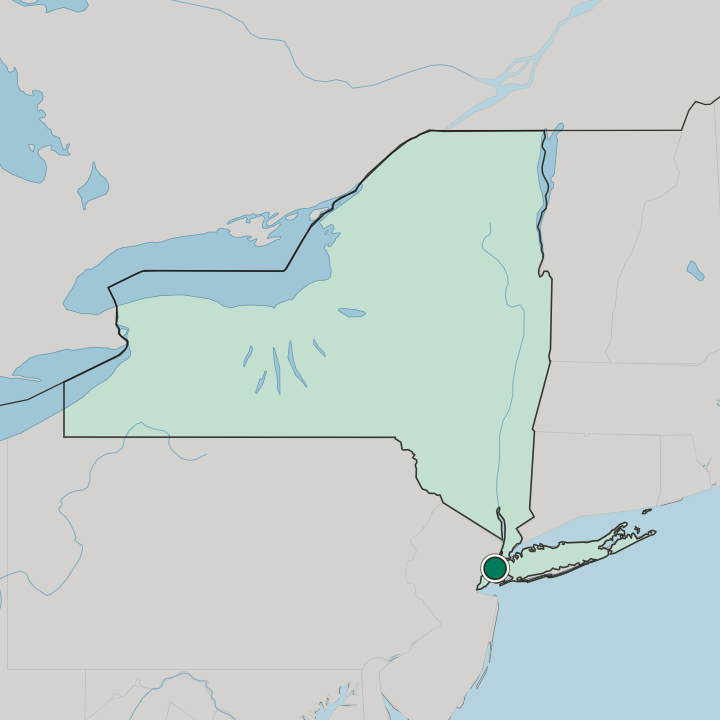
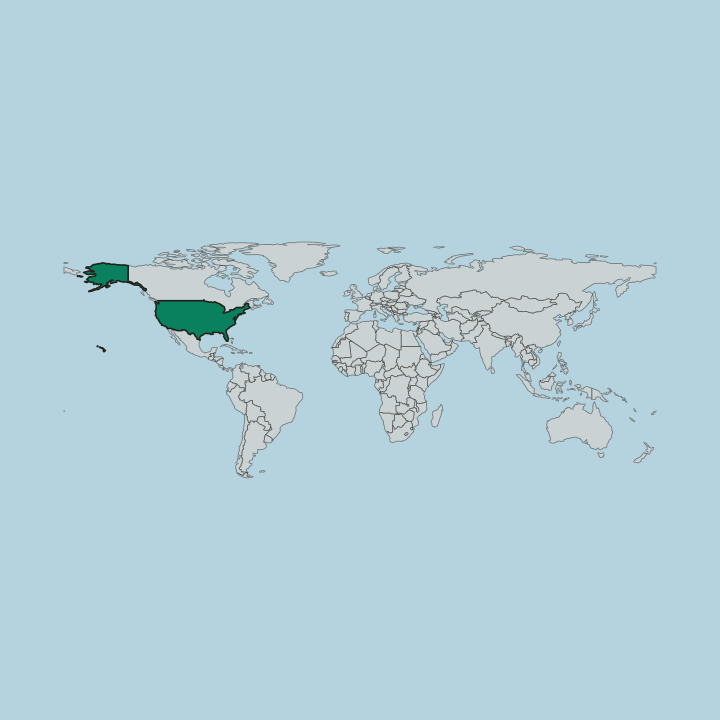
Brooklyn lies at the westernmost end of Long Island, the most populous of the five boroughs of New York City. It shares a land border with Queens and reaches Manhattan by bridge and tunnel across the East River. The Verrazzano-Narrows Bridge links it to Staten Island.
Kings County covers the same ground. From the water's edge the borough spreads inland across the flat island, in the United States.
Common questions
What is the best area to stay in Brooklyn?
Brooklyn waterfront: First-time visitors who want the skyline and both boroughs on foot. Around Prospect Park: Travellers drawn to the museums and the park.
Good for
More areas in New York City
Updated October 2026