United States · New York · New York City
The Bronx, New York City — Area Guide & Where to Stay
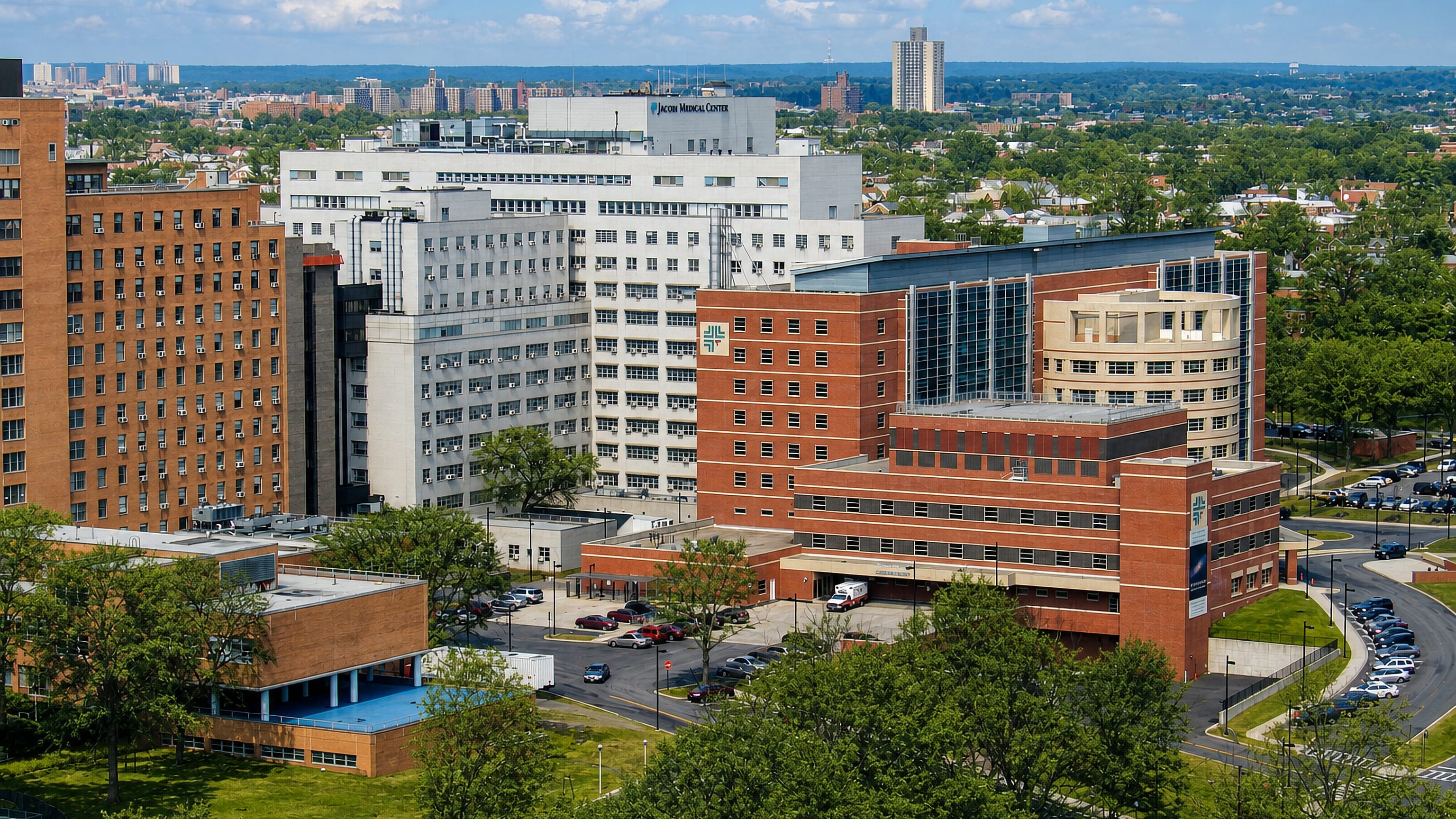
Home crowds fill Yankee Stadium in The Bronx, the northernmost of the five boroughs of New York City, known too for the Bronx Zoo.
Hotel links are affiliate links: booking through them may earn us a commission, at no extra cost to you. It never affects how places are ranked. How this works


Where to stay in The Bronx
The practical side of choosing where to sleep.
The Bronx works best as a base for its parks and its ballpark rather than its centre. Around Yankee Stadium the subway runs straight into Manhattan, so you can sleep in the borough and reach the whole of New York City with ease. The trains are close.
Near the Bronx Zoo and the New York Botanical Garden, the northern neighbourhoods put two of the borough's great draws on your doorstep, and the leafy streets there feel a world away from the density to the south. Green space defines this side. Toward the west, the ground rises above the Hudson River, where Wave Hill keeps its landscaped gardens and wooded paths.
The Edgar Allan Poe Cottage sits inland among the older streets, a small house from the borough's literary past. For a first visit, base yourself near the subway lines by Yankee Stadium, since they carry you into Manhattan and back with ease. Stay near the parks if the Bronx Zoo and the gardens are your reason to come.
The borough rewards those who spread out.
Find hotels in The Bronx
Direct booking searches for these neighbourhoods.
Around Yankee Stadium
The neighbourhood by Yankee Stadium where the trains run straight into the heart of New York City.Find hotels in Around Yankee StadiumTravellers drawn to the Bronx Zoo and the gardensThe park district
The leafy northern streets beside the Bronx Zoo and the New York Botanical Garden, away from the southern density.Find hotels in The park districtHotel links are affiliate links: booking through them may earn us a commission, at no extra cost to you. It never affects how places are ranked. How this works
Things to do in and around New York City
Ranked by global recognition; descriptions from Wikidata (CC0).
Churches & Religious Sites
3- St. James' Episcopal Church and Parish House Heritage
- Sunnyslope Heritage
- Tremont Baptist Church Heritage
Stadiums & Sports
3- Jerome Park Racetrack
- Morris Park Racecourse
- Bronx Coliseum
Landmarks & Notable Places
2- Valentine-Varian House Heritage
- Keeper's House at Williamsbridge Reservoir Heritage
worth knowingacross 3 categories in and around New York City
About The Bronx
What are the main landmarks in The Bronx?
The Bronx holds some of the best-known landmarks of New York City, one of its five boroughs. Yankee Stadium draws the baseball crowds that made the borough's name, while the Bronx Zoo houses hundreds of species and the New York Botanical Garden fills the northern parkland with glasshouses and grounds. Wave Hill looks out over the Hudson River from wooded paths, and the Edgar Allan Poe Cottage and the Valentine-Varian House keep the borough's older history.
The Paradise Theater still stands.
What is the history of The Bronx?
The Bronx became a borough of New York City in 1898, when the city took its modern five-borough shape. The land was farm and estate country before that, and houses like the Valentine-Varian House survive from those earlier generations on the mainland north of Manhattan. Growth came with the trains.
As the subway and rail lines pushed north, the borough filled with people, and neighbourhoods rose around the new stations across the once-open ground. Through the following century the Bronx grew into a dense and varied borough, coextensive with Bronx County. The Edgar Allan Poe Cottage recalls the writer who lived here when it was still a village, while the Paradise Theater marks the era of the grand picture palaces.
Its parks were set aside early. The Bronx Zoo and the New York Botanical Garden were laid out as the borough grew, preserving a great swathe of green in the north, and Wave Hill kept its gardens above the Hudson River. Green defined the plan.
From the farmland it once was to the borough it became in 1898, the Bronx grew into a full quarter of New York City. The old houses still stand among it.
Where is The Bronx?
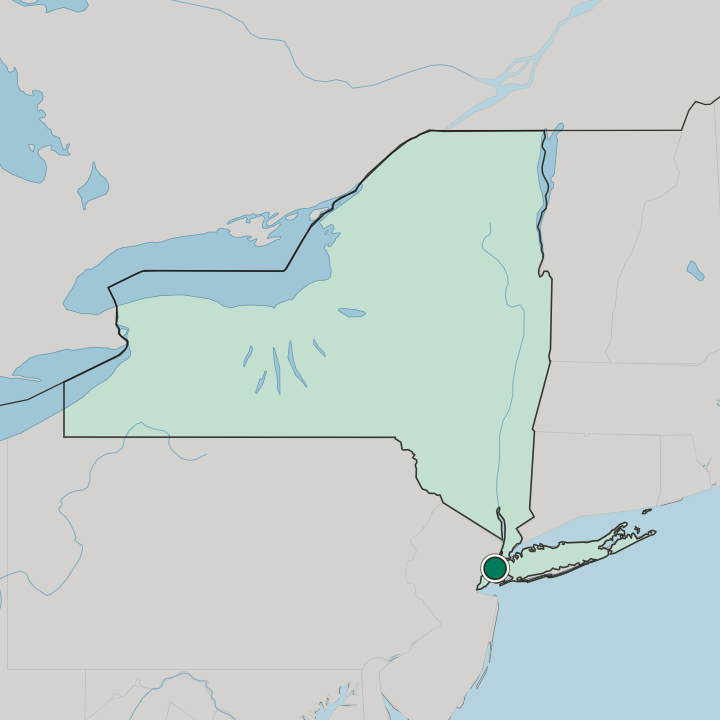
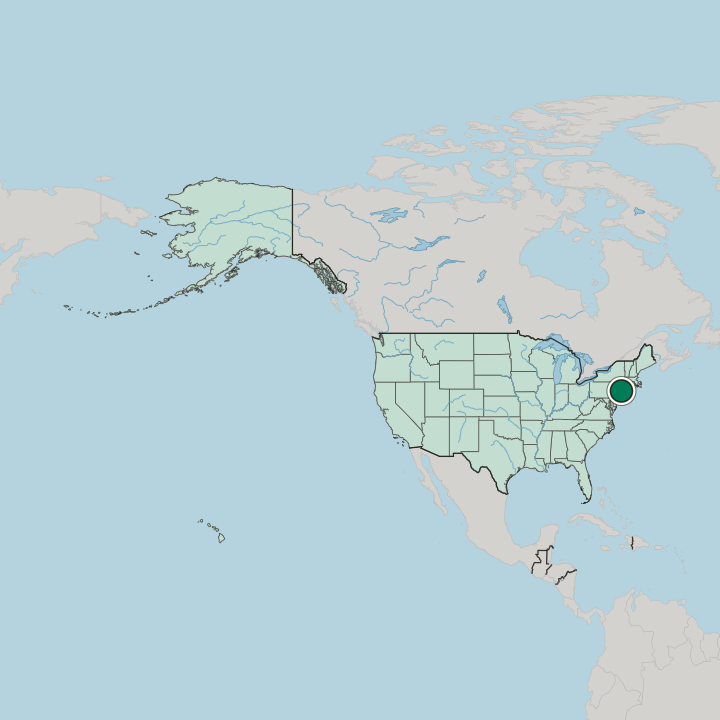
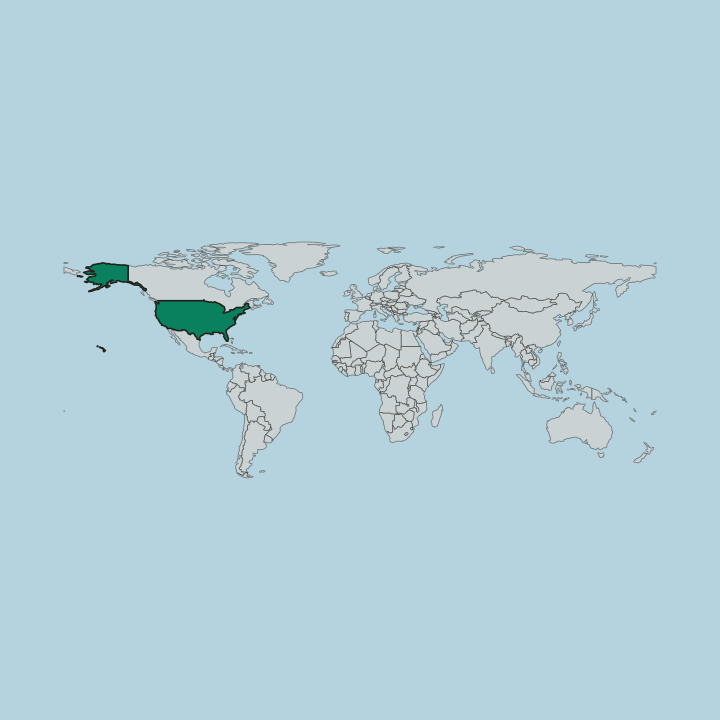
The Bronx is the northernmost of the five boroughs of New York City, the only one lying mostly on the mainland. Westchester County borders it to the north, the Hudson River and Manhattan lie across the Harlem River to the west, Queens sits across the East River to the south, and Long Island Sound washes its eastern edge. Bronx County covers the same ground.
It rises from the waterways onto firm land. Rivers ring the borough on nearly every side, within the United States.
Common questions
What is the best area to stay in The Bronx?
Around Yankee Stadium: Visitors who want fast subway access into Manhattan. The park district: Travellers drawn to the Bronx Zoo and the gardens.
Good for
More areas in New York City
Updated September 2026