United States · New York · New York City
Queens, New York City — Area Guide & Where to Stay
Immigrant kitchens and ballfields fill Queens, the largest borough of New York City by area and the most linguistically diverse place in the world.
Hotel links are affiliate links: booking through them may earn us a commission, at no extra cost to you. It never affects how places are ranked. How this works


Map data © OpenStreetMap contributors
Where to stay in Queens
How the choice of base plays out on the ground.
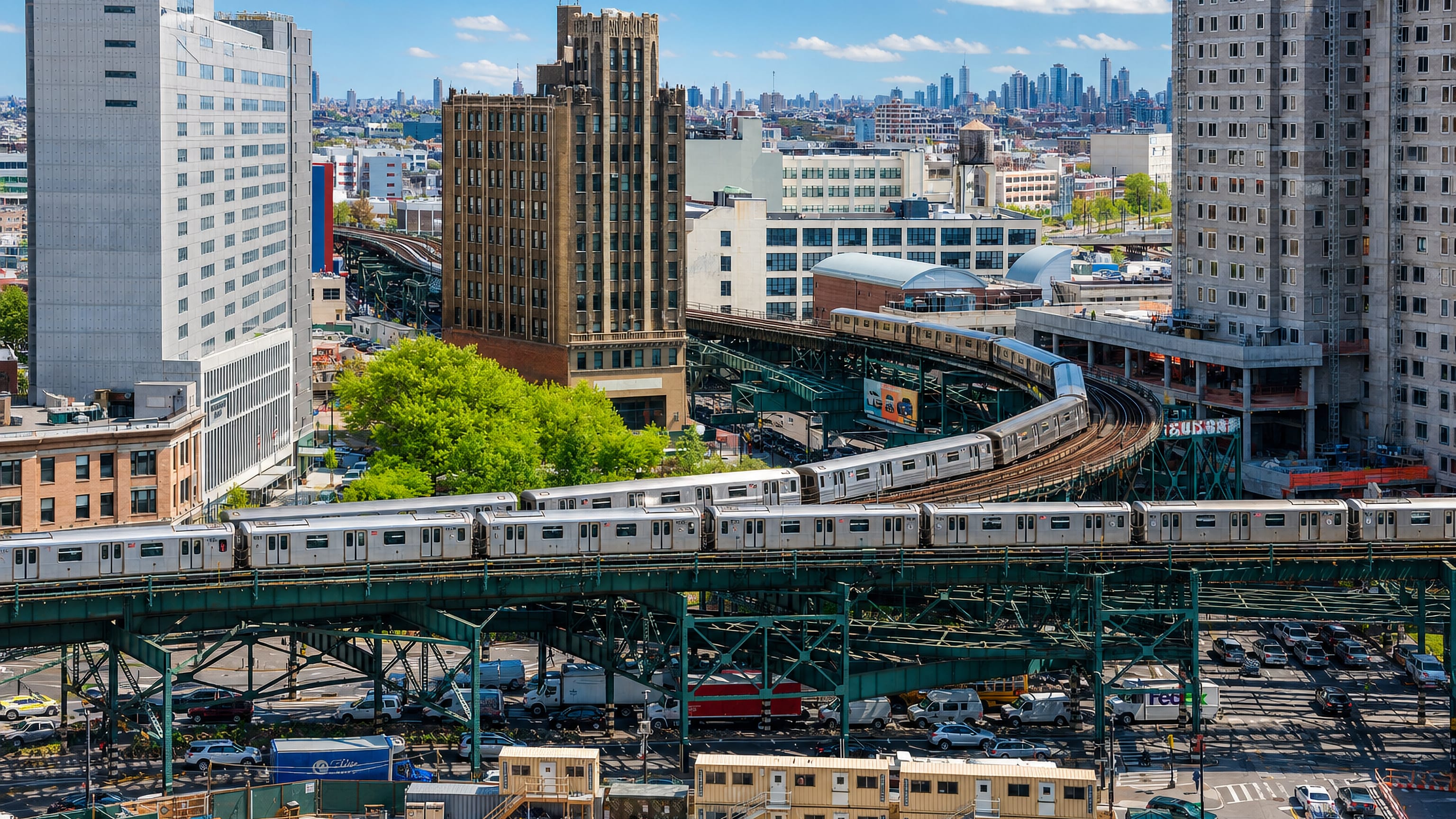
Queens spreads across the width of Long Island, and its neighborhoods offer very different bases for a stay. Jackson Heights sits near the center, close to the Indian, Colombian, and Mexican enclaves and the elevated trains that run west toward Manhattan. The food is the draw here. Flushing anchors the eastern side around the parkland of the Queens Museum, the Queens Zoo, and the Flushing Meadows Carousel, a good base for John F. Kennedy International and the ballfields nearby.
South and west the mood shifts again. Forest Hills gathers quieter streets around the West Side Tennis Club and The Church-in-the-Gardens, while Jamaica keeps older congregations such as the First Presbyterian Church in Jamaica close to the JFK-bound trains. Stay in Jackson Heights for the food. If you want park views and easy airport access, Flushing near the Queens Museum suits you, while travelers after a leafier, residential base gravitate toward Forest Hills and the West Side Tennis Club.
Find hotels in Queens
Direct booking searches for these neighbourhoods.
Jackson Heights
Elevated trains west to Manhattan beside the borough's densest immigrant food districtsFind hotels in Jackson HeightsPark views and easy John F. Kennedy International accessFlushing
Parkland around the Queens Museum and the Flushing Meadows Carousel on the borough's eastern sideFind hotels in FlushingA leafier residential base by the West Side Tennis ClubForest Hills
Quiet streets around the West Side Tennis Club and The Church-in-the-GardensFind hotels in Forest HillsHotel links are affiliate links: booking through them may earn us a commission, at no extra cost to you. It never affects how places are ranked. How this works
Things to do in and around New York City
Ranked by global recognition; descriptions from Wikidata (CC0).
Museums & Galleries
2- Queens Museum
- Godwin-Ternbach Museum
Churches & Religious Sites
7- St. Monica's Church Heritage
- The Church-in-the-Gardens Heritage
- Saint Benedict Joseph Labre Church Heritage
- First Reformed Church Heritage
- St. Luke's Episcopal Church Heritage
Show 2 more →
- Church of the Resurrection Heritage
- St. Matthew's Episcopal Church Heritage
Stadiums & Sports
3- West Side Tennis Club
- Jack Kaiser Stadium
- Dexter Park
Landmarks & Notable Places
2- Ralph Johnson Bunche House Heritage
- 85-15 Wareham Place
worth knowingacross 4 categories in and around New York City
About Queens
What are the main landmarks in Queens?
Queens gathers its landmarks in parkland, older village cores, and the enclaves that make it the most diverse borough of New York City. The Queens Museum and the Queens Zoo sit in the former world's-fair grounds, near the hand-carved Flushing Meadows Carousel and its counterpart the Forest Park Carousel. Two airports serve it.
LaGuardia and John F. Kennedy International sit within the borough's bounds along the width of Long Island. Sport has deep roots too. The West Side Tennis Club hosted major championships in Forest Hills, while congregations such as the First Presbyterian Church in Jamaica and St. Monica's Church trace the colonial villages.
The Indian, Colombian, and Mexican districts around Jackson Heights carry the flavors of the world.
What is the history of Queens?
Queens was one of the original counties laid out across western Long Island. Farm villages came first. Jamaica, Flushing, and the other hamlets grew around churches such as the First Presbyterian Church in Jamaica and the First Reformed Church, tied to New York City by ferry and road across the East River.
Consolidation folded these villages into the modern borough at the close of the nineteenth century. The twentieth century brought the world to Queens. World's fairs left the parkland and the Queens Museum in Flushing Meadows, airports rose on the tidal flats, and wave after wave of immigrants filled Jackson Heights and the surrounding enclaves.
That arrival made the borough what it is. Its blocks now hold more languages than any other place on earth, a diversity built village by village over three centuries.
Where is Queens?
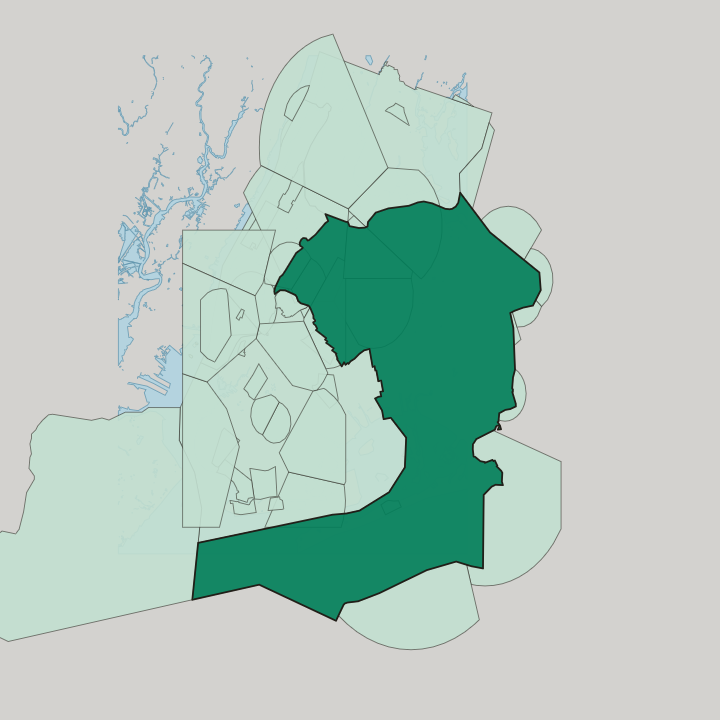
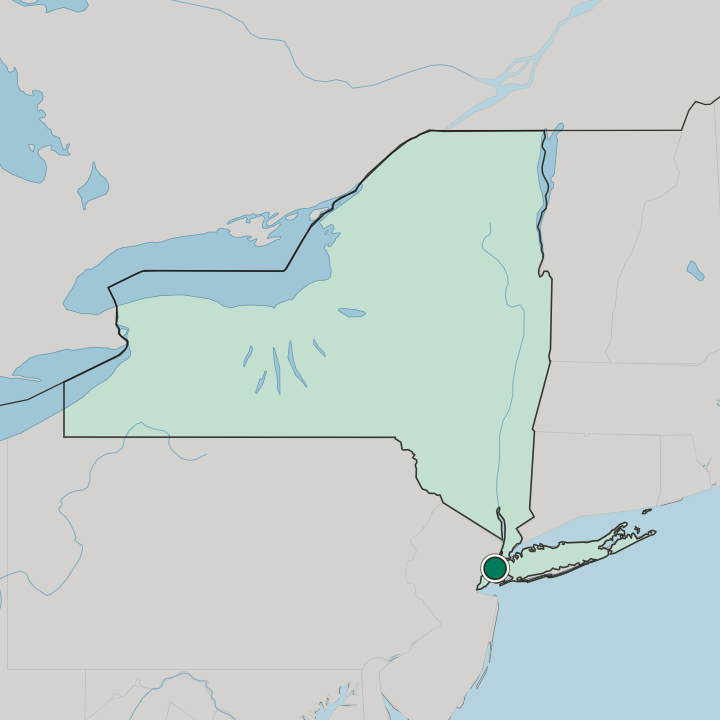
Queens occupies the western end of Long Island and is coextensive with Queens County. It is the largest of New York City's five boroughs by area. Water defines its edges.
Brooklyn borders it to the west and Nassau County to the east, while maritime borders link it to Manhattan, The Bronx, and Staten Island across the surrounding tidal waters.
Common questions
What is the best area to stay in Queens?
Jackson Heights: Travelers chasing the Indian, Colombian, and Mexican food enclaves. Flushing: Park views and easy John F. Kennedy International access. Forest Hills: A leafier residential base by the West Side Tennis Club.
Good for
More areas in New York City
Updated October 2026