United States
New York, United States — Towns & Travel Guide
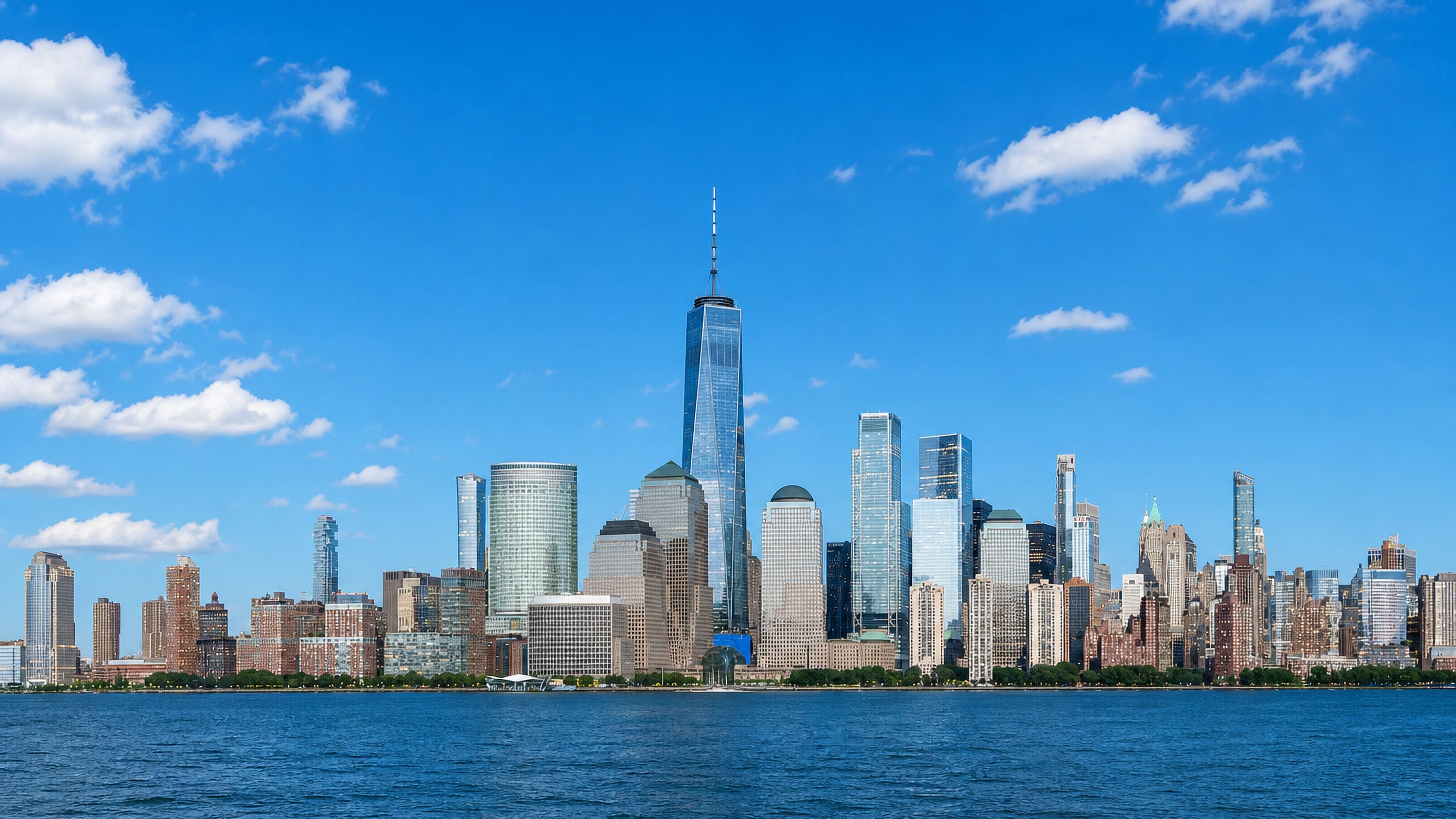
New York is one of the constituent states of the United States, organized as the State of New York and lying in the temperate Northern Hemisphere.
Hotel links are affiliate links: booking through them may earn us a commission, at no extra cost to you. It never affects how places are ranked. How this works


Towns & cities in New York
Pick a town or city — each links to where to stay.
 United States
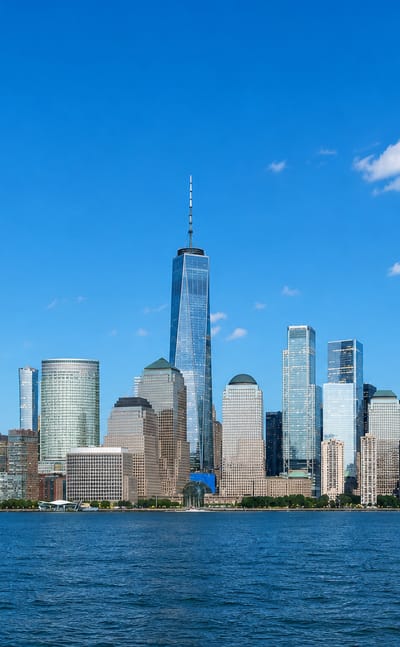
New York City
New York City sits at the mouth of New York Harbor, the largest city in the United States, known for its five boroughs and the Brooklyn Bridge.Where to stay →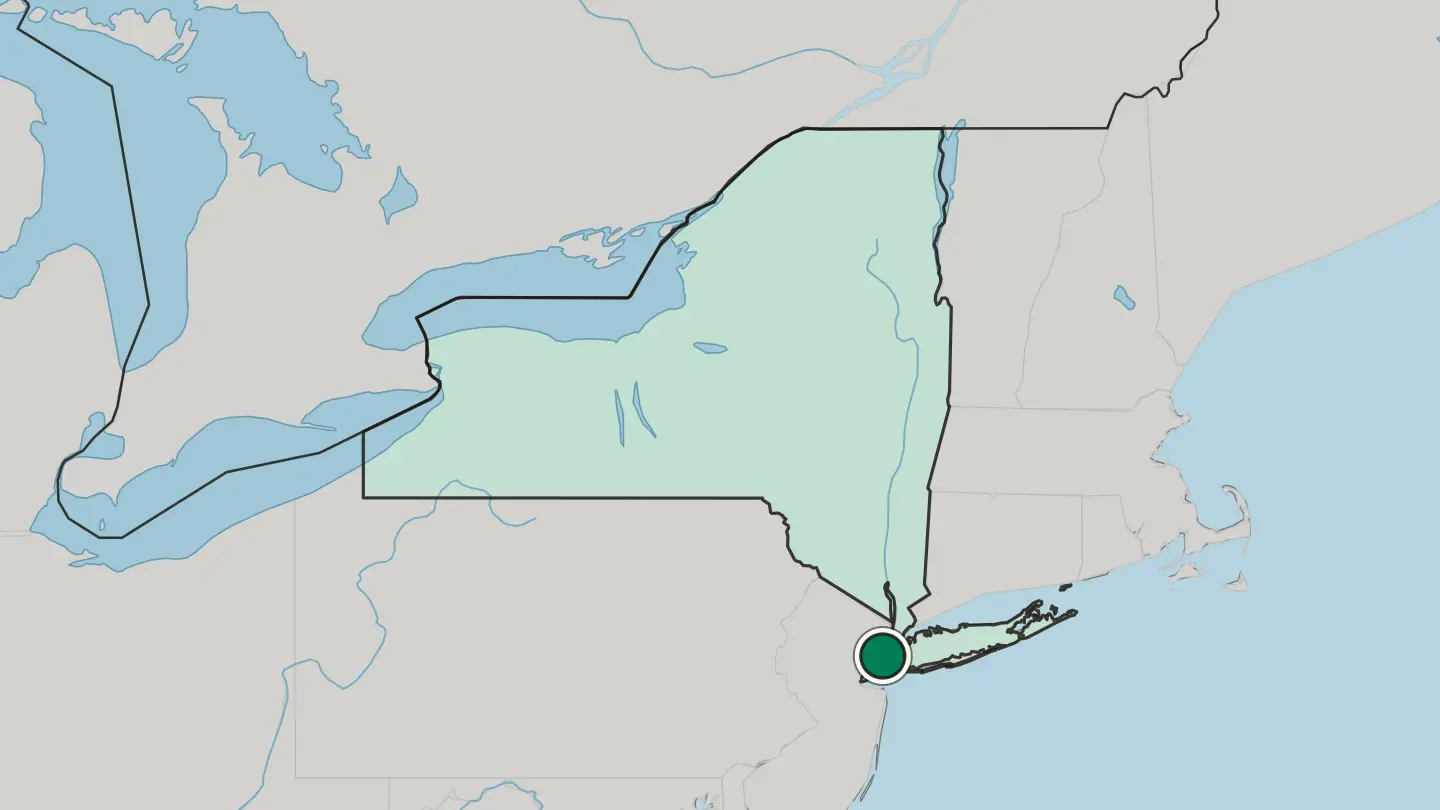
 United States
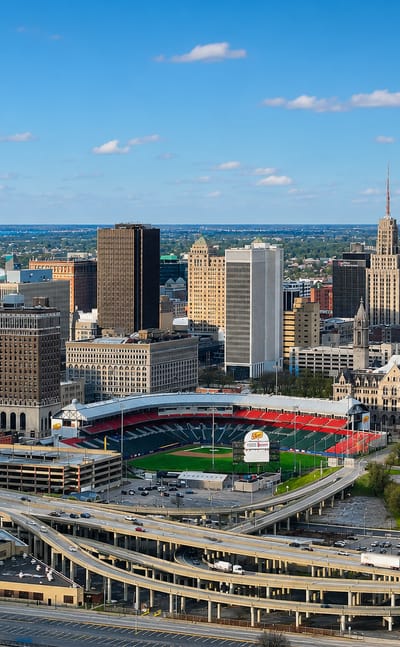
Buffalo
Warships lie moored at the Naval & Military Park on the Buffalo River, in Buffalo, a harbour city of New York in the northeastern United States.Where to stay →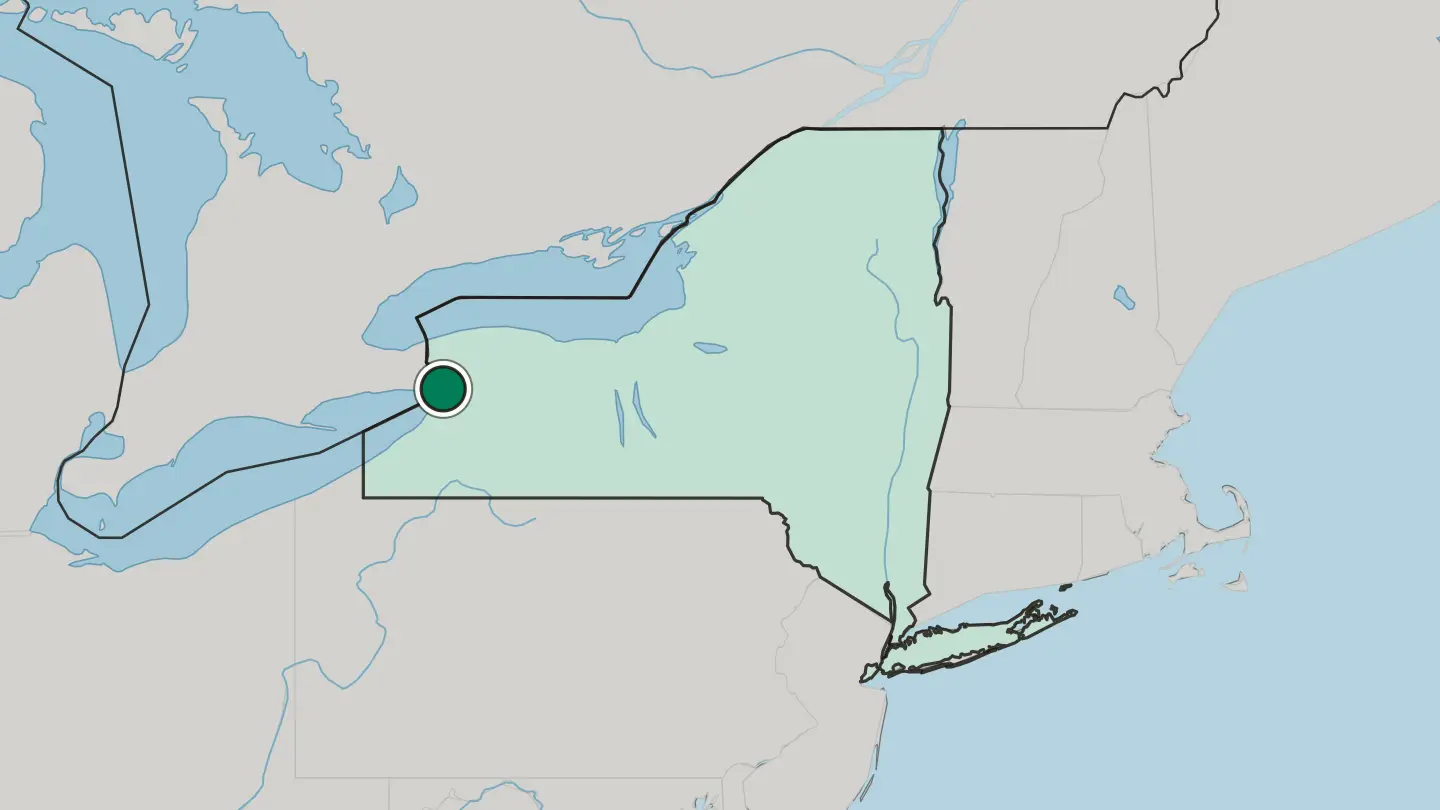
 United States
Rochester
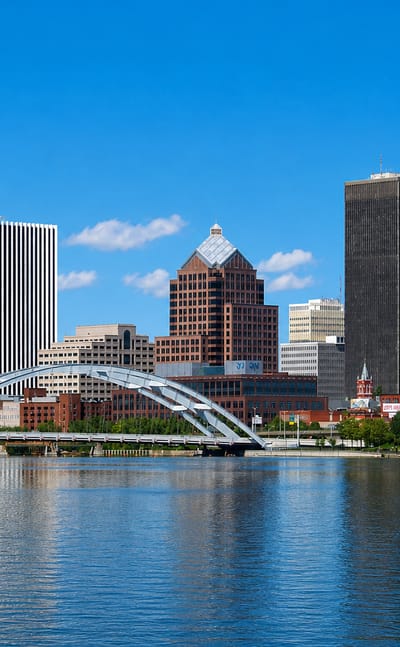
Rochester is a city in New York, United States, known for the George Eastman Museum and the Susan B. Anthony House.Where to stay →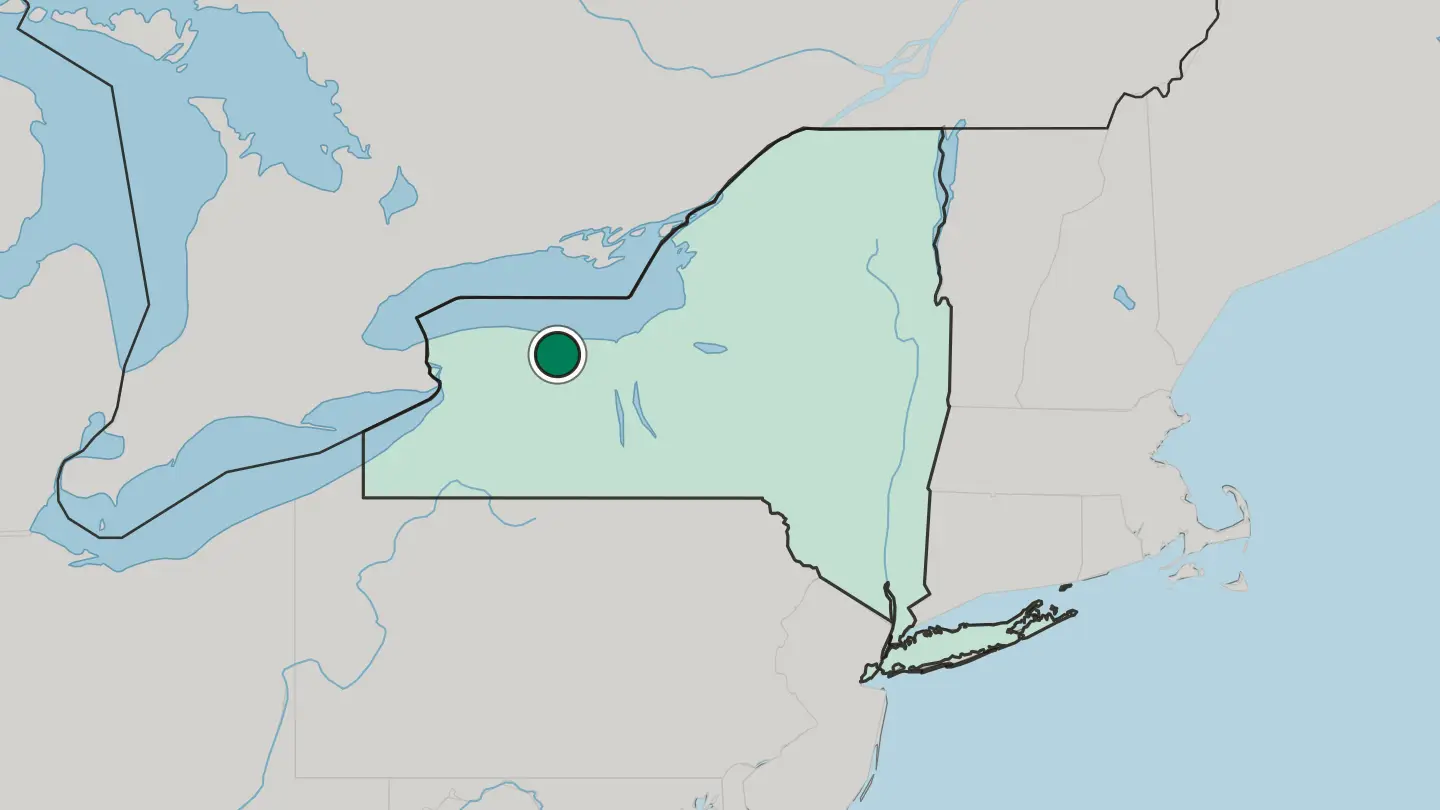
 United States
Yonkers
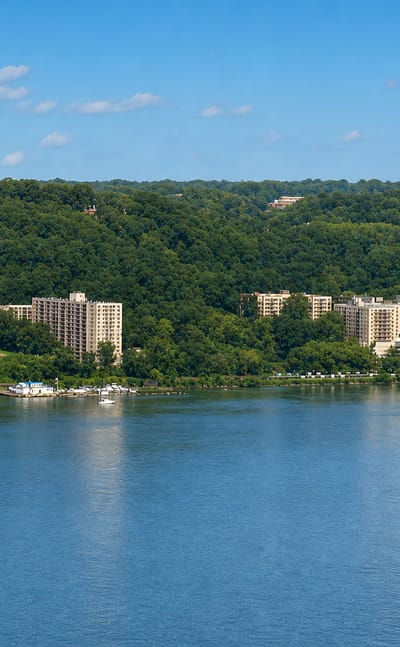
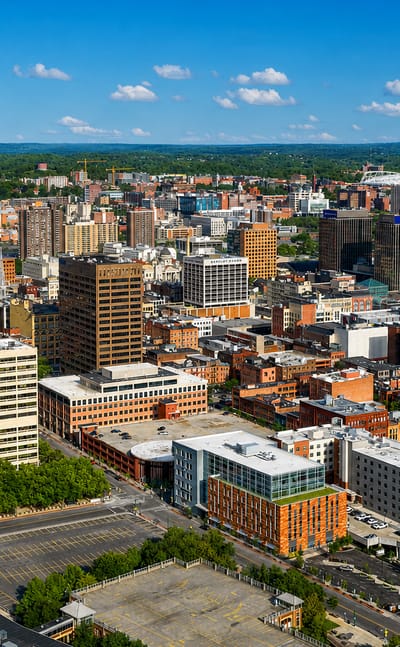
The Hudson River runs past the old mills of Yonkers, a city in Westchester on the edge of New York, settled in 1646.Where to stay →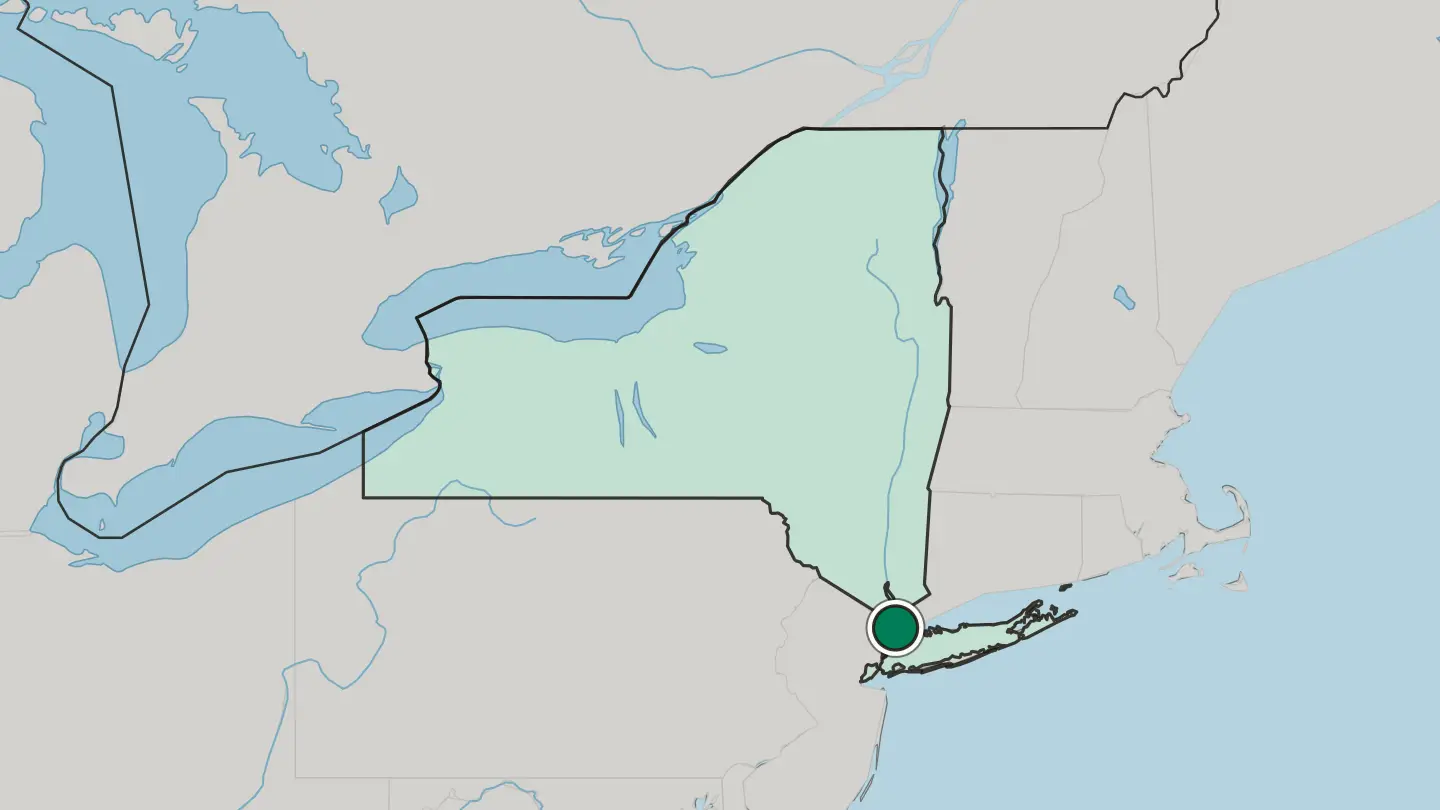
 United States
Syracuse
Old canal water and brick mark Syracuse, a city in New York known for the Erie Canal Museum and the Everson Museum of Art.Where to stay →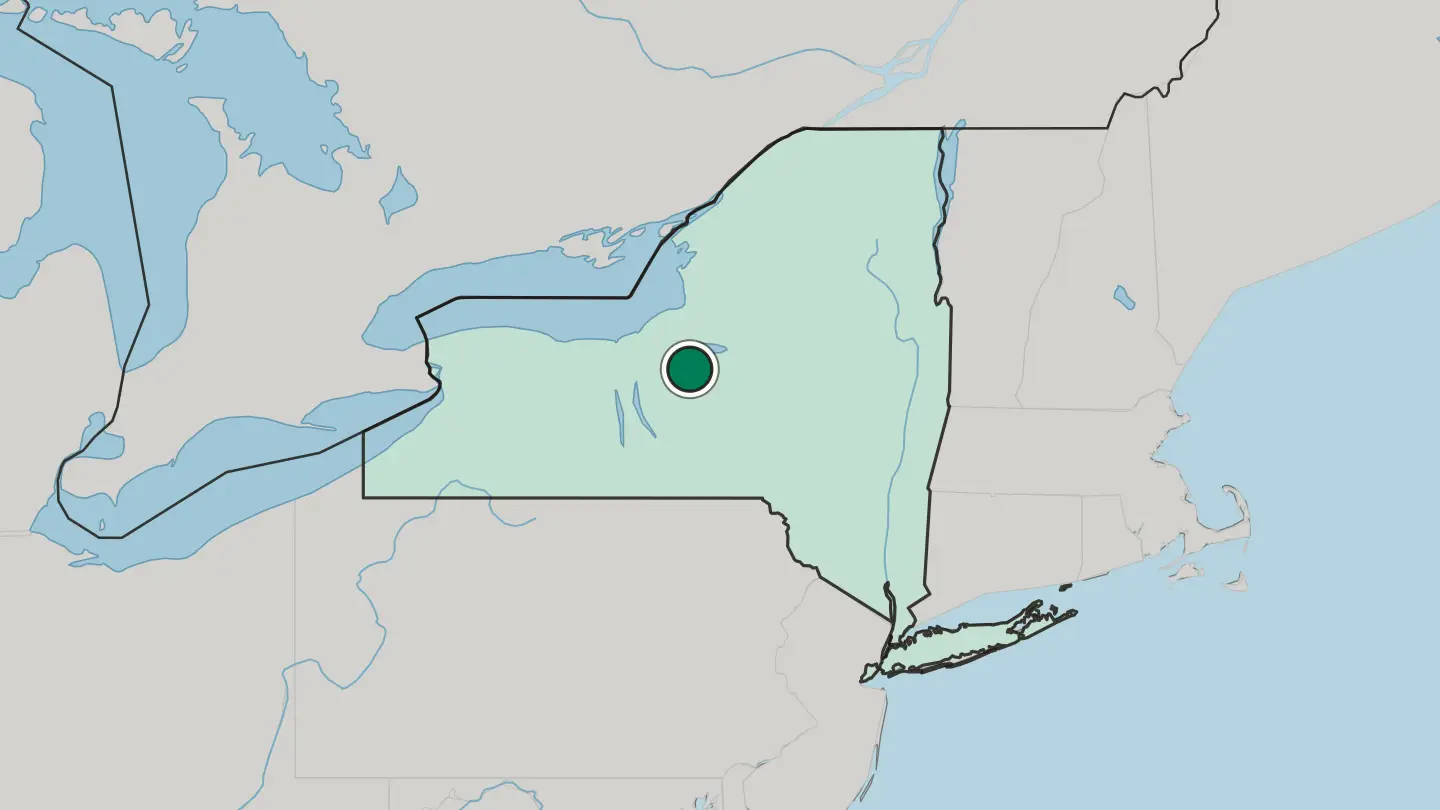 United States
Amherst
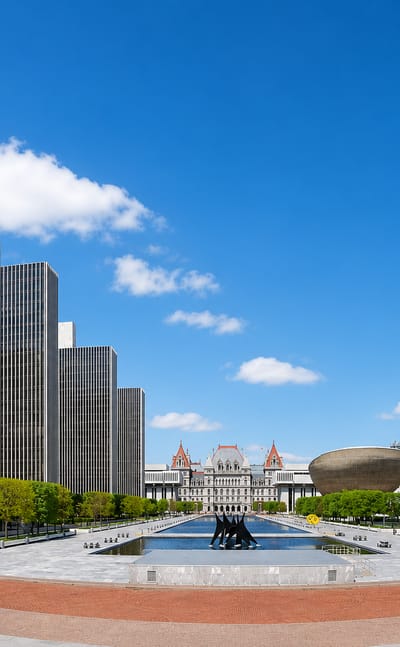
Amherst is a town of Erie County in New York, a suburb of Buffalo known in the Northtowns for its entranceways on Main Street.Where to stay →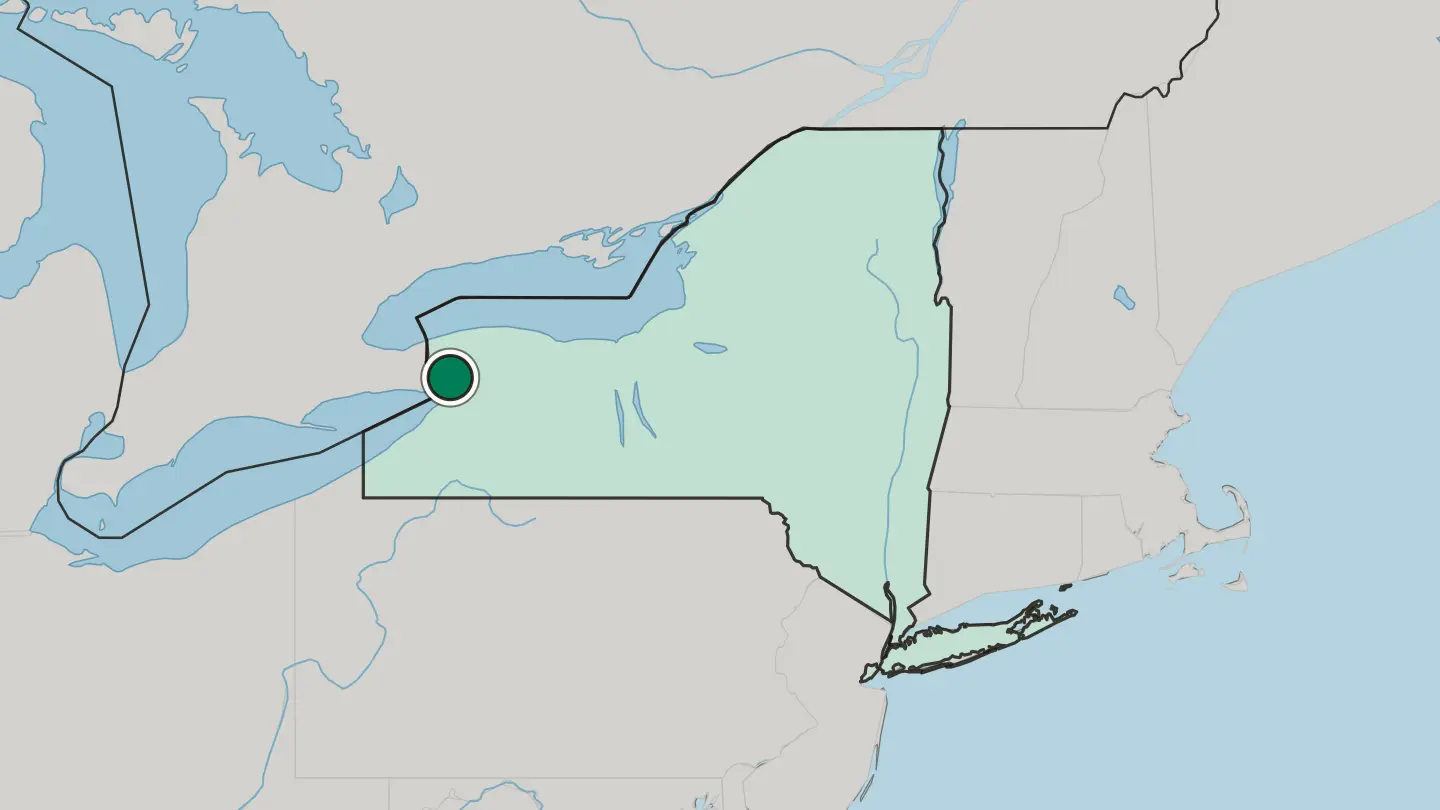
 United States
Albany
Grown from the Dutch trading post of Fort Orange, Albany is the capital of the State of New York, home to the New York State Museum.Where to stay →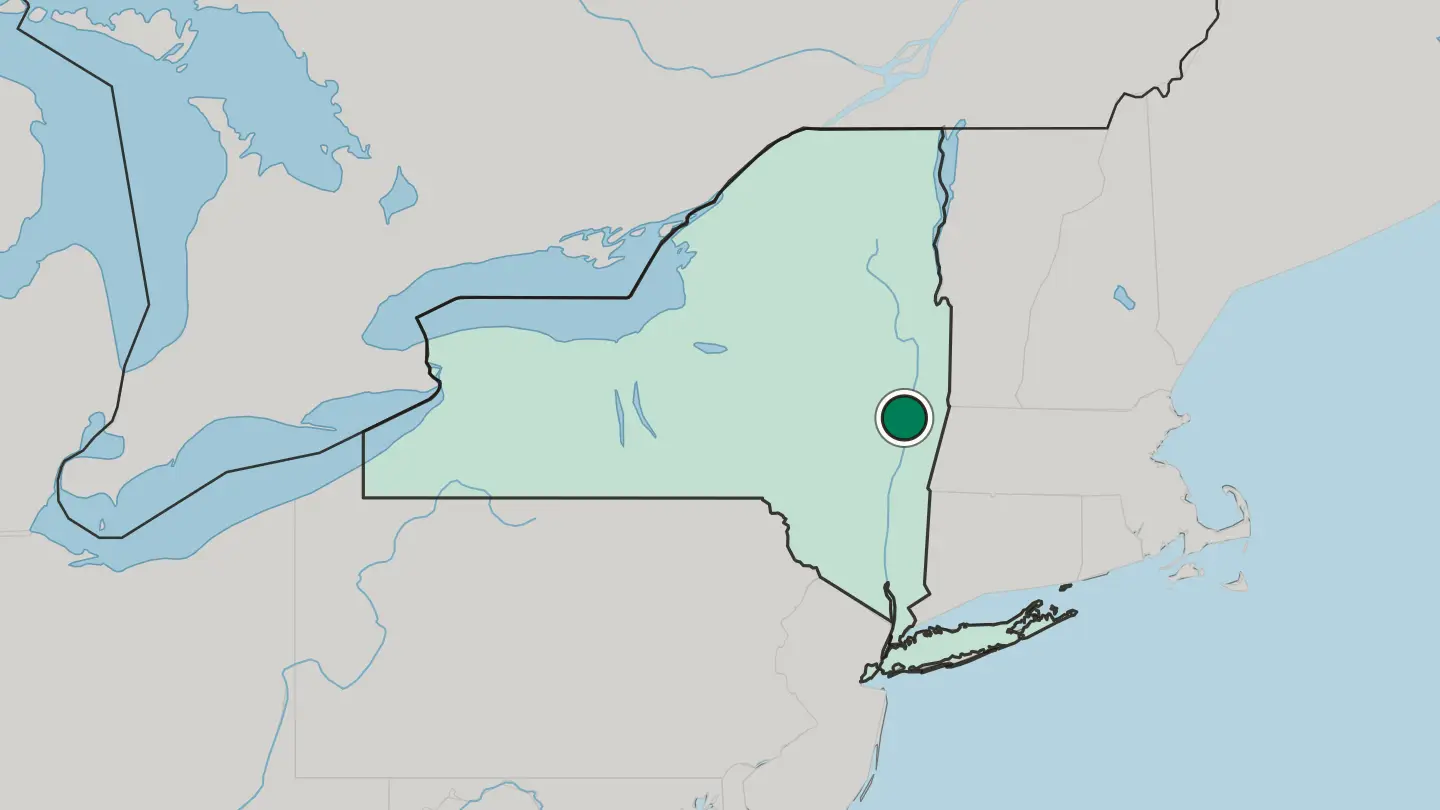
 United States
New Rochelle
New Rochelle is the seventh-largest city in New York, an inner suburb of Westchester County about 17 miles from Midtown Manhattan.Where to stay →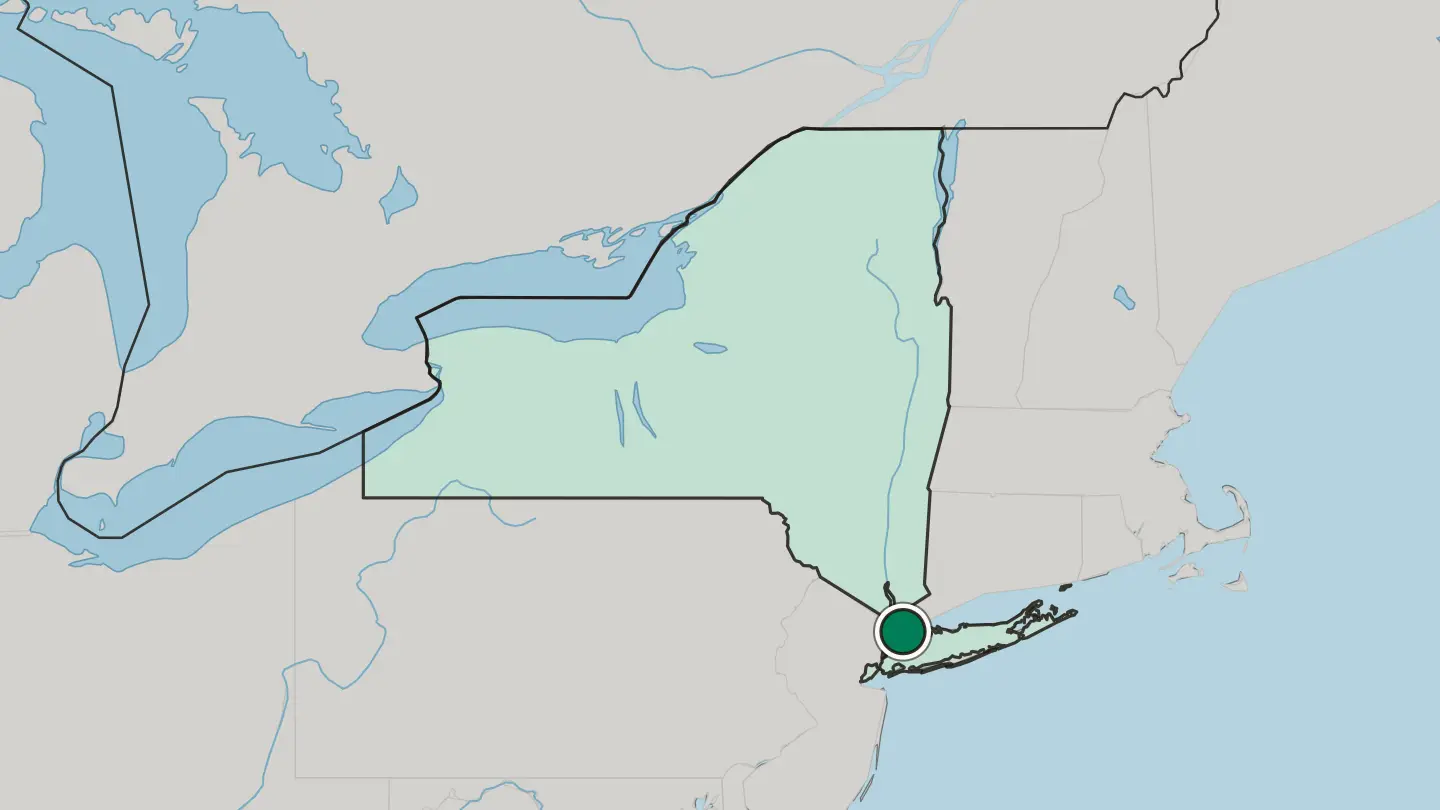
All towns & cities (16)
 United States
Mount Vernon
Mount Vernon is a city in Westchester County, an inner suburb of New York City that begins immediately north of the Bronx.Where to stay →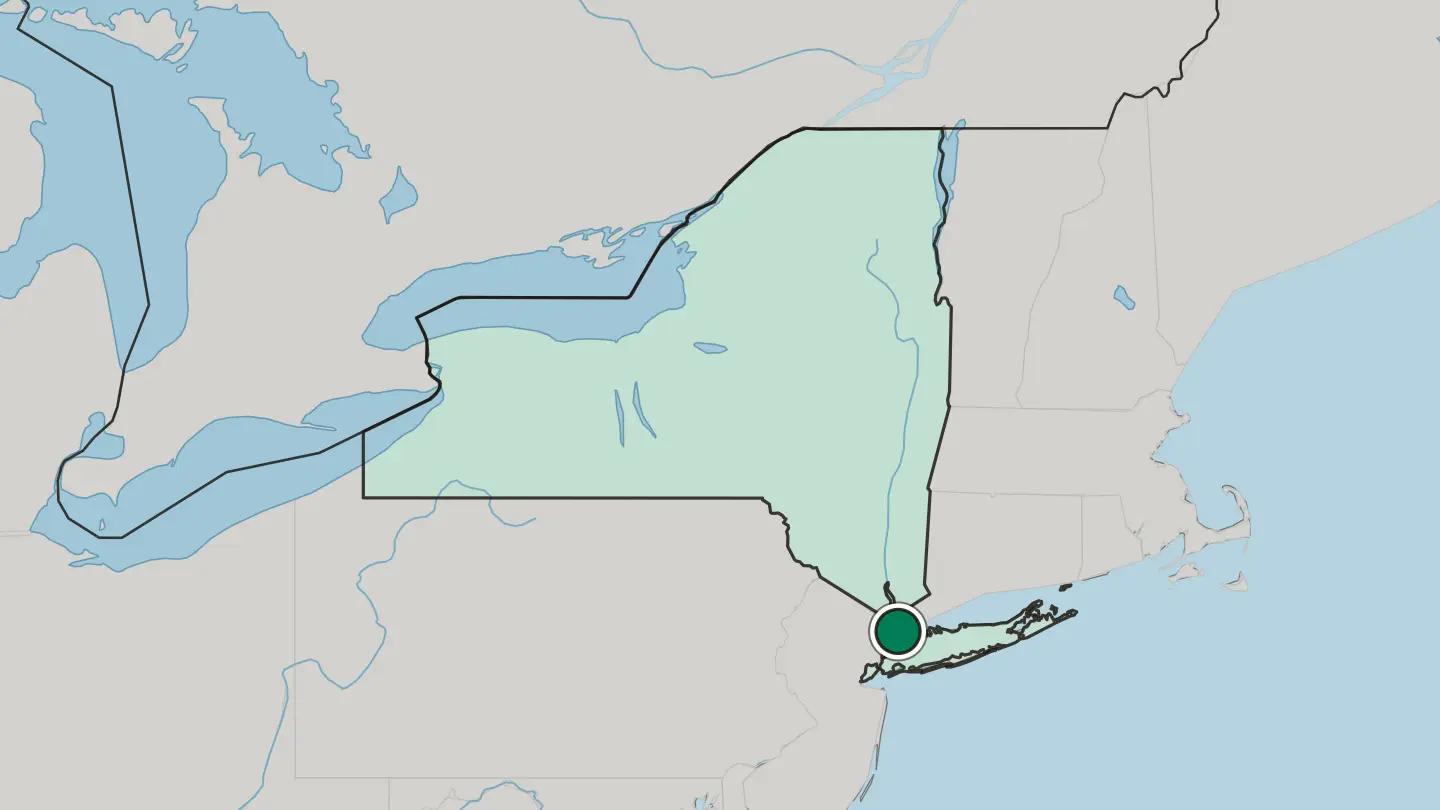
 United States
Schenectady
Schenectady is the seat of Schenectady County, the birthplace of General Electric, standing near the confluence of the Mohawk and Hudson.Where to stay →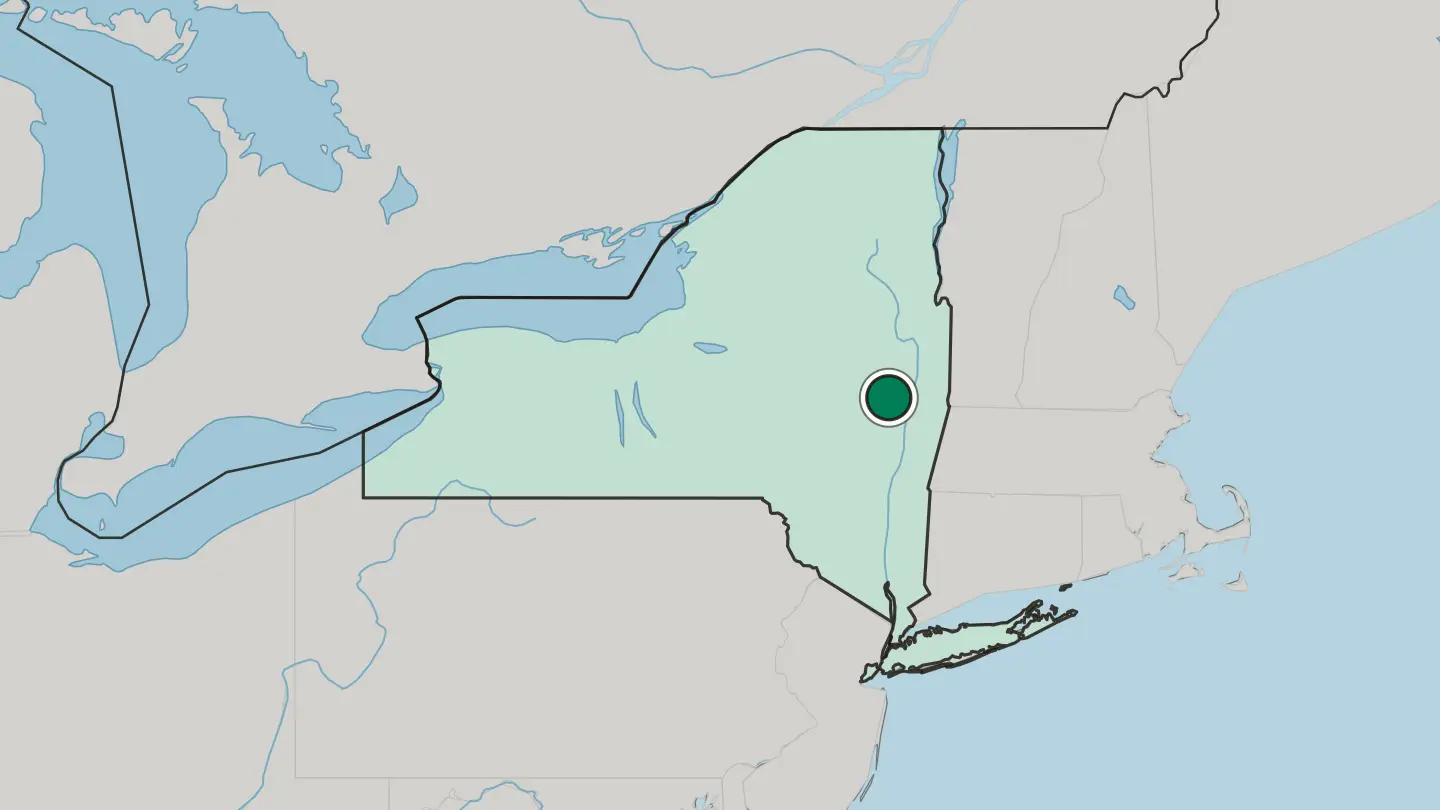
 United States
Utica
Utica is the seat of Oneida County on the Mohawk River, a Mohawk Valley city at the foot of the Adirondack Mountains.Where to stay →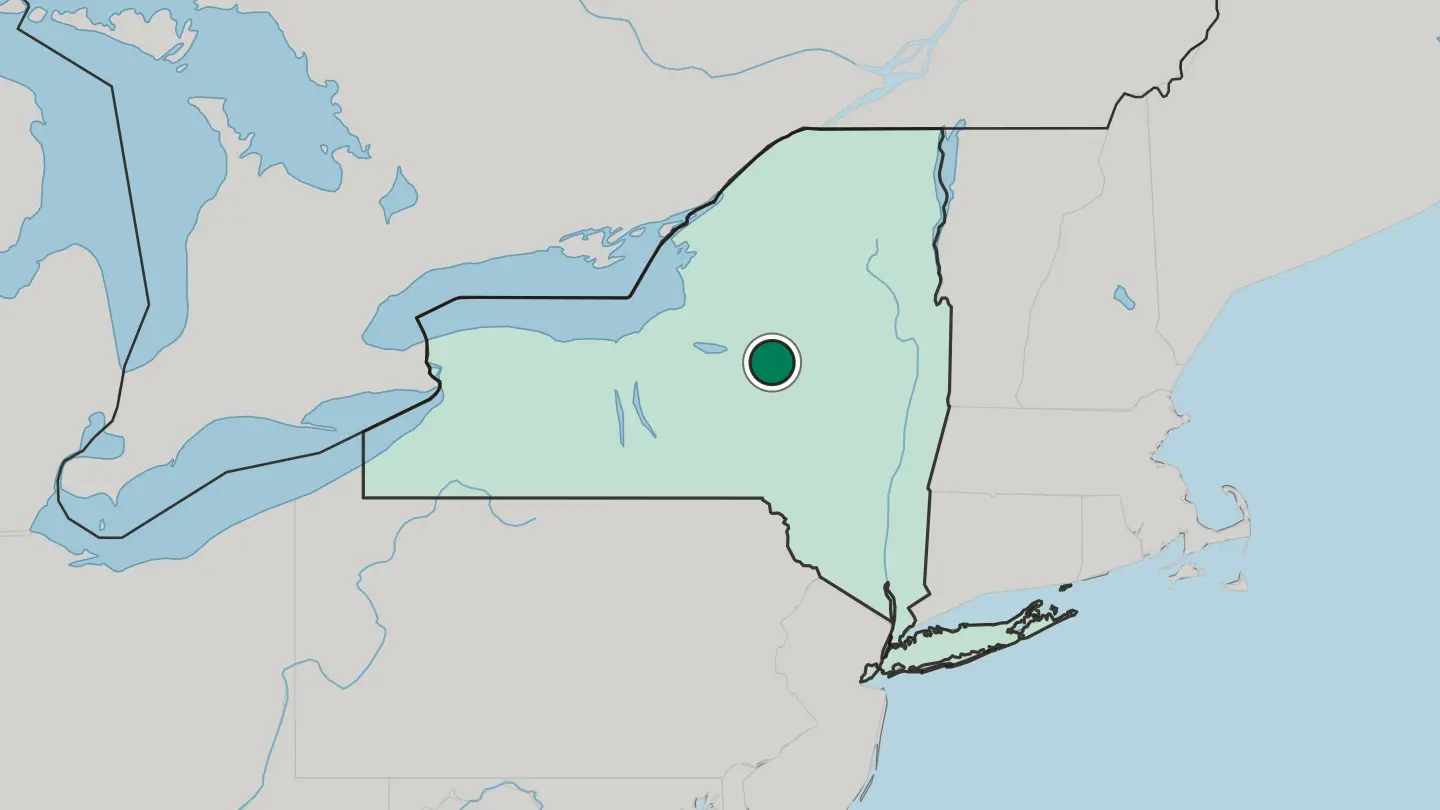 United States
Brentwood
Brentwood is a hamlet in the Town of Islip in Suffolk County, on Long Island in New York, outside New York City.Where to stay →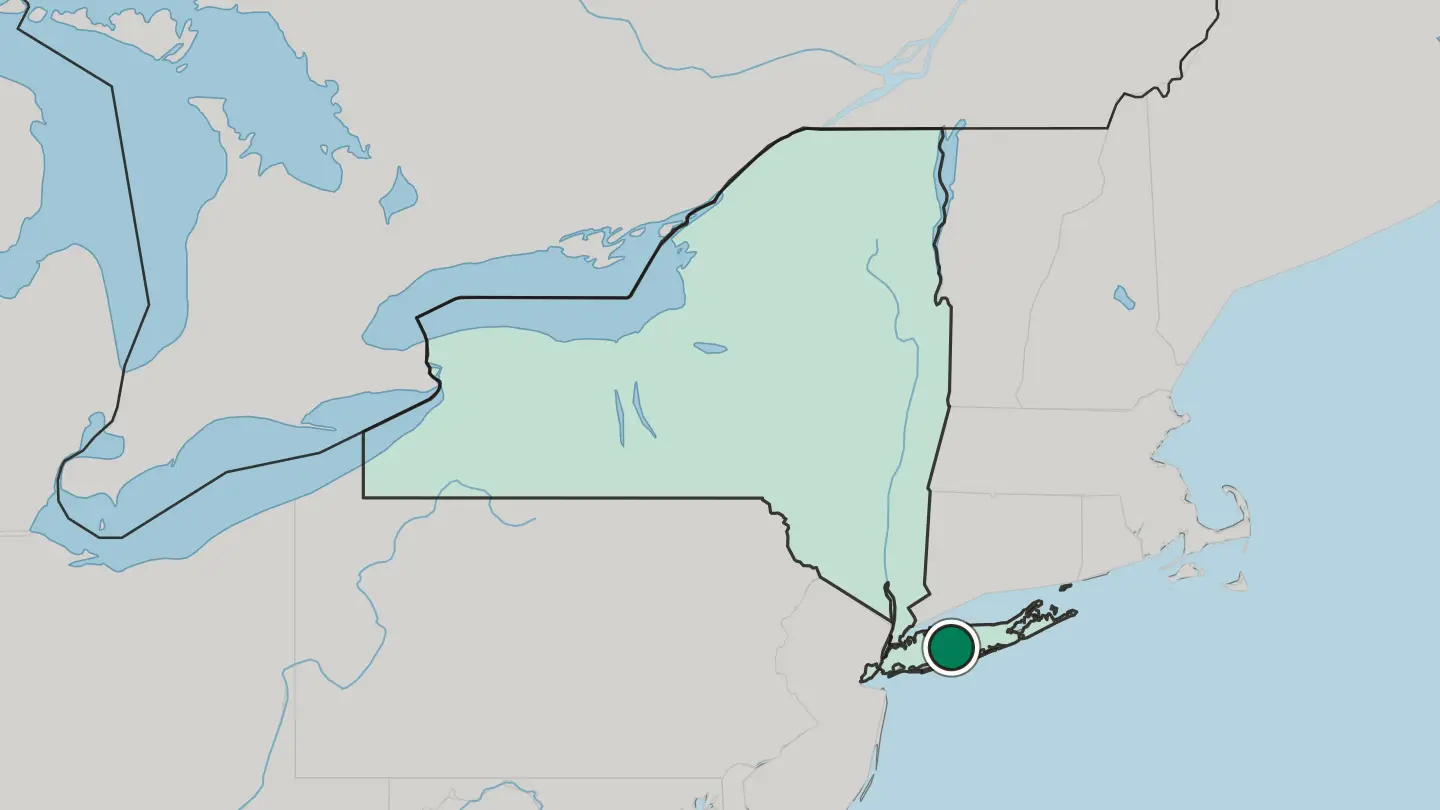
 United States
White Plains
White Plains is the seat of Westchester County and its commercial hub, an inner suburb 25 miles north of Midtown Manhattan.Where to stay →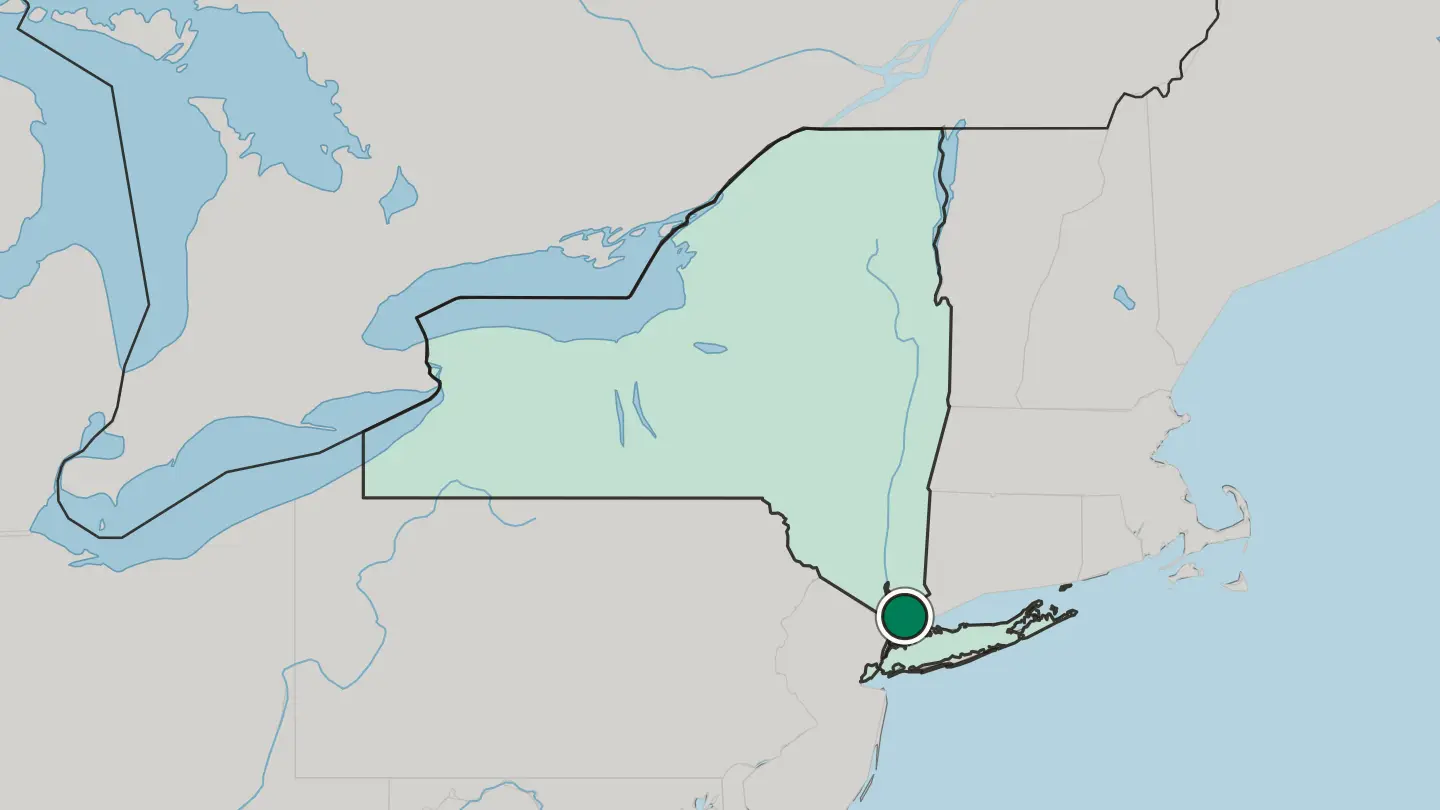 United States
Hempstead
Hempstead is a town on the South Shore of Nassau County, New York, holding 22 villages and forty neighbourhoods on Long Island beside Queens.Where to stay →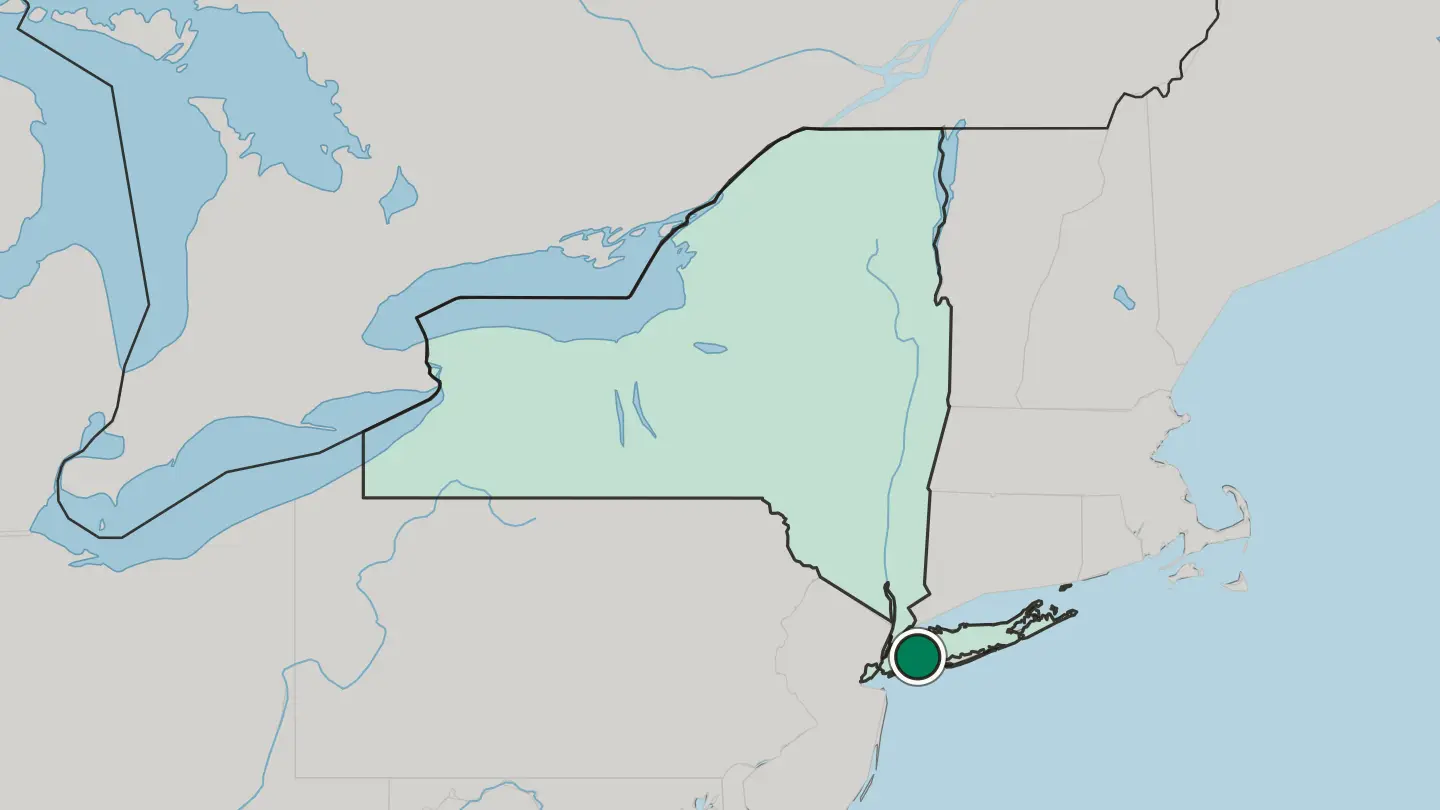
 United States
Levittown
Levittown is a hamlet in the Town of Hempstead on Long Island, set halfway between Hempstead and Farmingdale in Nassau County, New York.Where to stay →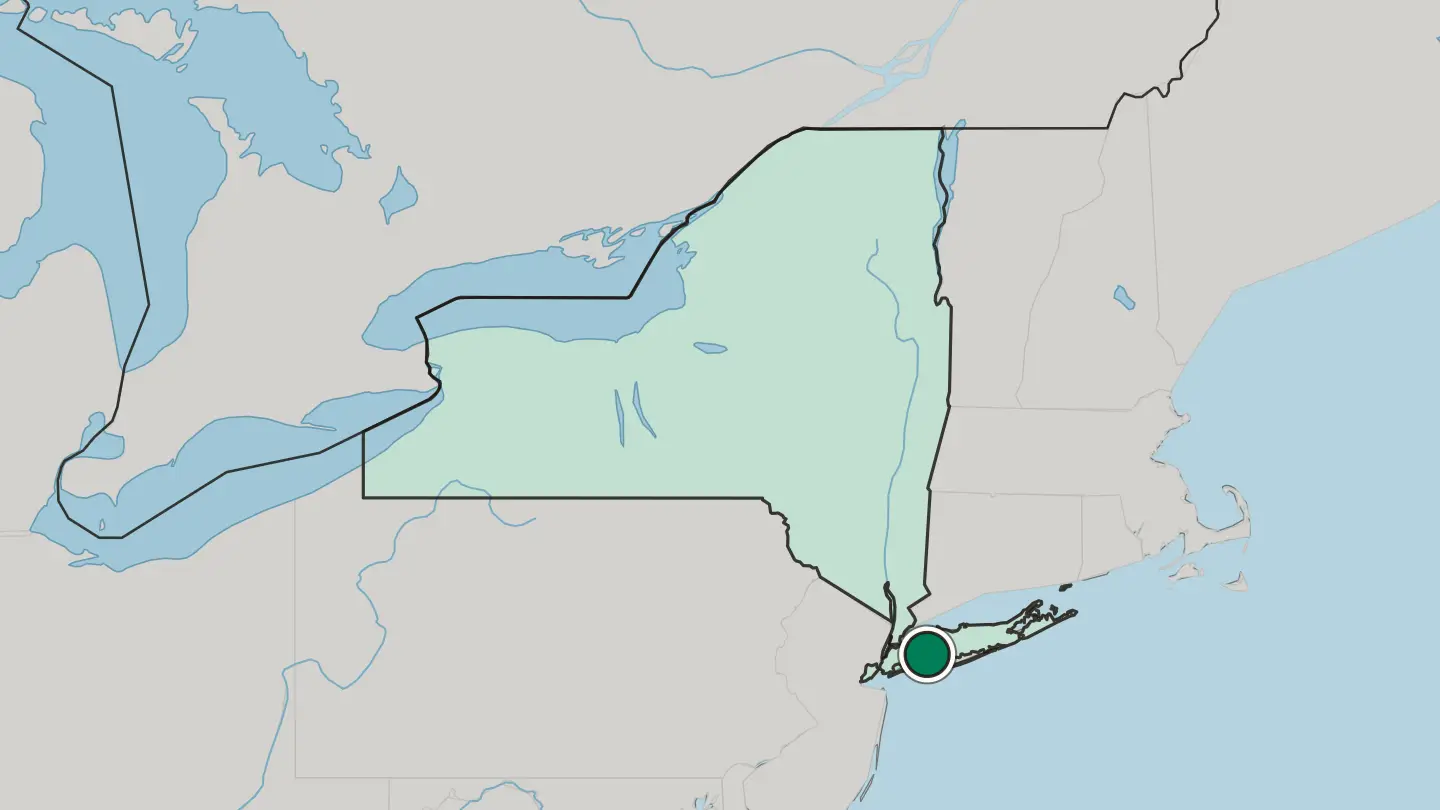
 United States
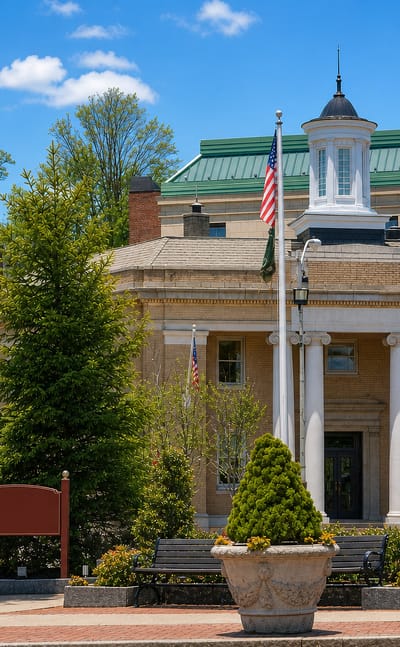
Tuckahoe
Tuckahoe is a village in southern Westchester County, New York, on the Bronx River, once called the marble capital of the world for its quarries.Where to stay →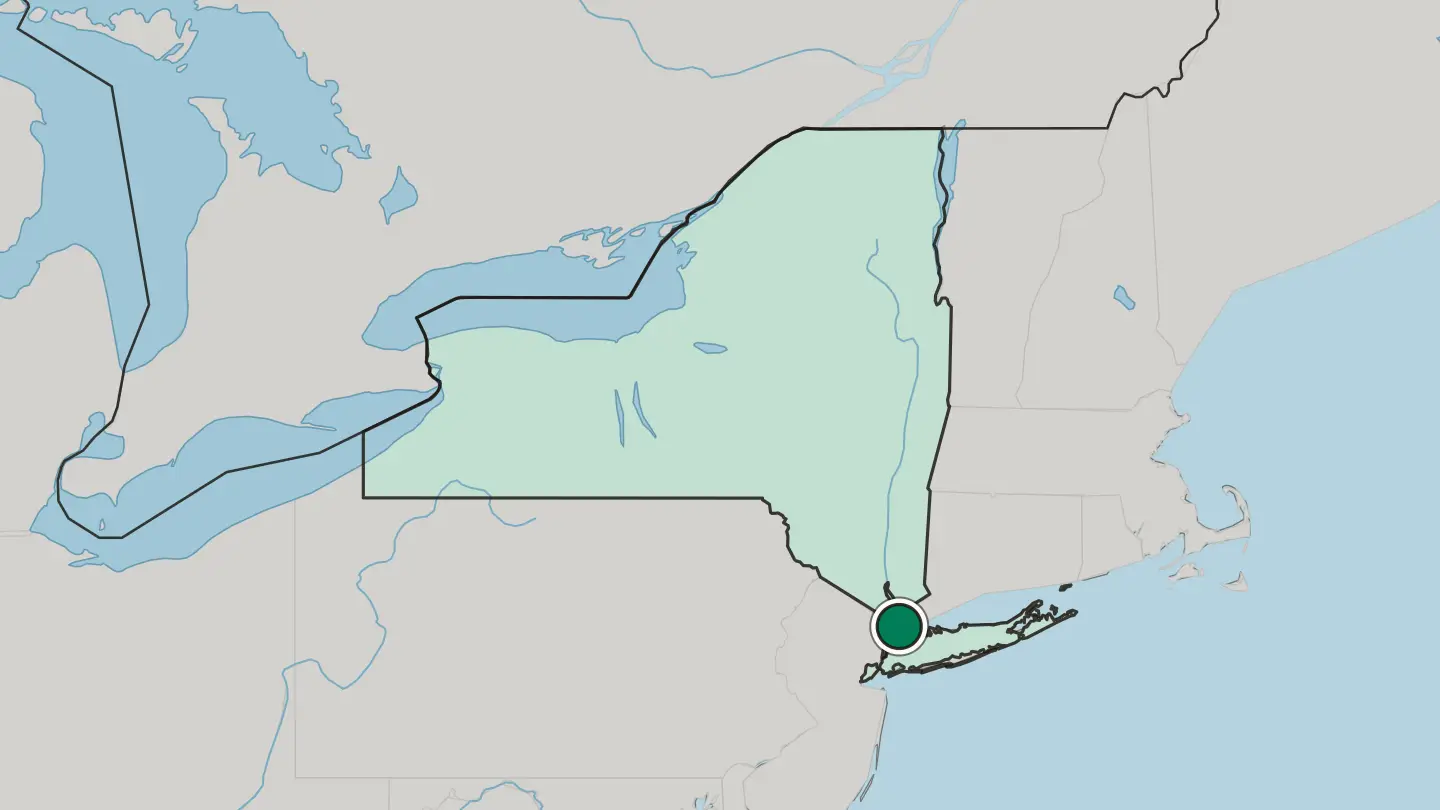
Hotel links are affiliate links: booking through them may earn us a commission, at no extra cost to you. It never affects how places are ranked. How this works
About New York
What is New York known for?
New York is known first as one of the founding states of the United States, organized in 1788 among the earliest members of the young republic. Its standing is old. As the State of New York, it holds a settled place within the United States, a temperate stretch of the Northern Hemisphere whose identity rests on that long-established statehood rather than on any single feature.
The founding year defines it.
Where is New York?
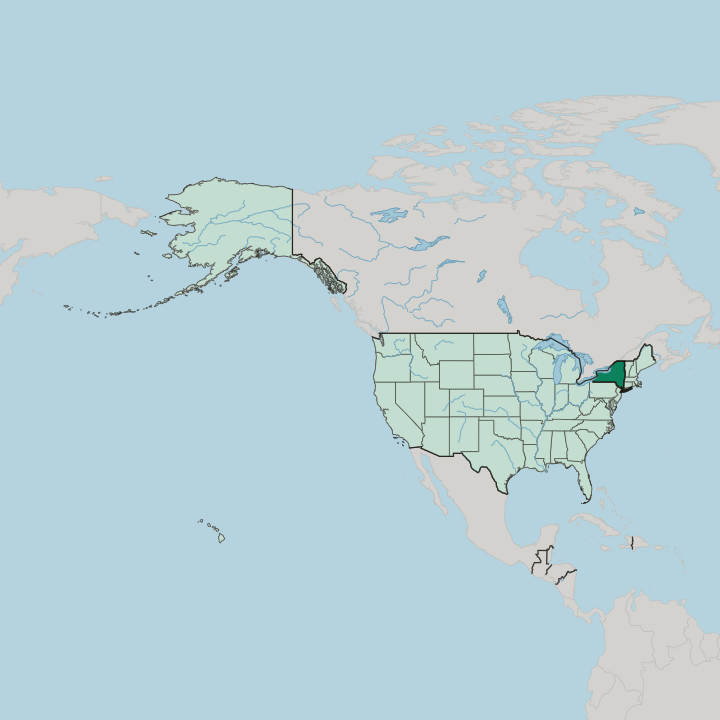
New York lies within the United States, one of the constituent states that make up the country in the temperate Northern Hemisphere. Its ground is part of the whole. As the State of New York, it holds a fixed place among the states of the United States, its borders long settled and its position set firmly in the northern half of the world.
The temperate band shapes it. Within the Northern Hemisphere, New York moves through the full turn of the four seasons, from warm summers to cold winters across its part of the United States. The seasons come in order.
Firm borders, a temperate climate, and a northern place in the United States define the geography of the State of New York more than any river or coast named on a map. Little else can be pinned down. What holds is its membership in the United States, its long-standing outline as the State of New York, and its temperate seat in the Northern Hemisphere.
What is New York like?
New York carries the identity of a long-established state of the United States, its culture bound up with that membership rather than with a single landscape. Its roots run to the founding. Organized in 1788 among the earliest states of the young republic, the State of New York holds one of the oldest civic identities among the founding states of the United States.
That heritage still defines it. As a temperate state of the Northern Hemisphere, New York shares the seasonal rhythm of the wider country, its public life turning with the four seasons across the year. The seasons order the calendar.
More than any one custom, it is this settled membership in the United States, held since 1788, that gives the State of New York its enduring character. Its name is known widely. Beyond that, the culture of New York rests on its standing as one of the founding states of the United States in the temperate Northern Hemisphere.
What is the history of New York?
New York entered the United States in 1788, one of the founding states of the new republic. Its statehood is old. From that founding, the State of New York took its place among the earliest members of the United States, and the year 1788 has marked the start of its settled history ever after.
That year still anchors it.
What is the climate of New York?
New York has a temperate climate, set in the Northern Hemisphere where the year turns through four clear seasons. Summers run warm. Through the colder months the temperate climate brings cool-to-cold winters across the State of New York, and the seasons swing widely between the warm and cold halves of the year in this part of the United States.
The Northern Hemisphere sets the rhythm.
How do you get to New York?
New York is reached as part of the United States, tied into the road, rail, and air networks that cross the country. Access follows the nation's grid. Travellers arrive into the State of New York overland and by air from across the United States, since its routes connect to the wider network of the country rather than standing apart from it.
The country carries all who come.
More regions in United States
Updated October 2026