United States · New York · New York City
Manhattan, New York City — Area Guide & Where to Stay
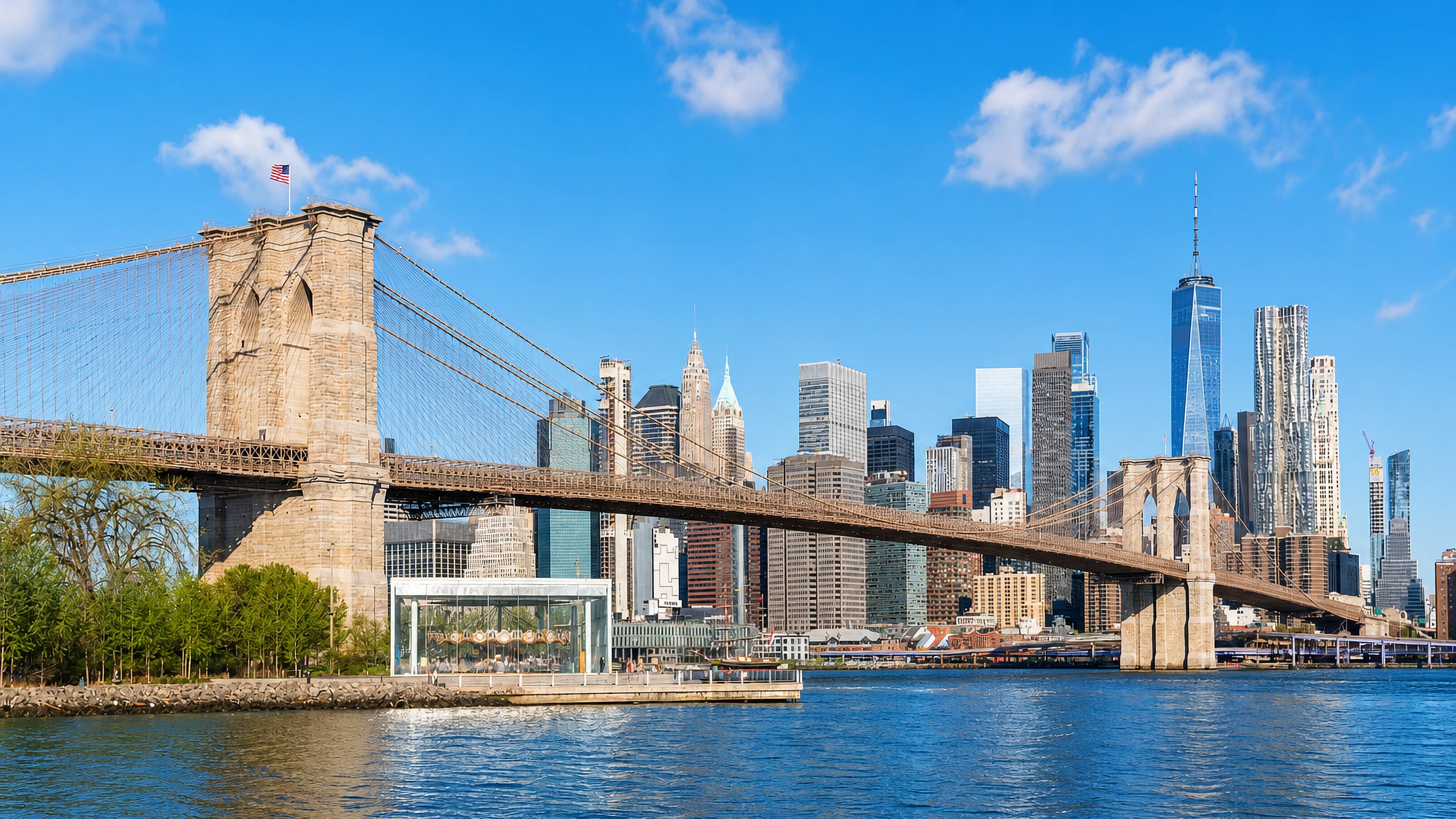
Skyscrapers crowd Manhattan Island, the urban core of New York City and its financial and cultural center, known for the Museum of Modern Art.
Hotel links are affiliate links: booking through them may earn us a commission, at no extra cost to you. It never affects how places are ranked. How this works


Map data © OpenStreetMap contributors
Where to stay in Manhattan
Where visitors usually base themselves, and why.
Manhattan stretches the length of Manhattan Island, and each stretch offers a different base for a stay. Midtown wraps the Museum of Modern Art, Saint Thomas Church, and the theater blocks, and it puts you within walking reach of most of the borough's headline sights. The pace is relentless here.
Downtown, the streets around Trinity Church, Castle Clinton, and the National September 11 Memorial & Museum trade some of that intensity for waterfront light and colonial-era lanes at the island's southern tip. Farther uptown the mood softens. The blocks near the Whitney Museum of American Art and the Rubin Museum of Art lean quieter and more residential, close to shops and cafes rather than office towers.
The Morgan Library & Museum and the Museum of Sex anchor the Murray Hill and Flatiron stretches in between. Stay in Midtown for sights and transit. If you want river views and a slower evening, the downtown quarter around Castle Clinton suits you, while art-minded travelers gravitate toward the streets around the Whitney Museum of American Art.
Find hotels in Manhattan
Direct booking searches for these neighbourhoods.
Midtown
Wraps the Museum of Modern Art and Saint Thomas Church within walking reach of most headline sightsFind hotels in MidtownWaterfront light near Castle Clinton and the September 11 memorialDowntown
Colonial-era lanes around Trinity Church and Castle Clinton at the island's southern tipFind hotels in DowntownArt-minded travelers near the Whitney Museum of American ArtUptown museum blocks
Quieter residential streets by the Whitney Museum of American Art and the Rubin Museum of ArtFind hotels in Uptown museum blocksHotel links are affiliate links: booking through them may earn us a commission, at no extra cost to you. It never affects how places are ranked. How this works
Things to do in and around New York City
Ranked by global recognition; descriptions from Wikidata (CC0).
Museums & Galleries
3- The Morgan Library & Museum Heritage
- Museum of Modern Art
- National September 11 Memorial & Museum
Churches & Religious Sites
4- Trinity Church Heritage
- St. Patrick's Old Cathedral Heritage
- Saint Thomas Church Heritage
- Judson Memorial Church Heritage
Castles & Historic Sites
2- Castle Clinton Heritage
- World Trade Center cross
Stadiums & Sports
1- Hammerstein Ballroom
worth knowingacross 4 categories in and around New York City
About Manhattan
What are the main landmarks in Manhattan?
Manhattan's landmarks span faith, art, and memory across Manhattan Island, the economic and cultural center of New York City. The Museum of Modern Art and the Whitney Museum of American Art hold world collections, while The Morgan Library & Museum keeps rare manuscripts. Older stone anchors the streets.
Wall Street runs near Trinity Church, and St. Patrick's Old Cathedral dates to the city's earlier centuries. Castle Clinton guards the harbor at the southern shore, where ferry piers ring the island, and the National September 11 Memorial & Museum marks the site of the World Trade Center. It remains the urban core of the New York metropolitan area.
What is the history of Manhattan?
Manhattan took shape in 1624 as a Dutch trading post at the southern tip of Manhattan Island. The harbor made it. Ships tied up where Castle Clinton would later guard the waterfront, and the settlement grew north along the narrow island as trade and immigration swelled its lanes.
Trinity Church rose over the emerging financial streets, and by the nineteenth century the borough had become the commercial heart of a young nation. The twentieth century pushed the skyline upward. Skyscrapers replaced low blocks, museums such as the Museum of Modern Art gathered the arts, and Manhattan settled into its role as the economic and administrative center of New York City.
Loss also marked the island. The National September 11 Memorial & Museum now stands where the World Trade Center fell, a place of memory near the harbor.
Where is Manhattan?
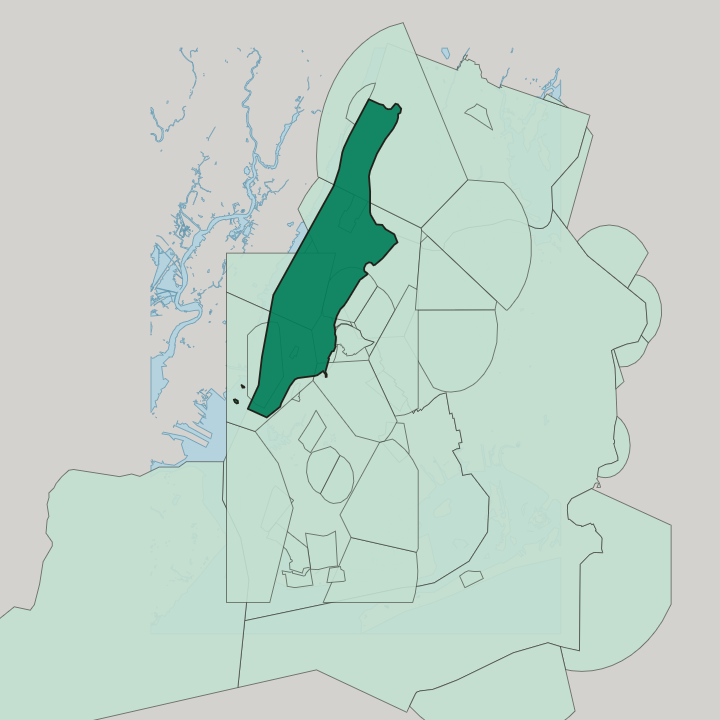
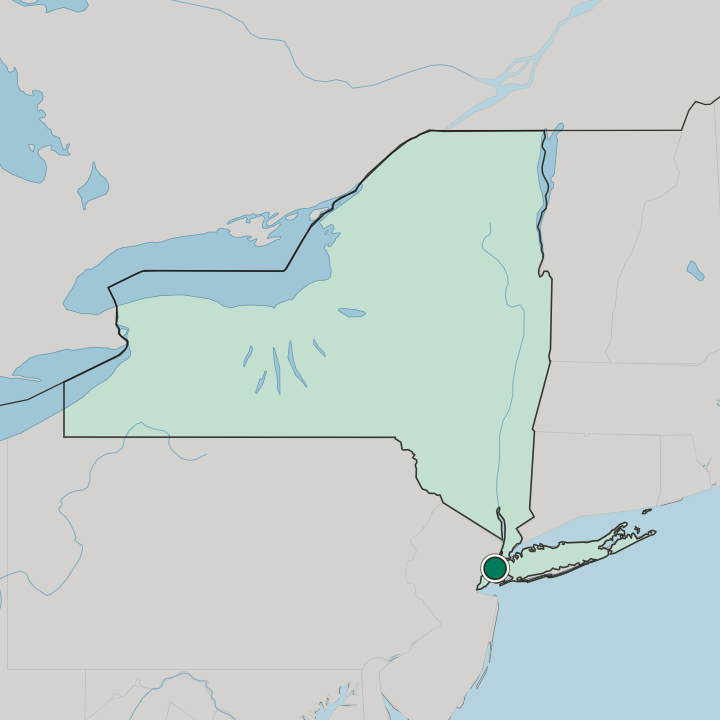
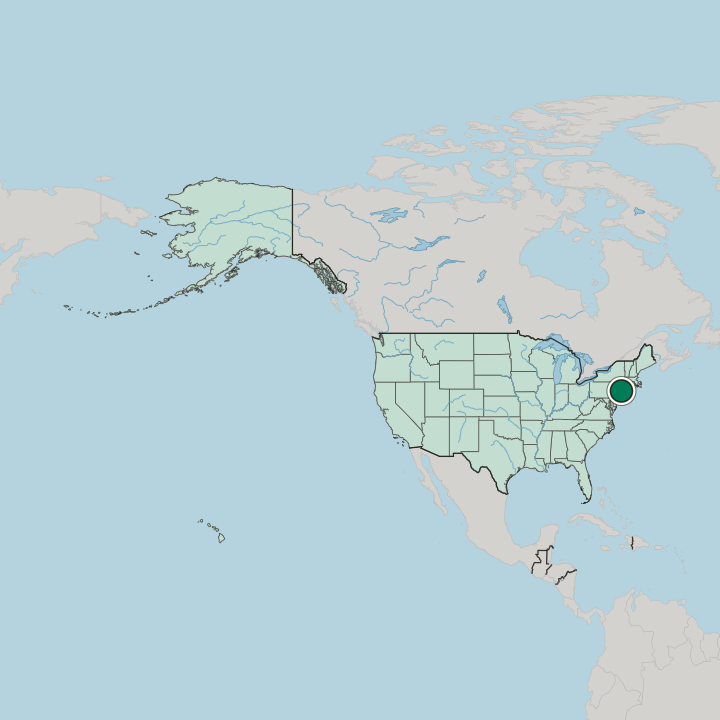
Manhattan lies almost entirely on Manhattan Island, near the southern tip of New York State. It is the smallest of New York City's five boroughs by area and coextensive with New York County. The harbor wraps its shores on nearly every side.
The island sits within the Northeast megalopolis as the urban core of the New York metropolitan area, its harbor opening south past Castle Clinton toward the sea.
Common questions
What is the best area to stay in Manhattan?
Midtown: First-time visitors close to the Museum of Modern Art and the theater blocks. Downtown: Waterfront light near Castle Clinton and the September 11 memorial. Uptown museum blocks: Art-minded travelers near the Whitney Museum of American Art.
Good for
More areas in New York City
Updated October 2026