United States · Ohio
Where to Stay in Columbus, Ohio
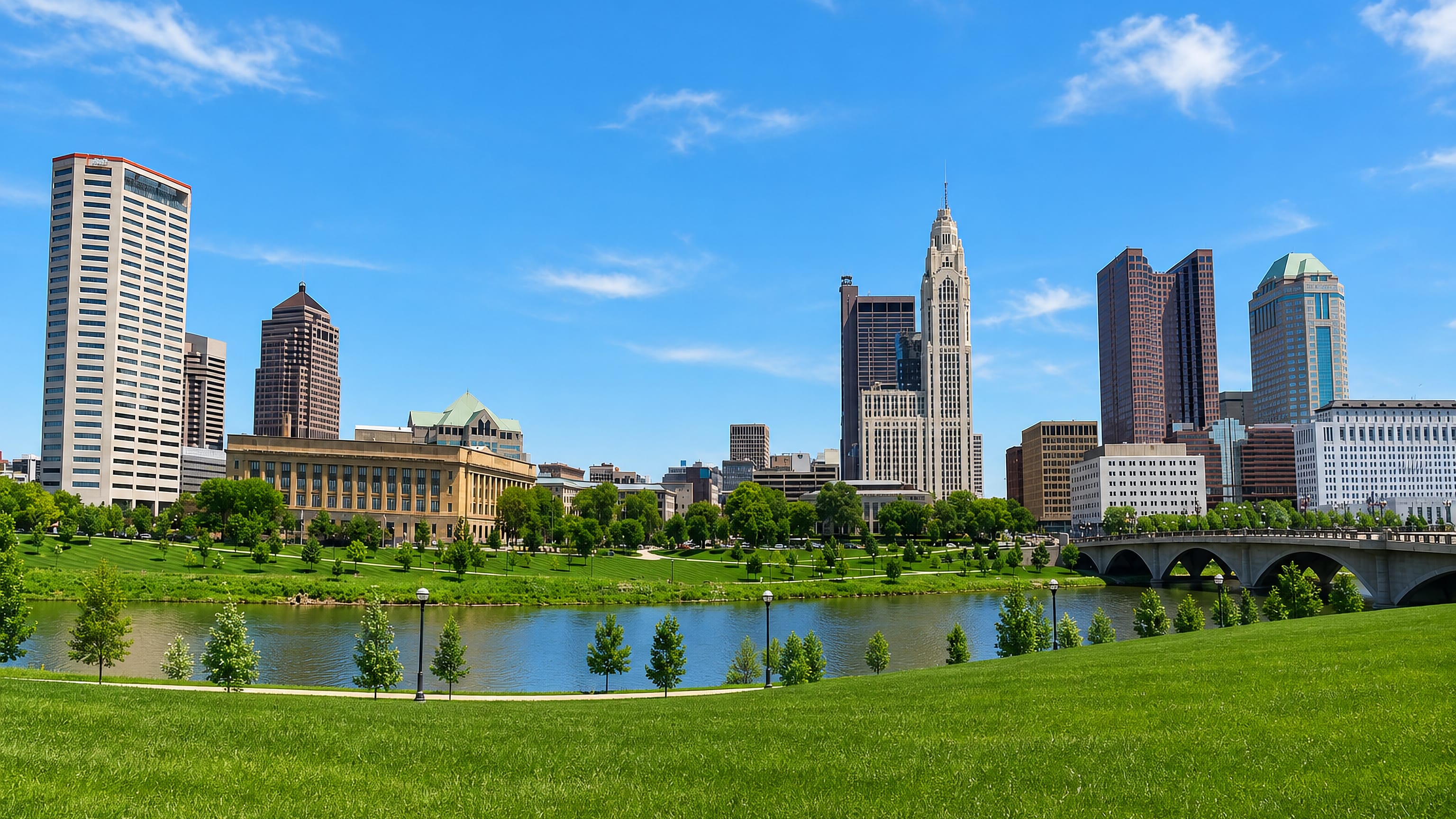
Columbus is the capital of Ohio at the centre of the state, a river city known for the Columbus Museum of Art, Ohio State University, and Thurber House.
Hotel links are affiliate links: booking through them may earn us a commission, at no extra cost to you. It never affects how places are ranked. How this works


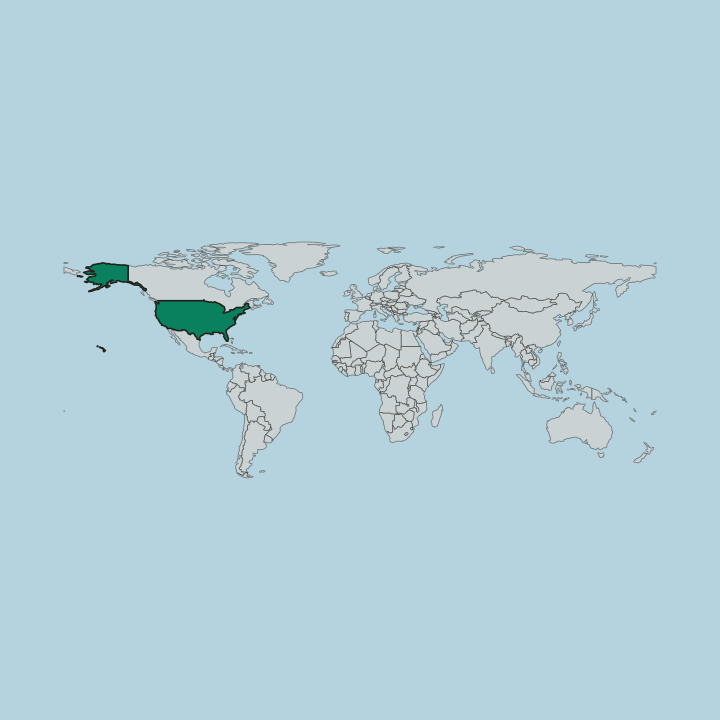
Where to stay in Columbus
One neighbourhood here has its own guide — here's what it is best for.

 ColumbusUnited States
Downtown Columbus
Downtown Columbus is the central business district of Columbus, Ohio, centred where Broad and High Streets cross inside the Inner Belt.Where to stay →Hotel links are affiliate links: booking through them may earn us a commission, at no extra cost to you. It never affects how places are ranked. How this works
Find hotels in Columbus
Direct booking searches for these neighbourhoods.
Downtown
The downtown blocks gather the Columbus Museum of Art, the Cultural Arts Center, and the Ohio Holocaust and Liberators Memorial within one walkable core of the Ohio capital.Find hotels in DowntownVisitors tied to campus life around Ohio State University and Huntington ParkUniversity District
The streets around Ohio State University fill with student cafes and put Huntington Park and its summer ballgames a short ride from the room.Find hotels in University DistrictHeritage travellers near Thurber House and the Kelton House Museum and GardenNear East Side
The older east-side lanes preserve Thurber House, the Kelton House Museum and Garden, and Saint Patrick Church among early Columbus homes and sanctuaries.Find hotels in Near East SideHotel links are affiliate links: booking through them may earn us a commission, at no extra cost to you. It never affects how places are ranked. How this works
Things to do in Columbus
Ranked by global recognition; descriptions from Wikidata (CC0).
Museums & Galleries
3- Columbus Museum of Art Heritage
- Kelton House Museum and Garden
- Cultural Arts Center
Churches & Religious Sites
3- Trinity Episcopal Church Heritage
- Broad Street Christian Church Heritage
- East Broad Street Presbyterian Church Heritage
Castles & Historic Sites
3- Berry Brothers Bolt Works Heritage
- Ohio Holocaust and Liberators Memorial
- Columbus Police Memorial
Stadiums & Sports
1- Huntington Park
Landmarks & Notable Places
8- Thurber House Heritage
- Captain Edward V. Rickenbacker House Heritage
- Snowden-Gray House Heritage
- Charles Frederick Myers house Heritage
- W.H. Jones Mansion Heritage
Show 3 more →
- Hanna House Heritage
- Shedd-Dunn House Heritage
- C.E. Morris House Heritage
worth knowingacross 5 categories in Columbus
About Columbus
What is Columbus known for?
Columbus is known first as the seat of Ohio and the home of Ohio State University, whose campus shapes daily life across the city. The Columbus Museum of Art holds the leading collection at the core of the Greater Columbus area. Culture spreads outward from there.
Thurber House keeps the memory of its writer, while the Cultural Arts Center gives artists a working home. Ballgames draw crowds to Huntington Park through the warm months.
What are the main landmarks in Columbus?
Columbus keeps its landmarks between museum galleries and old church walls. The Columbus Museum of Art holds the city's leading collection, while the Cultural Arts Center gives working artists a downtown home. Faith marks the east side.
Saint Patrick Church, the Broad Street Christian Church, and the East Broad Street Presbyterian Church stand among the older sanctuaries there, joined by house museums like Thurber House and the Kelton House Museum and Garden. Memory holds its own ground. The Ohio Holocaust and Liberators Memorial and the William McKinley Monument anchor the civic core near the capitol of Ohio.
Columbus stacks its landmarks in layers.
What is the history of Columbus?
Columbus was founded in 1812 to serve as the new capital of Ohio, laid out on high ground near the centre of the young state. Its planners chose the site for its river crossings and its reach across the surrounding farm country. The capitol made the town.
Government and learning grew together as the settlement matured. The seat of Ohio drew clerks, lawyers, and lawmakers, while the founding of Ohio State University later turned the city into a centre of study and research at the heart of the Greater Columbus area. Trade followed the roads and rails.
Nineteenth-century prosperity left a run of grand houses and sanctuaries, among them Thurber House, the Kelton House Museum and Garden, and Saint Patrick Church, which still line the older east side. Civic pride raised its own markers, and the William McKinley Monument rose near the capitol to honour a fallen president tied to the state. Over the years the city spread outward from its downtown grid toward the ring of suburbs around it.
That founding purpose as the capital of Ohio, more than any single industry, shaped how Columbus came to be.
Where is Columbus?
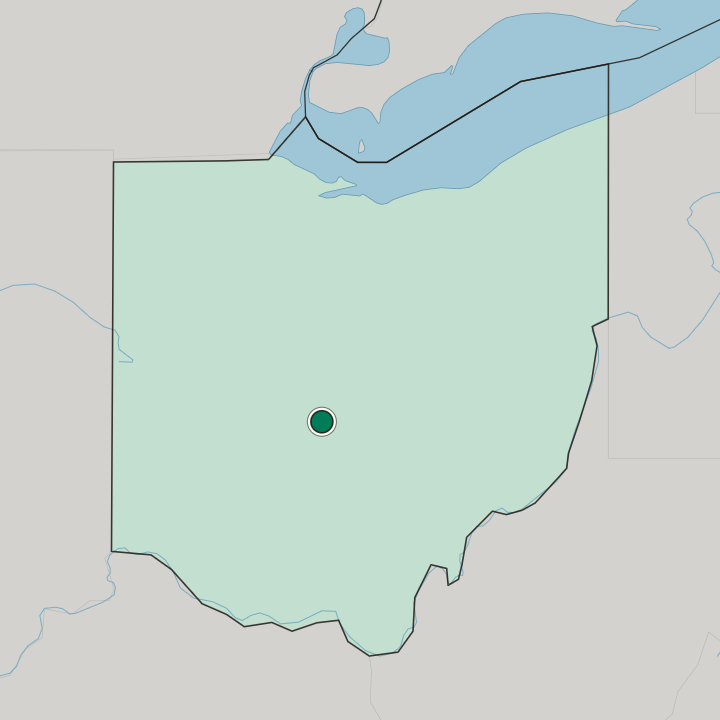
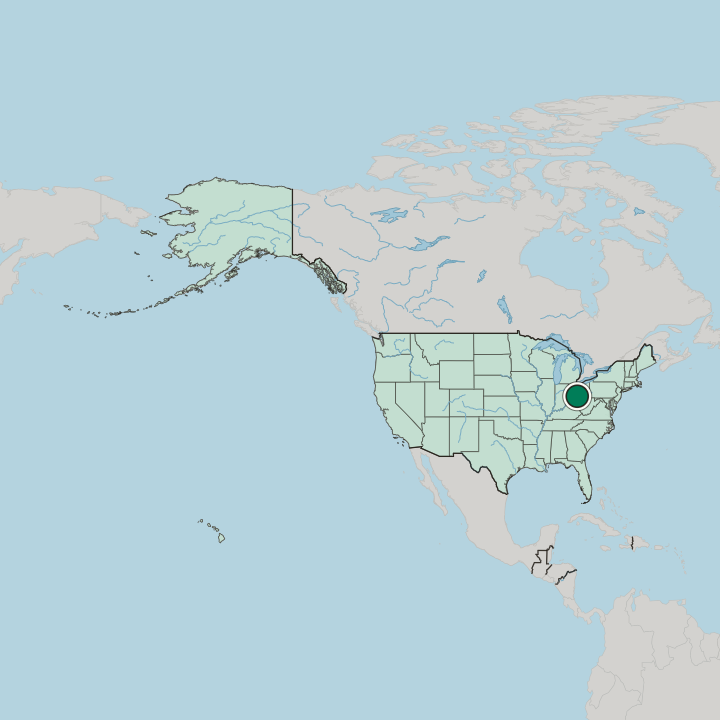
Columbus sits near the centre of Ohio, spread across low ground where several rivers meet on the surrounding farm plain. Its streets run outward from a downtown grid to the ring of suburbs that make up the Greater Columbus area. The land lies broad and gentle here.
That flat, well-watered setting, open to the farm country on every side, gives the capital its easy sprawl. Ohio State University marks the near north side.
What is the climate of Columbus?
Columbus has a humid continental climate with four clear seasons on the plains of Ohio. Summers turn warm and often muggy, while winters bring cold spells, snow, and grey skies to the centre of the state. Spring arrives green and wet.
Storms cross in the warmer months. Rain and snow spread fairly evenly through the year across the Greater Columbus area, and the open farm country around the city offers little shelter from the winds that sweep the flat interior. Autumn is the mildest stretch.
How do you get to Columbus?
Columbus sits at the meeting of several interstate highways near the centre of Ohio, served by its own airport on the east side. Most visitors arrive by road or air. From downtown it is a short drive out to Ohio State University and the wider Greater Columbus area.
The flat grid makes the city simple to cross by car. Rail and bus lines add further links.
Common questions
What is the best area to stay in Columbus?
Downtown: Art and civic travellers wanting the Columbus Museum of Art and the state capitol at the door. University District: Visitors tied to campus life around Ohio State University and Huntington Park. Near East Side: Heritage travellers near Thurber House and the Kelton House Museum and Garden.
Good for
More cities in Ohio
Updated October 2026