United States
Ohio, United States — Towns & Travel Guide
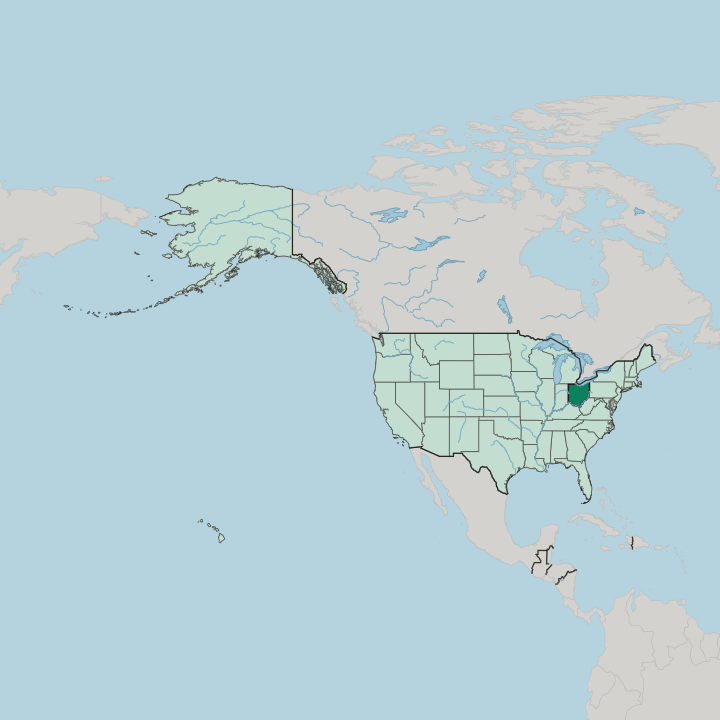
Ohio sits in the Midwestern United States, wrapped by Lake Erie in the north and the Ohio River in the south, with Columbus at its centre.
Hotel links are affiliate links: booking through them may earn us a commission, at no extra cost to you. It never affects how places are ranked. How this works


Towns & cities in Ohio
Pick a town or city — each links to where to stay.
 United States
Columbus
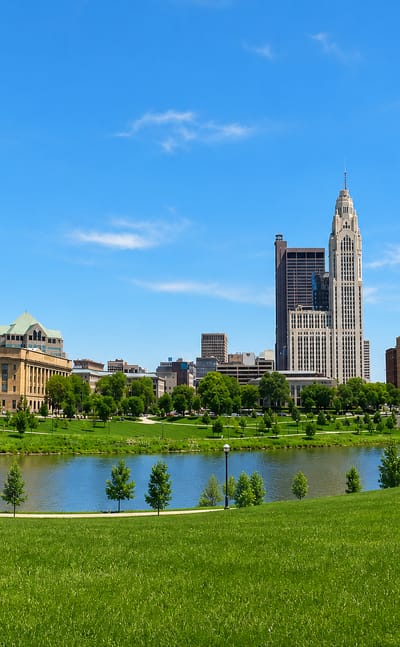
Columbus is the capital of Ohio at the centre of the state, a river city known for the Columbus Museum of Art, Ohio State University, and Thurber House.Where to stay →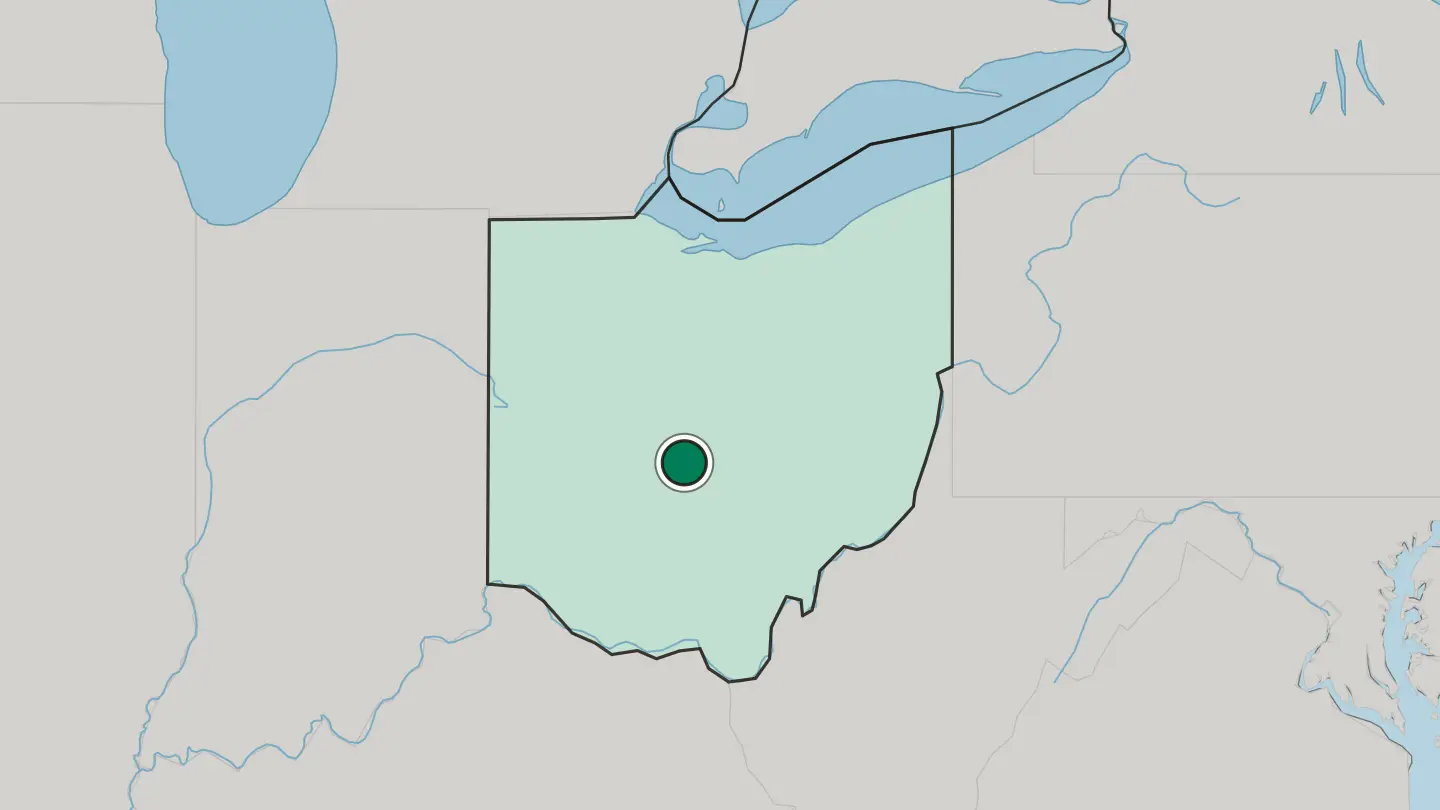
 United States
Cleveland
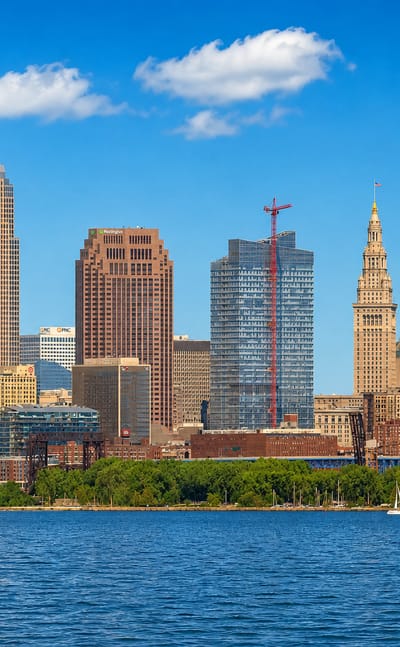
Lake Erie laps the docks at Cleveland, a port city and the seat of Cuyahoga County in Ohio, known for the Rock and Roll Hall of Fame.Where to stay →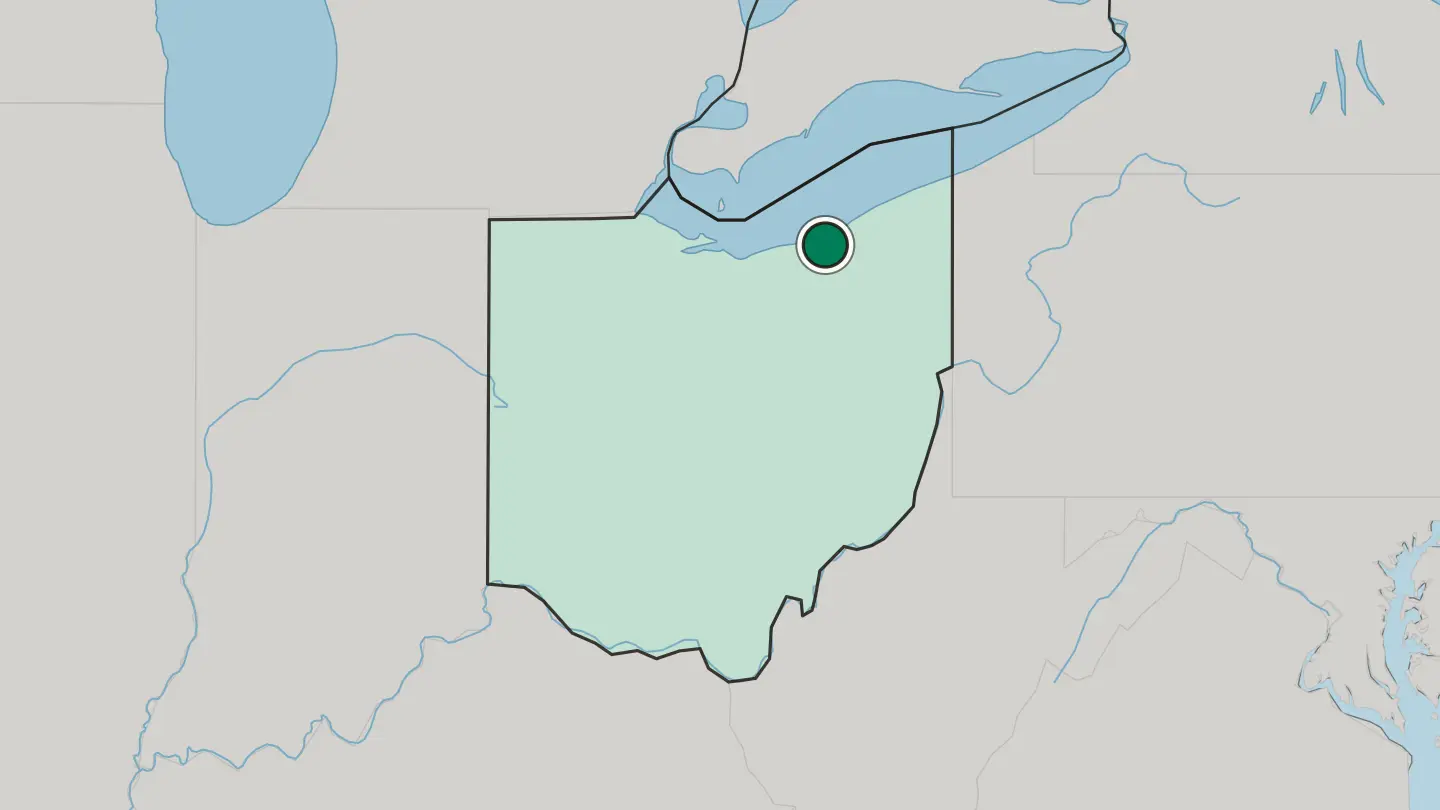
 United States
Cincinnati
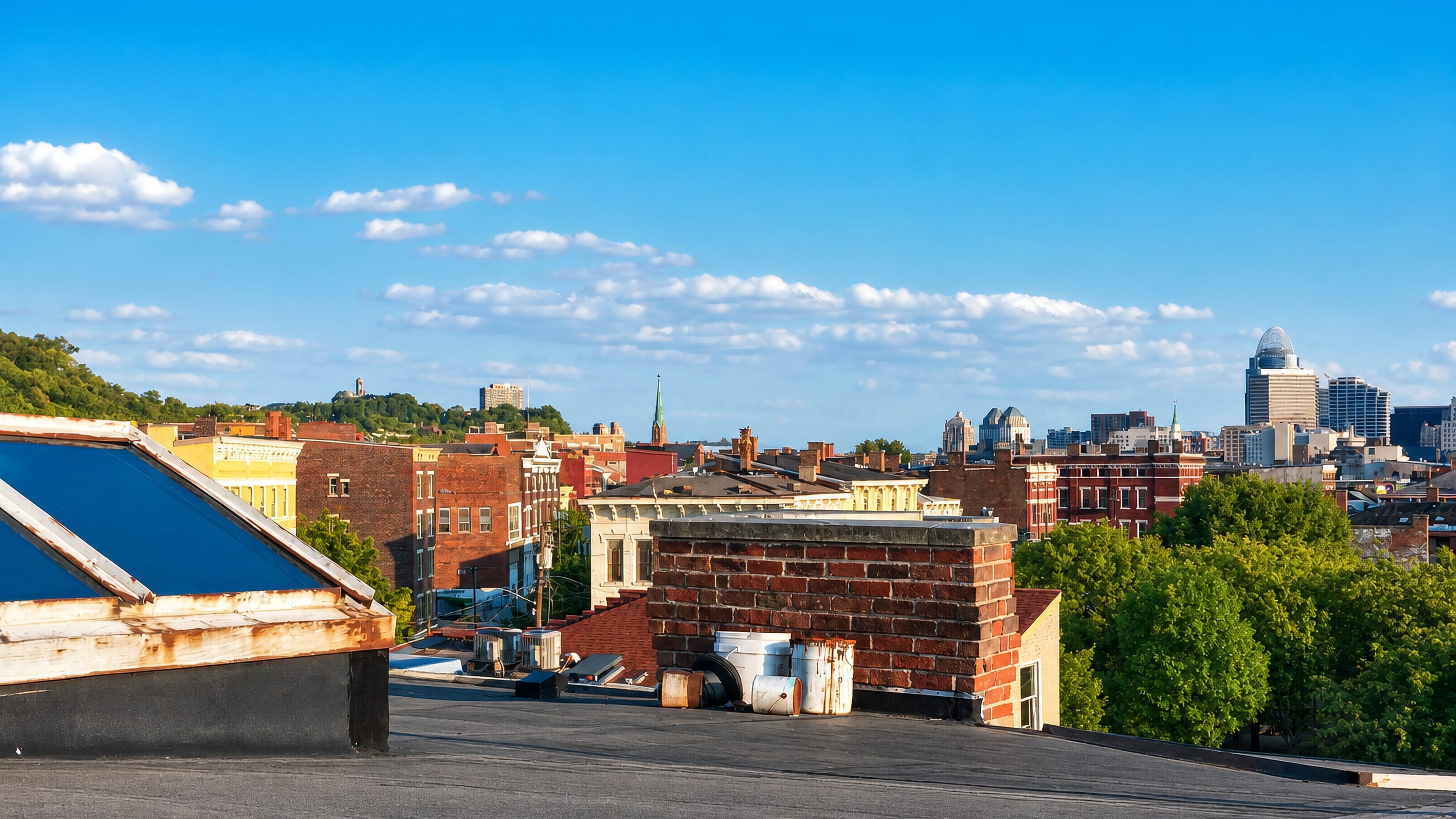
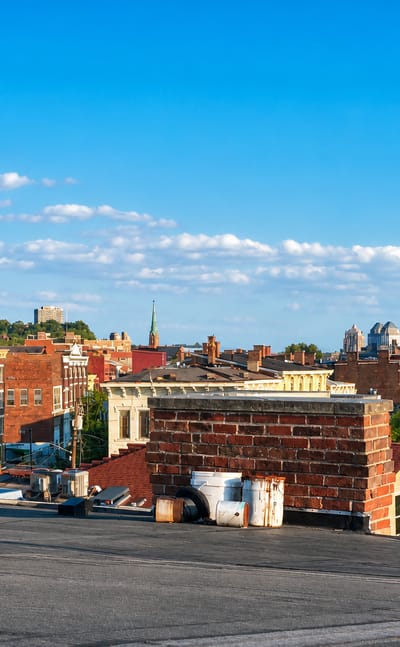
The Ohio River bends past Cincinnati, a hillside city in Ohio founded in 1788 and known for the Cincinnati Art Museum and its Union Terminal.Where to stay →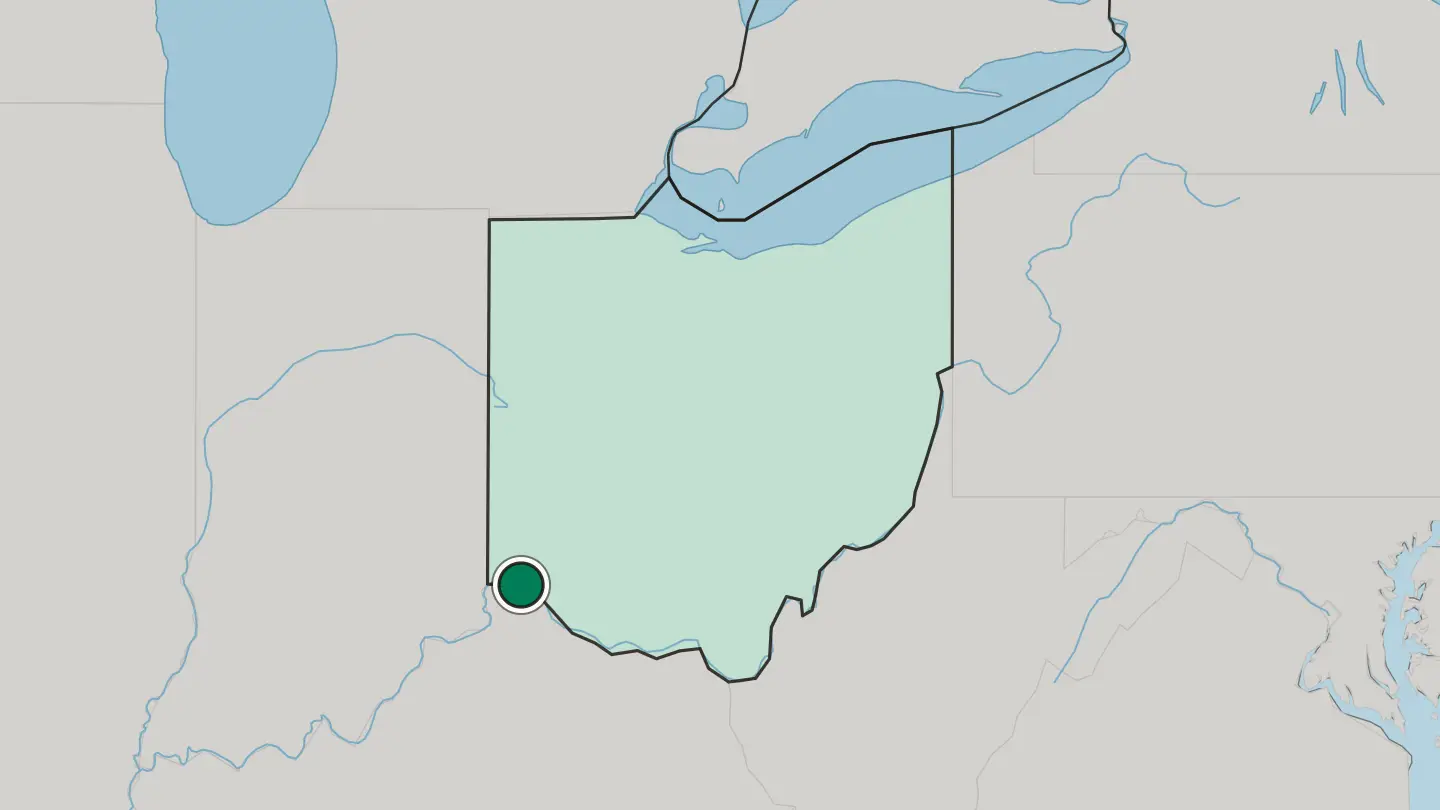
 United States
Toledo
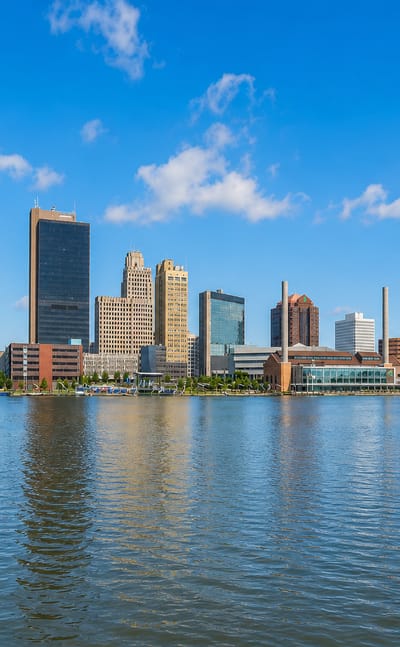
Glass and grey water mark Toledo, a Great Lakes port city in Ohio known for the Toledo Museum of Art.Where to stay →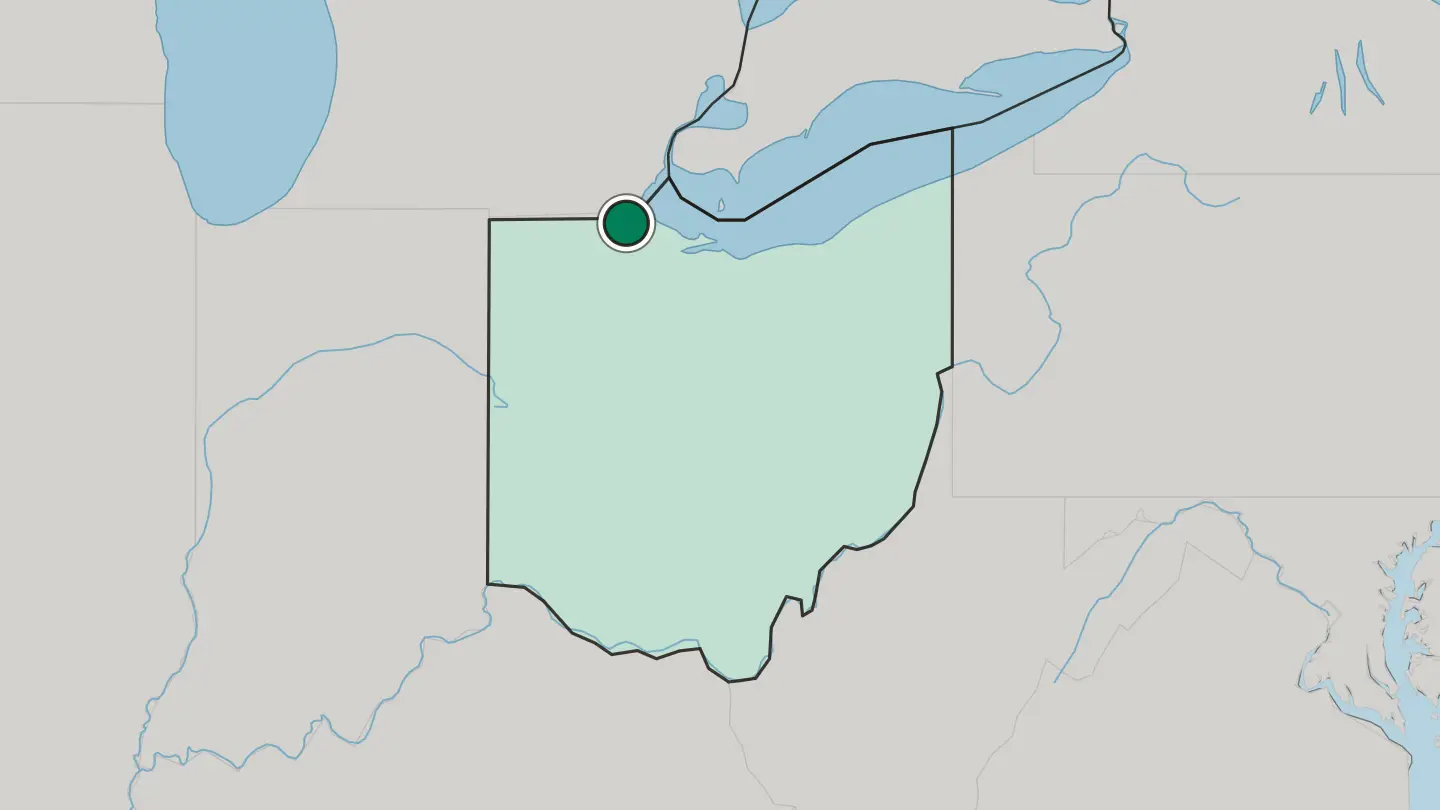
 United States
Akron
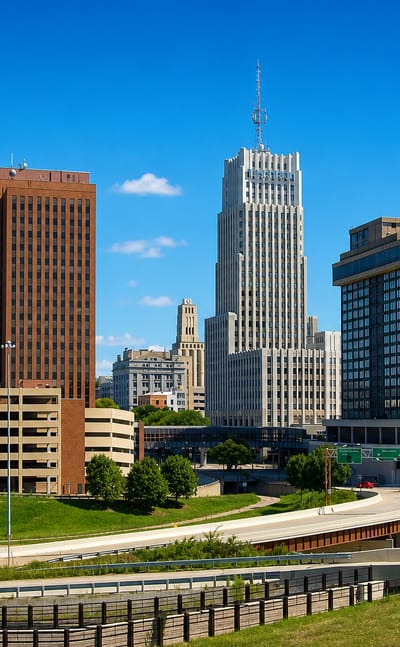
Brick mills line the Little Cuyahoga River at Akron, the seat of Summit County in Northeast Ohio, known for the Akron Art Museum and the Akron Zoo.Where to stay →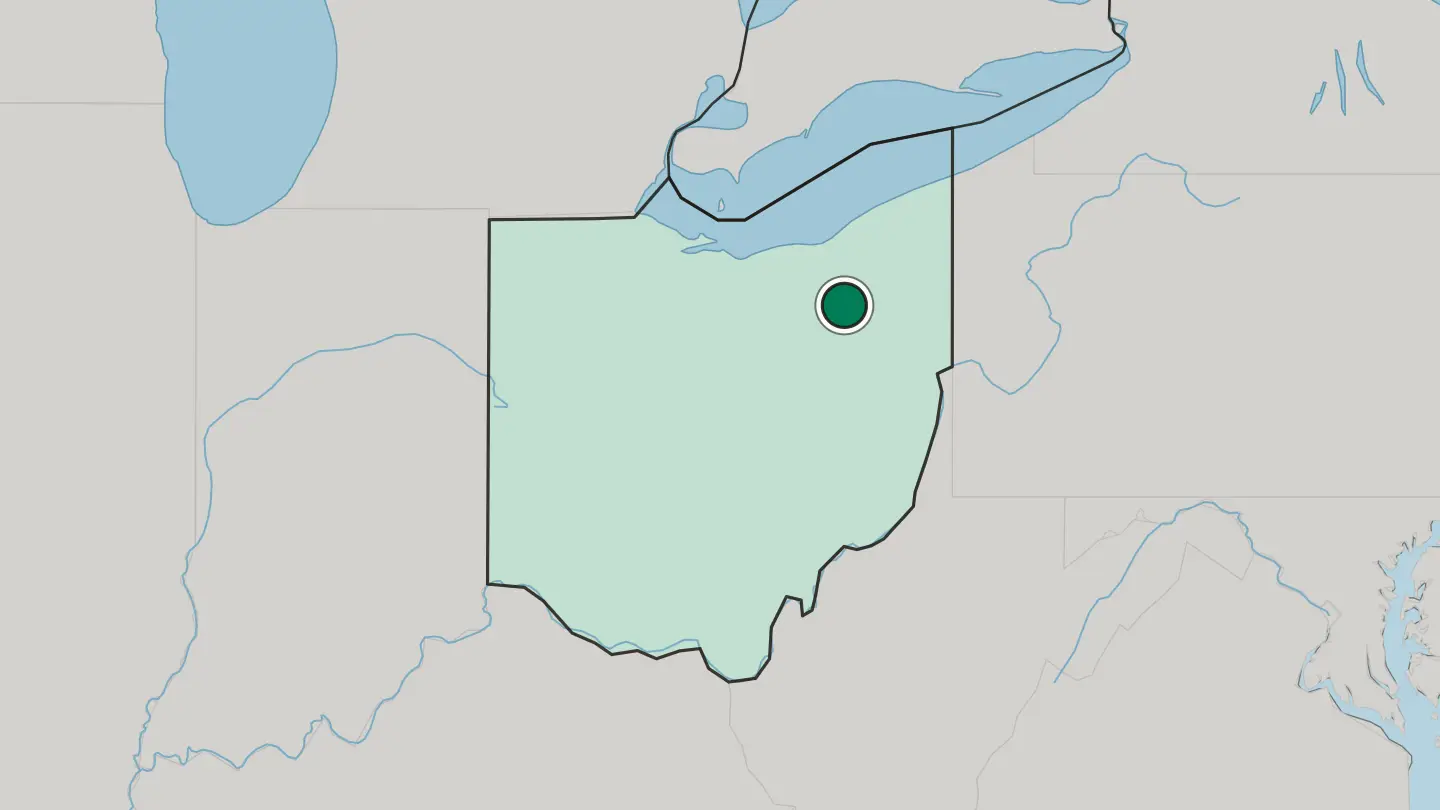
 United States
Dayton
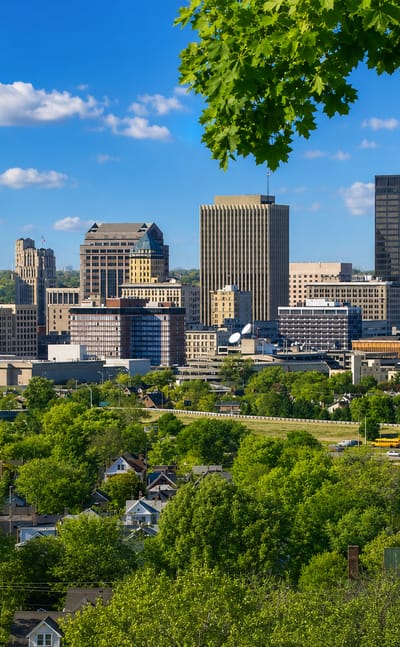
Dayton is a city in the Miami Valley of Ohio, known as the birthplace of aviation and home of the Dayton Art Institute.Where to stay →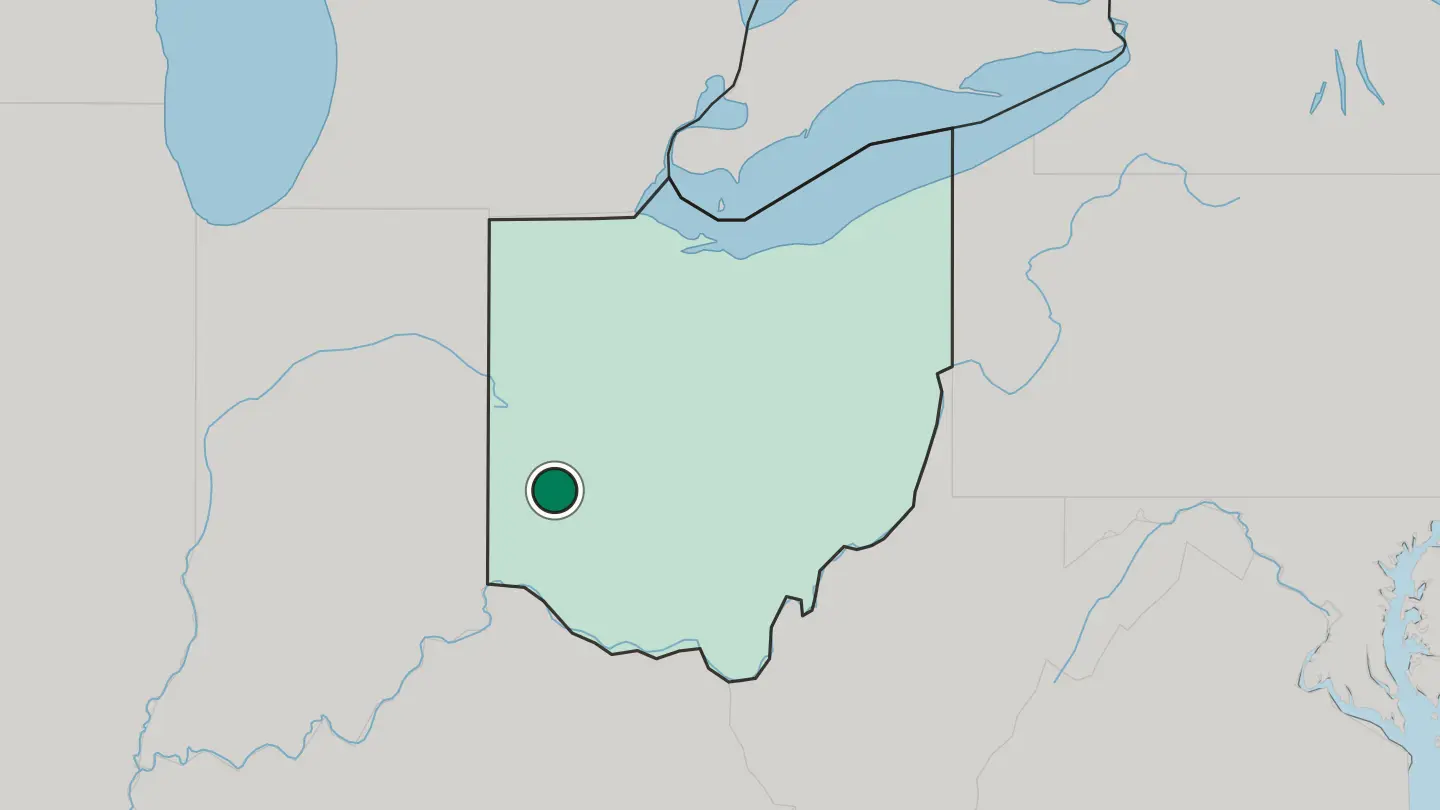 United States
Parma
Parma is Ohio's largest suburb, a Cuyahoga County city south of Cleveland, settled in 1816 and grown from farmland to street after street of housing.Where to stay →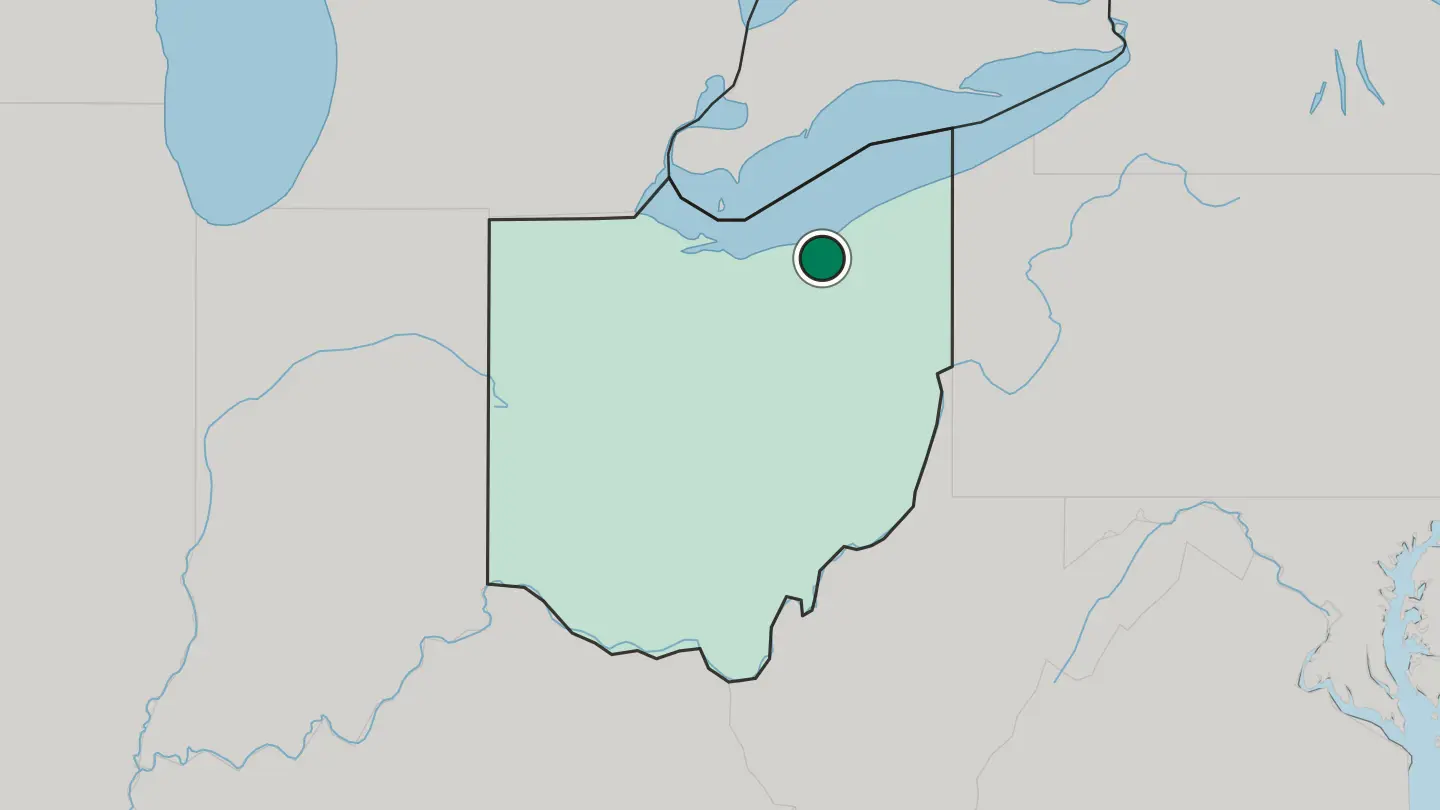
 United States
Canton
Canton is the seat of Stark County in Northeast Ohio, laid out in 1805 and the city where the Pro Football Hall of Fame stands.Where to stay →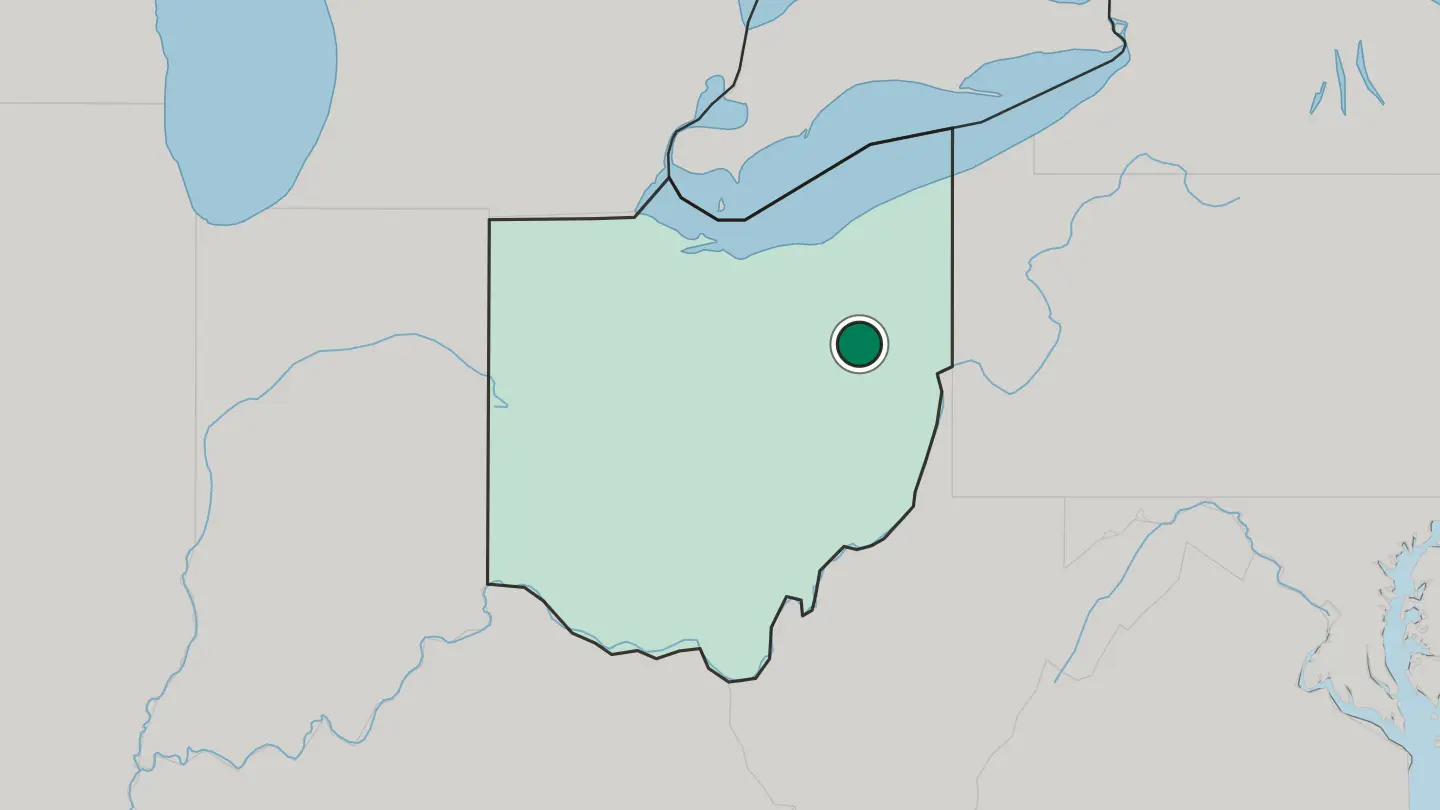
All towns & cities (15)
 United States
Youngstown
Youngstown, the county seat of Mahoning County, grew on the Mahoning River as a coal and steel city of Northeast Ohio.Where to stay →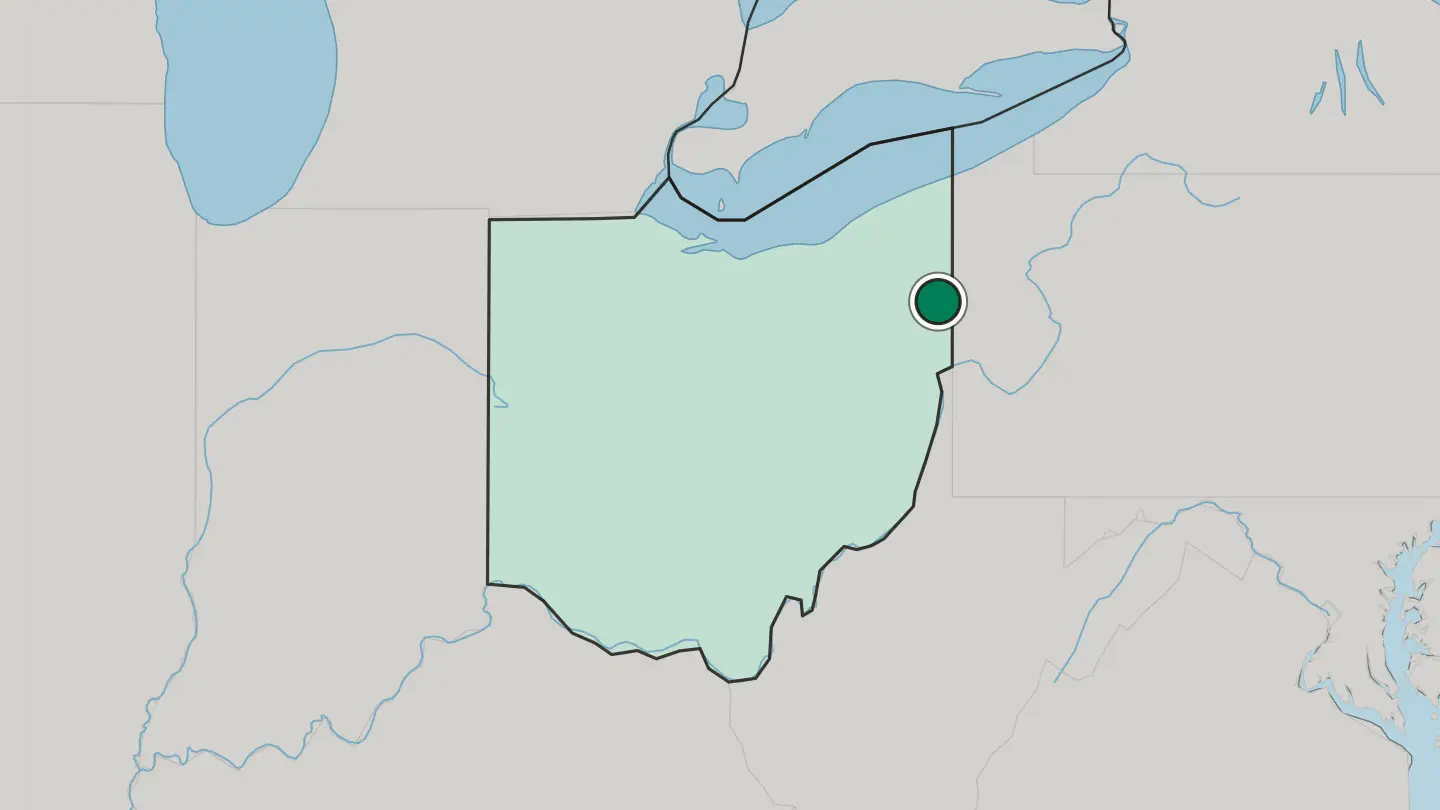
 United States
Lorain
Lorain stands on Lake Erie at the mouth of the Black River, a Northeast Ohio city of 1807 built on steel and shipbuilding.Where to stay →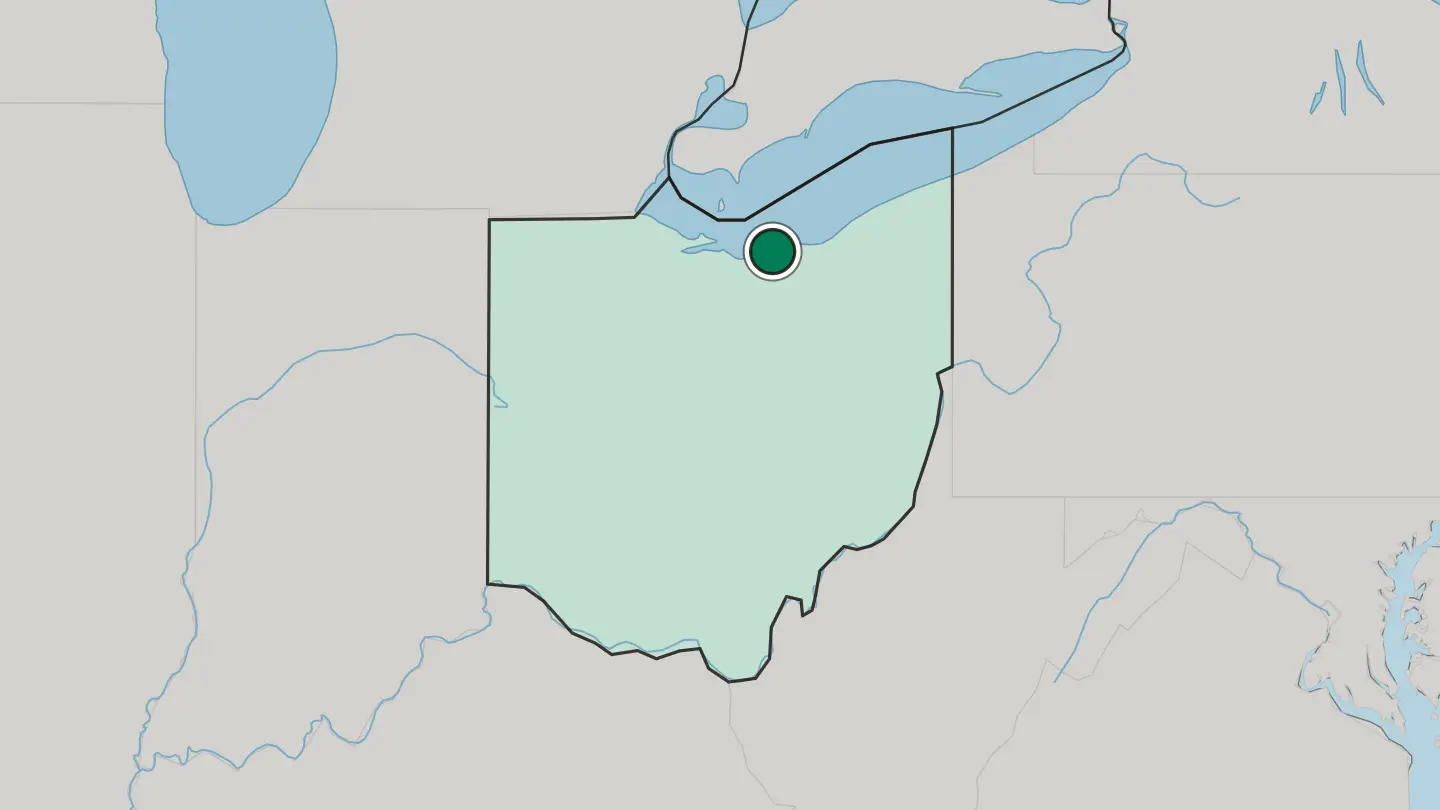
 United States
Hamilton
Hamilton stands on the Great Miami River in Butler County, Ohio, a county seat dating from 1794 with Pyramid Hill Sculpture Park and Museum alongside.Where to stay →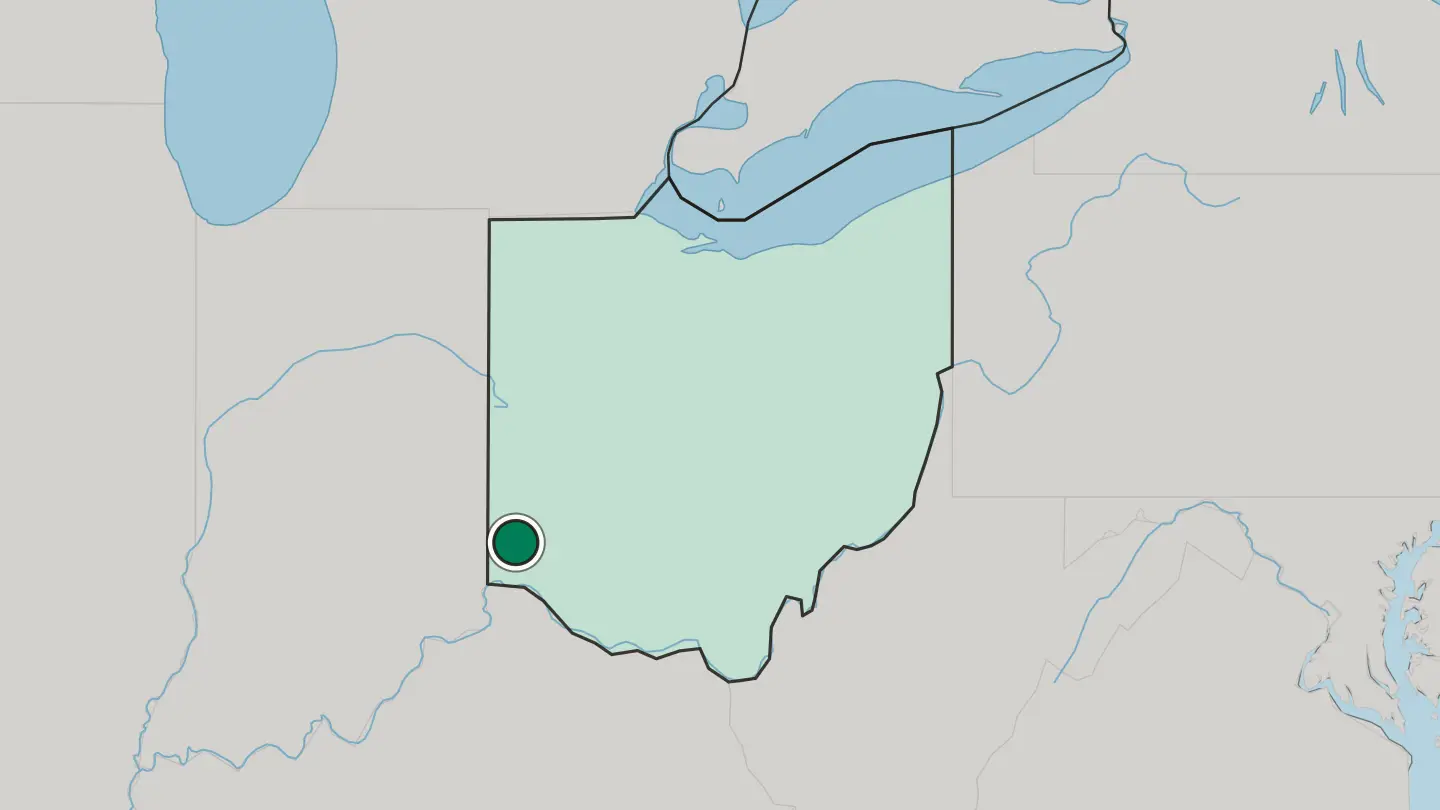 United States
Springfield
Springfield is the county seat of Clark County, Ohio, a city dating from 1801 on the Mad River, Buck Creek, and Beaver Creek.Where to stay →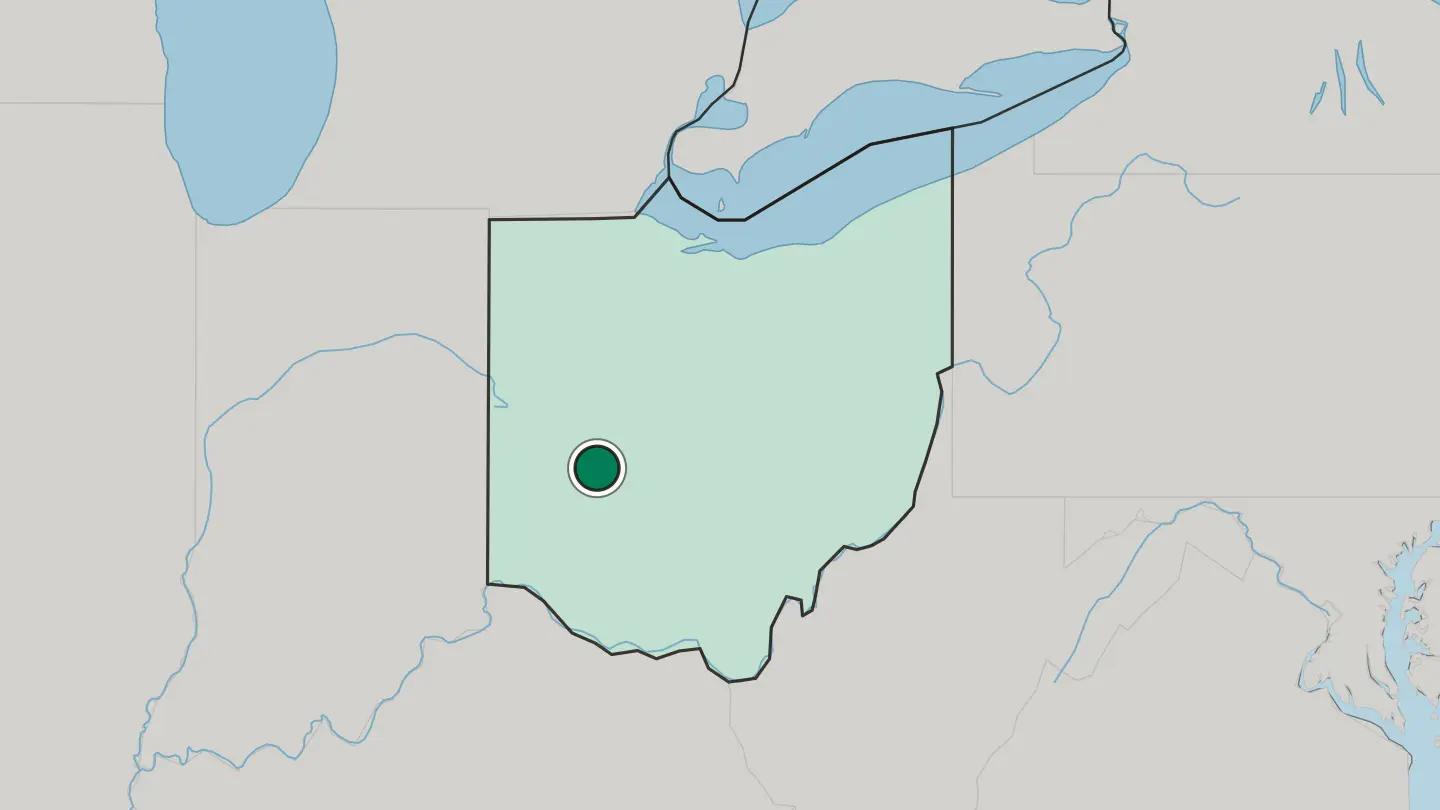
 United States
Kettering
Kettering is an inner suburb of Dayton in Montgomery County, Ohio, and the site of Hawthorn Hill.Where to stay →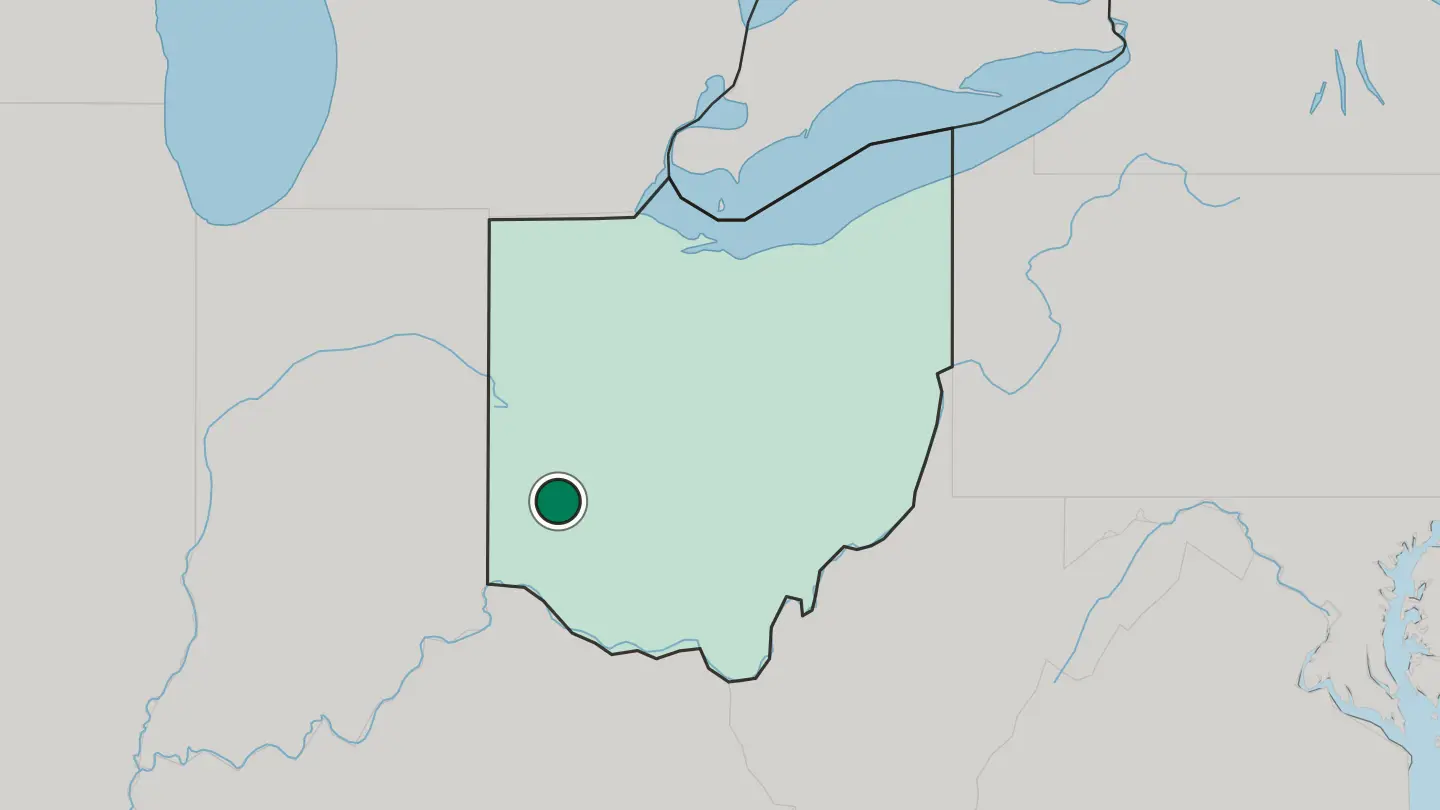
 United States
Elyria
Elyria, founded in 1817, is the county seat of Lorain County, Ohio, standing at the forks of the Black River southwest of Cleveland.Where to stay →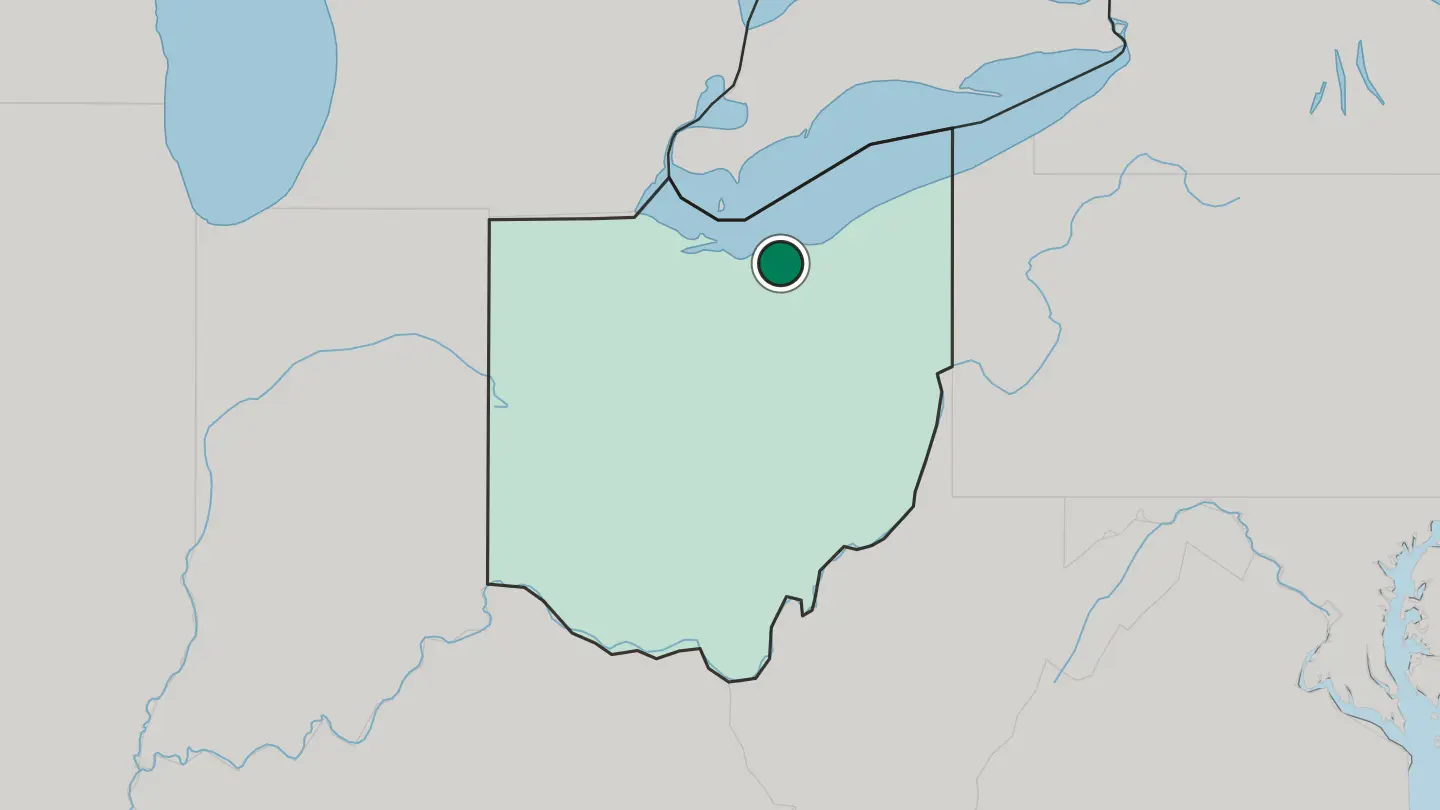
 United States
Lakewood
Lakewood sits beside Cleveland on the southern shore of Lake Erie, a Cuyahoga County city in Ohio established in 1889.Where to stay →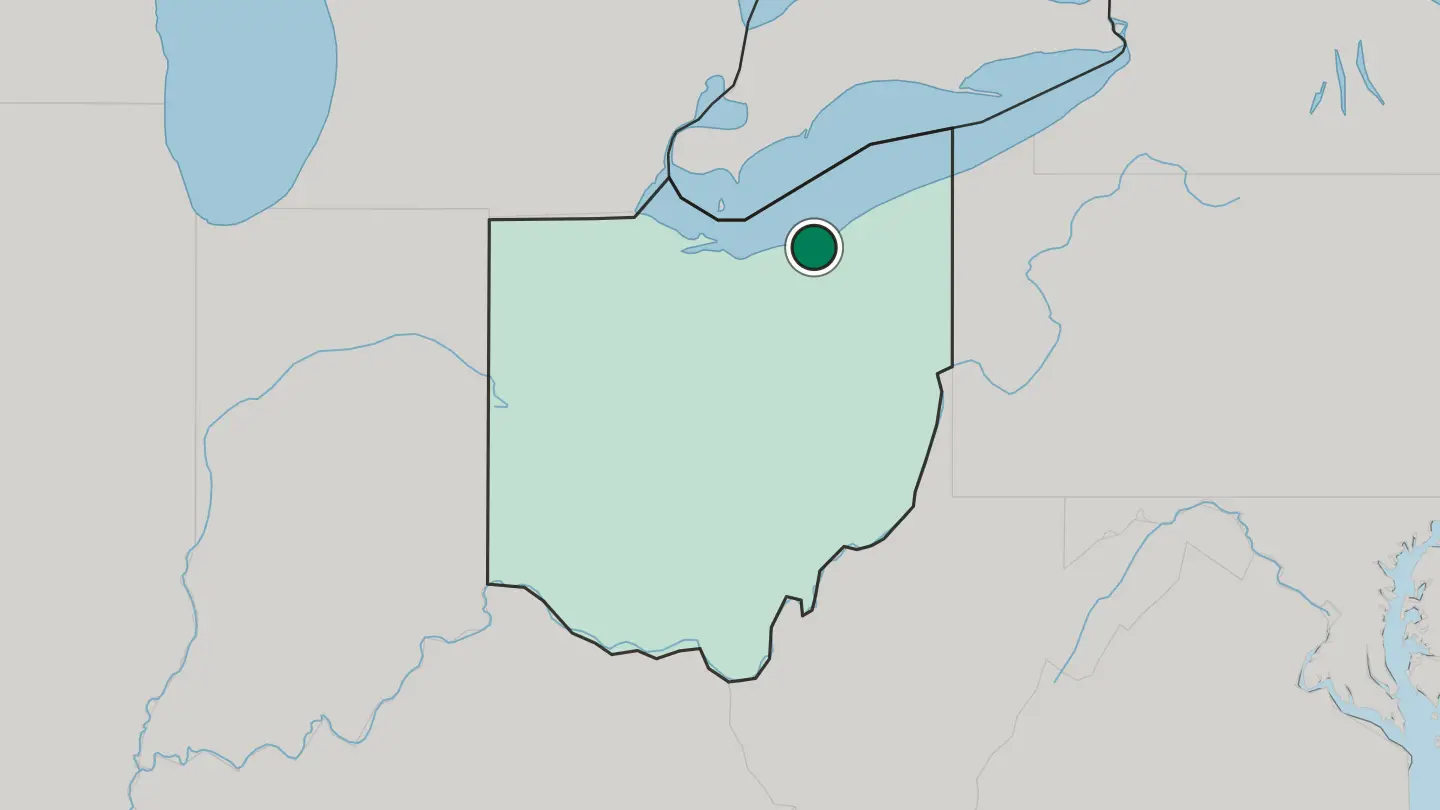
Hotel links are affiliate links: booking through them may earn us a commission, at no extra cost to you. It never affects how places are ranked. How this works
About Ohio
Ohio packs a lot into one state.
What is Ohio known for?
Columbus is the capital and the largest city, a government and university town in the middle of the state. Cleveland put itself on the map with the Rock and Roll Hall of Fame on the Lake Erie waterfront, while Cincinnati grew up as a river port on the Ohio River in the southwest. Dayton gave the world powered flight, where the Wright brothers built and tested their first aircraft.
The game of professional football was organised in Canton, home of the Pro Football Hall of Fame. Farm country fills the rest.
Where is Ohio?
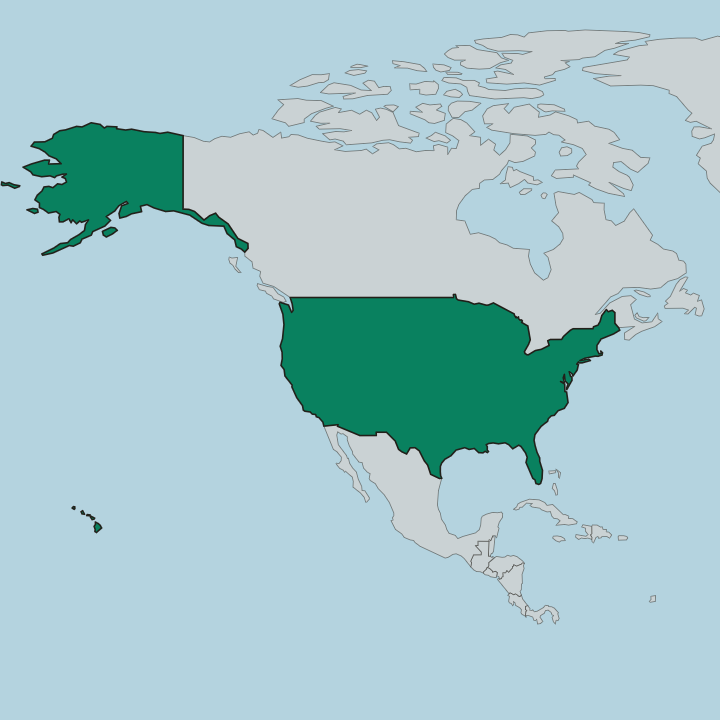
Ohio sits in the Midwestern United States, one of the Great Lakes states. Lake Erie forms its whole northern edge, and the water there doubles as the border with Ontario on the Canadian side. The Ohio River runs the length of the south and southeast.
That river is the boundary with Kentucky and West Virginia, while Pennsylvania lies along the east, Indiana to the west, and Michigan reaches down at the northwest corner. Six neighbours ring it. Most of the state drains either north into Lake Erie or south into the Ohio River, and that low divide running across the middle sends its rivers two opposite ways.
The land splits into three. The rugged Appalachian Plateau covers the east and southeast, where the hills rise and the valleys cut deep, and the unglaciated corner in the far southeast is the wildest ground in the state. Westward, the flat Till Plains take over, glacier-levelled and deep-soiled, the start of the Corn Belt.
Along Lake Erie the ground flattens again into a narrow lake plain. Glaciers shaped nearly all of it. They scraped the north smooth and left the southeast untouched.
Its cities follow the geography. Columbus stands near the centre, Cleveland and Toledo along the Lake Erie coast, Akron just inland in the northeast, and Cincinnati and Dayton down in the southwest.
What is Ohio like?
Ohio thinks of itself as the heart of the country, and much of American ordinary life reads clearly here. Big cities, mill towns, university campuses and open farmland sit close together, and a single afternoon can carry a traveller from downtown Cleveland to the Amish farm lanes of Holmes County. Flight is the state's proudest thread.
The Wright brothers designed and built their first aircraft in Dayton, and the state later sent astronauts of its own aloft, among them John Glenn, the first American to orbit Earth, and Neil Armstrong, the first man to walk on the Moon. Music and sport carry weight too. Cleveland keeps the Rock and Roll Hall of Fame on its lakefront, and the professional game of football was born in Canton, where the Pro Football Hall of Fame stands.
Saturdays in autumn belong to college football. Food leans hearty and local: Cincinnati piles its own cinnamon-spiced chili over spaghetti, and Columbus keeps the brick streets and beer halls of German Village. English is the working language everywhere.
The Amish settlement around Holmes County ranks second in size anywhere and first in concentration, and horse-drawn buggies still work the back roads there. For all its industry, Ohio wears a plain, unshowy Midwestern manner. That steadiness is the point.
What is the history of Ohio?
Long before statehood, the Ohio Country belonged to the Shawnee, Miami, Wyandot and Delaware nations. After the Revolution the young republic organised it as the first testing ground of the Northwest Territory, and surveyors cut the land into an orderly grid of numbered townships. The Treaty of Greenville in 1795 forced the native confederacy off most of that ground.
Ohio joined the Union in 1803 as the seventeenth state, the first carved wholly from the territory. Canals and then railroads turned its farms and river ports into an industrial core. Growth followed the water first.
What is the climate of Ohio?
Ohio runs on four clear seasons. Summers turn hot and muggy, winters cold and grey, with spring and autumn swinging between the two. The far south, along the Ohio River, edges toward a milder, humid-subtropical feel.
Lake Erie changes the story in the north: the water keeps the shore a little warmer late into autumn, then feeds heavy lake-effect snow onto the ground east of Cleveland. That northeastern snowbelt piles up far more snow than the rest of the state sees. Rain spreads fairly evenly through the year.
The skies stay changeable.
How do you get to Ohio?
Air travel brings most people to Ohio. Three big airports split the traffic: John Glenn Columbus International in the centre, Cleveland Hopkins in the north, and the Cincinnati airport that actually sits across the Ohio River in Kentucky. Interstate highways do the rest of the work, with I-70 crossing east to west and I-71 and I-75 running north to south through the main cities.
The Ohio Turnpike skirts the top of the state toward Toledo and the Lake Erie shore. Trains call at a handful of stations. For many travellers the drive from a neighbouring state is the simplest way of all.
Common questions
What is the best area to stay in Ohio?
Columbus: a central first base. Cleveland: the Lake Erie waterfront. Cincinnati: the Ohio River southwest. Hocking Hills: caves and hiking country.
Good for
More regions in United States
Updated September 2026