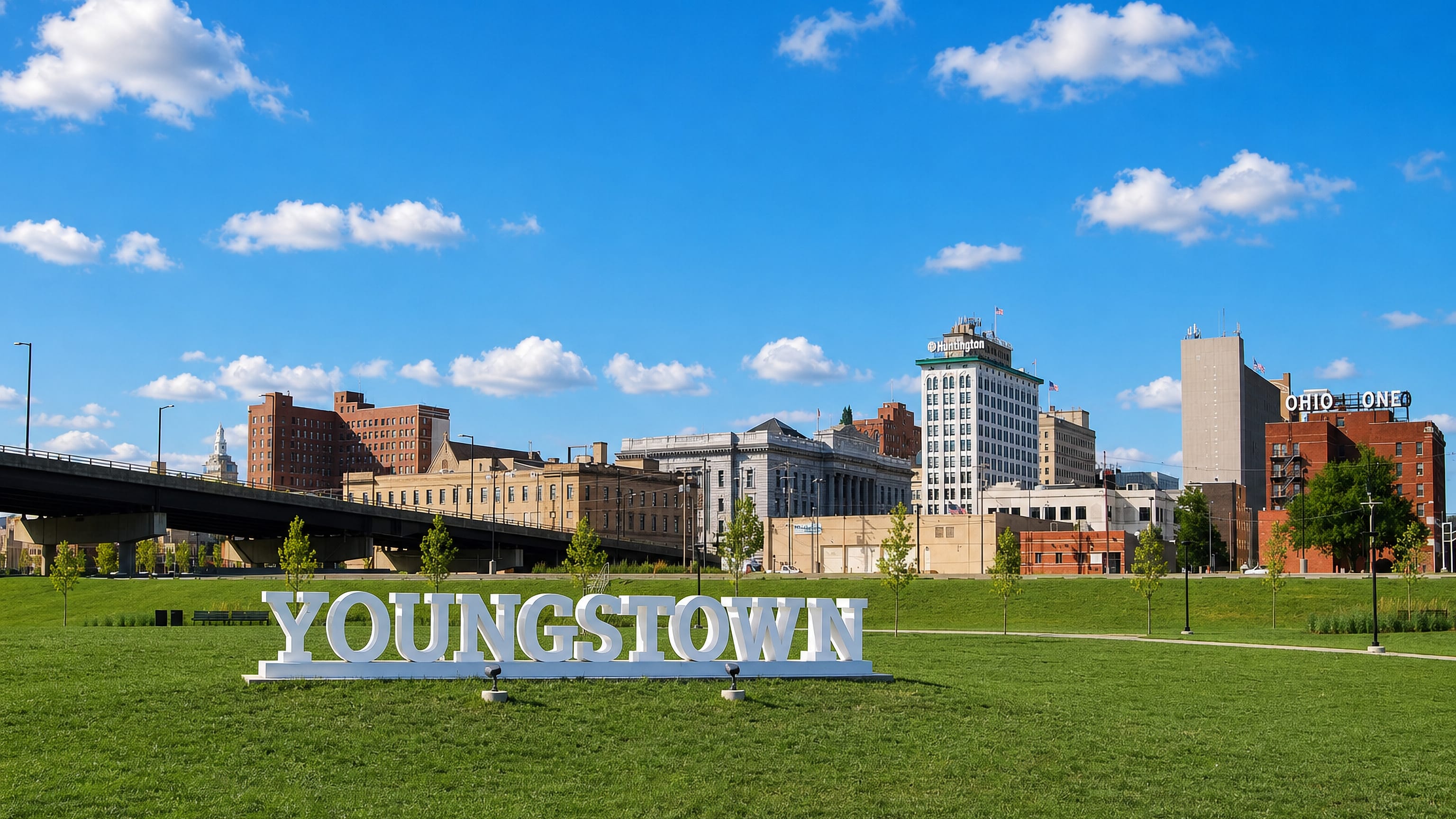
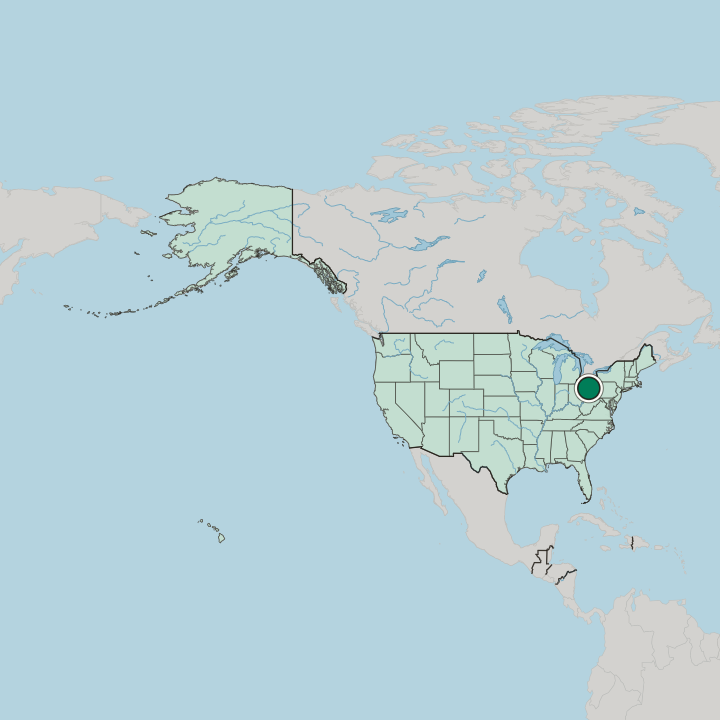
United States · Ohio
Where to Stay in Youngstown, Ohio
Youngstown, the county seat of Mahoning County, grew on the Mahoning River as a coal and steel city of Northeast Ohio.
Hotel links are affiliate links: booking through them may earn us a commission, at no extra cost to you. It never affects how places are ranked. How this works


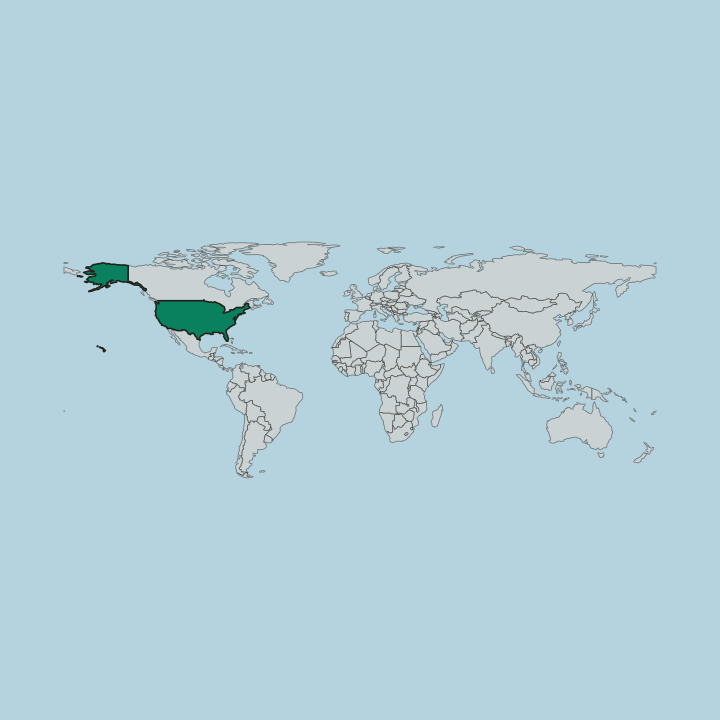
Where to stay in Youngstown
How the choice of base plays out on the ground.
Two museums set the terms for a central stay. The Butler Institute of American Art and the McDonough Museum of Art are the fixed points of Youngstown, and a room on that side of the city puts both, plus the older churches, within easy reach. It suits you if the collections are the reason for the trip, because the rest of the Mahoning Valley asks for a car and this corner does not.
Welsh Congregational Church and Our Lady of Mount Carmel Church are the two names to look for nearby. The Mahoning River names the county, the valley, and the metropolitan area around Youngstown, so a room on the water is the one choice that needs no explaining. Coal and steel worked that valley for a century, and the ground along the water still reads as industrial rather than scenic in places.
Mahoning County spreads well past the city. Stays out in the county trade the Butler Institute of American Art for quiet, and Northeast Ohio carries enough road between the valley towns to make a car the sensible choice. The city covers about 90 square kilometres.
Find hotels in Youngstown
Direct booking searches for these neighbourhoods.
The Butler side
Youngstown's two art collections and its older congregations, Our Lady of Mount Carmel Church among them, sit on this side of the city.Find hotels in The Butler sideStays that want the water and the industrial valley rather than the galleriesAlong the Mahoning River
The Mahoning River gave its name to the county, the valley, and the metropolitan area, and the ground beside it still reads industrial.Find hotels in Along the Mahoning RiverDrivers working the valley towns of Northeast Ohio from one baseOut in Mahoning County
County beds swap the Welsh Congregational Church and the museums for road access across the Mahoning Valley.Find hotels in Out in Mahoning CountyHotel links are affiliate links: booking through them may earn us a commission, at no extra cost to you. It never affects how places are ranked. How this works
Things to do in Youngstown
Ranked by global recognition; descriptions from Wikidata (CC0).
Museums & Galleries
2- Butler Institute of American Art Heritage
- McDonough Museum of Art
Churches & Religious Sites
3- Our Lady of Mount Carmel Church Heritage
- Welsh Congregational Church Heritage
- St. John's Episcopal Church Heritage
Landmarks & Notable Places
1- George J. Renner, Jr. House Heritage
worth knowingacross 3 categories in Youngstown
About Youngstown
Steel and coal made this city.
What is Youngstown known for?
Coal and steel carried Youngstown until deindustrialization set in during the second half of the twentieth century, and the Mahoning Valley has lived with that inheritance since. Art followed industry here. The Butler Institute of American Art and the McDonough Museum of Art both stand in Youngstown, while Our Lady of Mount Carmel Church and the Welsh Congregational Church carry the names of its congregations.
Mahoning County keeps its seat here.
What are the main landmarks in Youngstown?
Six named sites carry the city. The Butler Institute of American Art and the McDonough Museum of Art hold the art side, while Our Lady of Mount Carmel Church, the Welsh Congregational Church, and St. John's Episcopal Church hold the church-building side. The George J. Renner, Jr.
House and the older streets around it round out the list.
What is the history of Youngstown?
Coal came first, then steel. Youngstown was founded in 1796 on the Mahoning River, and the valley's coal and its mills gave the city the work that defined it for most of the century and a half that followed. Mahoning County put its seat here.
The river is the reason for the site. The county seat and the mills ran side by side, and the congregations of those years left the buildings that still carry their names across Youngstown. Deindustrialization arrived in the second half of the twentieth century, and the Mahoning Valley lost the industry that had organised its towns, its work, and many of its people.
The change was not gentle. What survived the industrial century sits in the city's institutions, chiefly the Butler Institute of American Art and the McDonough Museum of Art. Mahoning County kept its courthouse in the city through all of it, and the older congregations kept their buildings, so the record of both centuries is still standing.
Northeast Ohio still calls this the Mahoning Valley, and the name of the river runs through the county, the metropolitan area, and the identity of the city the mills built. Youngstown remains the county seat.
Where is Youngstown?
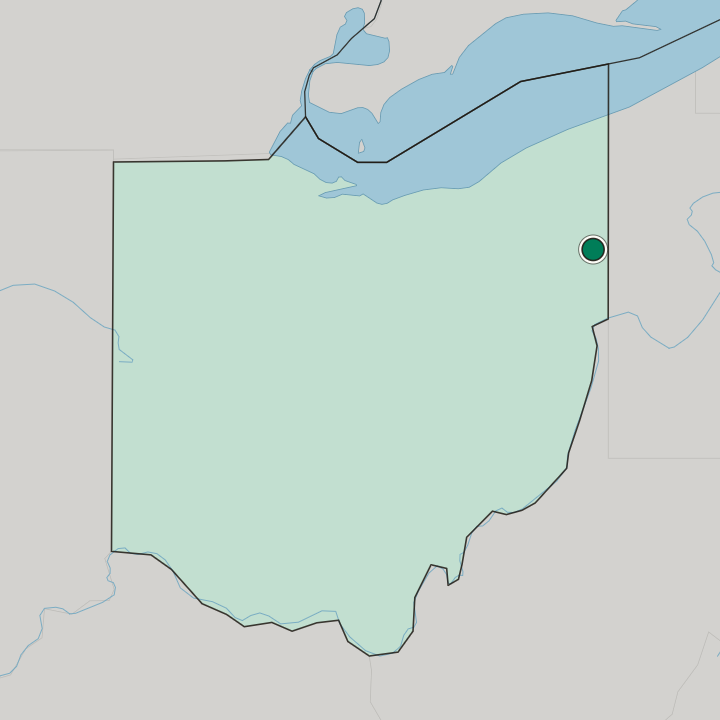
The Mahoning River organises everything here. Youngstown covers about 90 square kilometres of Mahoning County, and the ground falls toward the Mahoning River, which cuts the built-up area on its way through Northeast Ohio. The valley takes its name from the same water.
Mahoning County spreads around it on both sides of the channel.
What is the climate of Youngstown?
The Mahoning Valley sets the weather's frame, since a temperate inland valley in the northern hemisphere runs a full seasonal swing rather than an even year. Warm months and cold ones alternate. Rain and snow both belong to the year here, and the Mahoning River takes the runoff down the valley past the towns of Northeast Ohio.
How do you get to Youngstown?
Youngstown is a driving city in a driving valley. Northeast Ohio spreads the Mahoning Valley across a run of towns, and the roads between them are what connect Youngstown to the rest of Mahoning County. The river is the one constant.
Arrivals cross the Mahoning at some point, whichever direction they come from, and the county seat sits where the valley's roads meet.
Common questions
What is the best area to stay in Youngstown?
The Butler side: Trips built around the Butler Institute of American Art and the McDonough Museum of Art. Along the Mahoning River: Stays that want the water and the industrial valley rather than the galleries. Out in Mahoning County: Drivers working the valley towns of Northeast Ohio from one base.
Good for
More cities in Ohio
Updated September 2026