United States · Oregon
Where to Stay in Albany, Oregon
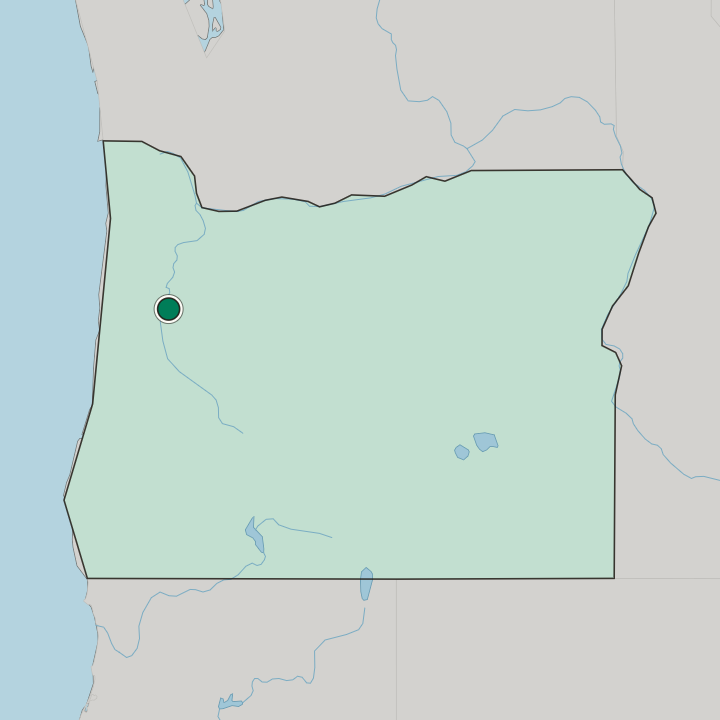
Albany is the seat of Linn County, Oregon, standing at the confluence of the Calapooia River and the Willamette River in the Willamette Valley.
Hotel links are affiliate links: booking through them may earn us a commission, at no extra cost to you. It never affects how places are ranked. How this works


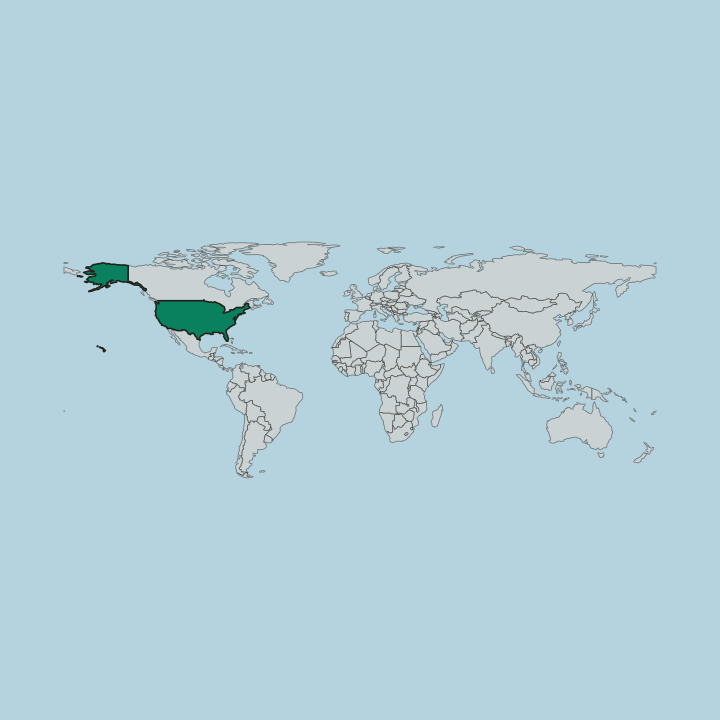
Where to stay in Albany
How the choice of base plays out on the ground.
The old streets are the reason to stay in Albany rather than in Corvallis or Salem. Rooms among the historic homes put the United Presbyterian Church and Rectory, the Alfred Dawson House, and the George Hochstedler House within one walk, and the confluence of the Willamette River and the Calapooia River is close to the same ground. Corvallis lies just west.
Salem is north and Eugene south, so a bed in Albany works as a base for the middle of the Willamette Valley rather than only for the city itself. Linn County is the administrative half of the answer. Albany is its seat, and the city also reaches into Benton County, so a stay here sits across a line that matters on paper more than on the street.
Wine sets the other rhythm. The Willamette Valley is known for it, and Albany pours local cider and beer alongside, which makes an evening here a different proposition from one in a city with no valley behind it. If you want the historic homes and the two rivers, stay in Albany; if the days will really be spent in Corvallis or Salem, a room there costs you the Jerry Andrus House and the Methodist Episcopal Church South.
Find hotels in Albany
Direct booking searches for these neighbourhoods.
Albany
The old streets of the Linn County seat, standing at the confluence of the Calapooia River and the Willamette River.Find hotels in Albanystays needing a bigger town with Albany a short run eastCorvallis
The city just west of Albany across the Willamette Valley floor, near enough that either can serve as the base.Find hotels in CorvallisHotel links are affiliate links: booking through them may earn us a commission, at no extra cost to you. It never affects how places are ranked. How this works
Things to do in Albany
Ranked by global recognition; descriptions from Wikidata (CC0).
Churches & Religious Sites
3- United Presbyterian Church and Rectory Heritage
- First Evangelical Church of Albany Heritage
- Methodist Episcopal Church South Heritage
Landmarks & Notable Places
6- George Earle Chamberlain House Heritage
- Alfred Dawson House Heritage
- George Hochstedler House Heritage
- Jerry Andrus House Heritage
- John Ralston House Heritage
Show 1 more →
- Moses Parker House Heritage
worth knowingacross 2 categories in Albany
About Albany
What is Albany known for?
Two rivers join at Albany, and the Willamette Valley calls the city its hub, a nickname earned by sitting between Corvallis, Salem, Portland, and Eugene rather than at the edge of anything. The streets carry the rest. Historic homes line them, among them the George Earle Chamberlain House, the Moses Parker House, and the John Ralston House, and a carousel museum sits alongside the wine, cider, and beer the Willamette Valley is known for.
What are the main landmarks in Albany?
Churches and houses make up the whole list. The United Presbyterian Church and Rectory, the Methodist Episcopal Church South, and the First Evangelical Church of Albany cover one side; the George Earle Chamberlain House, the Alfred Dawson House, the Jerry Andrus House, the Moses Parker House, the George Hochstedler House, and the John Ralston House cover the other. A carousel museum sits among them.
Historic homes line the streets of Albany, which is the form the city's landmark record mostly takes.
What is the history of Albany?
Settlers founded Albany in the 1840s. The site was a river junction, with the Calapooia River joining the Willamette River in the middle of the Willamette Valley, Salem to the north and Eugene to the south. The record is agricultural.
Albany is predominantly a farming and manufacturing city, and it became the seat of Linn County while spreading far enough west to reach into Benton County as well. The houses date the growth. The George Earle Chamberlain House, the Moses Parker House, the John Ralston House, the Alfred Dawson House, and the George Hochstedler House all carry the names of people who built in Albany while it was becoming the hub of the Willamette Valley.
Churches followed the same pattern. The United Presbyterian Church and Rectory, the Methodist Episcopal Church South, and the First Evangelical Church of Albany record the congregations that formed as the city grew, and the Jerry Andrus House stands on the same list. Albany ranks eleventh among the cities of Oregon, and the historic homes lining its streets remain the clearest record of the settlement that started it.
Where is Albany?
Two rivers set the ground plan. The Calapooia River runs into the Willamette River at Albany, and the city sits on the flat of the Willamette Valley with Corvallis just west, Salem to the north, and Eugene to the south. The county line runs through it.
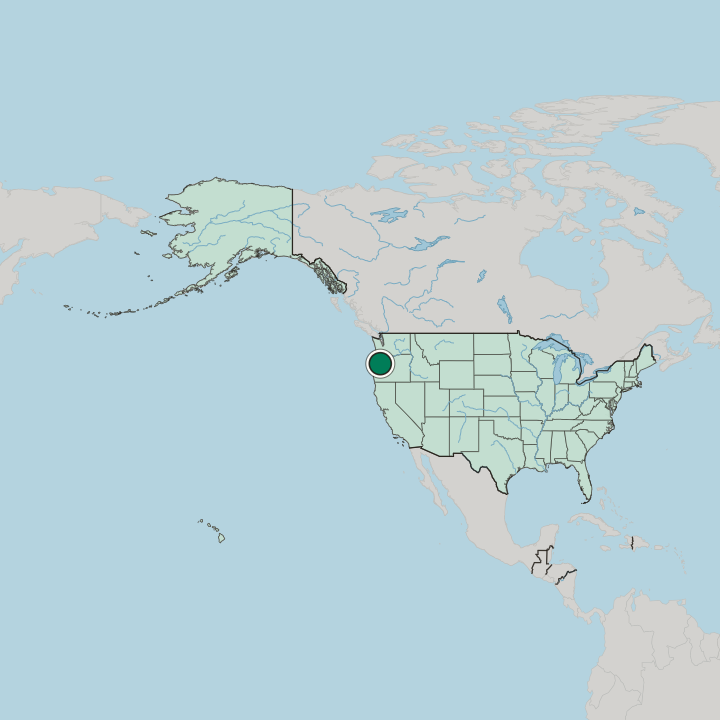
Albany lies in both Linn County and Benton County, 69 miles south of Portland and 44 miles north of Eugene, which puts it near the middle of the valley rather than at either end.
What is the climate of Albany?
The Willamette Valley grows wine. A valley that ripens grapes has the mild, drawn-out growing season that goes with them, and Albany sits in the middle of that valley rather than at its edge. Farming reads the same way.
Albany offers wine made locally alongside cider and beer, which is what a valley with this kind of growing season produces.
How do you get to Albany?
The nickname is literal. Albany is called the Hub of the Valley, and the distances explain it: 69 miles south of Portland, 44 miles north of Eugene, just east of Corvallis, and south of Salem. Portland is the longer leg.
Everything in the Willamette Valley is a short run from here, which is why a base in Albany reaches Corvallis, Salem, and Eugene without any of them becoming the whole day.
Common questions
What is the best area to stay in Albany?
Albany: walking the historic homes between the United Presbyterian Church and Rectory and the Moses Parker House. Corvallis: stays needing a bigger town with Albany a short run east.
Good for
More cities in Oregon
Updated September 2026