United States
Oregon, United States — Towns & Travel Guide
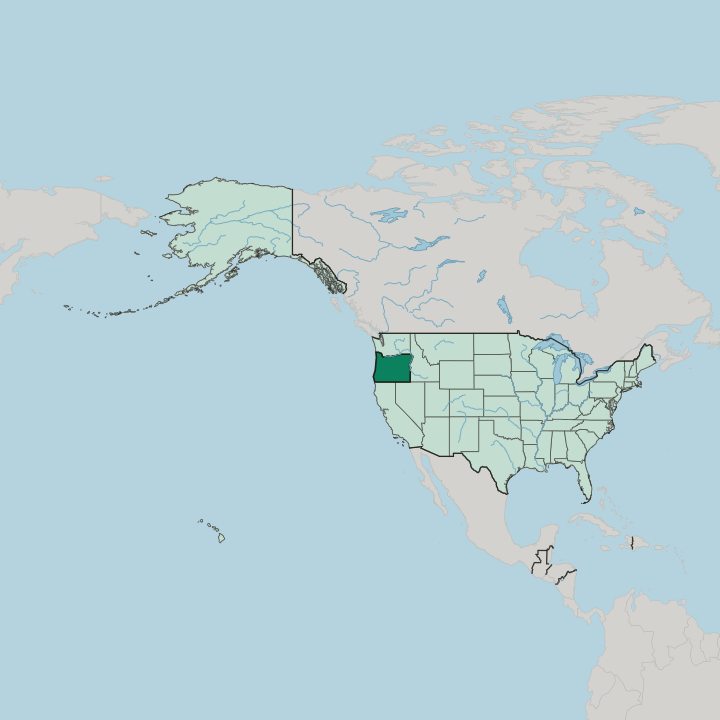
Oregon is a Pacific Northwest state split by the Cascade Range into wet western forests, a high-desert east, and a public Pacific coastline.
Hotel links are affiliate links: booking through them may earn us a commission, at no extra cost to you. It never affects how places are ranked. How this works


Towns & cities in Oregon
Pick a town or city — each links to where to stay.
 United States
Portland
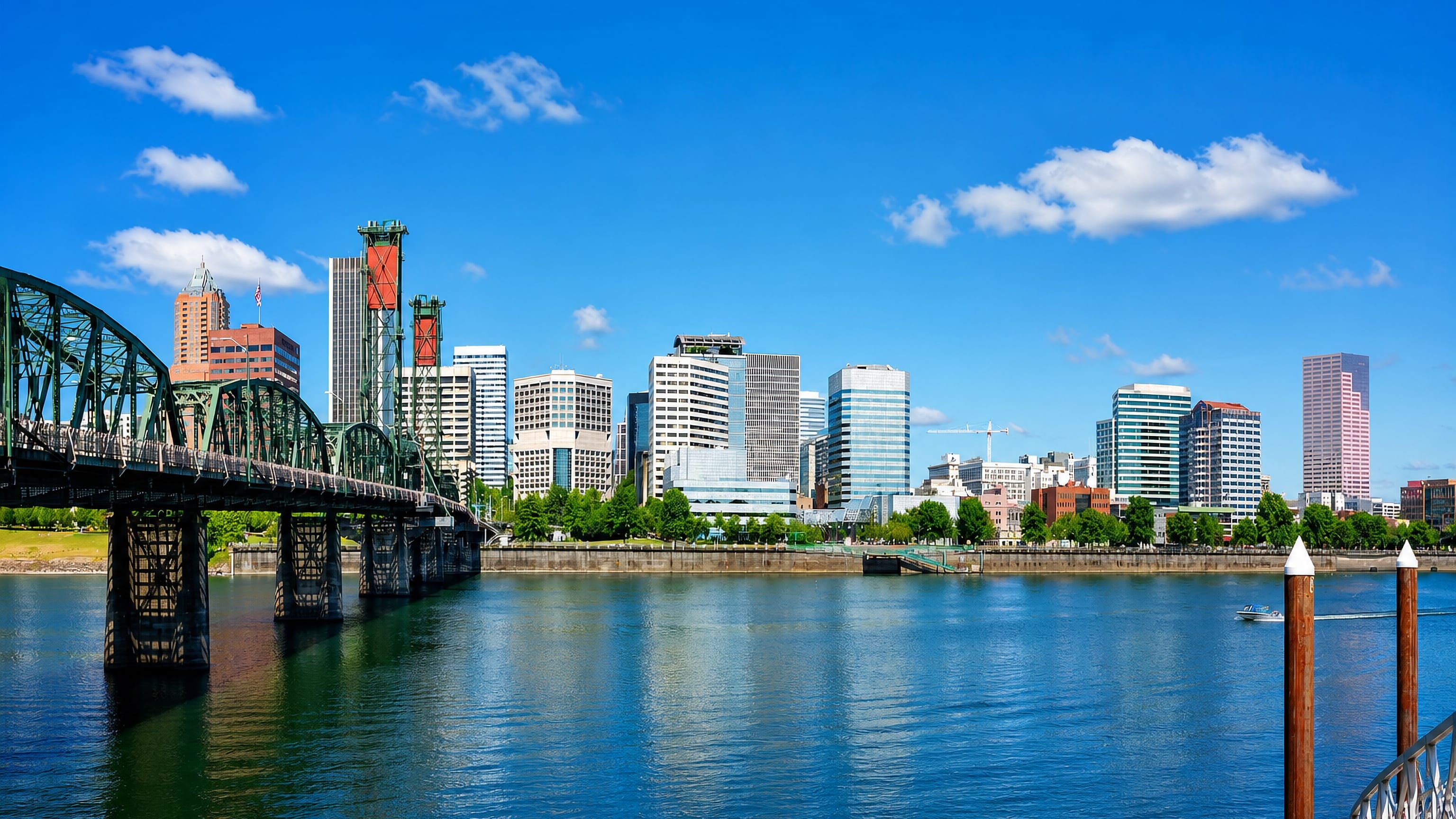
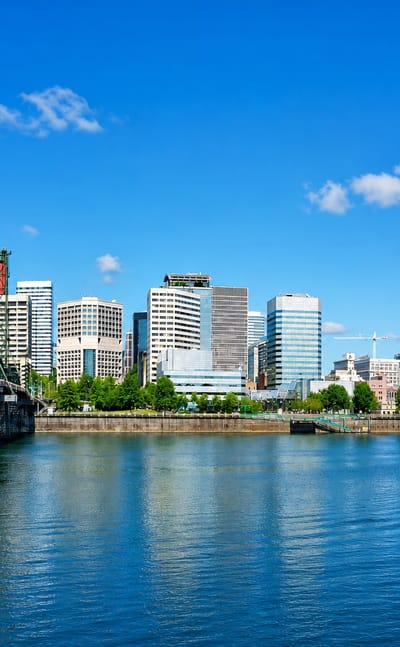
Portland is Oregon's largest city, a river-valley hub known for the Portland Art Museum, the Oregon Zoo, and the hilltop Pittock Mansion.Where to stay →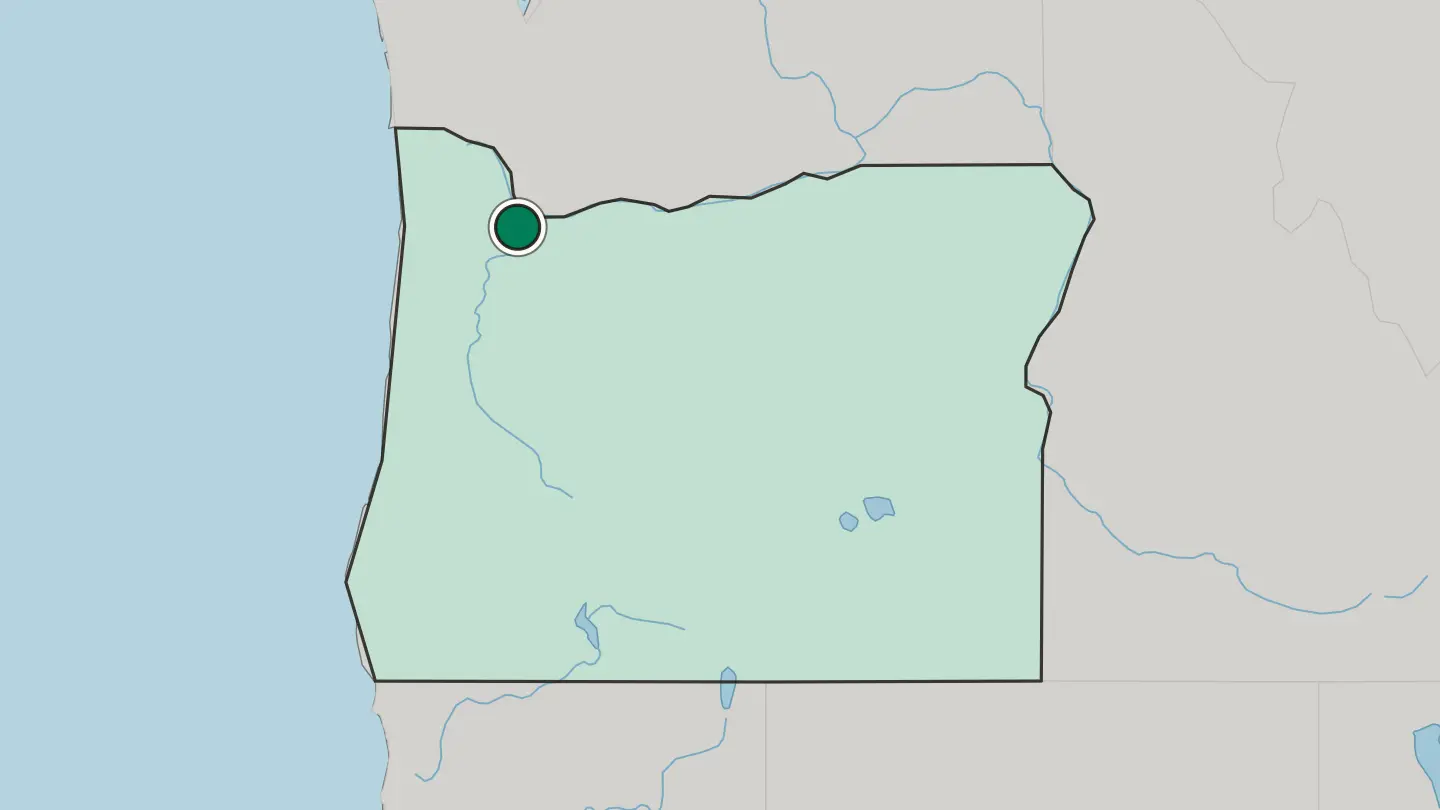
 United States
Eugene
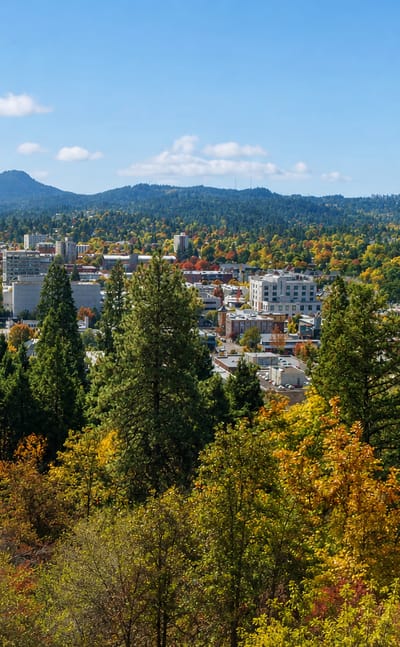
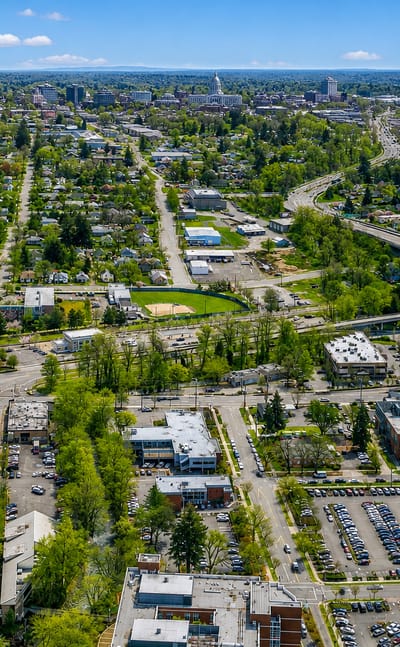
River paths thread through Eugene, a city on the Willamette River in Oregon, known for the University of Oregon and the green run of the Willamette Valley.Where to stay →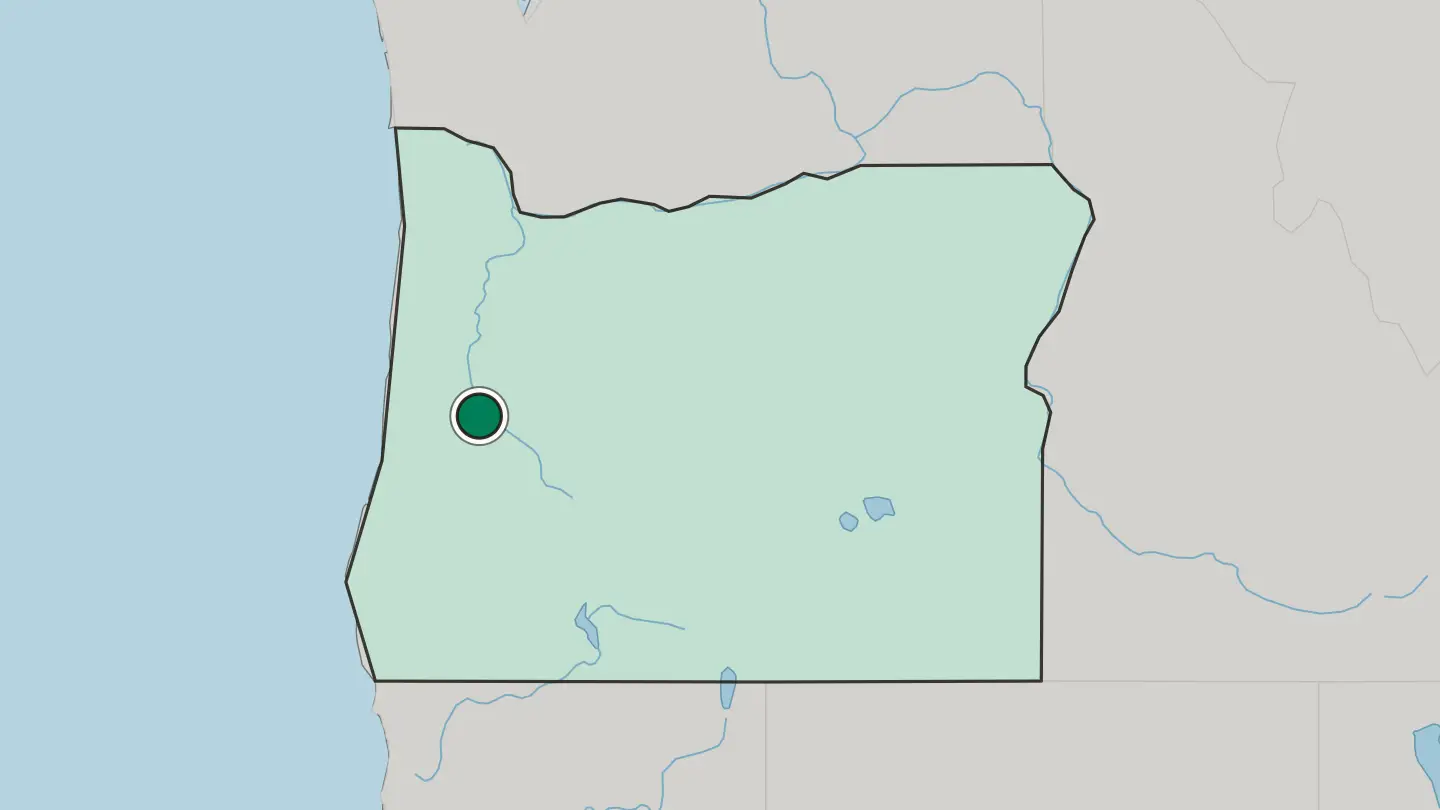
 United States
Salem
Salem is the capital of Oregon, United States, founded in 1842 and known for the Hallie Ford Museum of Art and the Willamette Heritage Center.Where to stay →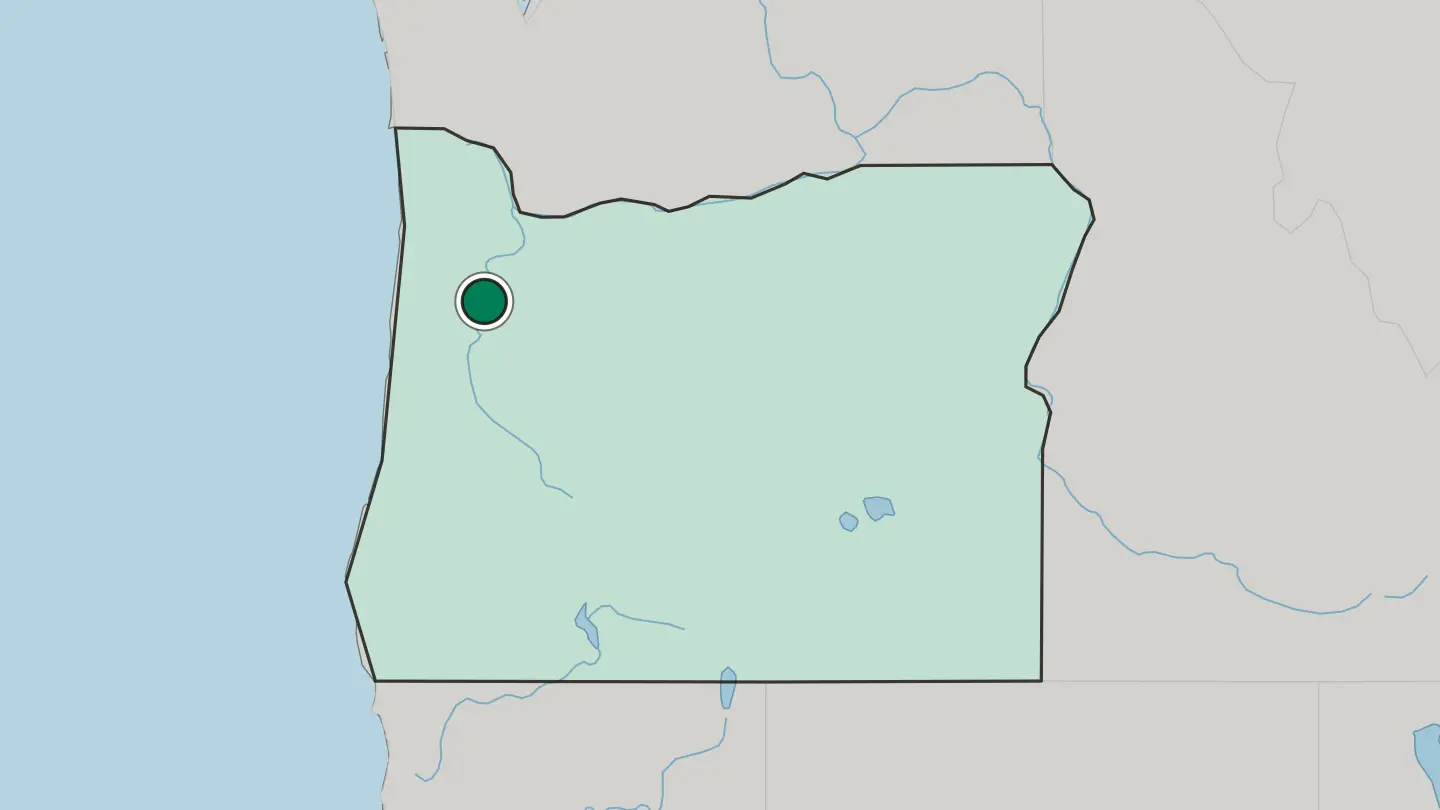
 United States
Gresham
Gresham lies in the Willamette Valley in Multnomah County, Oregon, with Portland along its northwestern edge; it was incorporated in 1905.Where to stay →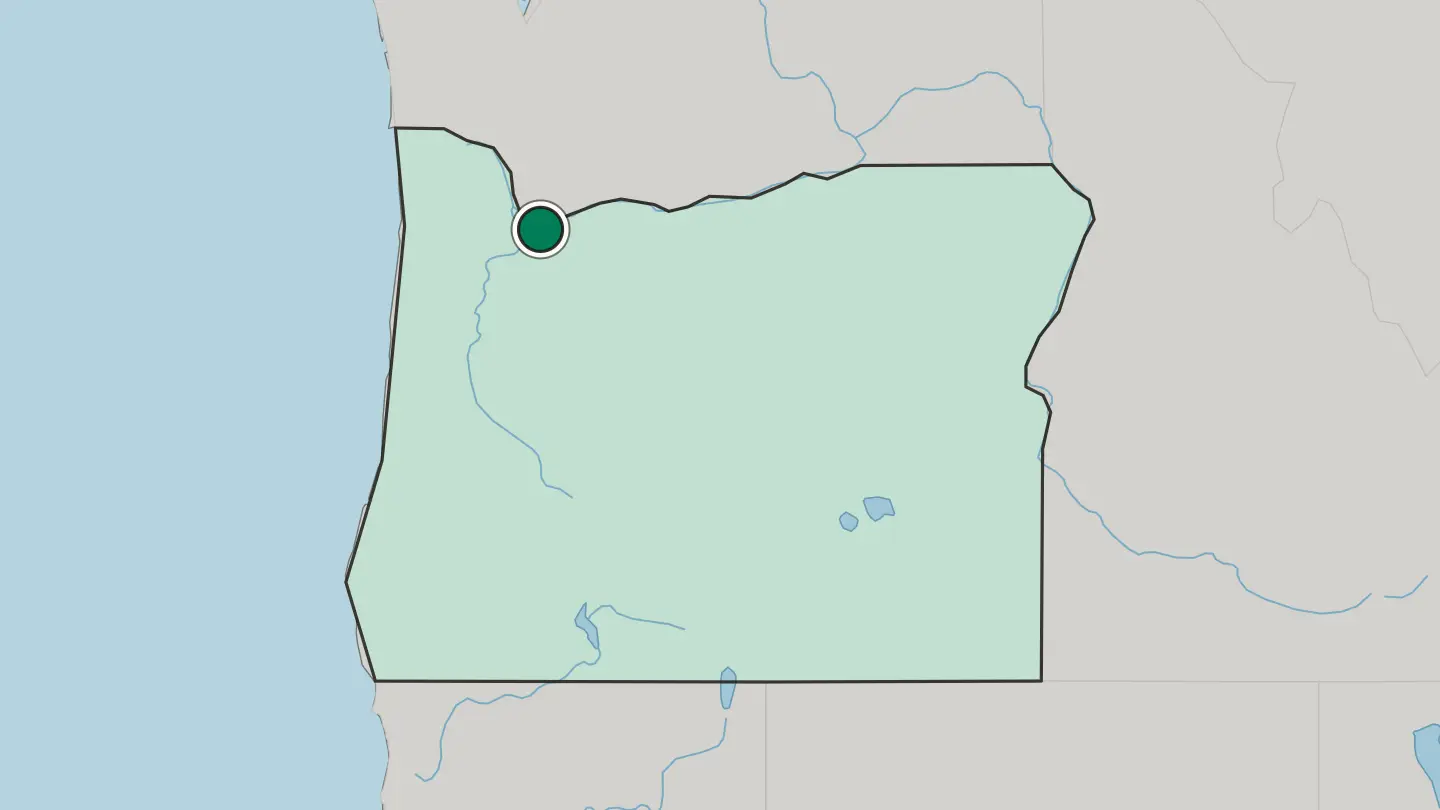
 United States
Hillsboro
Hillsboro is the seat of Washington County, a Tualatin Valley city where Intel and the rest of the Silicon Forest set the working day.Where to stay →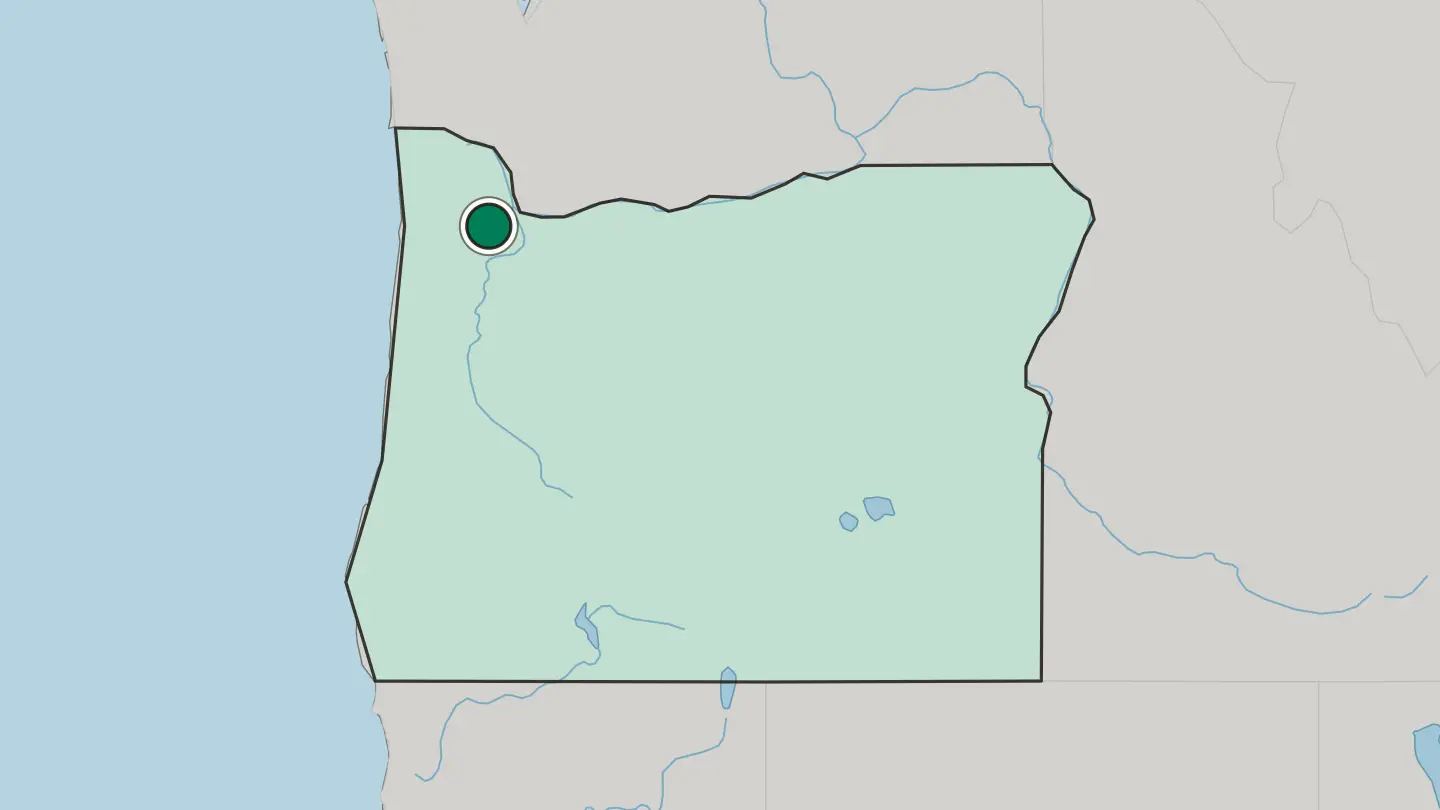
 United States
Beaverton
Beaverton lies in the Tualatin Valley west of Portland, an economic centre for Washington County and the base of Nike, Inc.Where to stay →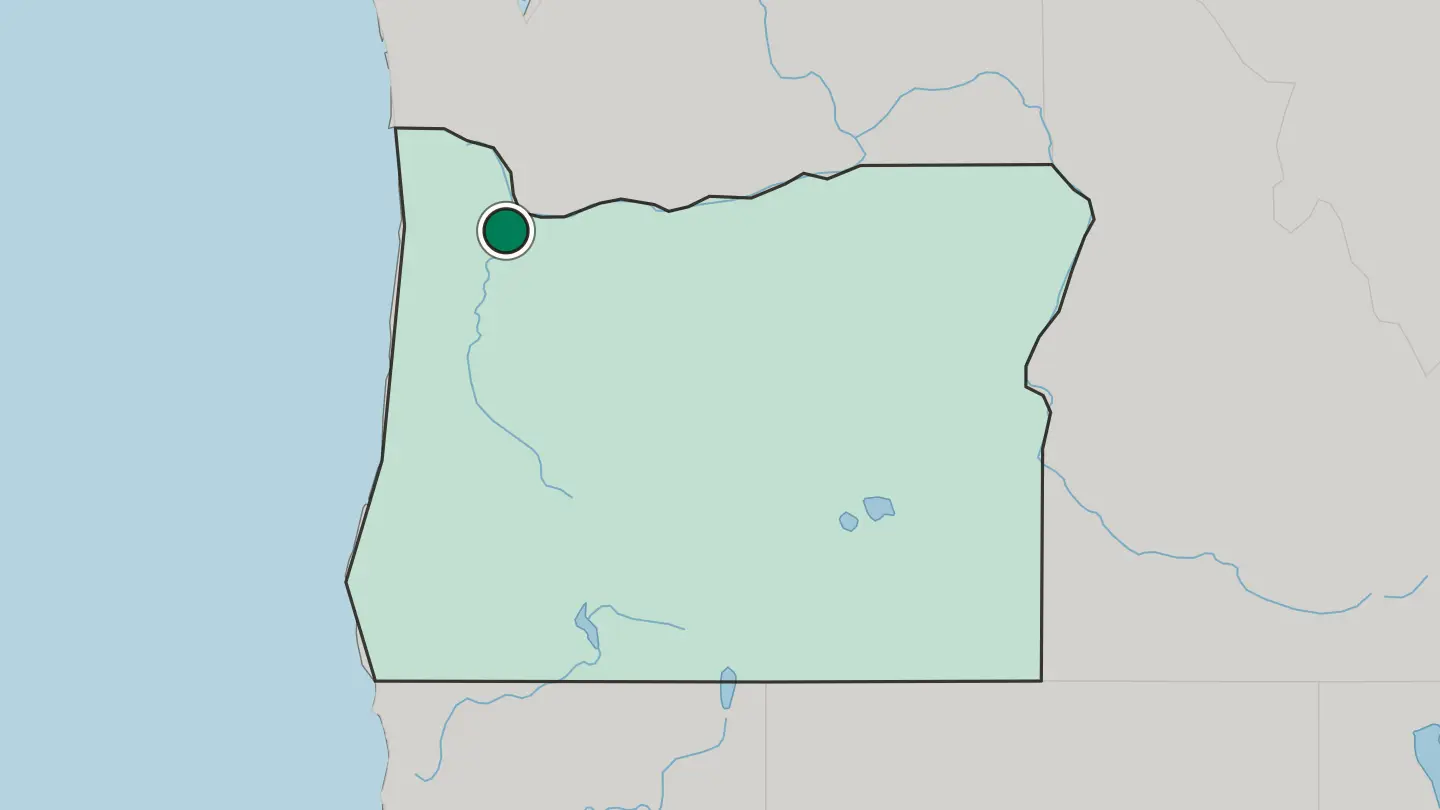
 United States
Bend
Bend is a city of central Oregon, a high-desert town on the Deschutes river, ringed by the Cascade volcanoes and old lava country.Where to stay →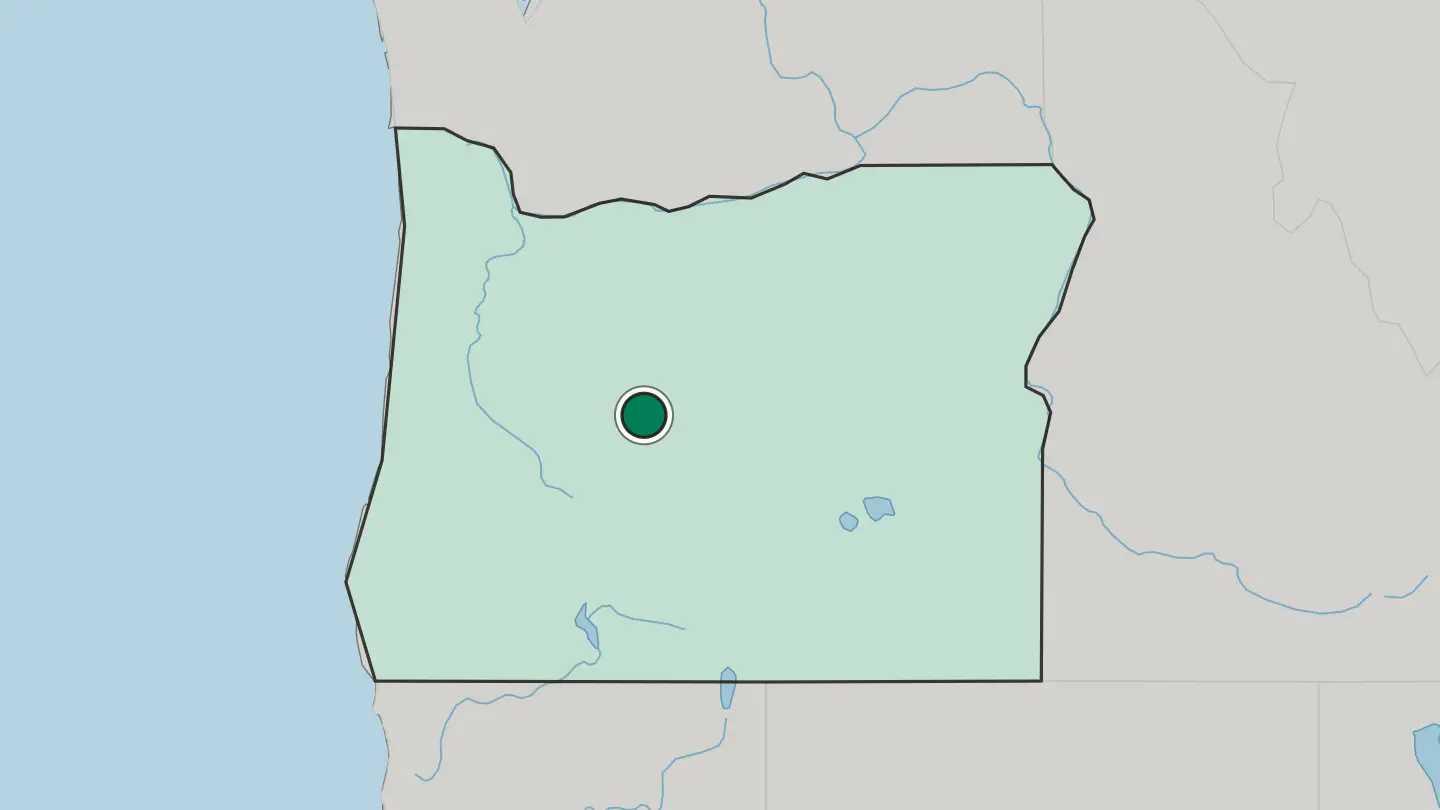
 United States
Medford
Medford is the seat of Jackson County and the commercial and medical hub of the Rogue Valley, set near the middle fork of Bear Creek.Where to stay →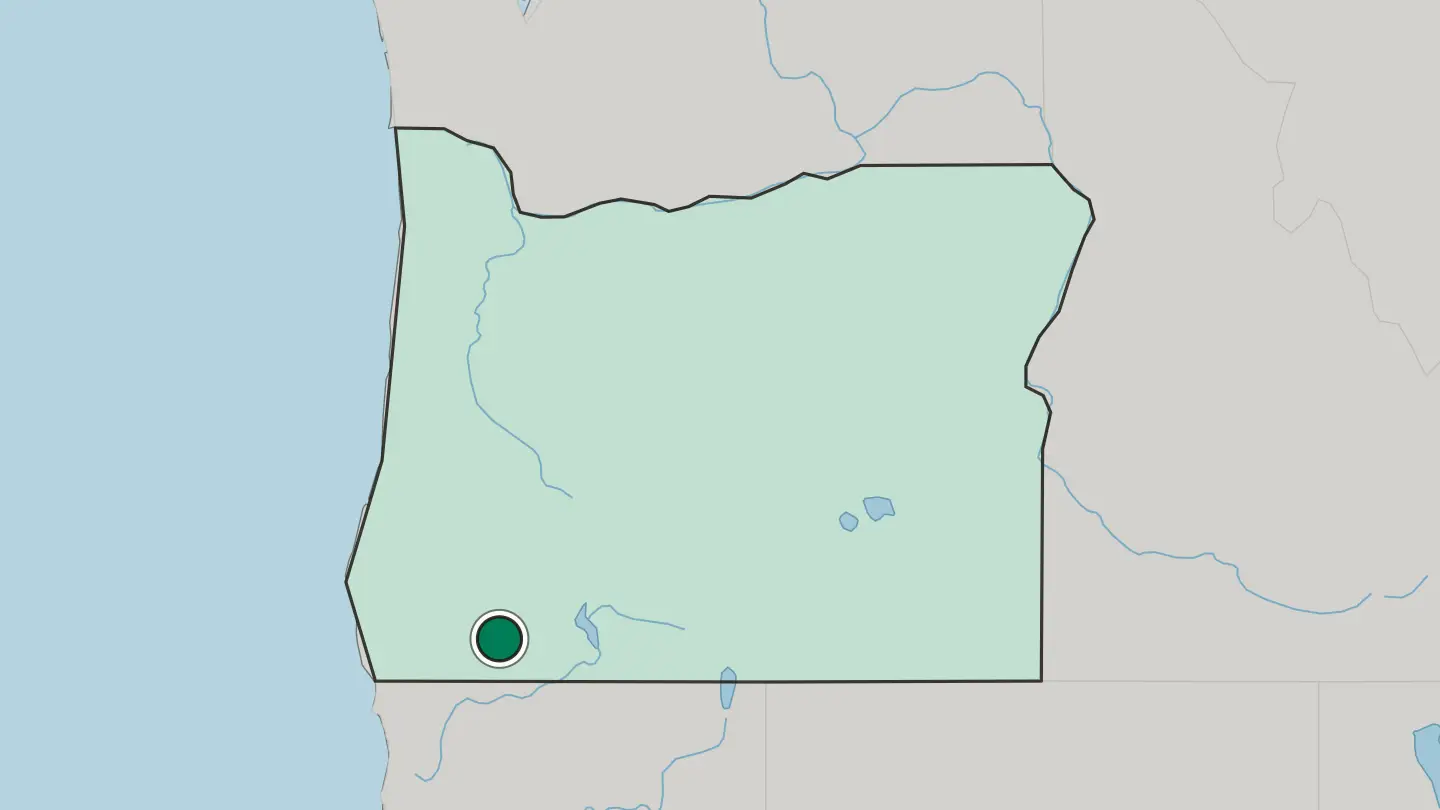
All towns & cities (11)
United States
Springfield
Springfield stands in Lane County across Interstate 5 from Eugene, the second city of a metropolitan area the two of them share.Where to stay →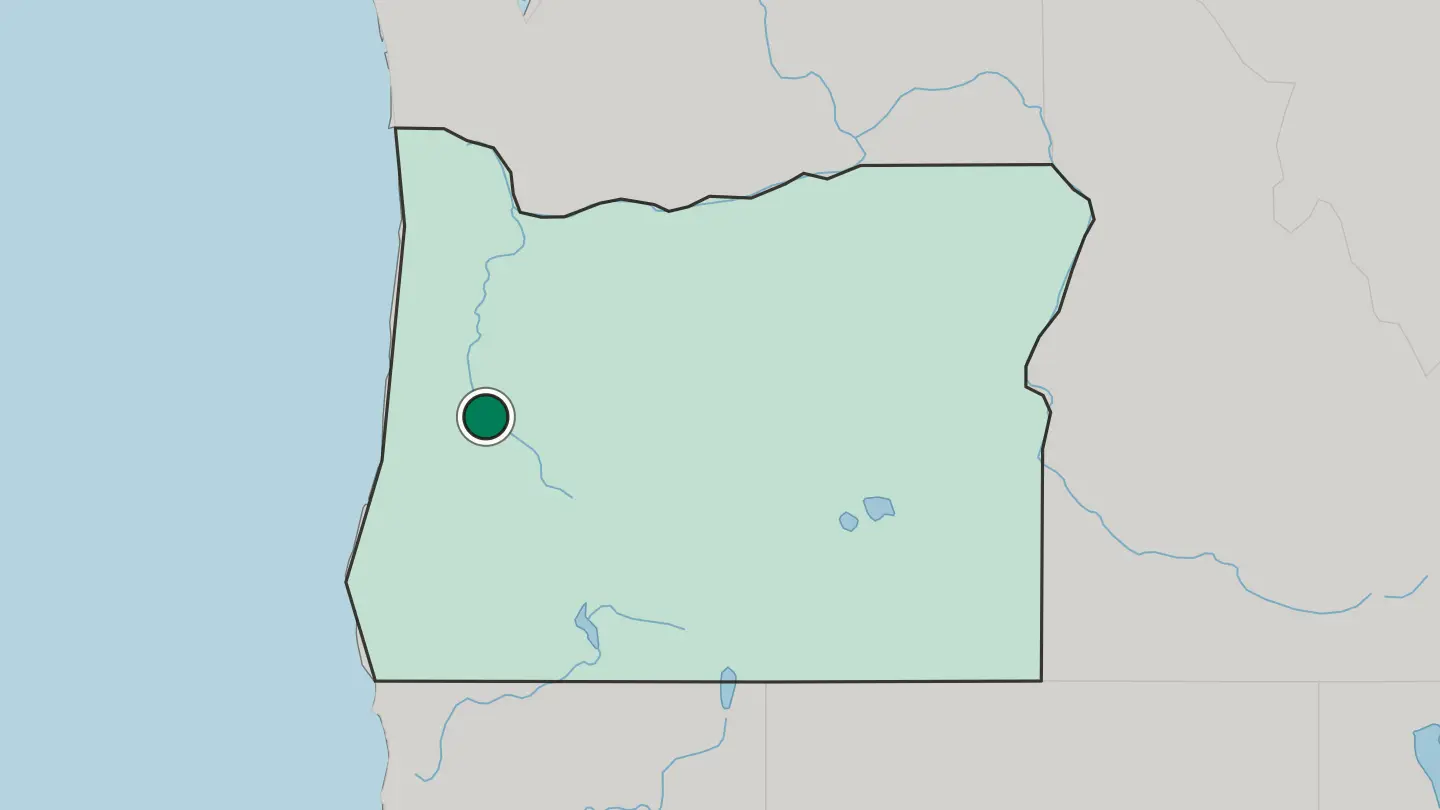
 United States
Corvallis
Corvallis is the seat of Benton County and the campus town of Oregon State University, the oldest public higher-education institution in Oregon.Where to stay →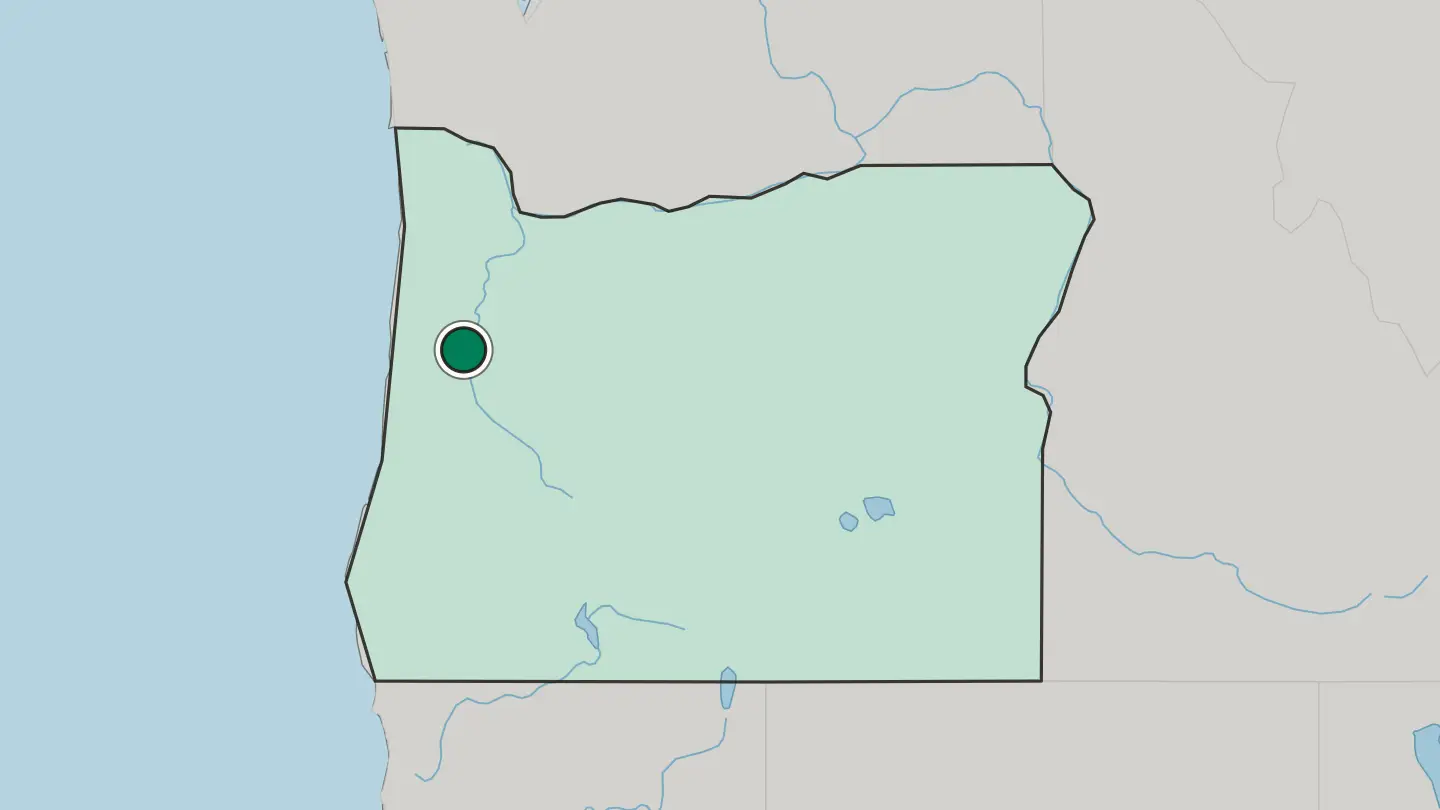
 United States
Albany
Albany is the seat of Linn County, Oregon, standing at the confluence of the Calapooia River and the Willamette River in the Willamette Valley.Where to stay →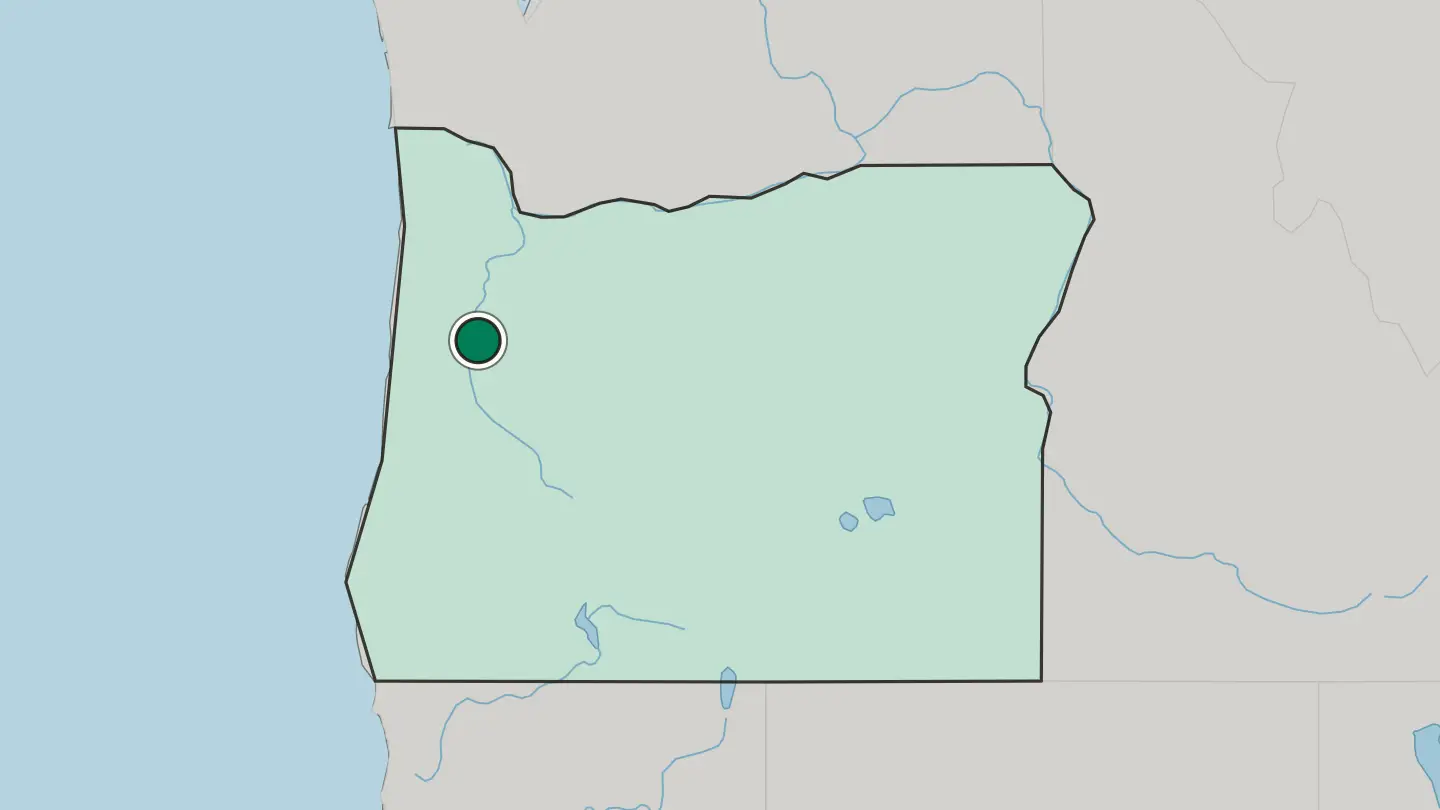
Hotel links are affiliate links: booking through them may earn us a commission, at no extra cost to you. It never affects how places are ranked. How this works
About Oregon
Two Oregons sit on either side of one mountain wall.
What is Oregon known for?
The Cascade Range runs the length of the state and splits it in half, leaving green fir forests and farm valleys to the west and dry sagebrush country to the east. Portland anchors the wet side, its brewing and coffee culture as much a draw as the rivers it straddles. The Willamette Valley south of it grows the Pinot noir that carries Oregon's name in wine.
Crater Lake fills a collapsed volcano in the south. Snow holds on Mount Hood into summer.
Where is Oregon?
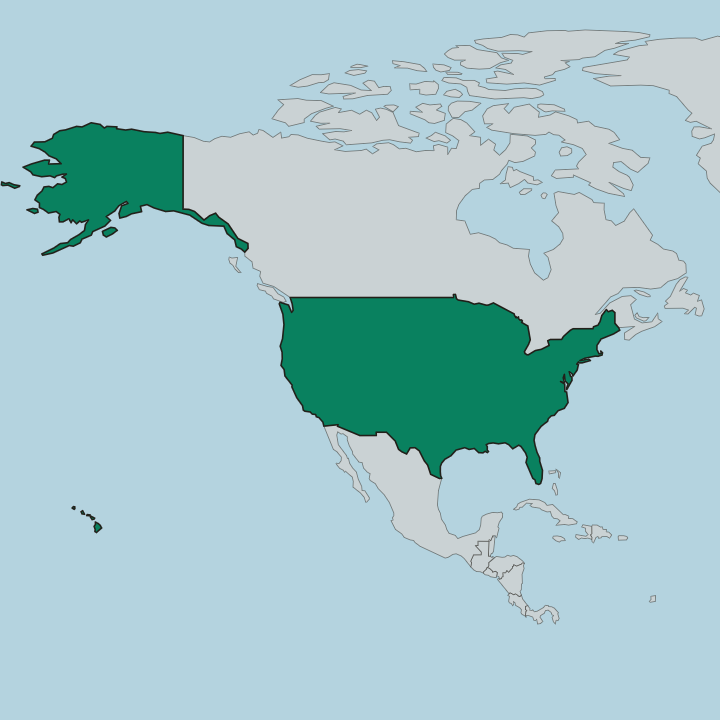
Oregon sits in the Pacific Northwest, in the western United States, facing the Pacific Ocean along its whole western edge. The Columbia River draws most of the northern boundary with Washington, sweeping down from the interior to the sea. To the east, the Snake River marks much of the line with Idaho, cutting through the deep canyon country of the state's dry corner. California and Nevada lie across the southern border.
The land climbs from surf to alpine peaks and drops again to desert within a single state. The Cascade Range is the axis of it all. This chain of volcanoes runs north to south a hundred miles inland, and it divides Oregon into two climates and two landscapes.
West of the crest lie the Coast Range, the fir forests and the long farm trough of the Willamette Valley, where most Oregonians live. East of it the country opens into high desert, sagebrush plateau and scattered buttes that stretch toward Idaho. Mount Hood rises above Portland as the state's high point.
Crater Lake fills a broken caldera. The Columbia River Gorge slices the one sea-level gap through the whole Cascade wall.
What is Oregon like?
Oregon leans outdoors and a little contrarian. Life here bends toward the mountains, the rivers and the coast, and weekends fill with skiing, surfing and long drives to far trailheads. Portland set the tone for the modern state's image, its craft breweries, food carts and independent shops shaping a do-it-yourself creative streak that spread well beyond the city.
English is the common language. The state guards its greenery hard, with land-use and beach-access laws that kept the whole coast public and the farm valleys from sprawling. Older Oregon still runs underneath that.
Logging towns, cattle ranches and fishing ports built the place, and their pull stays strong across the dry east and the coast. The Willamette Valley grows the Pinot noir that made Oregon a serious wine name. Eugene, a university town, sends runners and Ducks fans into the same landscape.
Rain shapes the mood as much as anything. Along the coast, fishing ports and dune towns keep their own slower rhythm. The wet west and the sunbaked east barely feel like one state, and Oregonians take a certain pride in the gap.
What is the history of Oregon?
People lived along these rivers and coasts for thousands of years, among them the Chinook, Kalapuya and Nez Perce. Lewis and Clark wintered near the mouth of the Columbia River in 1805. The fur trade followed, and Astoria was founded near that spot in 1811 as the first lasting American settlement on the Pacific coast.
Wagon trains poured west along the Oregon Trail in the 1840s, drawn to the free farmland of the Willamette Valley. The migration crowded the native peoples onto reservations. Oregon entered the Union in 1859.
Timber, wheat and salmon carried the young state for the century that followed.
What is the climate of Oregon?
Two climates share the state, divided by the Cascade Range. West of the mountains the weather is mild and marine, with wet grey winters, long dry summers and drizzle that gives Portland its reputation. Rain feeds the fir forests and the Willamette Valley vineyards through the cool months, then all but stops from July into September.
East of the crest the air dries out fast. The high desert lies in the rain shadow of the Cascades and bakes under clear summer skies. Snow lingers on Mount Hood.
How do you get to Oregon?
Most visitors fly into Portland, whose airport is the busiest in the state and the usual point of arrival. From there a single interstate runs the length of the Willamette Valley, linking Portland with Salem and Eugene, and trains follow the same corridor north to Seattle and south into California. Reaching the coast or the high desert means a drive over the mountains.
One highway threads the Columbia River Gorge eastward through the Cascade Range. Another hugs the Pacific shore south.
Common questions
What is the best area to stay in Oregon?
Portland: an opening foothold in the state of Oregon. Willamette Valley: Pinot noir and vineyard days. The Oregon Coast: the Pacific shore and its sea stacks. Bend: a high-desert outdoors base.
Good for
More regions in United States
Updated September 2026