United States · Oregon
Where to Stay in Salem, Oregon
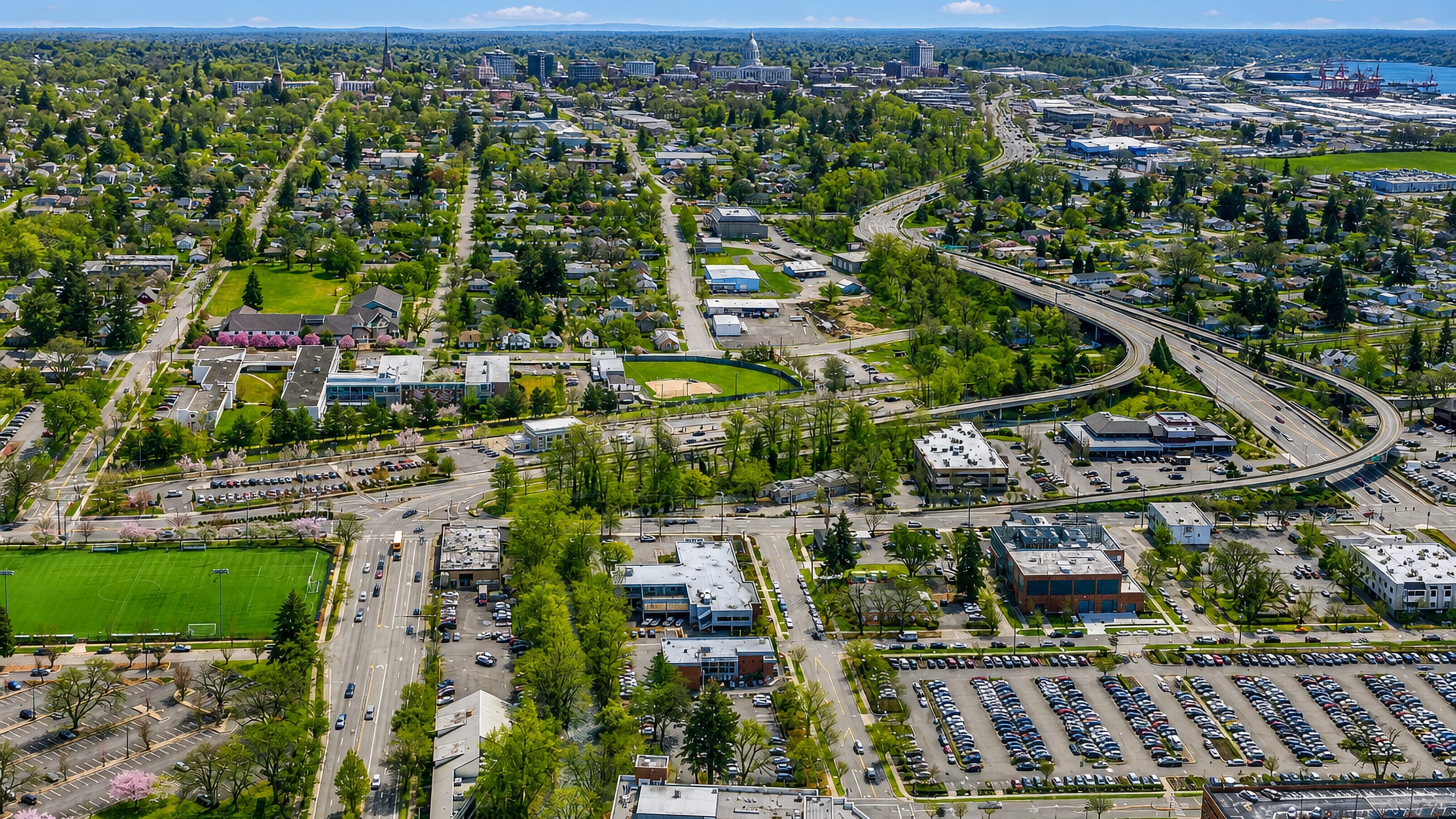
Salem is the capital of Oregon, United States, founded in 1842 and known for the Hallie Ford Museum of Art and the Willamette Heritage Center.
Hotel links are affiliate links: booking through them may earn us a commission, at no extra cost to you. It never affects how places are ranked. How this works


Where to stay in Salem
Where visitors usually base themselves, and why.
Salem sorts into a few clear stay areas built around its heritage sites. The historic center near the Willamette Heritage Center and the Hallie Ford Museum of Art suits travelers who want the mills, museums, and capitol business within a short walk of the door. Base here for heritage.
If your interest runs to gardens and quiet, the streets by the Deepwood Estate and the neighboring Gaiety Hollow give a calmer, greener base at the center's edge. Families do well nearer the Gilbert House Children's Museum, where a full day for younger visitors sits a few blocks away and the surrounding streets stay easy on foot. When the Oregon State Fair fills the exhibition grounds, the north side offers rooms within reach of the halls.
Each pocket trades a different asset for its calm. Choose the bed by the itinerary, and the capital stays compact enough to cross in a morning.
Find hotels in Salem
Direct booking searches for these neighbourhoods.
Historic center by the Willamette Heritage Center
The Willamette Heritage Center and Hallie Ford Museum of Art sit within a short walk, keeping the mills and museums at the door.Find hotels in Historic center by the Willamette Heritage CenterQuiet, garden-minded stays at the center's edgeDeepwood Estate garden edge
The streets by the Deepwood Estate and Gaiety Hollow give a greener, calmer base beside the historic gardens.Find hotels in Deepwood Estate garden edgeFamilies building a trip around younger visitorsAround the Gilbert House Children's Museum
The blocks by the Gilbert House Children's Museum keep a full family day and easy walking a few minutes from the door.Find hotels in Around the Gilbert House Children's MuseumHotel links are affiliate links: booking through them may earn us a commission, at no extra cost to you. It never affects how places are ranked. How this works
Things to do in Salem
Ranked by global recognition; descriptions from Wikidata (CC0).
Museums & Galleries
2- Willamette Heritage Center Heritage
- Hallie Ford Museum of Art
Churches & Religious Sites
1- Pleasant Grove Presbyterian Church Heritage
Castles & Historic Sites
1- Fallen Worker Memorial
Stadiums & Sports
1- Oregon State Fair Heritage
Landmarks & Notable Places
8- Jones–Sherman House Heritage
- Edward W. St. Pierre House Heritage
- Jason Lee House Heritage
- John D. Boon House Heritage
- Alexander Daue House Heritage
Show 3 more →
- Benjamin F. Harding House Heritage
- C. C. Stratton House Heritage
- Daniel B. Jarman House and Garden Heritage
worth knowingacross 5 categories in Salem
About Salem
What is Salem known for?
Salem is known as the seat of government for Oregon and a city of heritage sites. The Hallie Ford Museum of Art holds the state's fine-art collection near the college campus. History sits close to the surface here.
The Willamette Heritage Center preserves the early mill buildings and pioneer homes on one grounds, while the Oregon State Fair fills its exhibition halls each season and the Deepwood Estate keeps a garden estate open at the edge of the historic center.
What are the main landmarks in Salem?
Salem gathers its landmarks in and around the historic center. The Willamette Heritage Center is the signature site, preserving early mill buildings and pioneer homes such as the Jason Lee House on one grounds. Museums cluster close by.
The Hallie Ford Museum of Art holds the fine-art collection, while the Gilbert House Children's Museum draws younger visitors nearby. The Deepwood Estate and its companion garden at Gaiety Hollow keep the historic landscaping open at the center's edge, and the Fallen Worker Memorial marks the capitol grounds.
What is the history of Salem?
Salem was founded in 1842 by missionaries in the Oregon country, and it later became the seat of state government. Mission work came first. The Jason Lee House survives from that founding effort, one of the oldest frame houses in the region and a direct link to the settlers who laid out the town before statehood.
Woolen mills followed, and the buildings that the Willamette Heritage Center now preserves grew from that early industry along the valley floor. Pioneer families built the estates that still edge the center as the town matured. The Deepwood Estate and the John D. Boon House date from those settling decades, and the garden at Gaiety Hollow was shaped by later designers on the historic ground.
Government and learning anchored the growing capital. The Hallie Ford Museum of Art rose beside the college campus, and the Oregon State Fair took its place as the annual gathering of the state within United States. Each era left a building still standing near the old center.
Where is Salem?
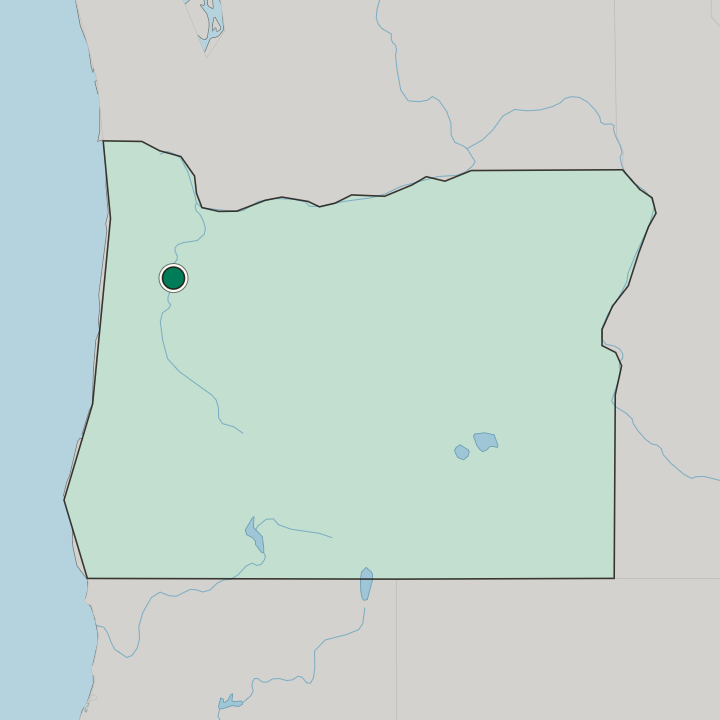
Salem lies on the broad valley floor of western Oregon, United States, spread across roughly 127 square kilometres between low hills. The setting is level and green. Its historic center clusters tightly, so the Willamette Heritage Center, the Hallie Ford Museum of Art, and the Deepwood Estate all fall inside a walkable band.
The street grid runs out across the flat valley toward the exhibition grounds of the Oregon State Fair on the north side.
What is the climate of Salem?
Salem has a mild, marine-influenced climate typical of the western valleys of Oregon. Winters run wet and grey. Long stretches of rain settle over the valley from late autumn into spring, so indoor sites such as the Hallie Ford Museum of Art and the Willamette Heritage Center carry much of the off-peak visiting.
Summers turn dry, warm, and clear, and the garden grounds around the Deepwood Estate come into their own for outdoor days.
How do you get to Salem?
Salem sits on the main interstate that runs the length of the Oregon valley, so most visitors arrive by car after a short run from the larger hubs. Rail and intercity coaches stop in the city as well. From the center, the historic core stays walkable, with the Willamette Heritage Center, the Hallie Ford Museum of Art, and the Deepwood Estate within one circuit.
Drivers follow the valley roads out to the Oregon State Fair grounds on the north side.
Common questions
What is the best area to stay in Salem?
Historic center by the Willamette Heritage Center: Heritage-first stays near mills and museums. Deepwood Estate garden edge: Quiet, garden-minded stays at the center's edge. Around the Gilbert House Children's Museum: Families building a trip around younger visitors.
Good for
More cities in Oregon
Updated September 2026