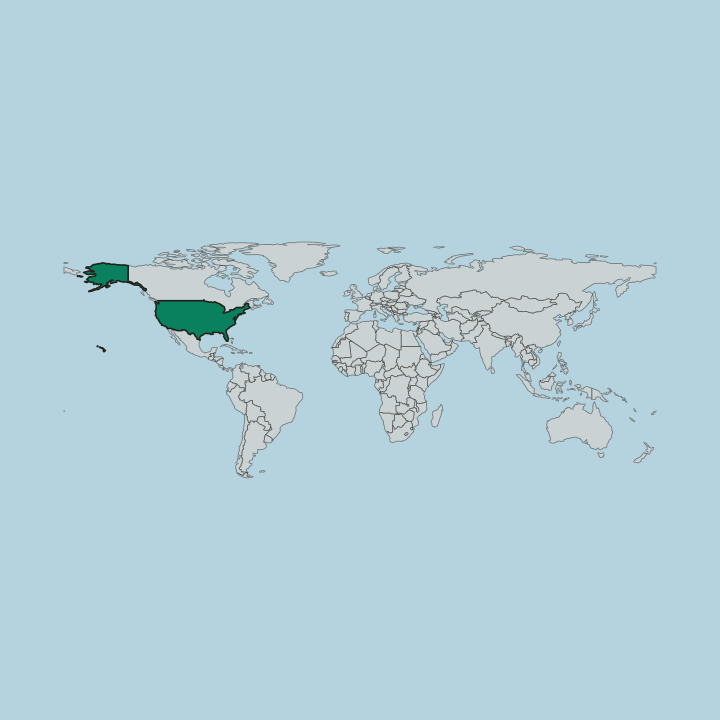
United States · Oregon
Where to Stay in Portland, Oregon
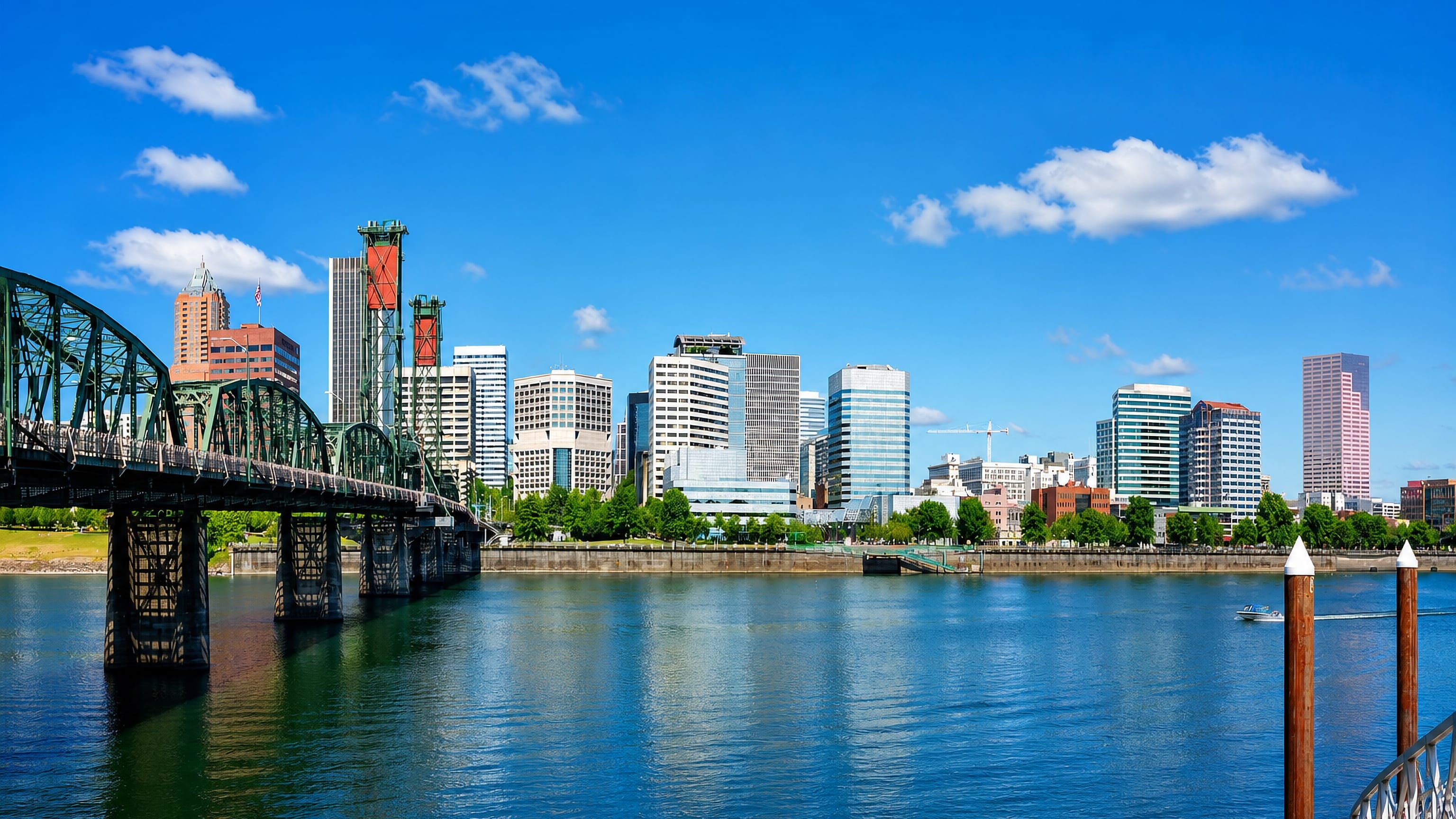
Portland is Oregon's largest city, a river-valley hub known for the Portland Art Museum, the Oregon Zoo, and the hilltop Pittock Mansion.
Hotel links are affiliate links: booking through them may earn us a commission, at no extra cost to you. It never affects how places are ranked. How this works


Where to stay in Portland
One neighbourhood here has its own guide — here's what it is best for.

 PortlandUnited States
Lents
Lents is a neighborhood in the Southeast section of Portland, Oregon, running from SE Powell Boulevard down to the Clackamas County line.Where to stay →Hotel links are affiliate links: booking through them may earn us a commission, at no extra cost to you. It never affects how places are ranked. How this works
Find hotels in Portland
Direct booking searches for these neighbourhoods.
Museum district
The downtown blocks around the Portland Art Museum knit the Oregon Jewish Museum, Ladd Carriage House, and The Old Church into one walkable cluster.Find hotels in Museum districtGuests who want the Pittock Mansion overlook and an easy run to the Oregon ZooWest hills
Forested slopes below the Pittock Mansion give hillside views and the shortest reach to the Oregon Zoo in the west hills.Find hotels in West hillsTrain-minded travellers near the Oregon Rail Heritage CenterEast riverbank
The eastern riverside blocks around the Oregon Rail Heritage Center pair working locomotives with a quieter stay across the water from downtown.Find hotels in East riverbankHotel links are affiliate links: booking through them may earn us a commission, at no extra cost to you. It never affects how places are ranked. How this works
Things to do in Portland
Ranked by global recognition; descriptions from Wikidata (CC0).
Museums & Galleries
3- Portland Art Museum
- Center for an Untold Tomorrow
- Stark's Vacuum Museum
Churches & Religious Sites
8- St. Mary's Cathedral Heritage
- The Old Church Heritage
- First Presbyterian Church Heritage
- First Unitarian Church Heritage
- First Congregational Church Heritage
Show 3 more →
- Mizpah Presbyterian Church of East Portland Heritage
- First Church of Christ, Scientist Heritage
- Portland Buddhist Church Heritage
Castles & Historic Sites
1- Theodore Roosevelt Memorial
Stadiums & Sports
1- Portland Ice Arena
Landmarks & Notable Places
5- Ladd Carriage House Heritage
- Simon Benson House Heritage
- George Earle Chamberlain House Heritage
- John S. Honeyman House Heritage
- Edward D. Dupont House Heritage
worth knowingacross 5 categories in Portland
About Portland
What is Portland known for?
Portland is best known as Oregon's cultural anchor, a walkable city of museums, historic churches, and green hillside estates. The Portland Art Museum and the Oregon Jewish Museum draw steady crowds downtown, while the Oregon Zoo pulls families to the west hills. Above the city, the Pittock Mansion crowns a forested ridge that shades the older streets below it.
Rail buffs head for the Oregon Rail Heritage Center. The mix works.
What are the main landmarks in Portland?
Portland's landmarks mix civic museums, historic churches, and a hilltop estate. The Portland Art Museum and the Oregon Jewish Museum sit at the cultural centre, while the Oregon Rail Heritage Center keeps the city's railway story alive by the river. Above it all stands the Pittock Mansion.
Its wooded ridge marks the western edge of town. Older fabric survives too: The Old Church, the First Congregational Church, the Simon Benson House, and the Ladd Carriage House trace the growth of Oregon's largest city, and the Theodore Roosevelt Memorial adds a civic monument to the roster. A varied set.
What is the history of Portland?
Portland grew from a river settlement into the commercial heart of Oregon, its wealth built on timber, shipping, and the railways that met at its docks. The Ladd Carriage House and the Simon Benson House survive from that expansive early era, homes raised by figures who shaped the young city. Trade drove the boom.
Churches followed the merchants as neighbourhoods filled out. The Old Church and the First Congregational Church stand from those formative decades, permanent sanctuaries that replaced the first plain meeting halls. Later the Oregon Rail Heritage Center preserved the locomotives that once carried Portland's freight to the coast and the interior, a direct link to the industry that made the place.
The Pittock Mansion crowned the story near its peak, a publisher's estate set high in the west hills above the growing streets. Across roughly 376 square kilometres the modern city eventually spread along both banks of its river. That river, more than any single decree, set the shape of everything that came after.
Where is Portland?
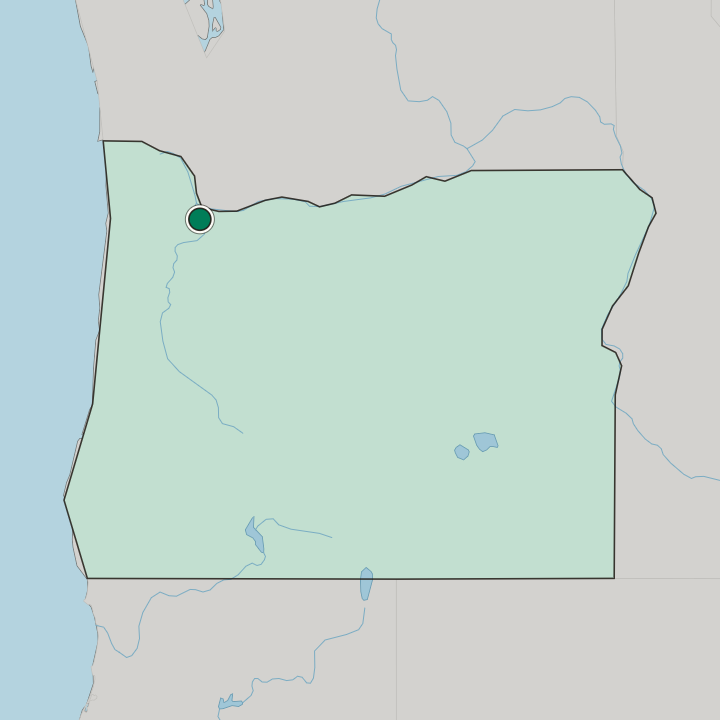
Portland spreads across roughly 376 square kilometres along the banks of a broad river as the largest city in Oregon, wooded hills rising sharply on the western side to carry its streets up toward the ridge that holds the Pittock Mansion. The flatter east bank runs out in a long grid. Two worlds.
That split between hillside and valley floor defines the shape of the place, and bridges tie the two halves together across the water below. The river runs through the middle.
What is the climate of Portland?
Portland has a mild, marine-influenced climate marked by wet winters and dry summers. Grey, rainy months settle over the river valley from late autumn into spring, feeding the green hills that rise toward the Pittock Mansion. Summers turn warm and notably dry.
The wet season is long. Clouds and drizzle define the cool half of the year far more than hard frost or snow, a pattern shared across the lowlands of western Oregon. Mild overall.
How do you get to Portland?
Portland is reached by its international airport and by the interstate corridors that run the length of western Oregon, tying the city into the whole coast. Most visitors arrive by air or road. A light-rail line then links the terminal directly to the downtown centre near the Portland Art Museum.
From there the Oregon Zoo and the west-hills sights lie a short ride away. Getting around the compact core is simple once you land.
Common questions
What is the best area to stay in Portland?
Museum district: Culture-first visitors near the Portland Art Museum and Ladd Carriage House. West hills: Guests who want the Pittock Mansion overlook and an easy run to the Oregon Zoo. East riverbank: Train-minded travellers near the Oregon Rail Heritage Center.
Good for
More cities in Oregon
Updated September 2026