United States · Oregon
Where to Stay in Bend, Oregon
Bend is a city of central Oregon, a high-desert town on the Deschutes river, ringed by the Cascade volcanoes and old lava country.
Hotel links are affiliate links: booking through them may earn us a commission, at no extra cost to you. It never affects how places are ranked. How this works


Where to stay in Bend
How the choice of base plays out on the ground.
In Bend the decision is the downtown shopping streets or a room near the Deschutes. The streets around downtown keep the shops, the museum, and the old mill within a walk, and staying in the centre suits anyone here for the town. Pilot Butte rises to the east.
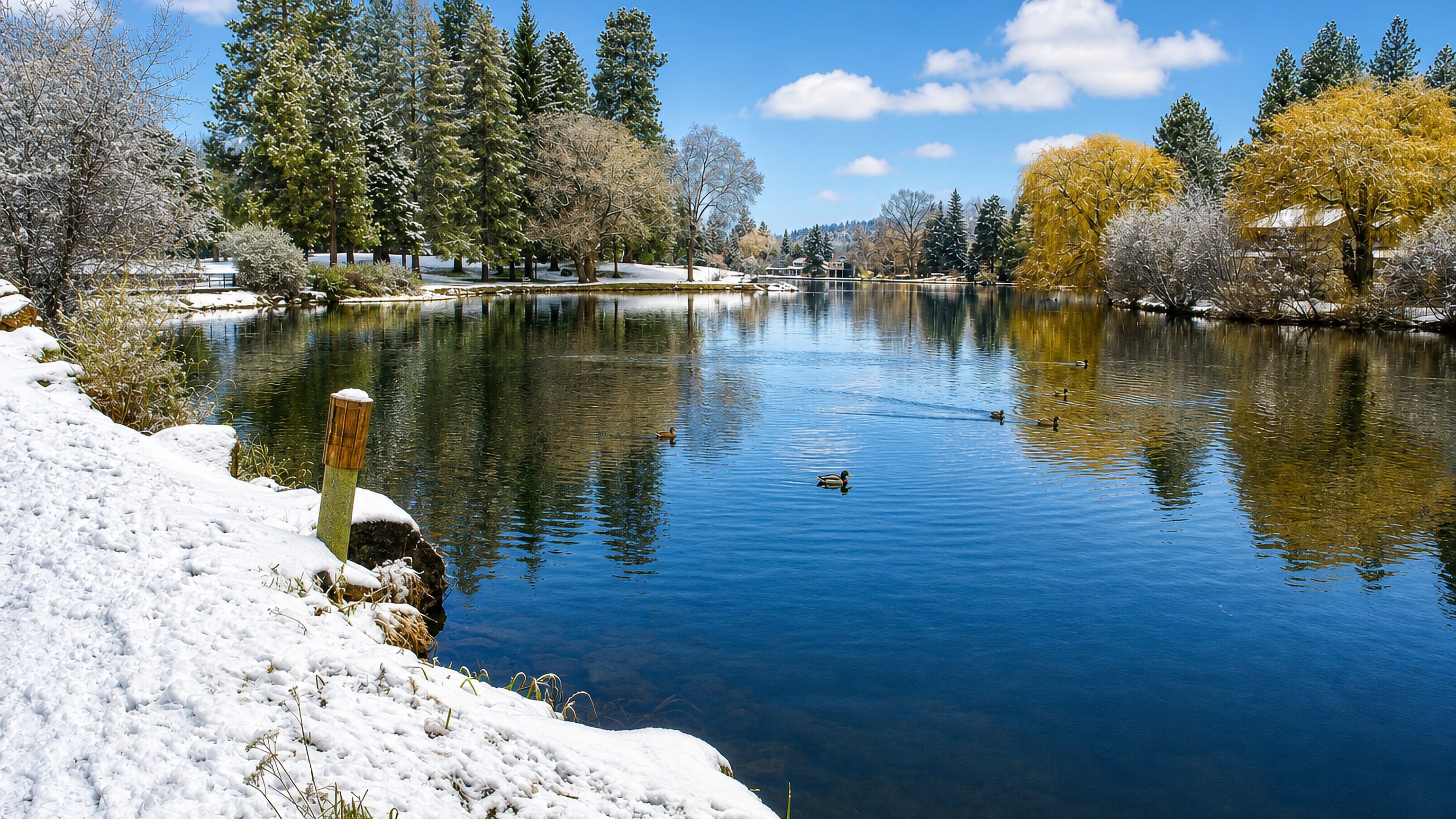
The Deschutes runs through the streets. Out toward the mountains and the lakes, the town gives way to the pine forests, the ski runs, and the lava country. A room out of town trades the streets for the ponderosa woods, the mountain trails, and the peaks of the Cascades.
The high desert rolls away east. Stay downtown for the mill and river, or out for the mountains. Bend's downtown is only a short run back from the pines.
Find hotels in Bend
Direct booking searches for these neighbourhoods.
Downtown and the Old Mill
Around the centre by the DeschutesFind hotels in Downtown and the Old MillStays wanting the ski runs and forestsThe mountains and lakes
West toward the CascadesFind hotels in The mountains and lakesHotel links are affiliate links: booking through them may earn us a commission, at no extra cost to you. It never affects how places are ranked. How this works
Things to do in Bend
Ranked by global recognition; descriptions from Wikidata (CC0).
Churches & Religious Sites
1- Trinity Episcopal Church Heritage
Stadiums & Sports
1- Simpson Pavilion
Landmarks & Notable Places
6- Goodwillie–Allen House Heritage
- Evan Andreas Sather House Heritage
- B. A. and Ruth Stover House Heritage
- Emil and Ottilie Wienecke House Heritage
- Benjamin Hamilton House Heritage
Show 1 more →
- Hope–Van Allen House Heritage
worth knowingacross 3 categories in Bend
About Bend
Bend is the high-desert hub of central Oregon.
What is Bend known for?
On the Deschutes river below the Cascades, it grew as a lumber town of the ponderosa pines, and it keeps the old mill district by the river, the cinder cone of Pilot Butte above the streets, the lava fields and cave of Newberry to the south, and the ski slopes of Mount Bachelor in the mountains west. The dry pine country runs wide. Snow caps the peaks.
What are the main landmarks in Bend?
The Old Mill District is the mark of Bend. The riverside quarter where the great lumber mills once cut the pines, now a row of shops and paths along the Deschutes, is the emblem of the town, downtown. A cinder cone rises east.
Pilot Butte stands over the streets as a lone volcano, while the river, the Deschutes Historical Museum, and the Cascade volcanoes mark the country around Bend.
What is the history of Bend?
Bend began as a ford on the Deschutes. Wagons crossing the high desert forded the river here, at a bend the old maps marked, and a town grew by the crossing. The pines drew the mills.
When the railroad reached the river, great lumber mills rose on the banks, sawing the ponderosa forests of the plateau into boards for the whole country, and the town boomed on timber. The mills fell silent in time. When the last great sawmill closed, Bend turned from timber to the mountains and the river, drawing those who came for the skiing, the rafting, and the clean high air.
The old mill became a district of shops. Along the Deschutes the sawmills gave way to breweries, trails, and riverside walks, and Bend grew into the outdoor hub of central Oregon, kept for its volcanoes, its pines, and its river. The peaks stand white to the west.
Bend keeps its high desert and its river in the heart of Oregon.
Where is Bend?
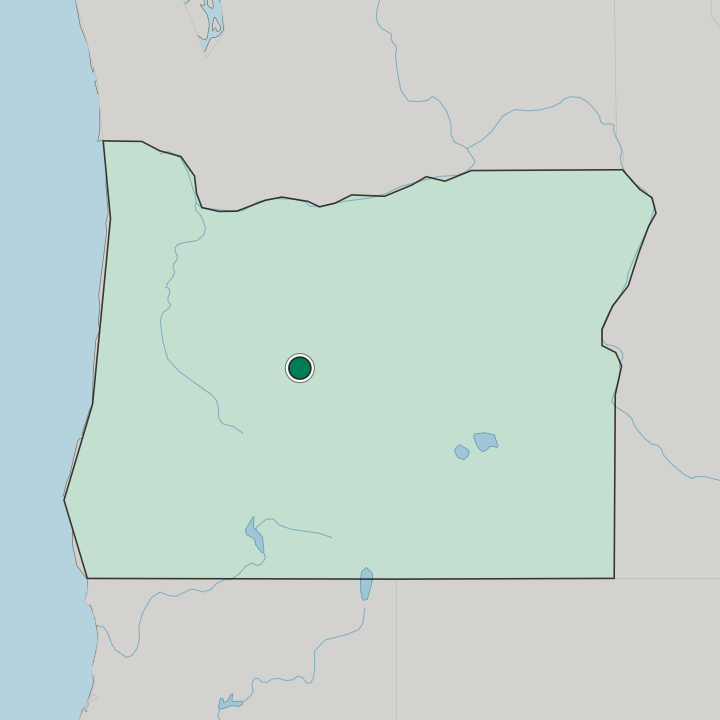
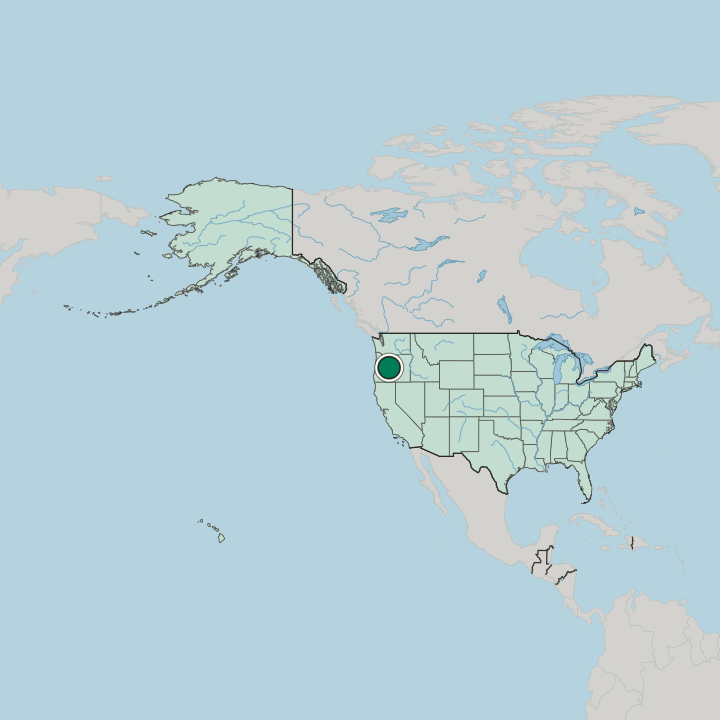
Bend lies in the center of Oregon, on the Deschutes river at the eastern foot of the Cascade Range. The town sits on a high desert plateau over three thousand feet up, among ponderosa pines and old lava flows, with the snowy volcanoes to the west and the sagebrush country rolling east. Pilot Butte rises over the streets.
The river runs cold and clear.
What is the climate of Bend?
Bend has a dry, high-desert climate. Warm sunny summers and cold snowy winters cross the plateau, with cool nights the year round and clear skies over the mountains. The summer days run dry.
Winter brings snow to the passes.
How do you get to Bend?
Bend lies in central Oregon, east of the Cascade passes. The highway runs to it over the mountains from the Willamette valley, and roads lead south to the lava country and the lakes. Buses cross the high desert.
Portland lies far to the northwest.
Common questions
What is the best area to stay in Bend?
Downtown and the Old Mill: Visitors here for the shops and river. The mountains and lakes: Stays wanting the ski runs and forests.
Good for
More cities in Oregon
Updated September 2026