United States · Pennsylvania
Where to Stay in Lancaster, Pennsylvania
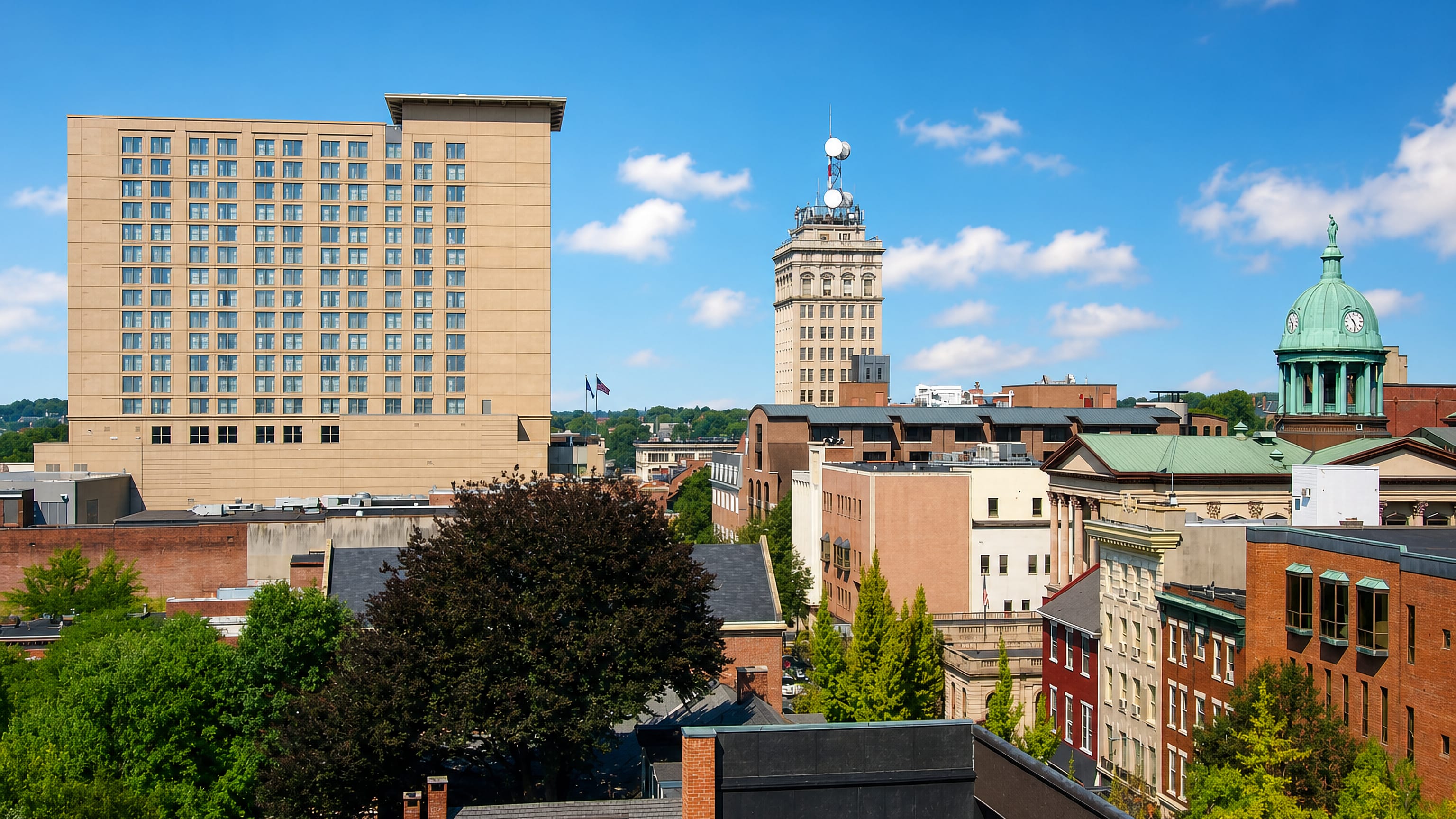
Lancaster, founded in 1730, is one of the oldest inland towns in the United States and the county seat at the centre of Pennsylvania Dutch Country.
Hotel links are affiliate links: booking through them may earn us a commission, at no extra cost to you. It never affects how places are ranked. How this works


Where to stay in Lancaster
How the choice of base plays out on the ground.
The old centre is where the walking is. Holy Trinity Lutheran Church, the Jasper Yeates House and the Demuth Museum stand within the oldest part of Lancaster, and a room among them removes the drive from almost everything a short visit wants. Ball games change the week.
Clipper Magazine Stadium brings its own crowd into the city on match dates, and the nearest rooms go to people who booked for the fixture rather than for the town. Stumpf Field draws smaller numbers. Quieter ground lies away from the market streets.
Wheatland stands among the registered houses on that side, with the Andrew Ellicott House, the Totten House and Abbeville, and a room there trades the walk into the centre for parking and quiet. Lancaster County holds the alternatives. Beds out in Pennsylvania Dutch Country are the usual answer once the city fills, though a car then becomes necessary for every museum and every evening in town.
The metropolitan area is far larger than the city. That scale makes the choice between sleeping in Lancaster and sleeping among the farms a real one rather than a formality.
Find hotels in Lancaster
Direct booking searches for these neighbourhoods.
The old grid
Holy Trinity Lutheran Church, the Jasper Yeates House and the Demuth Museum sit inside the oldest streets of Lancaster, close enough to leave the car parked.Find hotels in The old gridAnyone in town for a fixture at Clipper Magazine StadiumThe Clipper Magazine Stadium blocks
Clipper Magazine Stadium sets its own calendar, and the rooms nearest the ballpark are taken by people who booked around the schedule.Find hotels in The Clipper Magazine Stadium blocksDrivers pairing Wheatland with the Andrew Ellicott House and AbbevilleThe Wheatland side
Wheatland, the Andrew Ellicott House, the Totten House and Abbeville stand on residential ground where parking is easy and the streets stay quiet.Find hotels in The Wheatland sideHotel links are affiliate links: booking through them may earn us a commission, at no extra cost to you. It never affects how places are ranked. How this works
Things to do in Lancaster
Ranked by global recognition; descriptions from Wikidata (CC0).
Museums & Galleries
3- Demuth Museum
- North Museum of Nature and Science
- Lancaster Museum of Art
Churches & Religious Sites
3- St. Mary's Church
- Holy Trinity Lutheran Church
- Unitarian Universalist Church of Lancaster
Castles & Historic Sites
1- Park Site (36LA96) Heritage
Stadiums & Sports
3- Clipper Magazine Stadium
- Stumpf Field
- Sponaugle–Williamson Field
Landmarks & Notable Places
7- Wheatland Heritage
- Abbeville Heritage
- Andrew Ellicott House Heritage
- Totten House Heritage
- Jasper Yeates House Heritage
Show 2 more →
- Henry Krauskap House Heritage
- David M. Mayer House Heritage
worth knowingacross 5 categories in Lancaster
About Lancaster
Age is the first fact.
What is Lancaster known for?
Lancaster was founded in 1730 and counts among the oldest inland towns in the United States, a distinction visible in a street plan laid out long before the country existed around it. Pennsylvania Dutch Country surrounds it. Many members of the Amish community live in the county beyond the built edge, and the city works as the market and administrative centre for that farming region.
The Demuth Museum, the Lancaster Museum of Art and the North Museum of Nature and Science carry the indoor side.
What are the main landmarks in Lancaster?
Wheatland heads the registered list. The Demuth Museum, the Lancaster Museum of Art, the Phillips Museum of Art and the North Museum of Nature and Science divide the collections between art and natural science, a wide spread for a city of this size. Old houses carry the rest: the Jasper Yeates House, the Andrew Ellicott House, the Henry Krauskap House, the Totten House and Abbeville.
Two congregations anchor corners of the grid, Holy Trinity Lutheran Church and the Unitarian Universalist Church of Lancaster. Sport has Clipper Magazine Stadium and Stumpf Field.
What is the history of Lancaster?
Lancaster dates from 1730. It grew inland at a time when most colonial towns kept close to navigable water, which is why it counts among the oldest inland towns in the United States. Farming country grew up around it.
The county became Pennsylvania Dutch Country, worked then as now, and many members of the Amish community live on that land. The city took the role of county seat, which fixed the courts and the county offices inside the old grid and kept the centre in use through every later change. Wheatland is the best known of the houses.
The registered properties around it, the Andrew Ellicott House, the Totten House, the Henry Krauskap House and Abbeville, record a city that kept building on the same plan rather than replacing it. Congregations mark the same streets. Holy Trinity Lutheran Church and the Unitarian Universalist Church of Lancaster stand for two of them, and the Demuth Museum, the Lancaster Museum of Art and the Phillips Museum of Art came later to the same ground.
Lancaster now anchors a metropolitan area far larger than the city itself, eighth in Pennsylvania by size and still the seat of Lancaster County, whose courts remain in the old centre. Clipper Magazine Stadium is the modern addition.
Where is Lancaster?
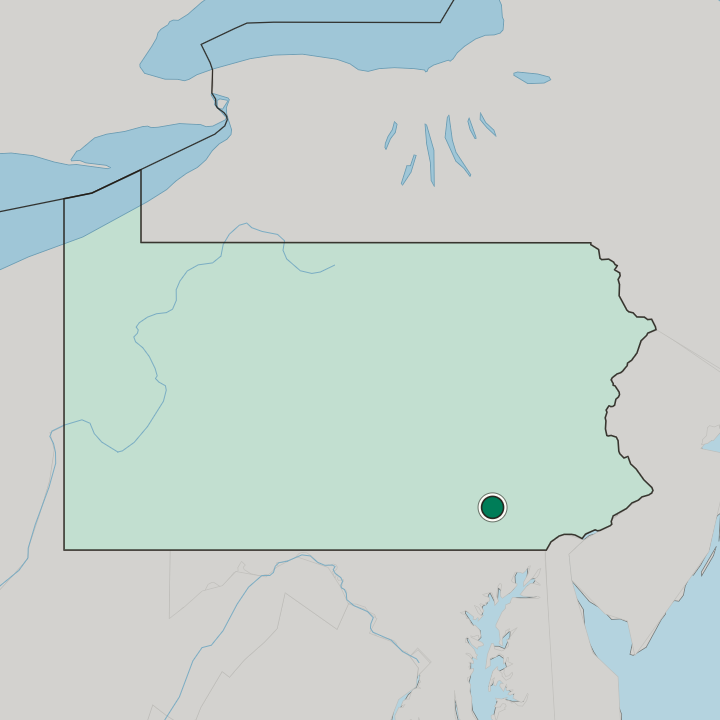
Lancaster occupies a compact grid inland from any navigable water, set among the farms of Lancaster County rather than on a coast or a major river. The county is farmland. Pennsylvania Dutch Country runs out in every direction from the built edge, which keeps the city small in area while the Lancaster metropolitan area around it reaches much further.
The grid still governs the centre.
What is the climate of Lancaster?
The farming year keeps the score here. Lancaster lies inland in the northern temperate band, so the seasons swing without a coast to soften either end, and the fields of Lancaster County show the change well before the streets do. Summer is the working half.
Clipper Magazine Stadium and Stumpf Field take the warm evenings, while the Demuth Museum and the North Museum of Nature and Science absorb the cold and wet ones.
How do you get to Lancaster?
Every approach to Lancaster is a road one. Lancaster sits inland with no water route to it, so arrival is across Lancaster County on roads that also carry farm traffic, and the last miles run through Pennsylvania Dutch Country. Downtown is walkable end to end.
Once inside the old grid the Demuth Museum, Holy Trinity Lutheran Church and Clipper Magazine Stadium stand close enough that a car becomes a liability rather than an asset, and parking is the thing to settle first.
Common questions
What is the best area to stay in Lancaster?
The old grid: Walkers who want Holy Trinity Lutheran Church and the Demuth Museum on foot. The Clipper Magazine Stadium blocks: Anyone in town for a fixture at Clipper Magazine Stadium. The Wheatland side: Drivers pairing Wheatland with the Andrew Ellicott House and Abbeville.
Good for
More cities in Pennsylvania
Updated October 2026