United States
Pennsylvania, United States — Towns & Travel Guide
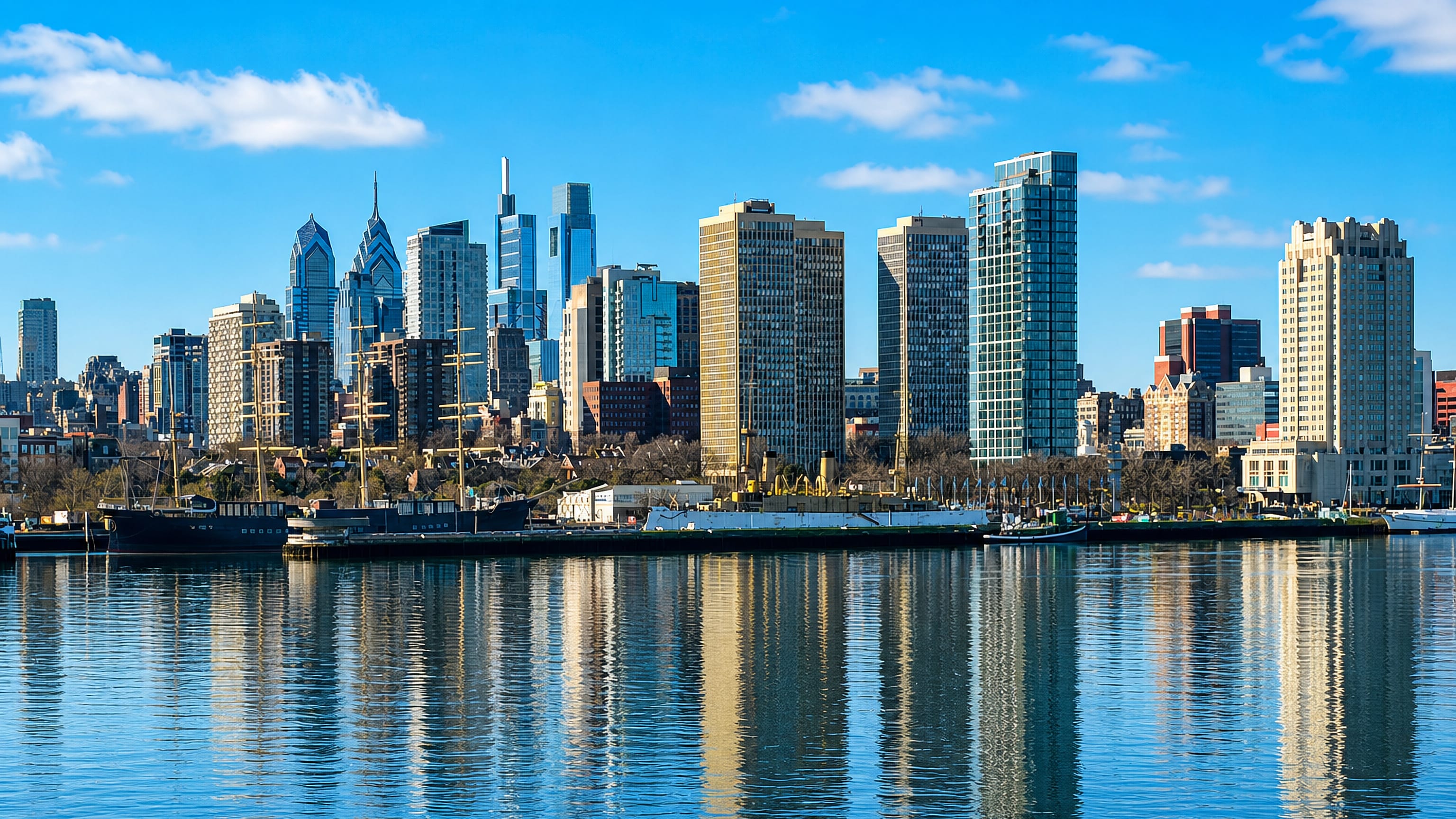
Pennsylvania runs from the Delaware River across the Appalachian ridges to Lake Erie, a Mid-Atlantic commonwealth anchored by Philadelphia.
Hotel links are affiliate links: booking through them may earn us a commission, at no extra cost to you. It never affects how places are ranked. How this works


Towns & cities in Pennsylvania
Pick a town or city — each links to where to stay.
 United States
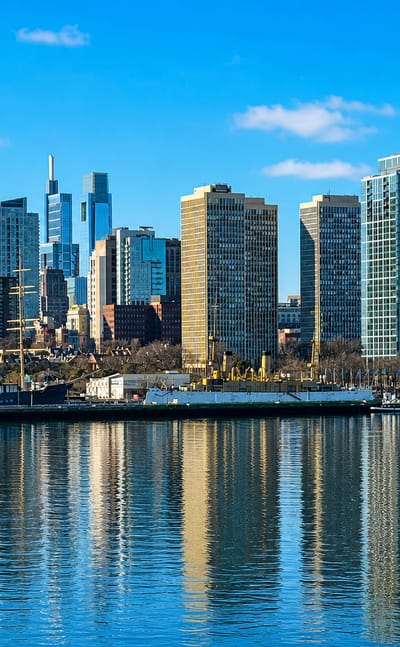
Philadelphia
Independence Hall and the Liberty Bell mark the old town of Philadelphia, a founding city in Pennsylvania known for its museums and historic parks.Where to stay →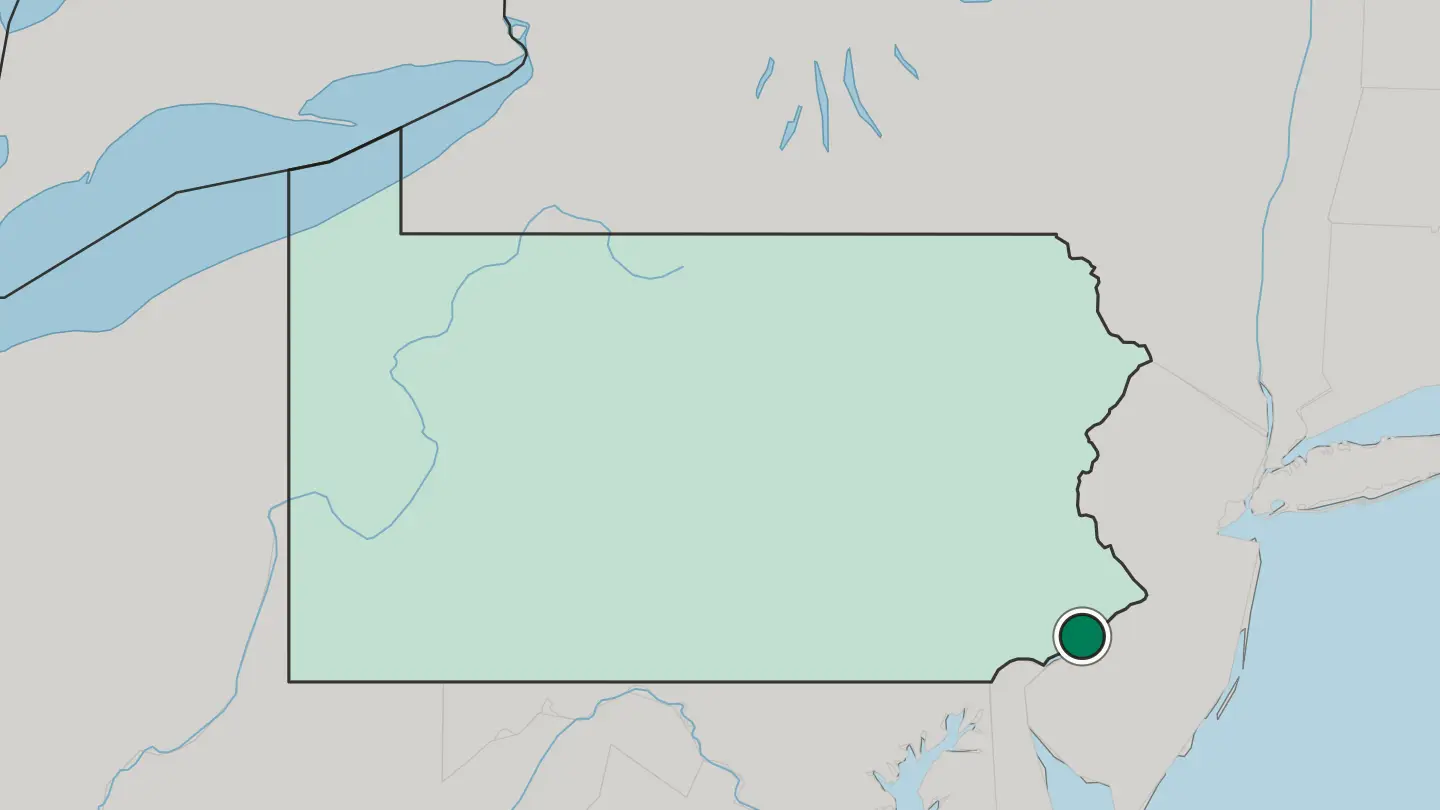
 United States
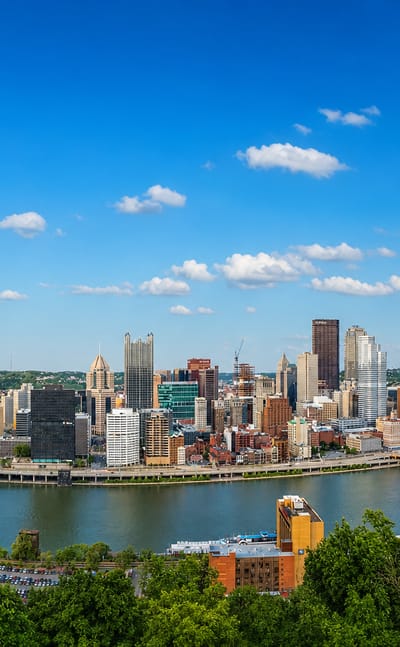
Pittsburgh
Three rivers meet at Pittsburgh, a hill-and-bridge city in southwestern Pennsylvania, known for Point State Park and the Andy Warhol Museum.Where to stay →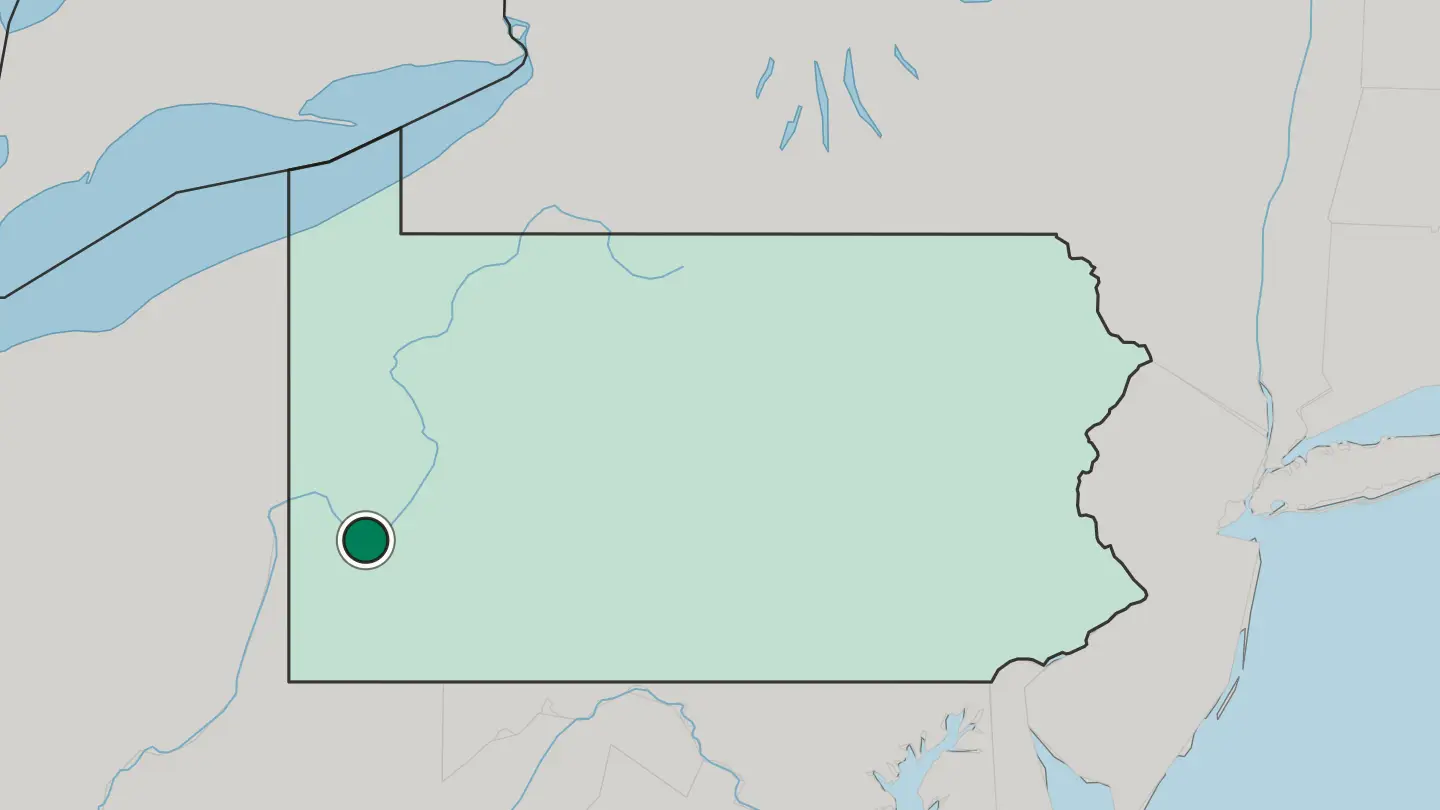
 United States
Allentown
Allentown, founded in 1762, is the seat of Lehigh County and the largest city of the Lehigh Valley, third in Pennsylvania after Philadelphia.Where to stay →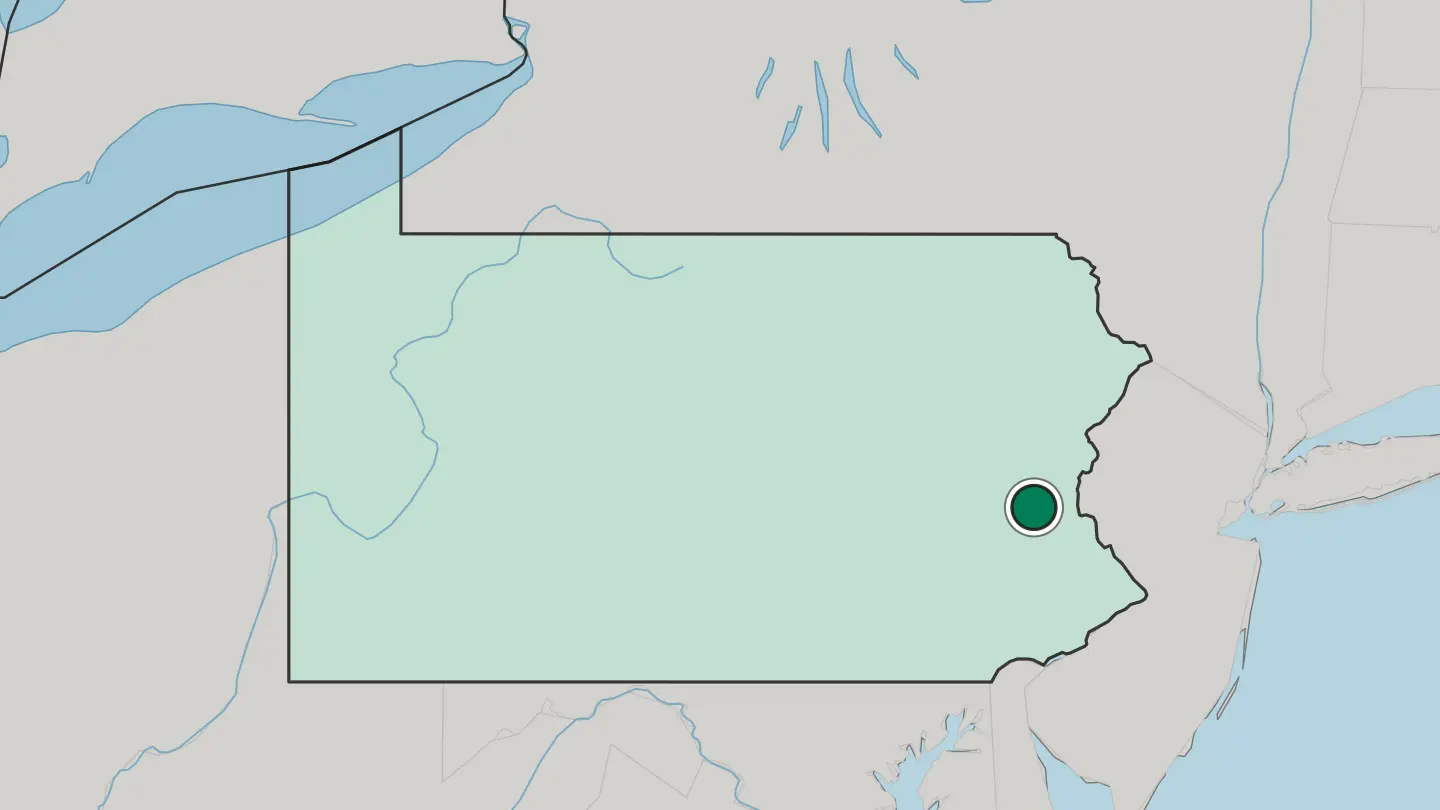
 United States
Erie
Erie is Pennsylvania's only Great Lakes port, a county seat of 1795 on the south shore of Lake Erie, holding the Erie Maritime Museum.Where to stay →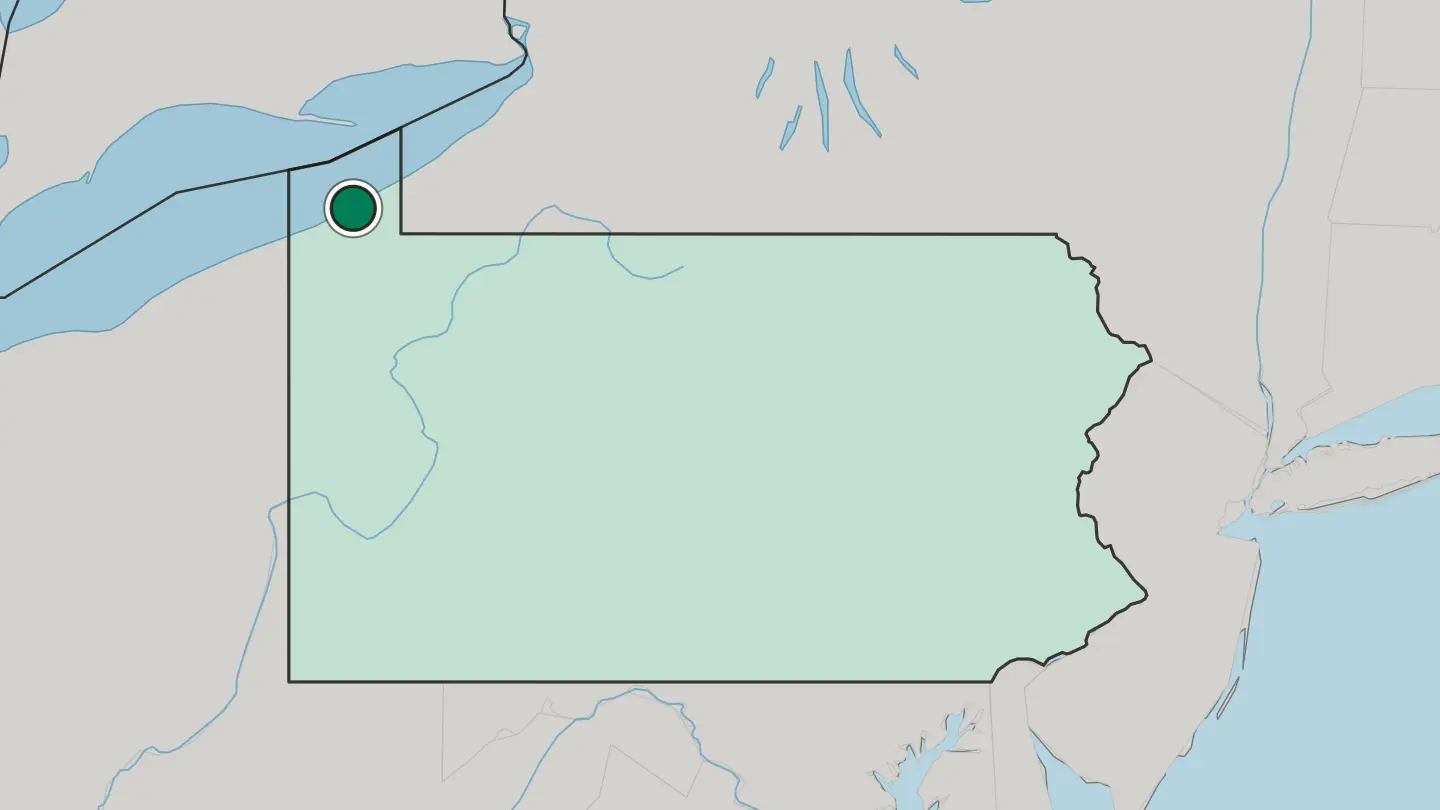
 United States
Reading
Reading is the county seat of Berks County, a Pennsylvania city of 1748 crowned by the William Penn Memorial Fire Tower.Where to stay →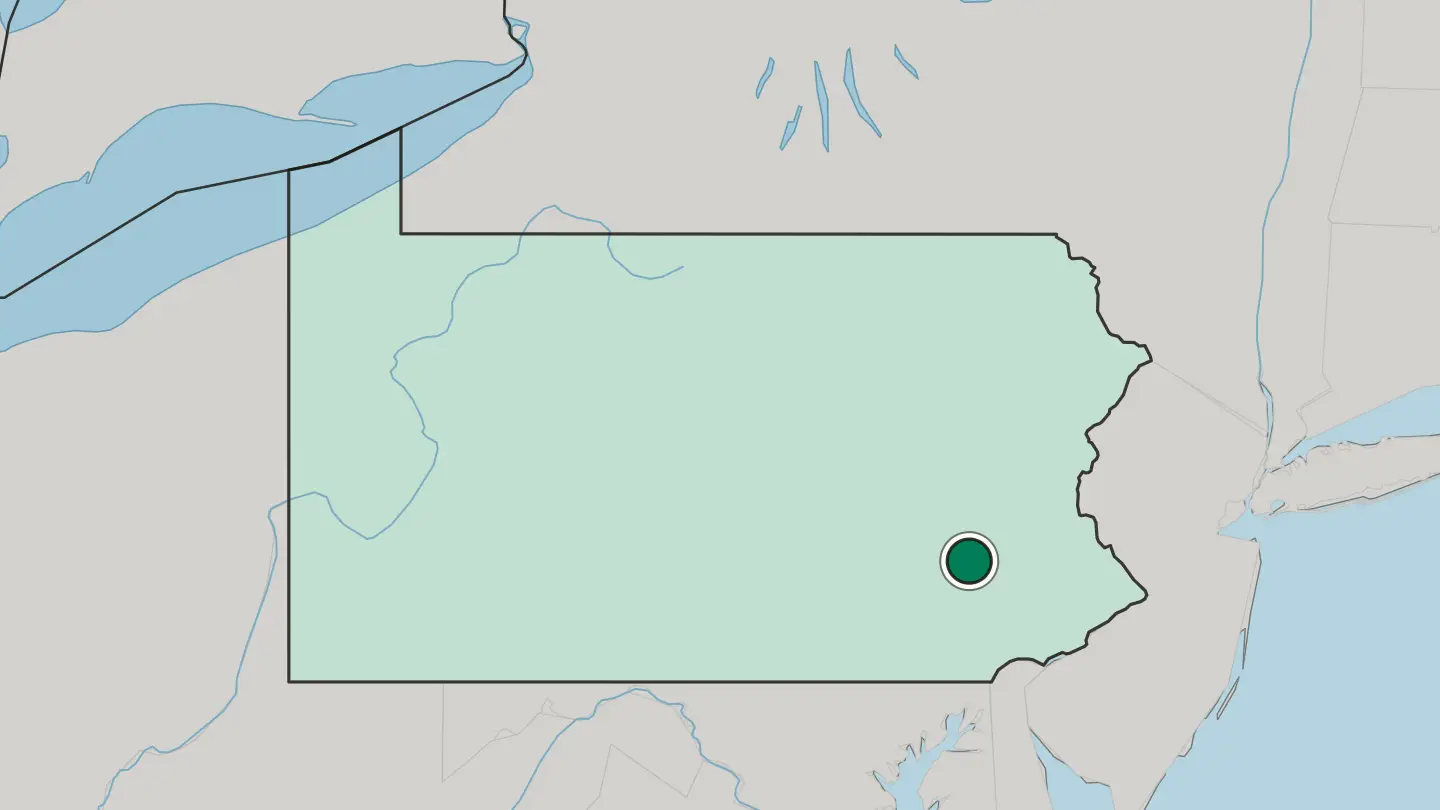
 United States
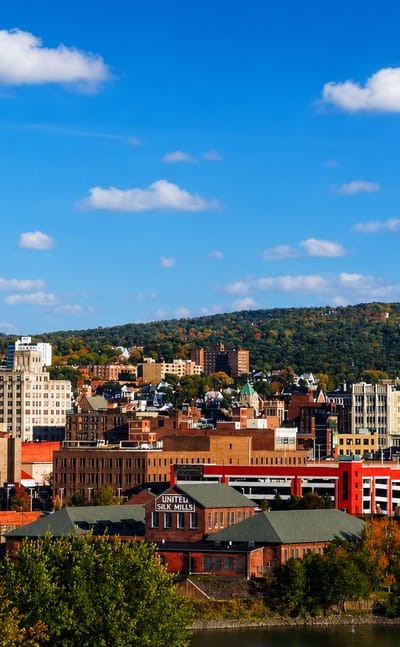
Scranton
Coal-era brick and trolley rails mark Scranton, a city in Northeastern Pennsylvania known for the Everhart Museum and the Electric City Trolley Museum.Where to stay →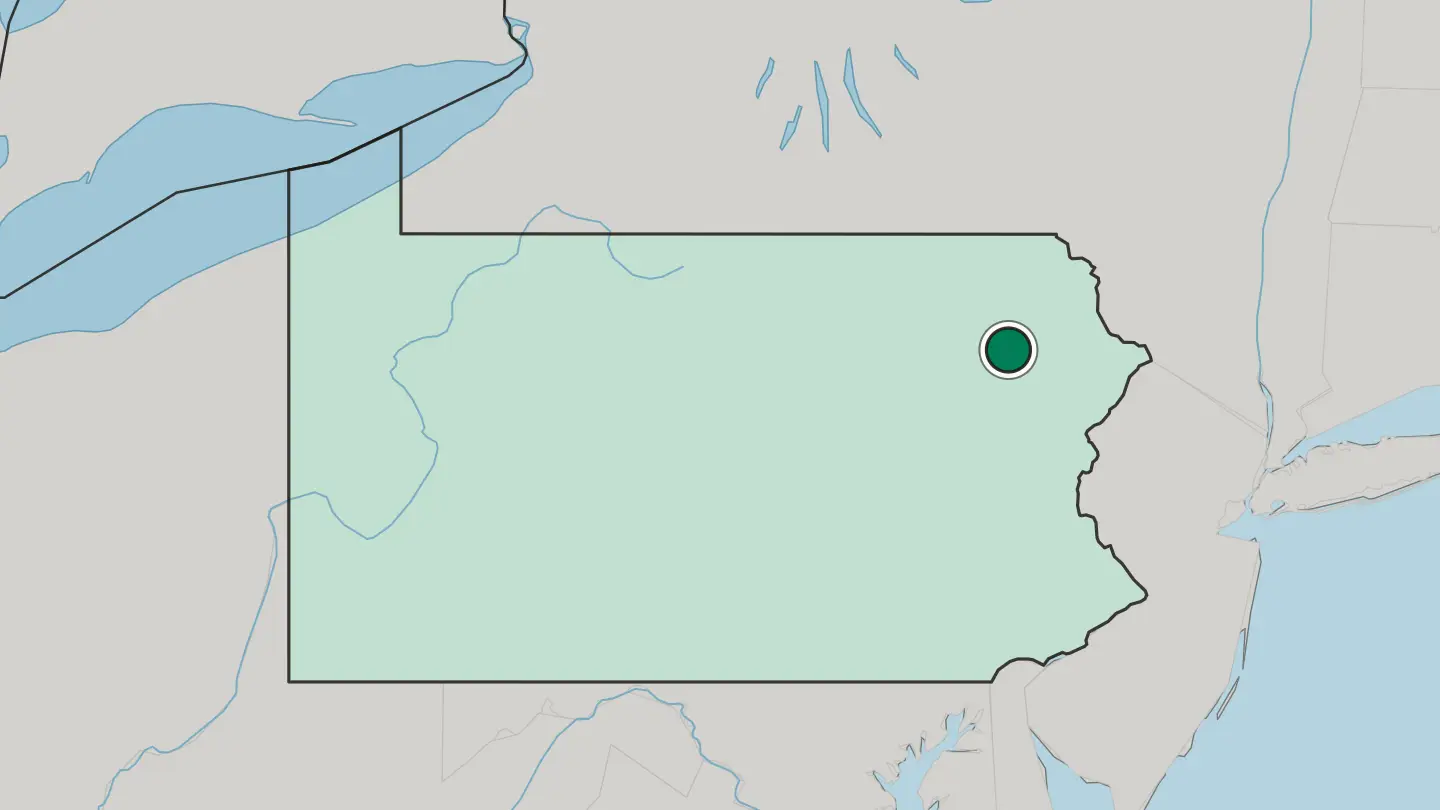
 United States
Bethlehem
Bethlehem, a Moravian foundation of 1741 on the Lehigh River, is the second-largest city of the Lehigh Valley after Allentown.Where to stay →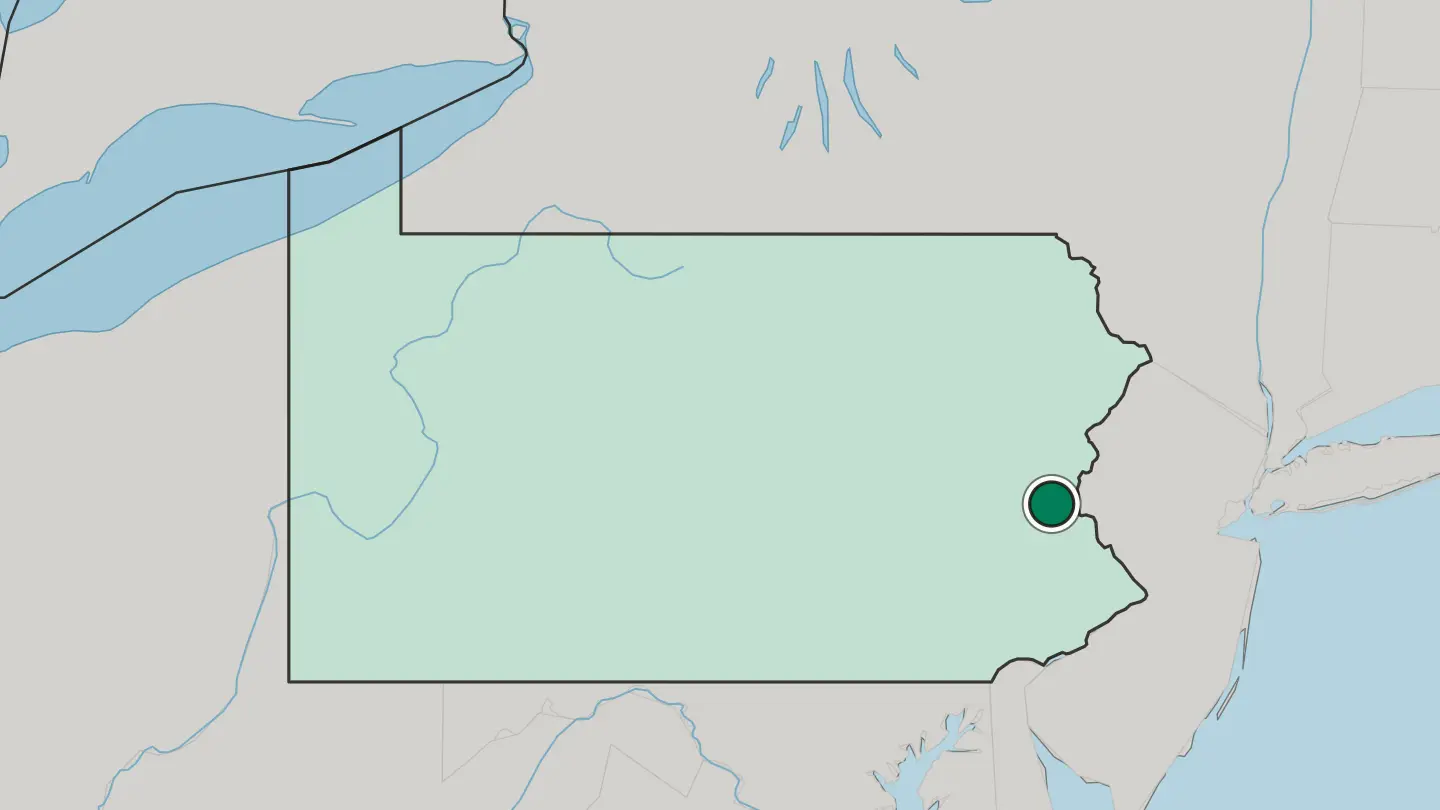
 United States
Lancaster
Lancaster, founded in 1730, is one of the oldest inland towns in the United States and the county seat at the centre of Pennsylvania Dutch Country.Where to stay →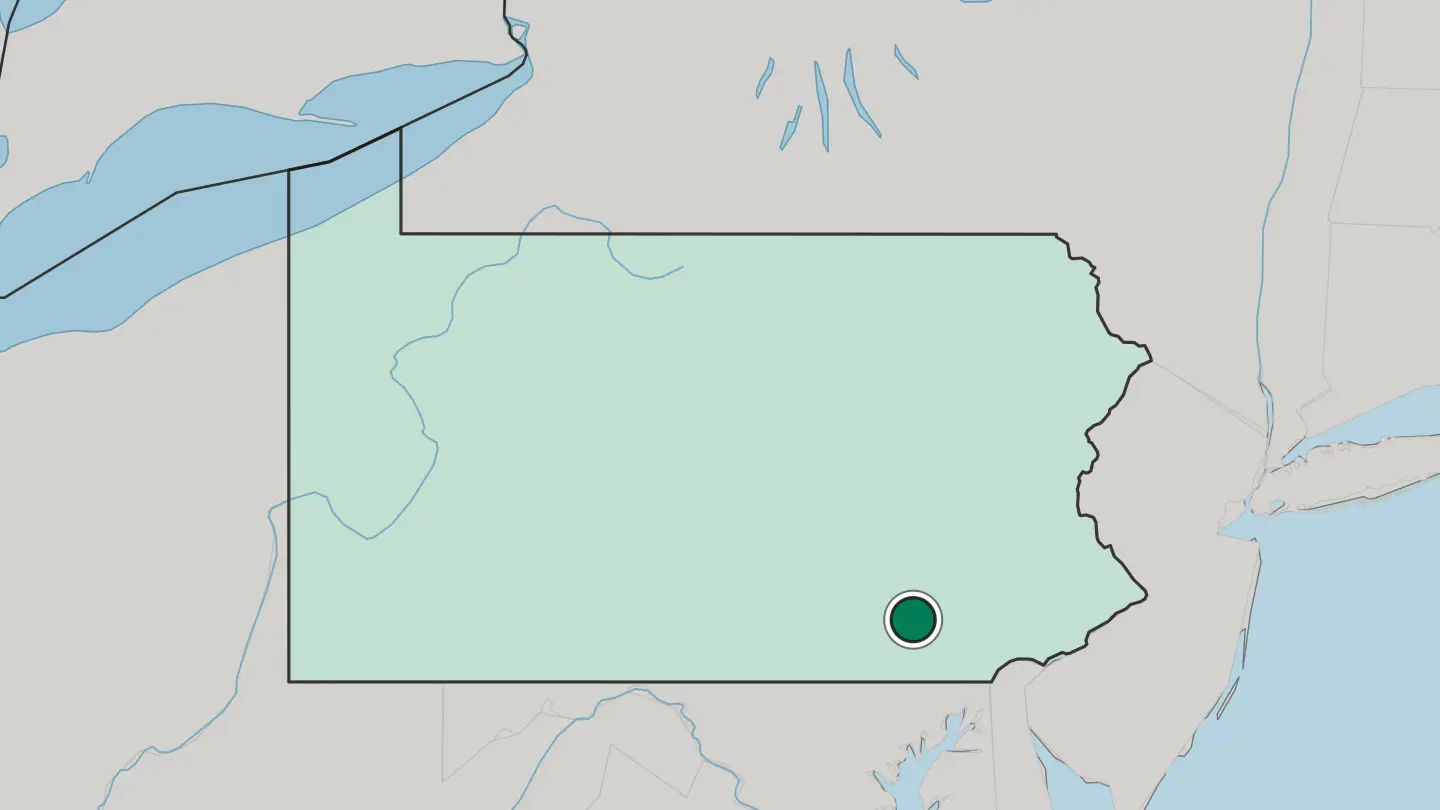
All towns & cities (12)
 United States
Abington
Abington Township is a Montgomery County township pressed against Northeast Philadelphia, holding the Abington Art Center and the Richard Wall House.Where to stay →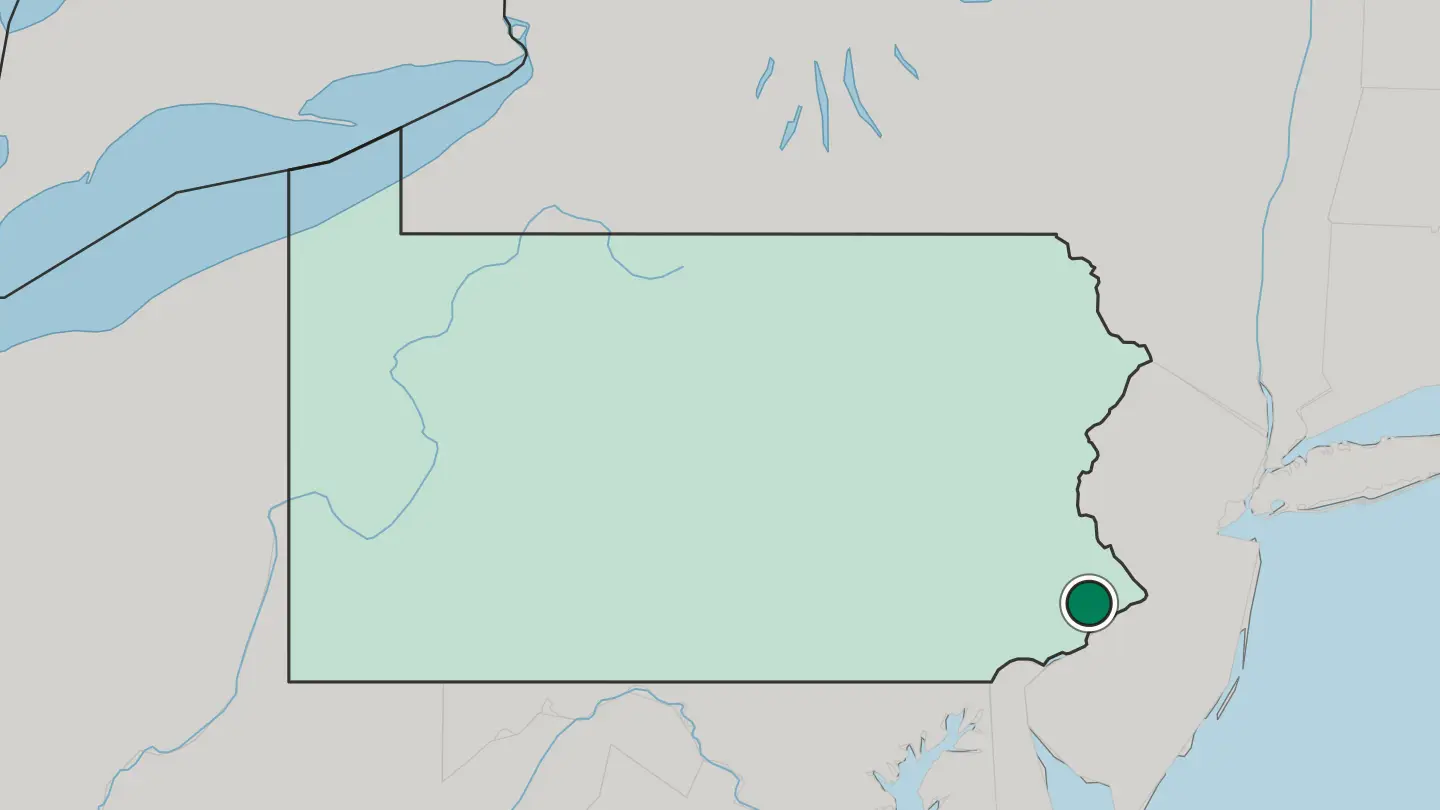 United States
Levittown
Levittown is a planned community begun in 1952, laid across four Bucks County municipalities inside the Philadelphia metropolitan area.Where to stay →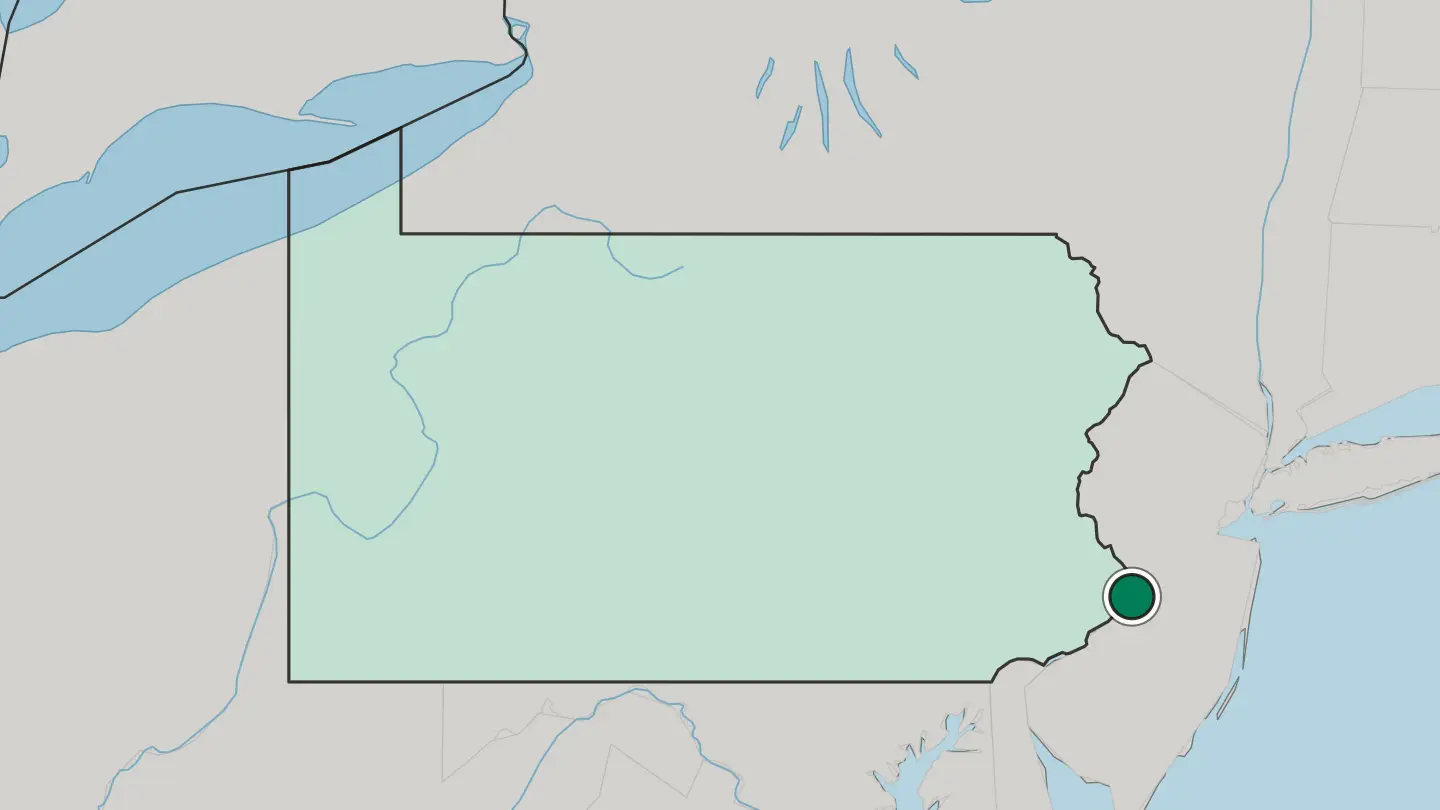
 United States
Harrisburg
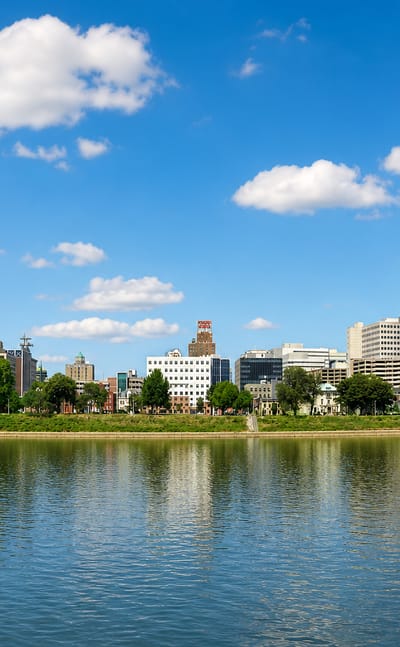
The Susquehanna edges Harrisburg, a city in Pennsylvania known for the State Museum of Pennsylvania and the National Civil War Museum.Where to stay →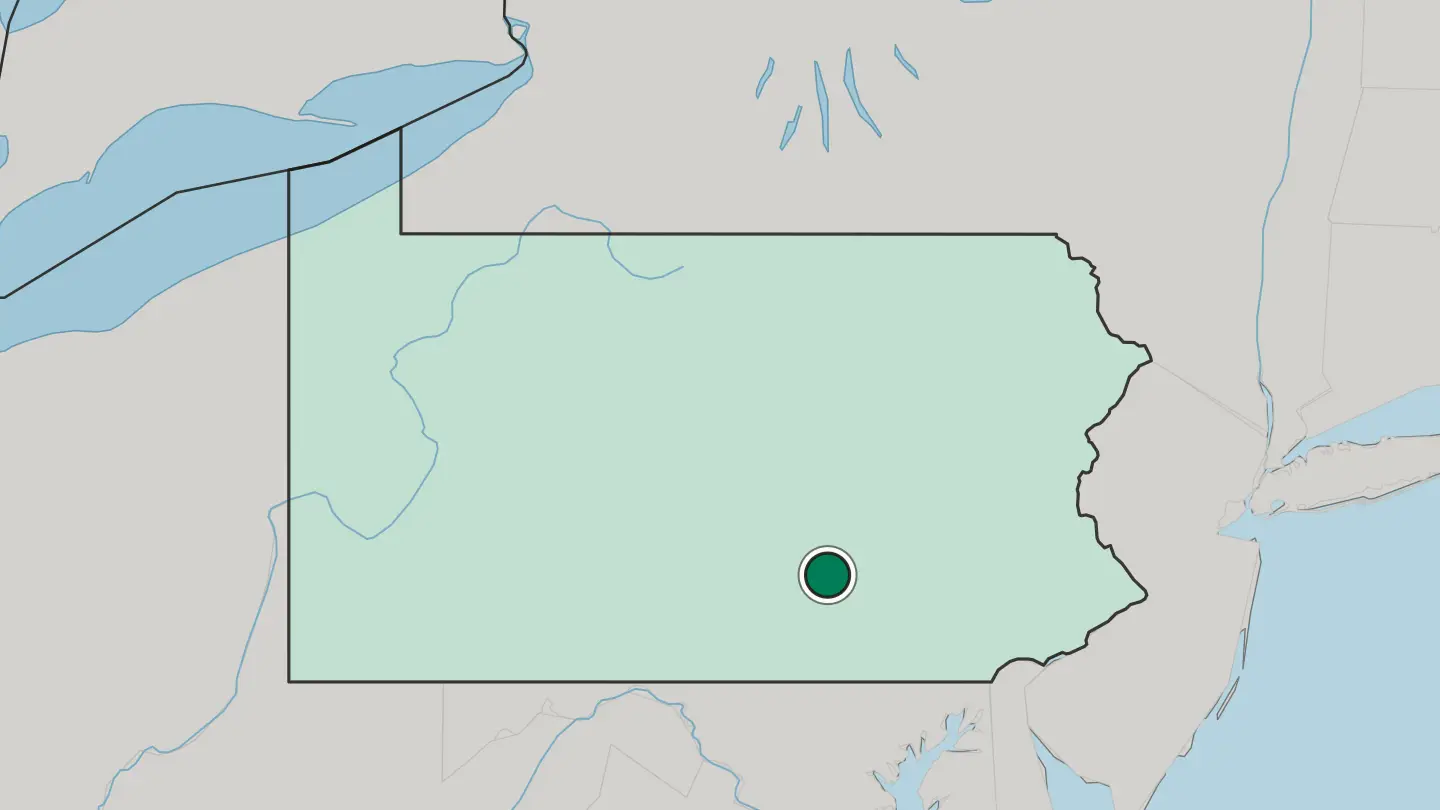 United States
Penn Hills
Penn Hills is a home rule township in Allegheny County, Pennsylvania, a suburb of Pittsburgh and the county's second-largest municipality.Where to stay →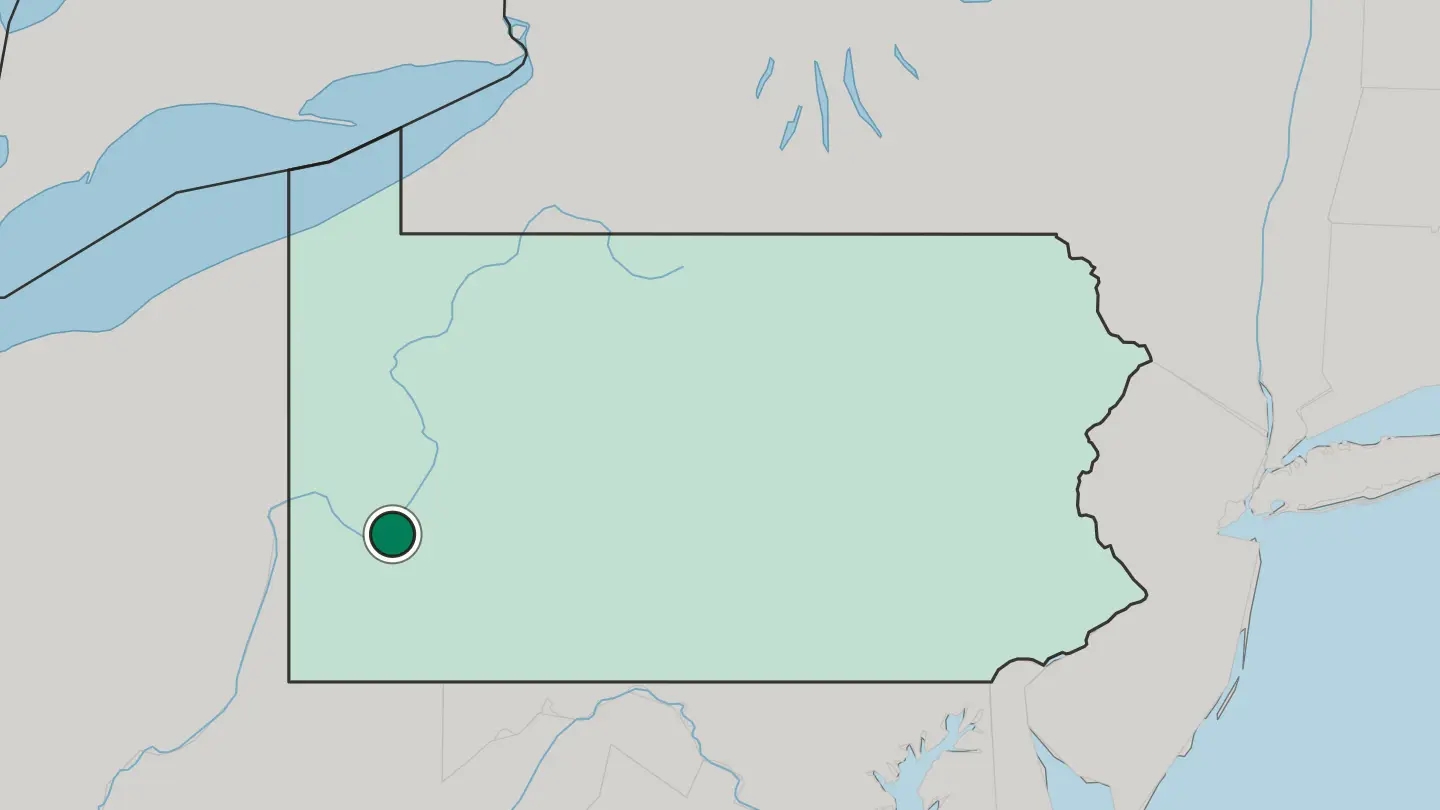
Hotel links are affiliate links: booking through them may earn us a commission, at no extra cost to you. It never affects how places are ranked. How this works
About Pennsylvania
What is Pennsylvania known for?
Pennsylvania is known as the Mid-Atlantic commonwealth reaching from the Delaware River in the east to Lake Erie and the Great Lakes in the northwest. Philadelphia, its largest city, anchors the southeast. Pittsburgh anchors the west.
The Appalachian ridges cross the middle, and Harrisburg serves as the state capital. Two great cities define it.
Where is Pennsylvania?
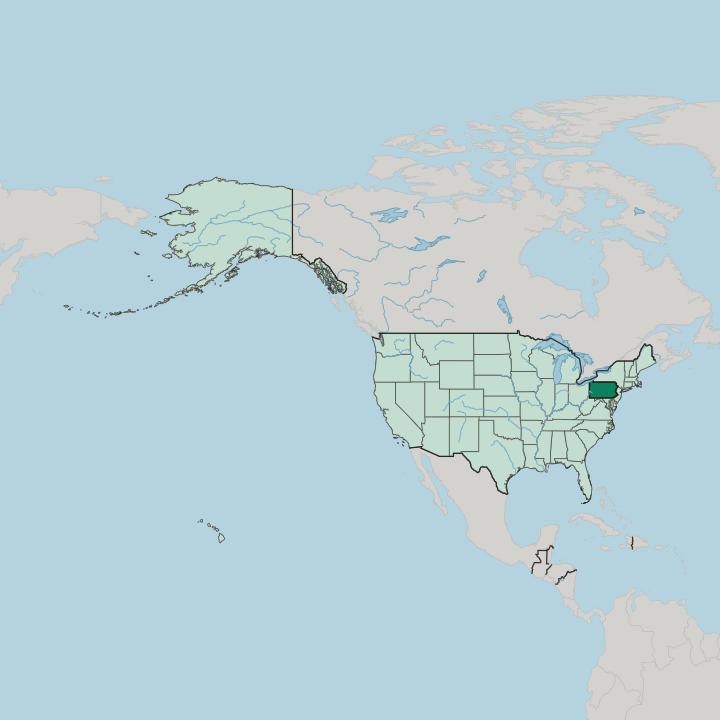
Pennsylvania sits in the Mid-Atlantic, bordered on the east by the Delaware River and New Jersey, and on the south by Maryland along the Mason-Dixon Line. Delaware meets it at the southeast corner. To the west lies Ohio, and to the southwest West Virginia.
New York runs along the north. In the northwest, the state reaches Lake Erie, giving it a short shoreline on the Great Lakes and a water border with the Canadian province of Ontario. The land is wide.
The Appalachian ridges cross the commonwealth from southwest to northeast, folding the interior into long parallel valleys. Philadelphia stands low in the southeast, near the Delaware River. Pittsburgh rises among the western hills.
Harrisburg, the state capital, sits in the central valleys between the two, where the Appalachian country gives way to the lower Mid-Atlantic ground. Between the ridges, roads and rail lines thread the valleys that link Philadelphia to Pittsburgh. Ridges define the middle.
From the shore of Lake Erie to the Delaware River, Pennsylvania spans a great breadth of the Mid-Atlantic, a commonwealth of ridge and valley, river and lake.
What is Pennsylvania like?
Pennsylvania carries the culture of two great cities and the country between them. Philadelphia, the largest city, gives the southeast an urban, Mid-Atlantic character shaped by the Delaware River and the seaboard beyond. Pittsburgh gives the west its own identity, an industrial city set among the Appalachian hills.
The commonwealth calls itself the Commonwealth of Pennsylvania, one of the older self-governing states of the United States. It has stood as a commonwealth since 1787. Two poles pull it.
Between the cities lies the Appalachian interior, a country of ridge and valley with a rural character distinct from either metropolis. Life along the Delaware River differs from life on the shore of Lake Erie in the far northwest. The seaboard and the interior speak to each other across the ridges.
The commonwealth has long balanced its eastern, seaboard half against its western, Great Lakes reach. Harrisburg governs from the centre. Its identity runs deep.
Rivers and ridges divide it as much as they join it. This spread of city and country, from the Mid-Atlantic seaboard to the Appalachian ridges, gives Pennsylvania a character drawn from many parts rather than one.
What is the history of Pennsylvania?
Pennsylvania took shape as a commonwealth in 1787, among the first states of the United States. The Mason-Dixon Line marked its border with Maryland. Philadelphia, the largest city, served as an early centre of the young republic.
The Delaware River carried its trade. From the seaboard the commonwealth pushed westward over the Appalachian ridges toward the Ohio country and, in the far northwest, reached the shore of Lake Erie.
What is the climate of Pennsylvania?
Pennsylvania has a temperate climate with four distinct seasons. Summers are warm and humid across the Delaware River lowlands, while the Appalachian ridges stay cooler and hold heavier snow in the cold months. Winters bite in the hills.
Near Lake Erie, lake-effect snow falls hard where winds cross the Great Lakes, and the northwest endures long snowy winters. Spring and autumn bring milder weather between the two extremes.
How do you get to Pennsylvania?
Most travellers reach Pennsylvania through Philadelphia or Pittsburgh, its two largest cities. Both are served by major airports and sit on the highways and rail lines that cross the Mid-Atlantic. Roads climb the Appalachian ridges between them.
Harrisburg, the state capital, lies on the central routes. From New York, Ohio, and Maryland, interstate highways cross the borders into the commonwealth, and Lake Erie gives the northwest a link to the Great Lakes.
Good for
More regions in United States
Updated October 2026