United States · Pennsylvania
Where to Stay in Pittsburgh, Pennsylvania
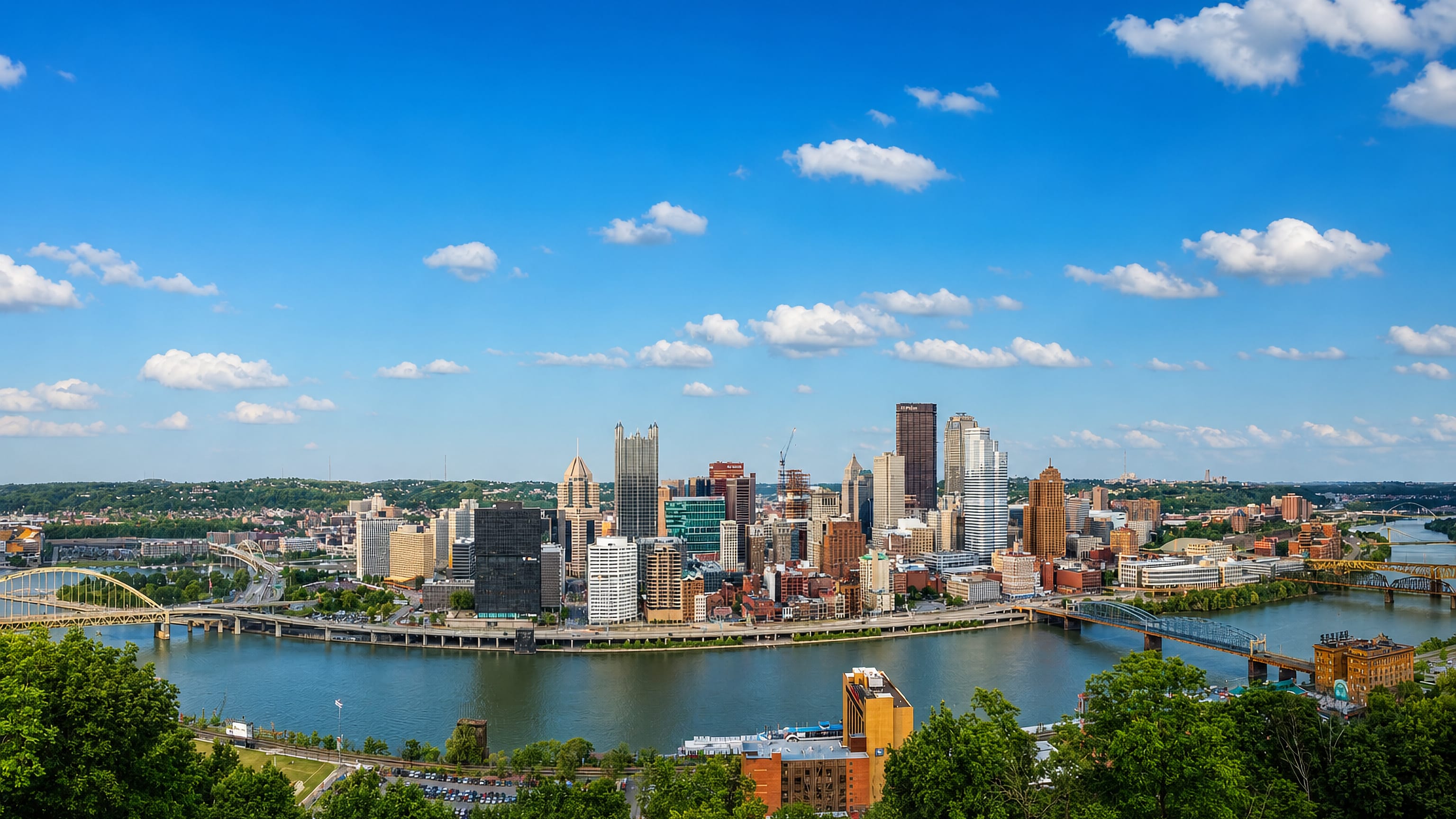
Three rivers meet at Pittsburgh, a hill-and-bridge city in southwestern Pennsylvania, known for Point State Park and the Andy Warhol Museum.
Hotel links are affiliate links: booking through them may earn us a commission, at no extra cost to you. It never affects how places are ranked. How this works


Where to stay in Pittsburgh
Where visitors usually base themselves, and why.
Pittsburgh spreads its neighborhoods across steep hills between the three rivers, and each pocket offers a different base. Downtown fills the wedge of land at the confluence, where Point State Park and the Fort Pitt Museum sit at the tip and the theaters and the August Wilson African American Cultural Center gather the evening crowds. Everything is walkable here.
Across the Allegheny Rivers, the North Side keeps the Andy Warhol Museum, the National Aviary, and the Mattress Factory close together, a quieter base tied to downtown by a run of bridges. The hillside pockets carry their own character. Blocks near Saint Anthony's Chapel and the Children's Museum of Pittsburgh climb the North Side slopes with old churches and river views over the Ohio River.
Stay downtown for the theaters. If you prefer museums and a calmer street, the North Side by the Andy Warhol Museum suits you, while families gravitate toward the riverbank near the Children's Museum of Pittsburgh.
Find hotels in Pittsburgh
Direct booking searches for these neighbourhoods.
Downtown at the Point
On the wedge of land where Point State Park and the Fort Pitt Museum meet the three riversFind hotels in Downtown at the PointMuseum-goers near the Andy Warhol Museum and the National AviaryNorth Side
Across the Allegheny Rivers by the Andy Warhol Museum, the National Aviary, and the Mattress FactoryFind hotels in North SideFamilies and river views near the Children's Museum of PittsburghNorth Side hillside
Slopes around Saint Anthony's Chapel and the Children's Museum of Pittsburgh above the Ohio RiverFind hotels in North Side hillsideHotel links are affiliate links: booking through them may earn us a commission, at no extra cost to you. It never affects how places are ranked. How this works
Things to do in Pittsburgh
Ranked by global recognition; descriptions from Wikidata (CC0).
Museums & Galleries
3- Soldiers and Sailors Memorial Hall and Museum Heritage
- Salk Hall Heritage
- Andy Warhol Museum
Churches & Religious Sites
5- Saint Anthony's Chapel Heritage
- Immaculate Heart of Mary Church Heritage
- First Presbyterian Church Heritage
- Emmanuel Episcopal Church Heritage
- Grace Episcopal Church Heritage
Castles & Historic Sites
1- Point State Park Heritage
Stadiums & Sports
2- Greenlee Field
- Recreation Park
Landmarks & Notable Places
2- Byers-Lyons House Heritage
- Bigham House
worth knowingacross 5 categories in Pittsburgh
About Pittsburgh
What is Pittsburgh known for?
Pittsburgh is known for its bridges, steep hills, and the confluence where the Monongahela and Allegheny Rivers form the Ohio River. The terrain gives it a striking shape. Its wealth from the age of industry funded an unusual array of culture for a city its size, from the Andy Warhol Museum to the Mattress Factory and the August Wilson African American Cultural Center.
Point State Park marks the river junction, and the National Aviary keeps rare birds on the North Side.
What are the main landmarks in Pittsburgh?
Pittsburgh scatters its landmarks across the rivers and the hills. The Andy Warhol Museum honors the city's most famous son, while the Mattress Factory and the August Wilson African American Cultural Center carry its contemporary arts. History anchors the point.
Point State Park and the Fort Pitt Museum mark the old fort at the river junction, and Saint Anthony's Chapel holds a vast collection of relics on the North Side slopes.
What is the history of Pittsburgh?
Pittsburgh grew from a frontier fort raised in 1758 at the meeting of the Monongahela and Allegheny Rivers. The point was the prize. Whoever held the confluence controlled the route down the Ohio River into the continent, and the fort recalled at the Fort Pitt Museum guarded it through the colonial wars.
A town gathered around the walls and spread up the steep hills that hem the water. Steel made the modern city. Furnaces along the rivers drew workers from across Europe, and their wealth built the cultural institutions that outlast the mills, from Saint Anthony's Chapel to the halls that became the Andy Warhol Museum.
Industry has since faded across Allegheny County. Its legacy remains in the bridges, the river parks such as Point State Park, and the ethnic pockets scattered over the hillsides of southwestern Pennsylvania.
Where is Pittsburgh?
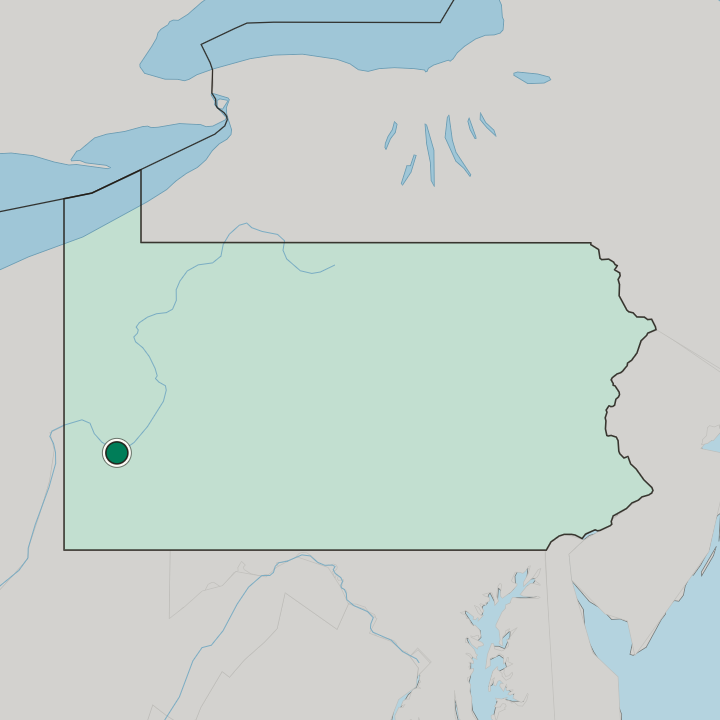
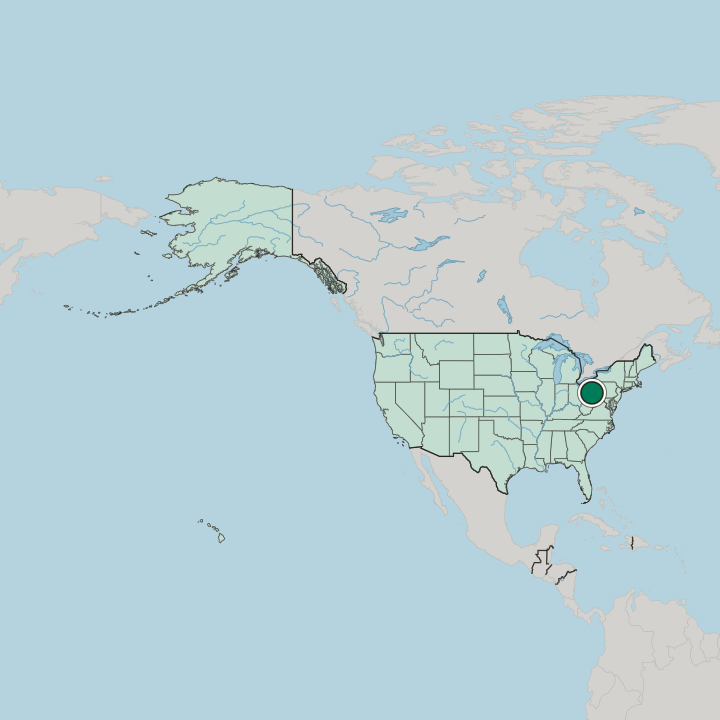
Pittsburgh sits in southwestern Pennsylvania where the Monongahela and Allegheny Rivers meet to form the Ohio River. Steep hills rise from the banks. The confluence at Point State Park splits the city into river-bounded pockets in Allegheny County, and a web of bridges ties the neighborhoods across the water.
The terrain makes it one of the most river-shaped cities in the country.
What is the climate of Pittsburgh?
Pittsburgh has a temperate climate marked by cloud and river valleys. Summers grow warm and humid. Winters run cold with regular snow, and the hills and rivers trap grey skies over the city through much of the dark half of the year.
Spring and autumn are the brightest seasons, and the changing color on the slopes above Point State Park signals each turn.
How do you get to Pittsburgh?
Pittsburgh sits at a highway crossroads in southwestern Pennsylvania, wrapped by interstates that thread the river valleys. An international airport lies west of the city. Trains and long-distance buses reach downtown near Point State Park, and the hilly terrain is served by inclines and bridges that cross the Monongahela and Allegheny Rivers.
Roads follow the Ohio River west through Allegheny County toward the state line.
Common questions
What is the best area to stay in Pittsburgh?
Downtown at the Point: Theaters and the river junction at Point State Park. North Side: Museum-goers near the Andy Warhol Museum and the National Aviary. North Side hillside: Families and river views near the Children's Museum of Pittsburgh.
Good for
More cities in Pennsylvania
Updated October 2026