United States · Pennsylvania
Where to Stay in Scranton, Pennsylvania
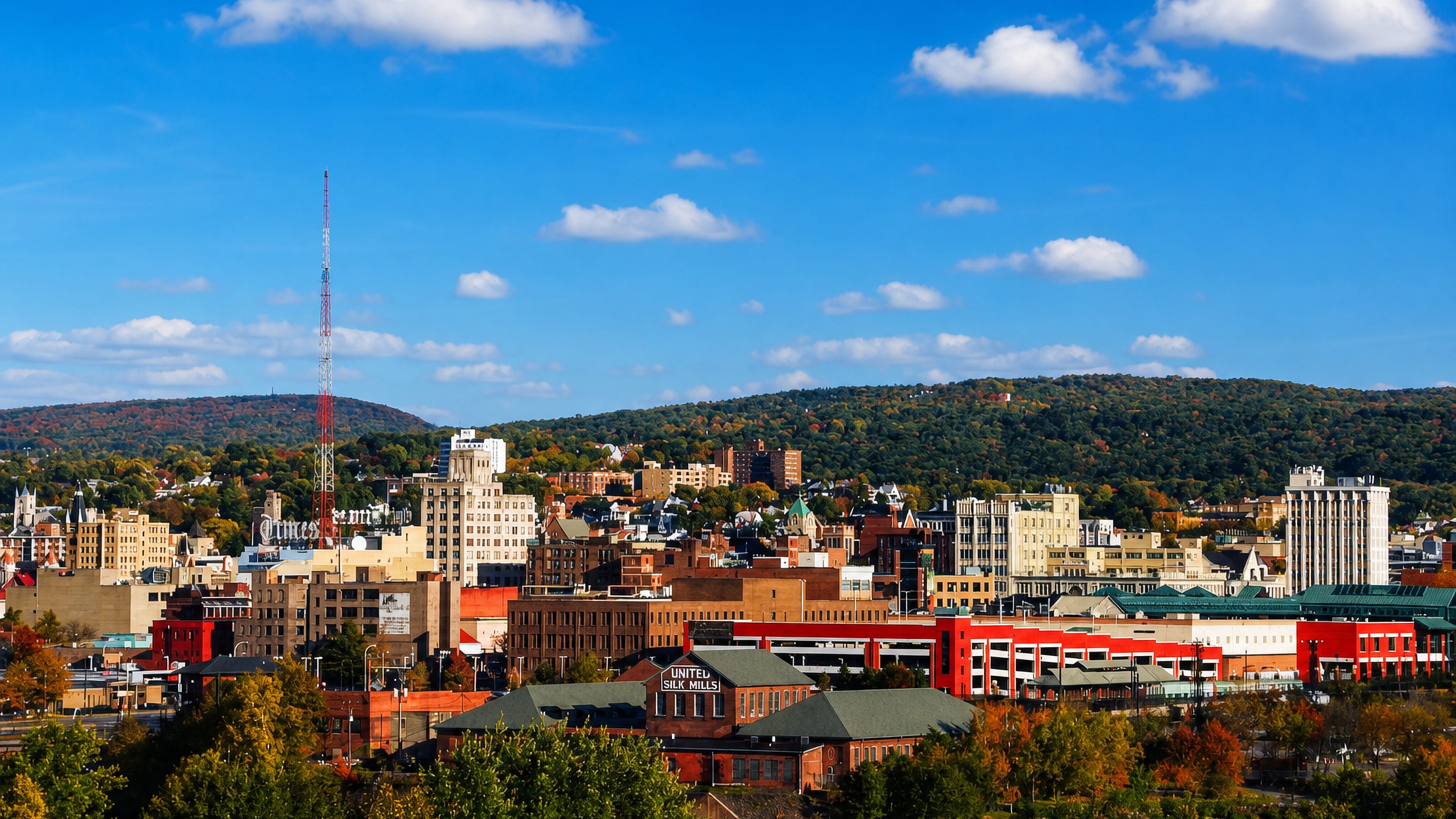
Coal-era brick and trolley rails mark Scranton, a city in Northeastern Pennsylvania known for the Everhart Museum and the Electric City Trolley Museum.
Hotel links are affiliate links: booking through them may earn us a commission, at no extra cost to you. It never affects how places are ranked. How this works



Where to stay in Scranton
How the choice of base plays out on the ground.
Where a traveller stays in Scranton turns on the split between the downtown core and the park and hillside streets that spread out around it, because the trolley museum and the civic blocks sit in the center while the museums and cathedrals stand out on the higher ground. Those two areas suit different bases. Downtown gathers the most.
Around the Electric City Trolley Museum and the civic buildings, hotels sit within walking reach of the old commercial blocks and the county courthouse, and the Houdini Museum lies close by the streets. The park quarter climbs the higher ground, where the Everhart Museum and the surrounding parkland mark the green edge of the city, so a bed there keeps the museum and the trees on the doorstep. Cathedrals crown the older streets.
St. Peter's Cathedral and the Basilica of the National Shrine of St. Ann stand among the hillside blocks, giving a base close to the historic churches. Each part keeps its own character. A traveller who wants the trolley museum near the door stays downtown by the Electric City Trolley Museum, while the park by the Everhart Museum suits a quieter stay.
Find hotels in Scranton
Direct booking searches for these neighbourhoods.
Downtown Scranton trolley core
The center gathers hotels around the Electric City Trolley Museum, the civic buildings, and the Houdini Museum near the county courthouse.Find hotels in Downtown Scranton trolley coreBest if you want the Everhart Museum and the parkland at the door on the higher ground above downtown.Everhart Museum park edge
The park quarter carries the Everhart Museum across its green ground on the rise above the old commercial center.Find hotels in Everhart Museum park edgeHotel links are affiliate links: booking through them may earn us a commission, at no extra cost to you. It never affects how places are ranked. How this works
Things to do in Scranton
Ranked by global recognition; descriptions from Wikidata (CC0).
Museums & Galleries
2- Houdini Museum
- Everhart Museum
Churches & Religious Sites
3- St. Peter's Cathedral Heritage
- First Church of Christ, Scientist Heritage
- St. Stanislaus Cathedral in Scranton, Pennsylvania
Parks & Gardens
1- Luna Park, Scranton
Landmarks & Notable Places
3- Joseph Cassese House Heritage
- Terence V. Powderly House Heritage
- Silkman House Heritage
worth knowingacross 4 categories in Scranton
About Scranton
What is Scranton known for?
Scranton is known as a coal and railroad city in Northeastern Pennsylvania, the county seat of Lackawanna County and the largest city of the region. Its industrial past defines it. Museums and cathedrals shape its draw, with the Everhart Museum holding its collections in the park, the Electric City Trolley Museum keeping the rails that gave the city its nickname, and St. Peter's Cathedral and the Basilica of the National Shrine of St. Ann rising among the older streets of the valley town.
What are the main landmarks in Scranton?
The main landmarks of Scranton split between the downtown core and the hillside streets. Museums lead the center. The Electric City Trolley Museum keeps the rails downtown, the Everhart Museum holds its collections in the park, and the Houdini Museum draws visitors to the old magician's record, while St. Peter's Cathedral, the St. Stanislaus Cathedral in Scranton, Pennsylvania, and the Basilica of the National Shrine of St. Ann rise among the hillside blocks, and the Terence V. Powderly House marks the home of a noted labor leader.
What is the history of Scranton?
Scranton grew from the coal and iron country of Northeastern Pennsylvania, a valley town that rose around the ironworks and the anthracite mines of Lackawanna County. Coal and rail made the city. The furnaces and the railroads drew workers to the valley, and the streetcar lines that spread through the town earned it the Electric City name that the Electric City Trolley Museum still keeps.
Churches and houses from the industrial century still stand across the center and the hillsides. St. Peter's Cathedral and the St. Stanislaus Cathedral in Scranton, Pennsylvania mark the congregations of the mining families, and the Basilica of the National Shrine of St. Ann drew the faithful of the valley. The Terence V. Powderly House kept the home of a labor leader of the mining years, while the Everhart Museum gathered art and natural history in the park as the industrial city took its shape.
Where is Scranton?
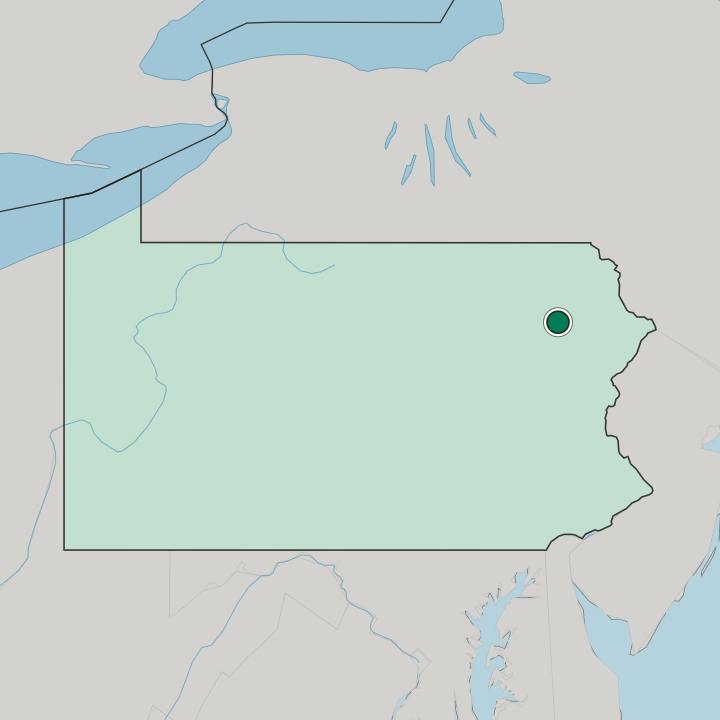
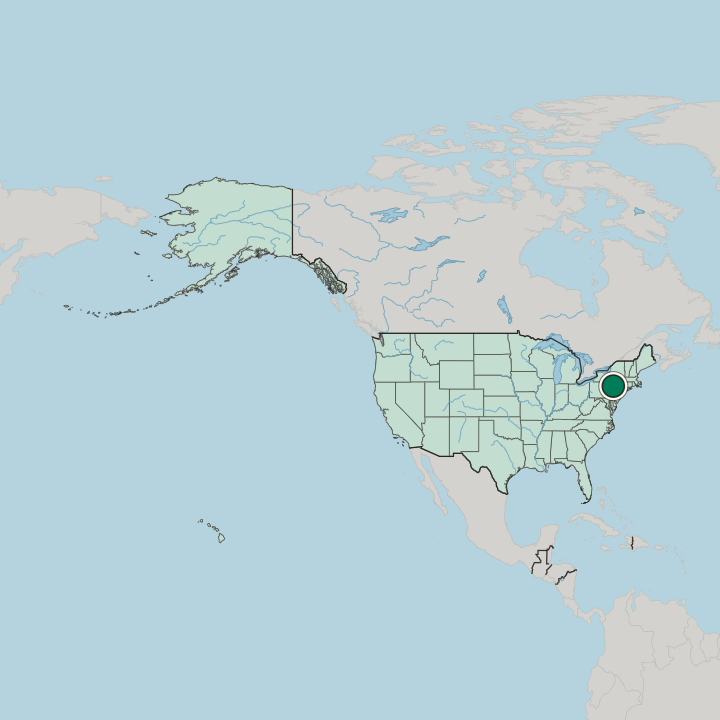
Scranton sits in a valley of Northeastern Pennsylvania, north of Allentown and west of New York City, where the flat downtown gives way to the hills that ring the mining country. The land climbs from the valley floor. The downtown blocks around the Electric City Trolley Museum stand on the low ground, and the Everhart Museum and its park lift onto the higher rise, while the ridges of the anthracite country wall the city on its sides beyond Lackawanna County.
What is the climate of Scranton?
Scranton has a cold temperate climate in Northeastern Pennsylvania, with cold snowy winters and warm summers. Winters run cold and long. The cold months bring frost and snow across the valley and the ringing hills, while the summers turn warm and green over the downtown blocks and the park, and the spring thaw runs off the ridges toward the lower ground of the city center.
How do you get to Scranton?
Scranton is reached by road through Northeastern Pennsylvania, north of Allentown where the interstate routes cross. Nearly all arrivals come into Scranton off the interstates. The corridors meet near the city where the north-south route crosses the road running east and west, and the downtown center with the Electric City Trolley Museum sits a short distance from the interchange and the valley approaches into the city.
Common questions
What is the best area to stay in Scranton?
Downtown Scranton trolley core: Best if you want the Electric City Trolley Museum and the old commercial blocks a short walk from bed by the courthouse.. Everhart Museum park edge: Best if you want the Everhart Museum and the parkland at the door on the higher ground above downtown..
Good for
More cities in Pennsylvania
Updated October 2026