United States · Virginia
Where to Stay in Hampton, Virginia
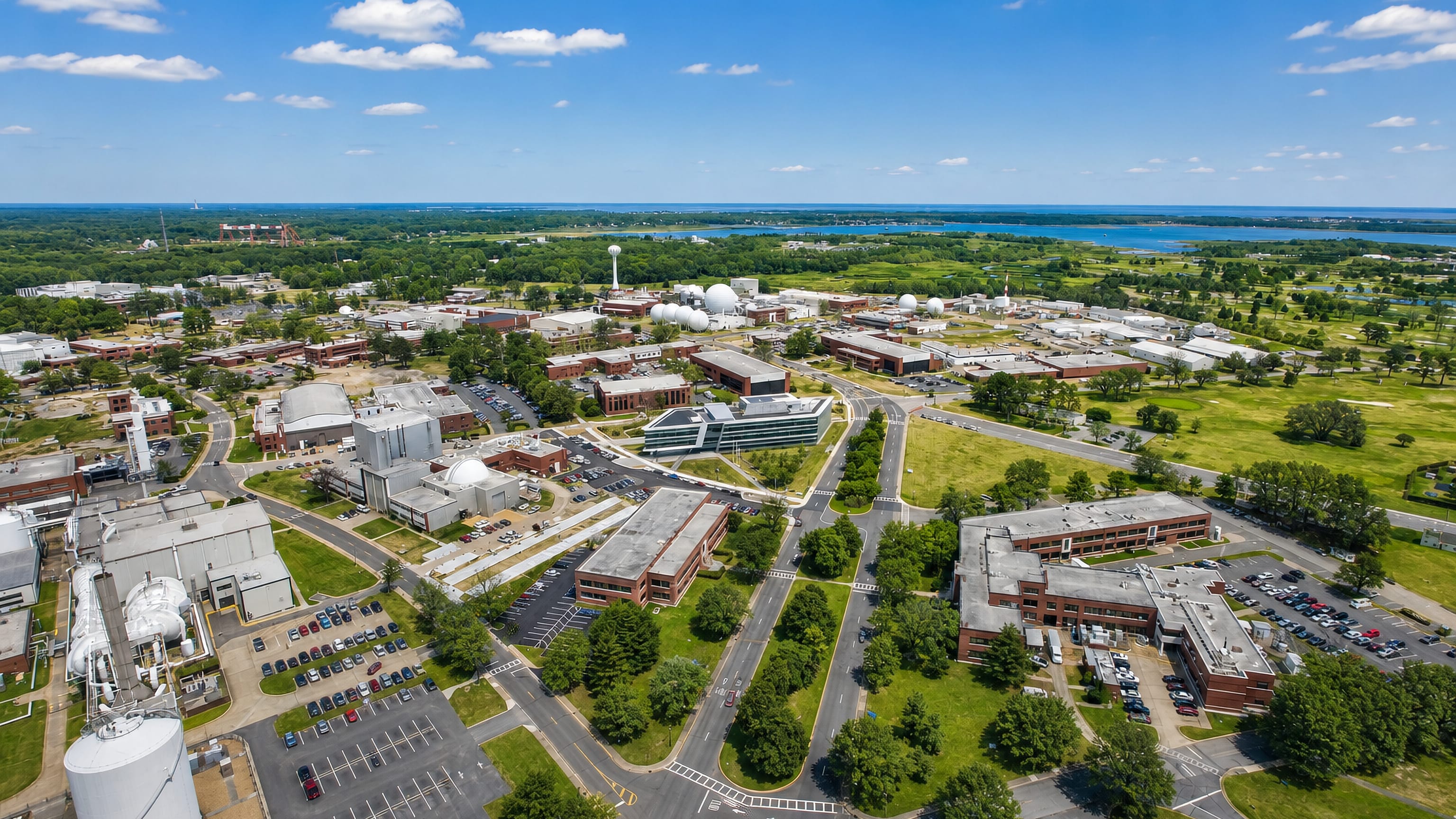
Hampton has held its ground since 1610, an independent city of the Hampton Roads region with museums, a coliseum and a beach carousel.
Hotel links are affiliate links: booking through them may earn us a commission, at no extra cost to you. It never affects how places are ranked. How this works


Where to stay in Hampton
Where the beds are, and what that means for the visit.
Hampton Coliseum sorts the calendar. Beds nearest the arena go first whenever something is on there, and a stay booked around an event is a different proposition from one booked around the museums, even though the two sit in the same small city. The museum blocks are the steadier bet.
The Virginia Air and Space Science Center and the Hampton History Museum stand near enough to each other that a morning covers both, and Air Power Park extends the same afternoon for anyone still interested in aircraft. Buckroe Beach is the seasonal answer. Rooms out there put the water and its carousel within a short walk, which suits you when the trip is about warm afternoons rather than exhibits, though the same streets go quiet the moment the season turns.
Campus streets are quieter again. The Hampton University Museum sits among them, well back from the coliseum traffic, and a base there trades convenience for calm in a way that a longer stay in Hampton usually rewards. Three hundred and fifty square kilometres sounds large, but the parts a visitor uses sit close together, and Bluebird Gap Farm is about as far out as an ordinary itinerary reaches.
Find hotels in Hampton
Direct booking searches for these neighbourhoods.
Around Hampton Coliseum
Hampton Coliseum pulls the city's largest crowds, and the beds around it empty and fill with its scheduleFind hotels in Around Hampton ColiseumMornings shared between the Virginia Air and Space Science Center and the Hampton History MuseumThe museum blocks
The Virginia Air and Space Science Center and the Hampton History Museum stand near enough to cover on one walk, with Air Power Park behind themFind hotels in The museum blocksWarm afternoons a short walk from the Buckroe Beach CarouselBuckroe Beach
Buckroe Beach keeps Hampton's seaward face and its carousel, and the streets there go quiet once the season turns. Beds are limited here, so book early.Find hotels in Buckroe BeachCalm campus-edge streets near the Hampton University MuseumThe Hampton University side
The Hampton University Museum sits among campus streets set well back from the coliseum traffic. Few places to stay nearby — book ahead.Find hotels in The Hampton University sideHotel links are affiliate links: booking through them may earn us a commission, at no extra cost to you. It never affects how places are ranked. How this works
Things to do in Hampton
Ranked by global recognition; descriptions from Wikidata (CC0).
Museums & Galleries
3- Virginia Air and Space Science Center
- Air Power Park
- Hampton University Museum
Churches & Religious Sites
1- St. John's Episcopal Church Heritage
Castles & Historic Sites
1- Braddock Monument
Stadiums & Sports
1- Hampton Coliseum
Landmarks & Notable Places
4- Herbert House Heritage
- Reuben Clark House Heritage
- William H. Trusty House Heritage
- Scott House Heritage
worth knowingacross 5 categories in Hampton
About Hampton
What is Hampton known for?
The Virginia Air and Space Science Center gives the city its headline draw, and Air Power Park adds an outdoor companion to it, both of them reading as a single long argument about flight. Hampton Coliseum handles the crowds. Hampton University Museum and the Hampton History Museum work at a quieter scale, while the Buckroe Beach Carousel turns for a different audience entirely.
What are the main landmarks in Hampton?
Three houses carry the domestic record. Herbert House, the Reuben Clark House and the Scott House stand as separate survivals rather than as a district, which is how Hampton keeps its older fabric, in single buildings scattered through a city that grew around them. Bluebird Gap Farm works differently.
A working farm inside the city limits is unusual, and the Braddock Monument a short way off asks for a slower kind of attention altogether.
What is the history of Hampton?
The date on the city is 1610. Few places in Virginia carry an older one, and the whole shape of Hampton follows from having been planted on the Hampton Roads water four centuries before the modern city took its independent form. Saint John's Episcopal Church and the Herbert House survive from the long centuries between that beginning and the present street plan, and the Reuben Clark House and the Scott House add two more domestic survivals to the same stretch.
The Braddock Monument marks a separate memory. Learning arrived and stayed. Hampton University Museum keeps the record of an institution that became one of the city's defining bodies, and the Hampton History Museum sets that alongside everything the city had already accumulated by then.
Flight came later. The Virginia Air and Space Science Center and Air Power Park both grew out of a twentieth-century turn toward aviation and space work in the Hampton Roads region, and they give the city a public face very different from the one its old houses present. Hampton Coliseum and Bluebird Gap Farm belong to the same modern layer, and the Buckroe Beach Carousel bridges the two, an amusement of the older seaside town kept running into the newer city.
Where is Hampton?
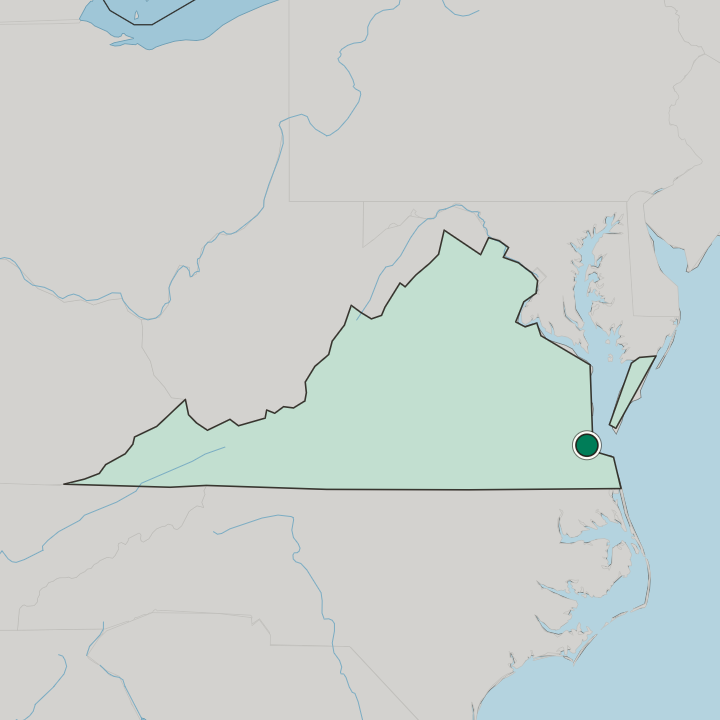
Hampton Roads sets the frame. The city runs to some three hundred and fifty square kilometres, with Buckroe Beach on the water at one edge and the built streets gathering inland from it. Water decides the edges.
Everything built stands back from those edges, so the museums, the coliseum and the university campus cluster inland while Buckroe Beach keeps the seaward face of the city to itself.
What is the climate of Hampton?
The water sets the calendar. Hampton sits in the temperate band with Hampton Roads alongside it, and that proximity blunts both ends of the year, holding the summer heat longer than the inland counties and taking the edge off the cold months. Buckroe Beach fills in the warm half of the year, while the Virginia Air and Space Science Center and the Hampton History Museum carry the wet days that the season throws in without warning.
How do you get to Hampton?
Hampton Coliseum is the arrival point most visitors know. Event traffic funnels toward it from across the Hampton Roads region, and the routes that serve those nights are the same ones that carry ordinary approach into the city on any other day. The region does the connecting.
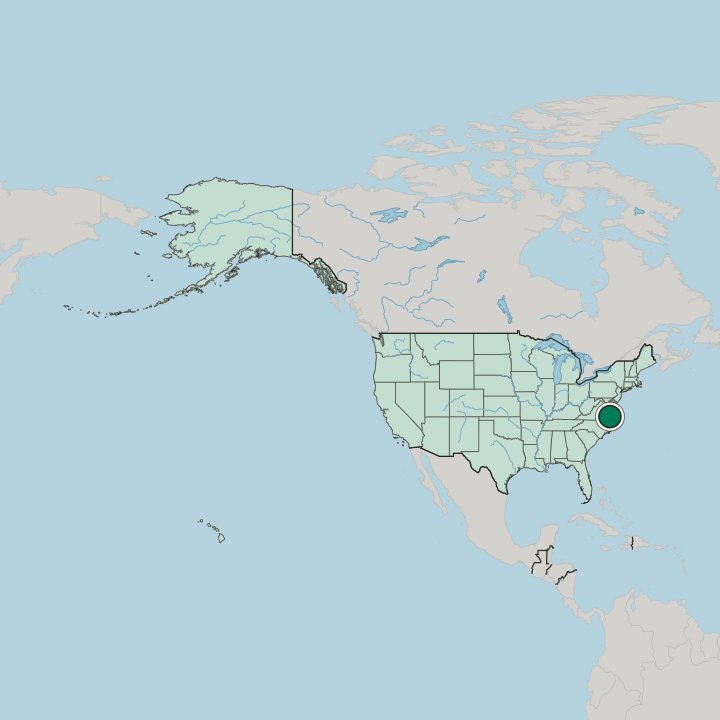
Hampton sits inside a metropolitan area large enough that the practical journey is usually a short one from a neighbouring city rather than a long haul from outside Virginia.
Common questions
What is the best area to stay in Hampton?
Around Hampton Coliseum: Event nights with Hampton Coliseum inside walking distance of the room. The museum blocks: Mornings shared between the Virginia Air and Space Science Center and the Hampton History Museum. Buckroe Beach: Warm afternoons a short walk from the Buckroe Beach Carousel. The Hampton University side: Calm campus-edge streets near the Hampton University Museum.
Good for
More cities in Virginia
Updated September 2026