
Afghanistan
Herāt, Afghanistan — Towns & Travel Guide
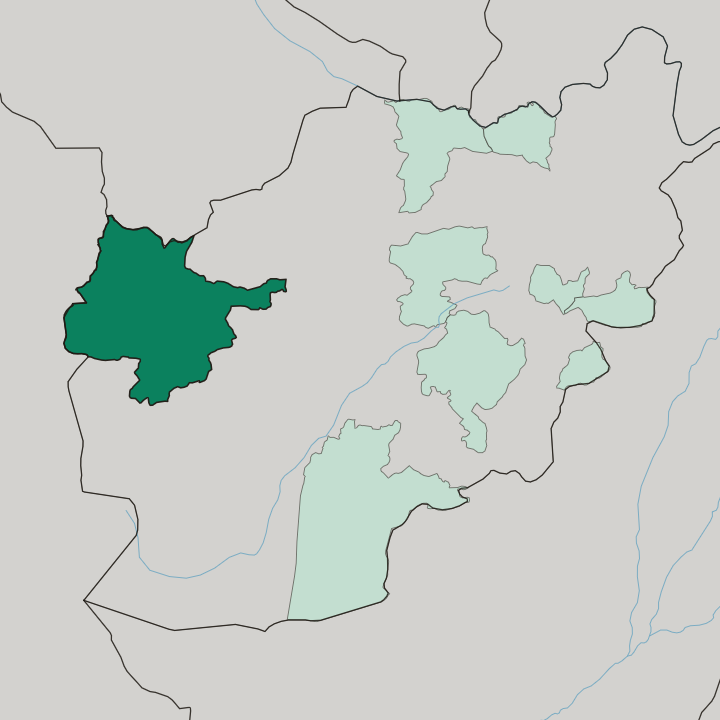
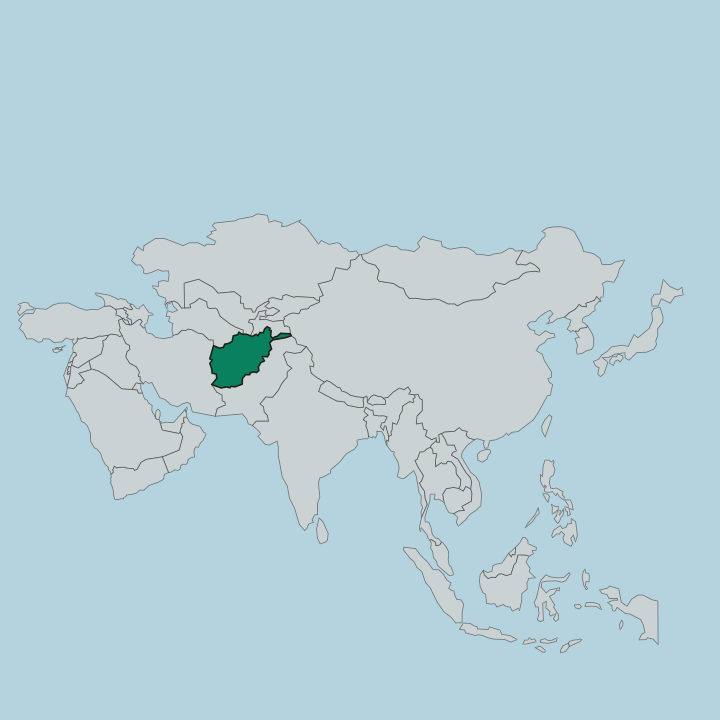
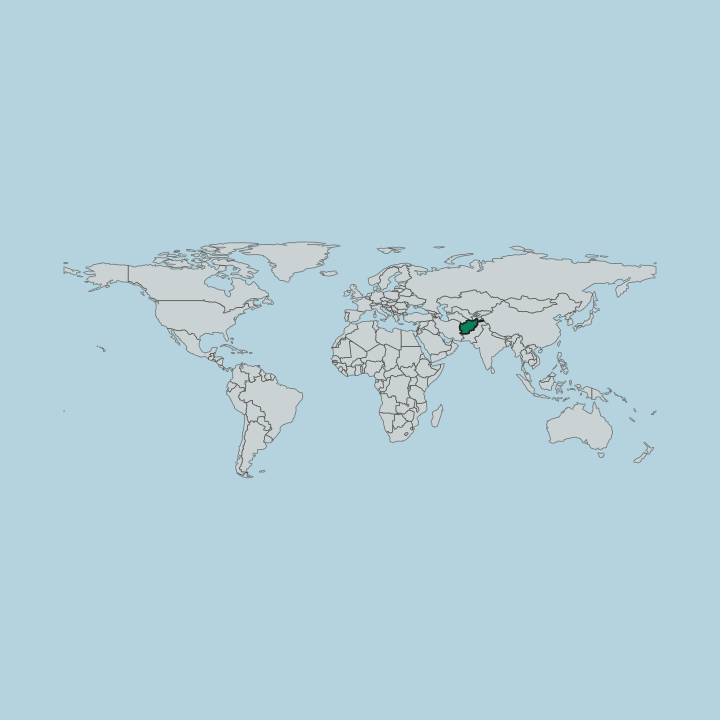
Herāt is a province in western Afghanistan, its plain framed by dry hills, centred on the old caravan city of Herāt.
Hotel links are affiliate links: booking through them may earn us a commission, at no extra cost to you. It never affects how places are ranked. How this works


Towns & cities in Herāt
One town here has its own guide — it links to where to stay.
 Afghanistan
Herāt
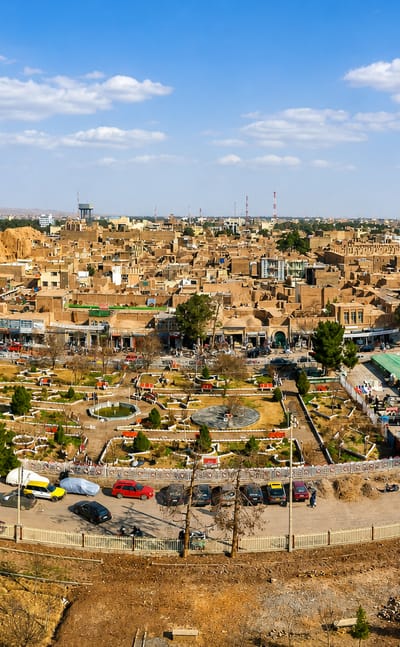
The Herat Citadel rises over Herāt, a caravan city in western Afghanistan and capital of Herāt Province, known for the Mousallah Complex.Where to stay →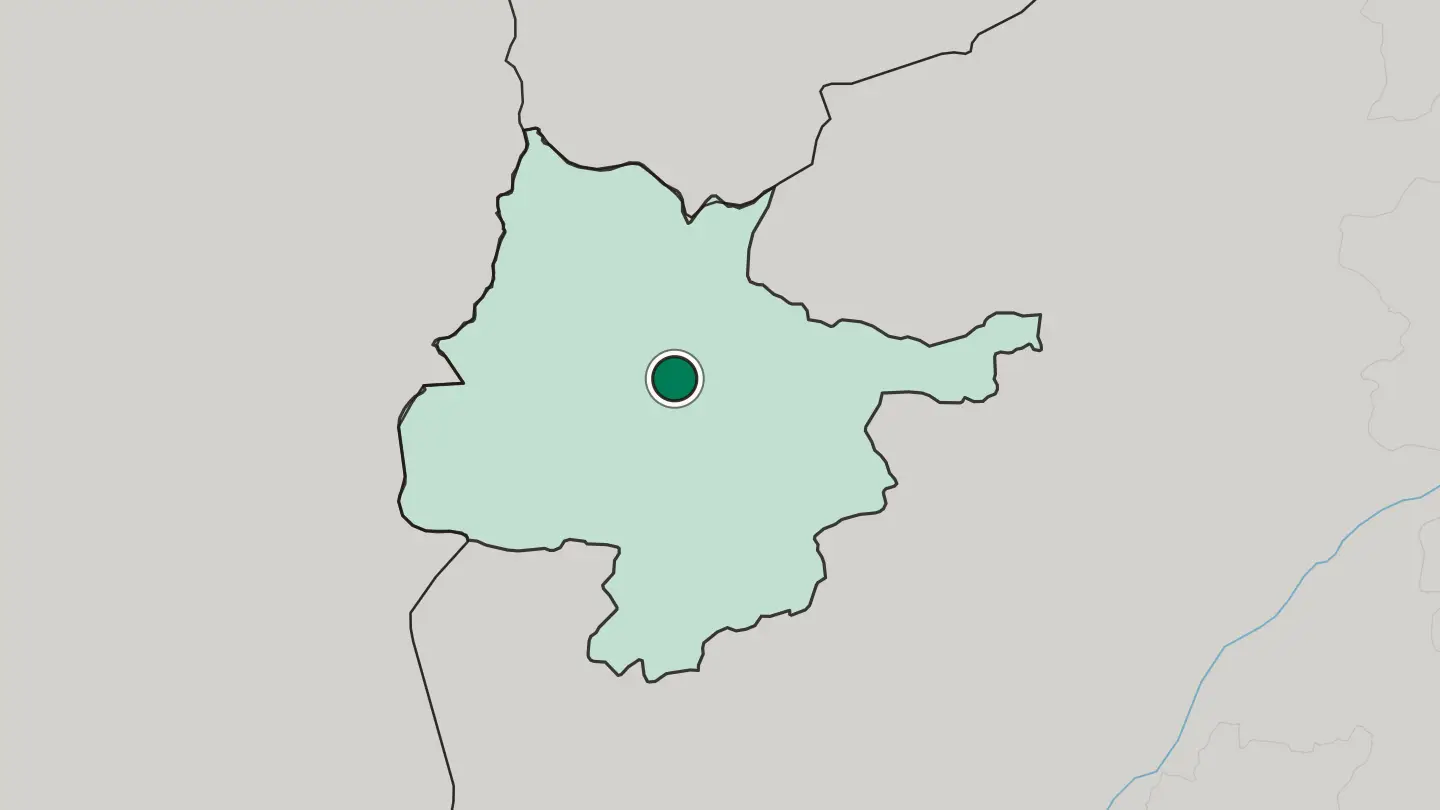
Hotel links are affiliate links: booking through them may earn us a commission, at no extra cost to you. It never affects how places are ranked. How this works
About Herāt
What is Herāt known for?
Herāt Province is known across western Afghanistan as the land around its capital, Herāt, long the third city of the country. The old caravan route left its mark here. Trade and craft defined the plain for centuries, and the province still reads as the settled counterweight to the dry uplands that ring it.
Its name carries deep roots, recorded in older forms such as Haraiva and Hires.
Where is Herāt?
Herāt Province occupies a broad plain in western Afghanistan, the largest western province of the country by settled weight. Little rain reaches the plain. Low hills and open ground frame the plain on which the capital, Herāt, sits, and the terrain shifts from watered farmland near the city to arid upland further out, a gradient that has shaped where people settled for millennia.
The province stretches across a wide area, roughly fifty thousand square kilometres of plain and hill, and its relief keeps most life on the flat, well-watered ground rather than the surrounding rise. Herāt anchors the whole. The city commands the plain the way the province is named for it, and the older toponyms Haraiva and Horeiva mark how long this ground of western Afghanistan has been recognised and settled by name.
What is Herāt like?
Herāt Province carries the culture of a long-settled crossroads, its life turned toward the capital, Herāt, and the trade routes that made it. The province speaks Uzbek among its languages. That plurality is old, laid down over centuries when caravans crossed the plain of western Afghanistan and left craft, custom, and language behind them in the settled ground around the city.
Much of the province's identity flows from Herāt itself, long the third-largest city of Afghanistan and the seat that gives the province its name. The older forms of that name, Haraiva and Hires, reach back into antiquity and mark how deep the cultural memory runs here. Craft endured.
Custom held to the plain rather than the dry hills, and the province still reads culturally as the settled western Afghanistan heartland gathered around its old caravan capital.
What is the history of Herāt?
Herāt Province takes its history from the ancient city of Herāt, known in antiquity as Haraiva and Horeiva. The name is very old. On the plain of western Afghanistan the city drew caravans and rulers for centuries, and the province grew as its settled hinterland, long counted among the country's foremost centres with Herāt as its enduring capital.
What is the climate of Herāt?
Herāt Province has a dry, subtropical climate set by its position on the plain of western Afghanistan. Summer bakes the plain of Herāt Province hot. The open ground around Herāt bakes under long, arid summers and cools to sharp winters, with little rain to soften the plain, so the province keeps the parched seasonal character of inland western Afghanistan year on year.
How do you get to Herāt?
Herāt Province is reached through its capital, Herāt, the gathering point for routes crossing western Afghanistan. Roads converge on the city. The old caravan corridors that once carried trade across the plain still set the lines of approach, funnelling movement toward Herāt before it spreads out across the surrounding province.
Common questions
What is the best area to stay in Herāt?
Herāt city: The province's caravan-city core and its provincial base.
More regions in Afghanistan
Updated September 2026