Afghanistan
Velāyat-e Khowst, Afghanistan — Towns & Travel Guide
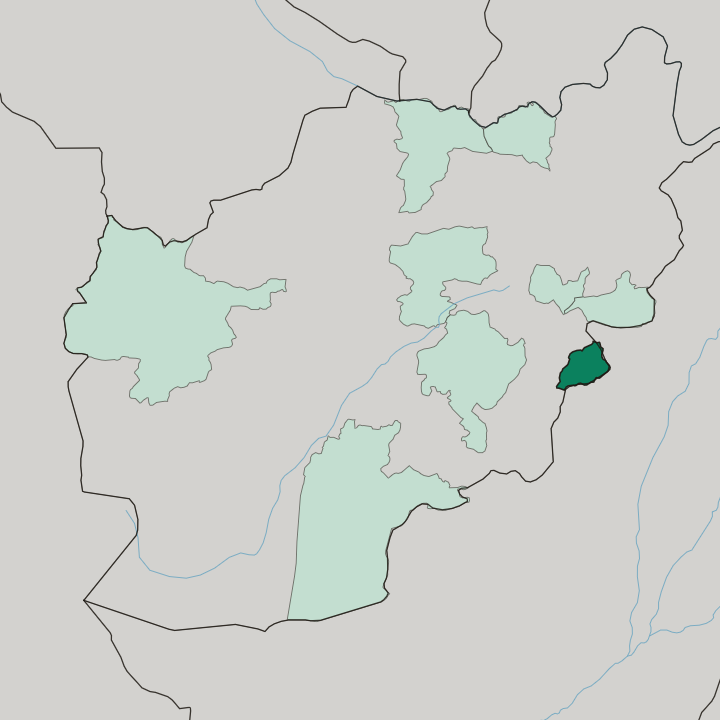
Velāyat-e Khowst is an Afghan province of thirteen districts, split from Paktia in 1995 and run from the city of Khost.
Hotel links are affiliate links: booking through them may earn us a commission, at no extra cost to you. It never affects how places are ranked. How this works


Towns & cities in Velāyat-e Khowst
One town here has its own guide — it links to where to stay.

 Afghanistan
Khōst
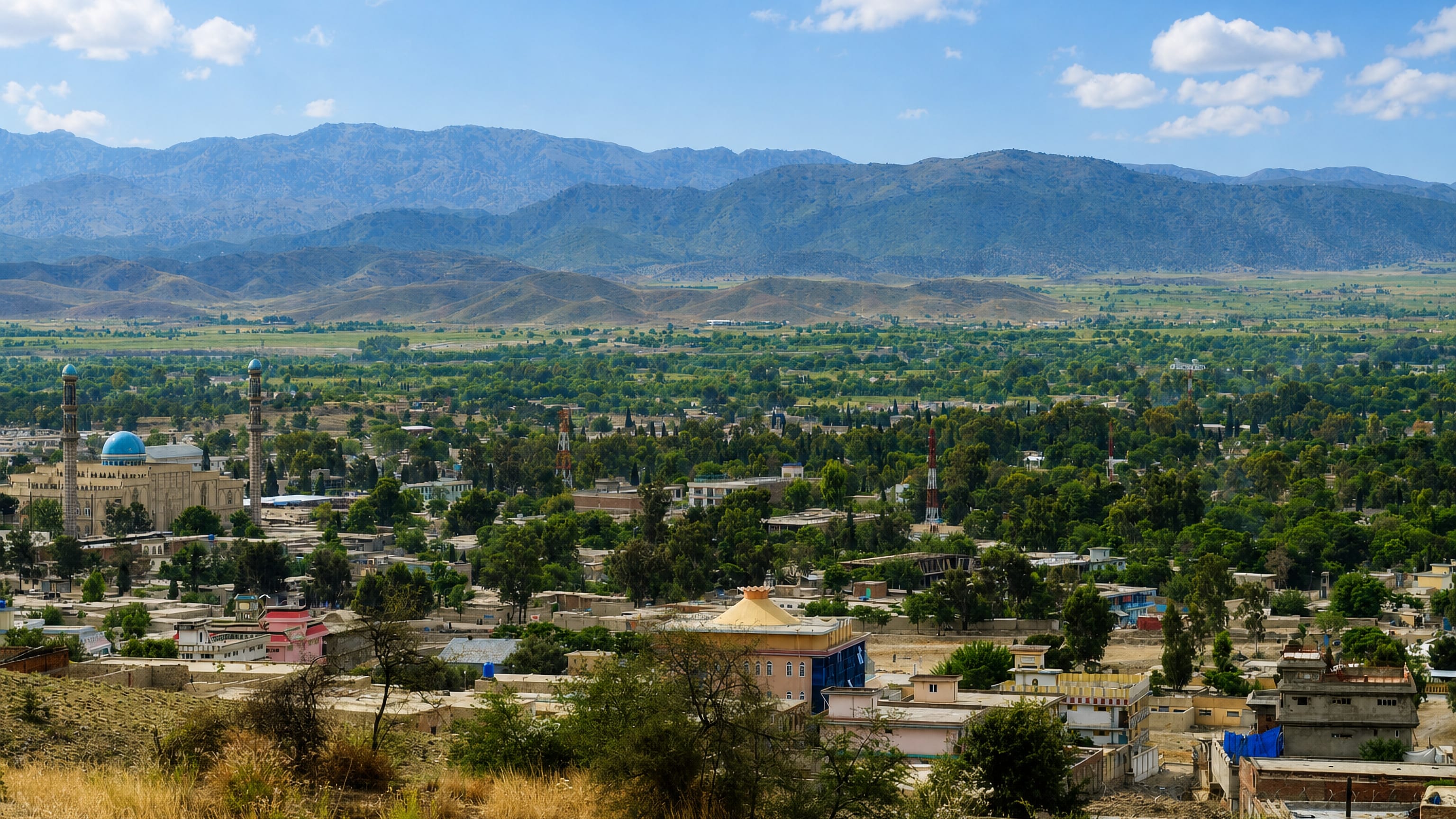
Khōst, capital of Khost Province in eastern Afghanistan, is the largest city of Loya Paktia and seat of Shaikh Zayed University.Where to stay →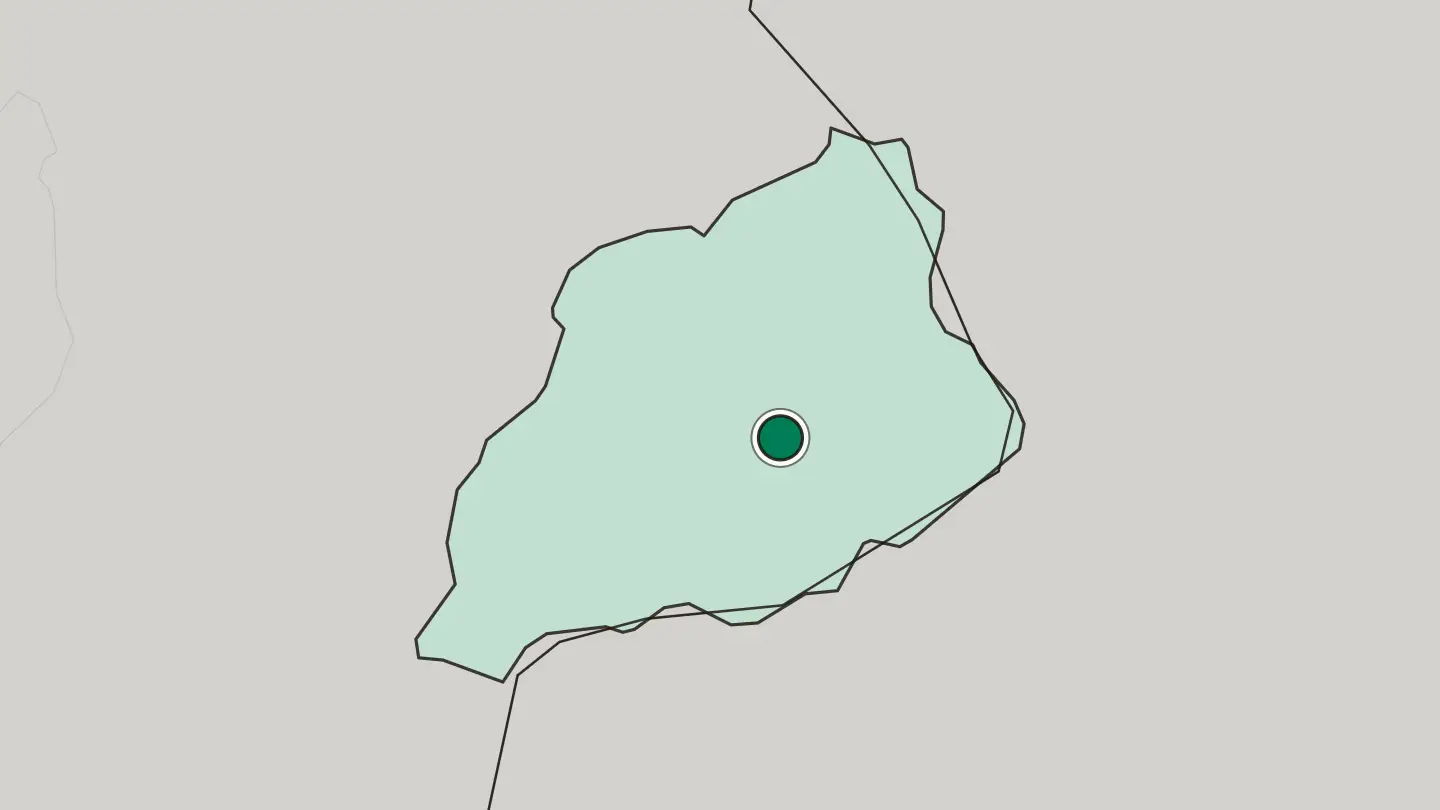
Hotel links are affiliate links: booking through them may earn us a commission, at no extra cost to you. It never affects how places are ranked. How this works
About Velāyat-e Khowst
Loya Paktia still names this ground.
What is Velāyat-e Khowst known for?
The wider region around Khost carried that name long before the province existed on its own, and the label has outlived the administrative change that gave Velāyat-e Khowst a separate boundary in 1995. Thirteen districts make up the province. The city of Khost governs all of them, and the province's identity rests on that older regional belonging rather than on the recent line separating it from Paktia.
Where is Velāyat-e Khowst?
Little ground separates one end of Velāyat-e Khowst from the other. Thirteen districts fill it, and the whole of that territory reports to the city of Khost, which sits at the middle of the arrangement as the provincial capital and the only settlement of any administrative weight. The boundary is younger than the ground.
Before 1995 this was part of Paktia, and the line that separates the two provinces cuts through a region treated as one for far longer than it has been divided. Loya Paktia is the older frame. The name covers a wider region surrounding Khost and remains in use, which means the province has two geographies at once: the administrative one drawn in 1995 and the regional one that ignores it.
Both are current. Anyone reading a map of Velāyat-e Khowst sees thirteen districts and a capital; anyone listening to how the ground is described hears Loya Paktia instead, and the two accounts overlay each other without contradiction. Paktia lies on the other side of that story.
What the province holds inside its own line is a single centre and the districts that answer to it, which is the whole of its internal geography as Afghanistan's own record gives it.
What is Velāyat-e Khowst like?
Identity here has an older name than the province. Loya Paktia describes the wider region around Khost, and it stayed in ordinary use after 1995 when the administrative separation from Paktia produced a province with a different name on the map. People kept the regional word.
That persistence is the most telling cultural fact the record supplies about Velāyat-e Khowst, because it shows an attachment that survived the redrawing rather than following it. Uzbek is among the languages spoken. It is heard across a province whose thirteen districts all look to the city of Khost, so the linguistic map and the administrative one cover much the same ground rather than pulling apart.
The capital is where institutions sit. Whatever schooling, administration, and public life the province supports is gathered in Khost, and the districts around it draw on that centre instead of maintaining separate ones of their own. Paktia remains the point of comparison.
The two provinces were a single unit within living memory, so accounts of either tend to reach for Loya Paktia when they need a single word covering the whole of the region.
What is the history of Velāyat-e Khowst?
Velāyat-e Khowst dates from 1995. Before that the districts inside it were administered as part of Paktia, and the separation gave Afghanistan a province whose territory was long familiar under another name rather than a new unit carved from unfamiliar ground. The old name did not disappear.
Loya Paktia still refers to the wider region around Khost, which makes the province's history unusually easy to state: one boundary, one date, and a regional identity that outlasted both.
What is the climate of Velāyat-e Khowst?
Thirteen districts share one weather. Velāyat-e Khowst is compact enough that conditions in the city of Khost stand in reasonably well for conditions across the province, which is not true of larger provinces with several distinct zones inside them. The record supplies no readings.
What it does give is the province's membership in Loya Paktia, a region described as a single whole, and travellers generally take their expectations for Khost from accounts of Paktia next door rather than from anything published for the province itself.
How do you get to Velāyat-e Khowst?
Arrivals converge on the city of Khost. The provincial capital is the destination for every road into Velāyat-e Khowst, and the thirteen districts are reached from it rather than from any outside point, which makes the approach a two-stage matter for most journeys. Paktia supplies the overland link.
The province Khost was separated from is the one named in the record beside it, so approaches are described in relation to Paktia and to the wider Loya Paktia region rather than to any numbered highway.
Common questions
What is the best area to stay in Velāyat-e Khowst?
The city of Khost: Anyone covering all thirteen districts of Velāyat-e Khowst. The Paktia side of Loya Paktia: Travellers following the older region past the provincial line.
More regions in Afghanistan
Updated September 2026