Afghanistan
Nangarhār, Afghanistan — Towns & Travel Guide
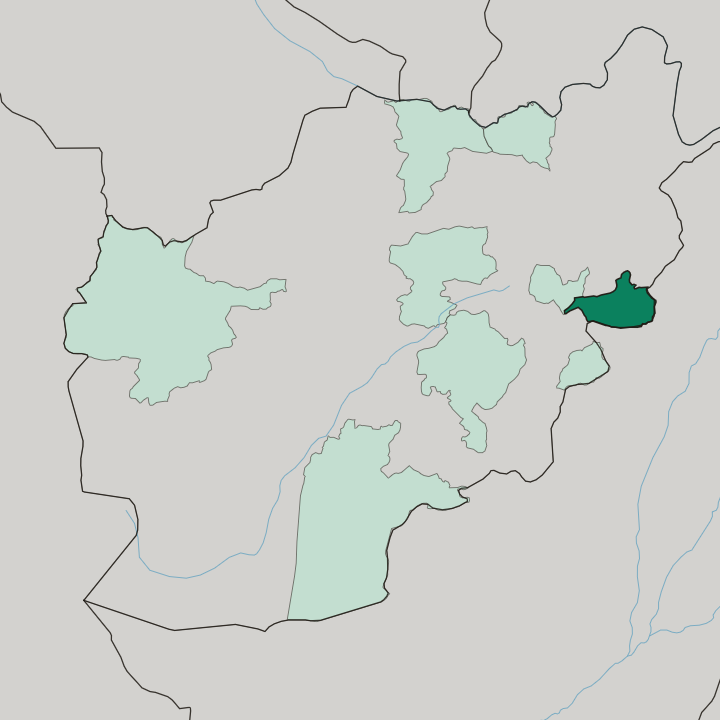
Nangarhār is an Afghan province meeting Pakistan on two sides, with Jalalabad on the Kabul River as its lowland capital and working centre.
Hotel links are affiliate links: booking through them may earn us a commission, at no extra cost to you. It never affects how places are ranked. How this works


Towns & cities in Nangarhār
One town here has its own guide — it links to where to stay.

 Afghanistan
Jalālābād
Jalālābād is the capital of Nangarhar Province in eastern Afghanistan, and the monastery ground of Tapa Shotor lies on its outskirts.Where to stay →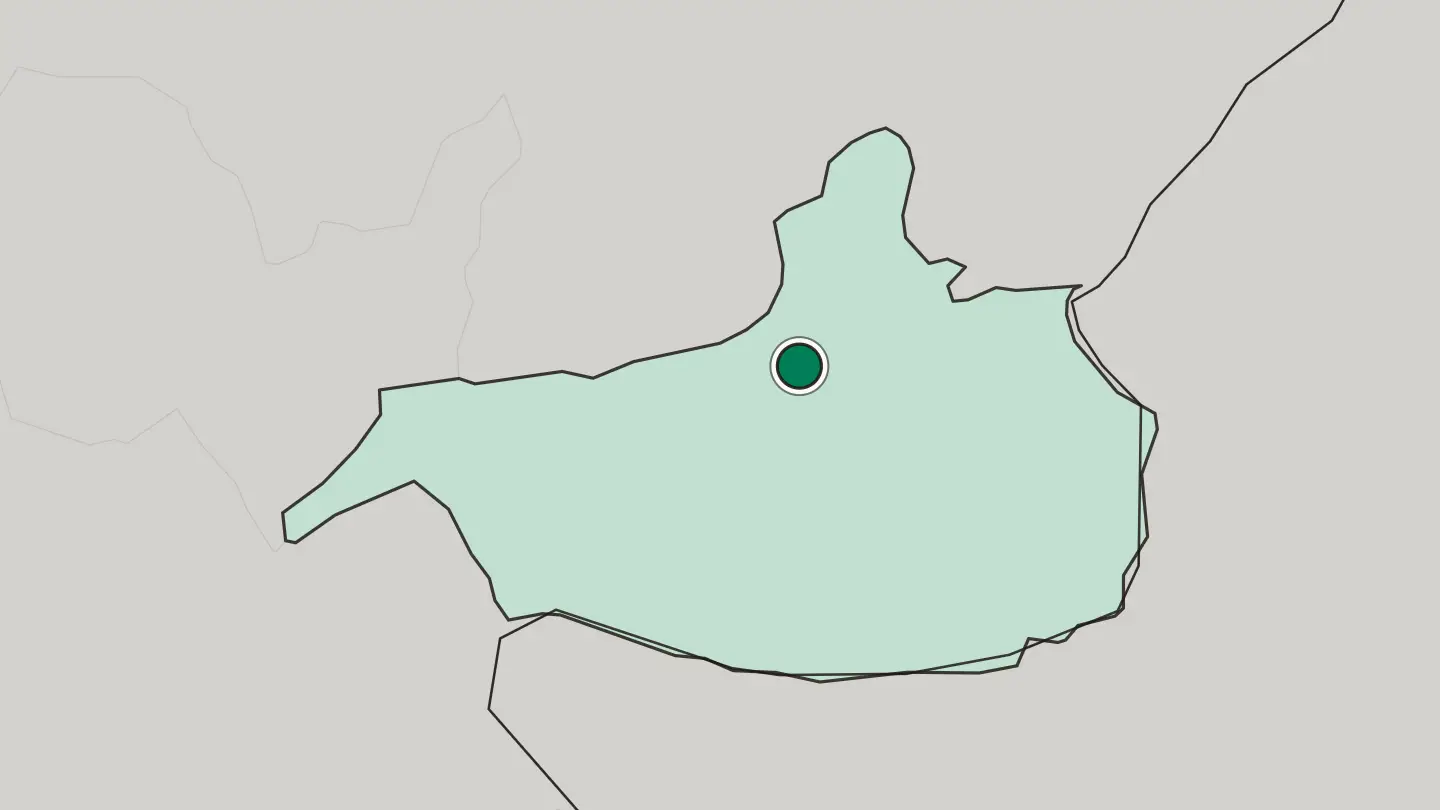
Hotel links are affiliate links: booking through them may earn us a commission, at no extra cost to you. It never affects how places are ranked. How this works
About Nangarhār
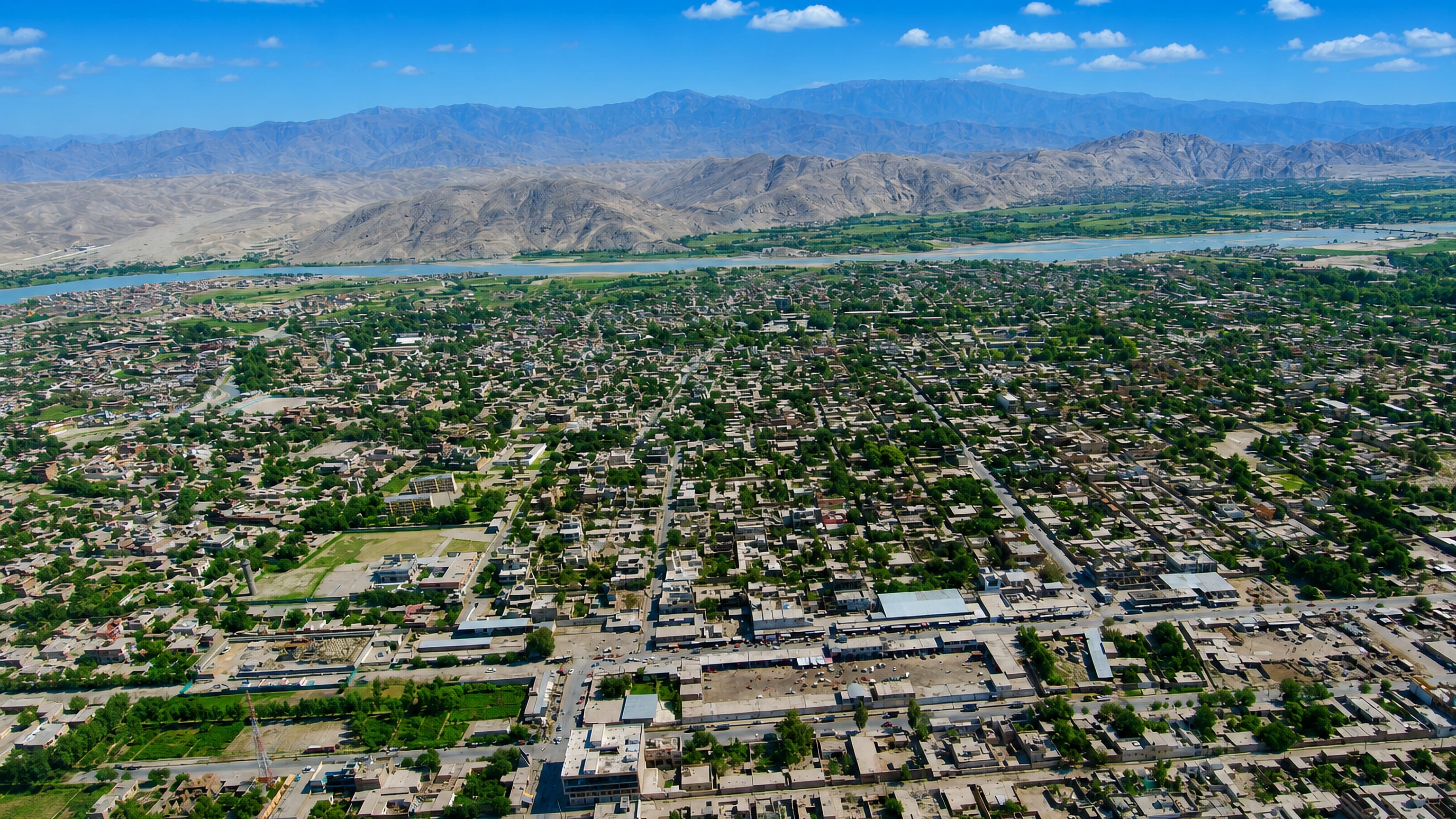
Jalalabad stands on the Kabul River.
What is Nangarhār known for?
The provincial capital of Nangarhār is a lowland city, and it does the administrative, commercial, and educational work of a province that meets Pakistan along two of its edges rather than one. That border is the province's business. Traffic of every kind between Afghanistan and Pakistan runs through Nangarhār, and the province's political and economic weight follows from that crossing rather than from its inland neighbours Kunar, Laghman, Kabul, and Logar.
Where is Nangarhār?
The Kabul River sets the terms here. Jalalabad stands along it, a lowland city rather than a mountain one, and that low ground is what distinguishes the provincial capital from most of the country around it. The river gives the province its axis.
Everything administrative, commercial, and educational in Nangarhār is gathered on that lowland, which is why the province is described from Jalalabad outward rather than from any of its boundaries inward. Two of the province's edges are international. Khyber Pakhtunkhwa, in Pakistan, faces Nangarhār on the east and again on the south, so the province is wrapped along much of its outer side by a single foreign neighbour rather than by several.
Inland the neighbours are Afghan. Kunar and Laghman adjoin it, and so do Kabul and Logar, which places Nangarhār between the country's interior and the crossing that leads out of it. That is the whole geometry.
A lowland capital on the Kabul River, four Afghan provinces at its back, and Khyber Pakhtunkhwa along the outer edge account for how Nangarhār is reached, how it is governed, and how it is written about.
What is Nangarhār like?
Jalalabad does the teaching. The provincial capital is the educational centre of Nangarhār as well as its commercial one, which concentrates the province's institutional life in a single lowland city on the Kabul River. Culture follows the same concentration.
What the record calls the province's cultural role is bound up with its position between Afghanistan and Pakistan, a crossing that carries people and ideas as steadily as it carries trade. Being lowland matters to that. A city on a river plain is easier to reach and easier to gather in than one held in higher country, and Jalalabad's standing as the region's principal centre rests partly on that simple advantage.
Uzbek is one of the languages spoken here. It sits alongside the speech of a province whose neighbours run from Khyber Pakhtunkhwa on the Pakistani side to Kunar, Laghman, Kabul, and Logar on the Afghan one, each contact leaving something behind. Jalalabad collects all of it.
A city serving as the administrative, commercial, and educational centre of the region ends up holding its cultural life too, and Nangarhār's institutions are found there rather than distributed across the districts. The Kabul River threads the ground those institutions occupy.
What is the history of Nangarhār?
Nangarhār's beginnings carry no date in the record. The province is described in the record by what it does rather than by when it began, and its standing as a political and economic crossing between Afghanistan and Pakistan is the durable fact around which everything else is arranged. Jalalabad has long held the centre.
The city's place on the Kabul River made it the natural seat for whatever administration the province required, and the boundary with Khyber Pakhtunkhwa has kept that role in demand.
What is the climate of Nangarhār?
The record gives one climatic clue. Jalalabad is set down as a lowland city on the Kabul River, and low ground beside a river is the single physical condition the sources attach to Nangarhār. No readings are published.
Anyone planning a visit works from that description rather than from figures, treating the valley floor around Jalalabad as the province's mildest ground and everything toward Kunar, Laghman, Kabul, and Logar as less certain.
How do you get to Nangarhār?
Most journeys into Nangarhār end at Jalalabad. The provincial capital is the point at which the roads from Kabul and Logar, from Kunar and Laghman, and from the Khyber Pakhtunkhwa side of the boundary all come together, which makes arriving anywhere else in the province unusual. The Pakistani crossing carries the heaviest traffic.
Movement between Afghanistan and Pakistan has run through Nangarhār long enough that the route shapes how the province is reached and how it is understood.
Common questions
What is the best area to stay in Nangarhār?
Jalalabad: Anyone basing a Nangarhār trip beside the Kabul River. The Khyber Pakhtunkhwa edge: Travellers timing a crossing between Nangarhār and Pakistan.
More regions in Afghanistan
Updated September 2026