Afghanistan
Kunduz, Afghanistan — Towns & Travel Guide
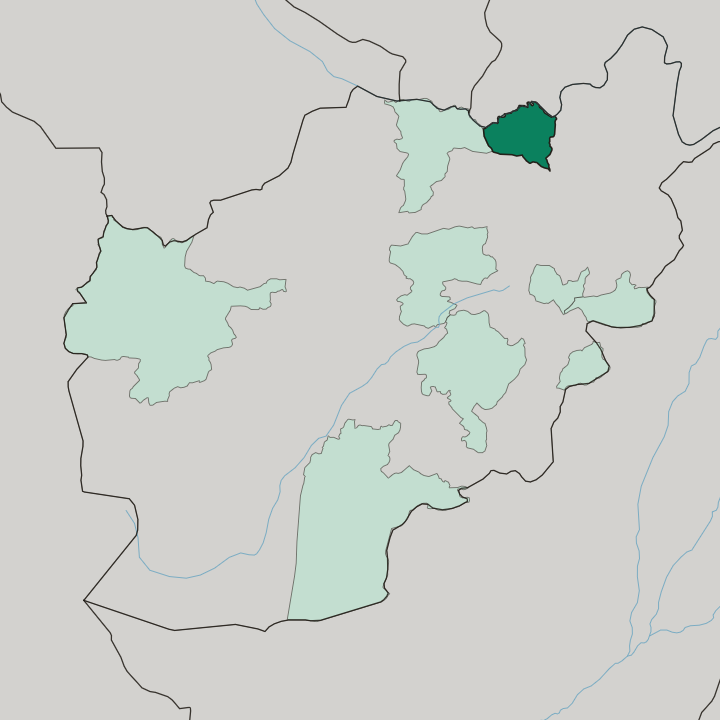
Kunduz is an Afghan province on the Tajikistan boundary, formed in 1964 and run from the city of Kunduz, where the province's airport also sits.
Hotel links are affiliate links: booking through them may earn us a commission, at no extra cost to you. It never affects how places are ranked. How this works


Towns & cities in Kunduz
One town here has its own guide — it links to where to stay.
 Afghanistan
Kunduz
Kunduz, capital of Kunduz Province in northern Afghanistan, keeps the archaeological ground of Tepe Ahingaran on its landmark list.Where to stay →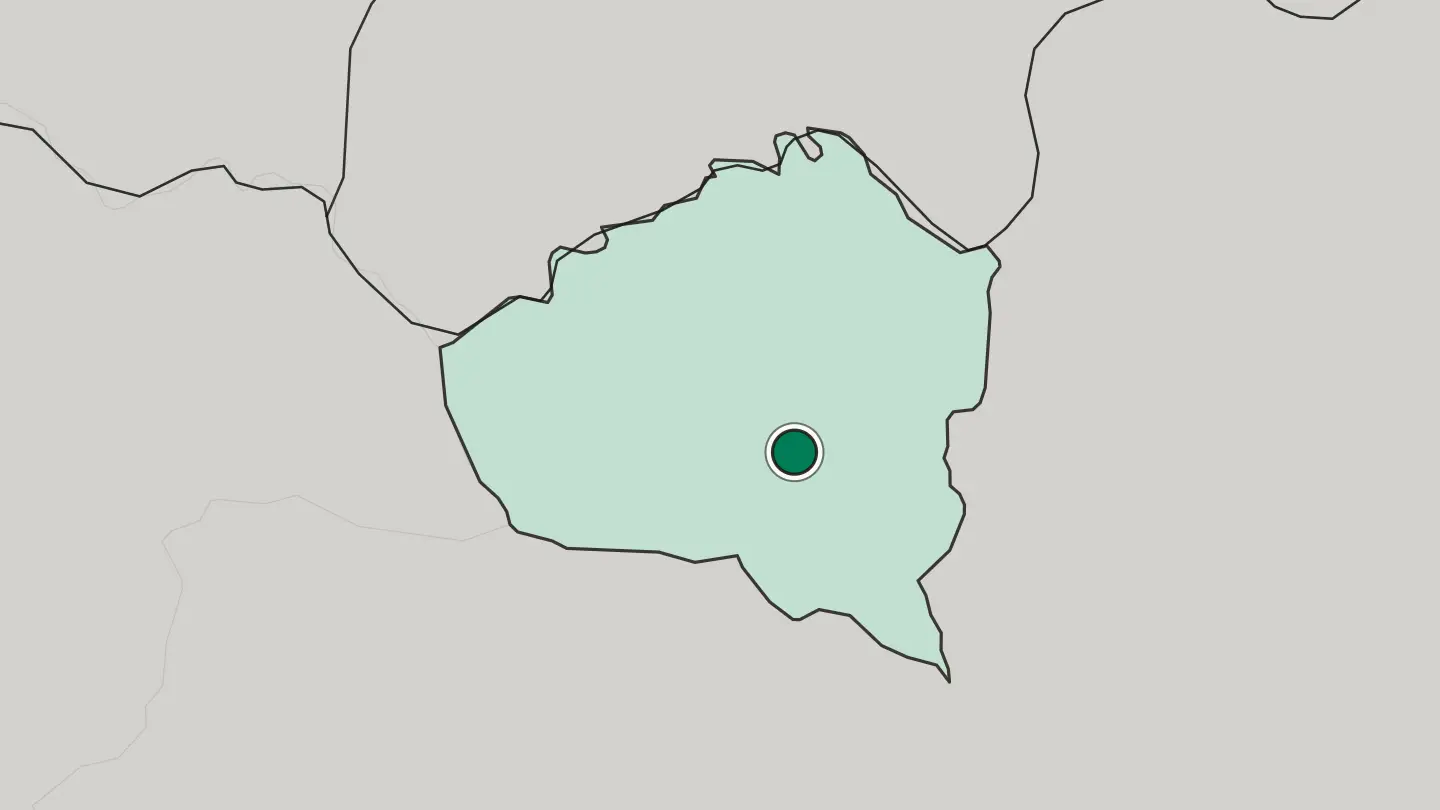
Hotel links are affiliate links: booking through them may earn us a commission, at no extra cost to you. It never affects how places are ranked. How this works
About Kunduz
What is Kunduz known for?
Few Afghan provinces carry as many spellings of their own name as Kunduz, which appears in the record as Qunduz, Qonduz, Konduz, Kondoz, and Qhunduz, a sign of how many communities have had reason to write it down. Diversity is the province's defining trait. Accounts describe Kunduz as among the most ethnically varied provinces in Afghanistan, and its administrative work is done from the city of Kunduz, which serves as capital for the whole province.
Kunduz Airport sits alongside the capital.
Where is Kunduz?
The northern edge of Kunduz is not an Afghan one. Across it lies the Khatlon Region of Tajikistan, and that international boundary sets the province apart from the four Afghan provinces, Takhar, Baghlan, Samangan, and Balkh, that surround it on the remaining sides. Takhar closes the east.
Baghlan and Samangan take the southern ground while Balkh runs west, so the province occupies a compact block with one foreign frontier and three inland approaches. Kunduz city sits at the centre of that block. The provincial capital gathers the administration of the whole province, and Kunduz Airport lies immediately beside it, which puts the province's air link and its administrative centre on the same patch of ground.
That is unusual and useful. Roads out of the capital run toward Takhar, toward Baghlan, and toward the Balkh side, while the route north ends at the Tajikistan boundary rather than continuing into another Afghan province. The province was drawn in 1964.
Its outline has been read against those five neighbours ever since, and the ground inside it is understood mainly as the hinterland of the city that gives the province its name.
What is Kunduz like?
Kunduz is written many ways. The province's name appears as Qunduz, Qonduz, Konduz, Kondoz, and Qhunduz depending on who is doing the writing, and that spread of spellings is the plainest evidence of how many communities have lived with the place and named it in their own way. Diversity is documented here, not inferred.
Kunduz is described as one of the most ethnically varied provinces in Afghanistan, with several communities present in numbers large enough to shape ordinary life across the whole of its territory. Uzbek is among the languages heard across the province. It is spoken on both sides of the northern boundary, which links the province culturally to the Khatlon Region of Tajikistan and, further west, to the ground around Balkh where the same tongue carries.
The capital concentrates all of it. Whatever is institutional in the province, its offices, its schooling, its markets, is gathered in the city of Kunduz, and Takhar, Baghlan, and Samangan meet that centre by road rather than maintaining separate ones. Kunduz Airport keeps the province in contact with the rest of the country.
Culture here is therefore a city matter with an international boundary always in view.
What is the history of Kunduz?
Kunduz as an administrative unit is recent. The province dates from 1964, which makes its boundary a modern drawing rather than an inheritance, even though the city that gives the province its name is older than the line drawn around it. Takhar and Baghlan were its neighbours from the start.
What the record does not supply is a founding story for the settlement itself, only the year in which the province around it took the shape it still has.
What is the climate of Kunduz?
No climate readings accompany the Kunduz record. Seasonal expectations therefore have to be taken from position rather than measurement: the province lies inland behind Takhar, Baghlan, Samangan, and Balkh, with the Khatlon Region of Tajikistan closing it off on the north, and no part of it touches open water. That absence shapes the year.
Travellers arriving through Kunduz Airport plan for the swings of an interior province rather than for the steadier turns a coast would impose.
How do you get to Kunduz?
Kunduz Airport is the shortcut. The terminal sits immediately beside the provincial capital, which makes flying the one approach that skips the overland run through Takhar, Baghlan, Samangan, or Balkh entirely. Everything else comes in by road.
Land routes enter the province from each of those four neighbours, while the northern approach crosses into the Khatlon Region of Tajikistan and so belongs to a different category of journey again.
Common questions
What is the best area to stay in Kunduz?
Kunduz city: Travellers who want Kunduz Airport within minutes of the door. Toward Takhar and Baghlan: Overland trips leaving Kunduz for its eastern and southern neighbours.
More regions in Afghanistan
Updated September 2026