Afghanistan
Wilāyat-e Bāmyān, Afghanistan — Towns & Travel Guide
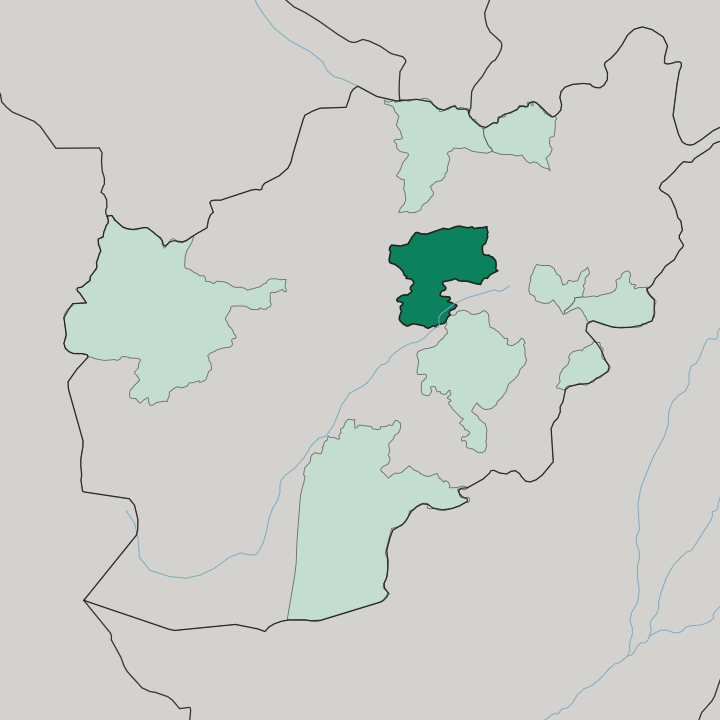
Wilāyat-e Bāmyān is one of the 34 provinces of Afghanistan, an inland province taking its name and its administrative centre from the city of Bamyan.
Hotel links are affiliate links: booking through them may earn us a commission, at no extra cost to you. It never affects how places are ranked. How this works


Towns & cities in Wilāyat-e Bāmyān
One town here has its own guide — it links to where to stay.

 Afghanistan
Bāmyān
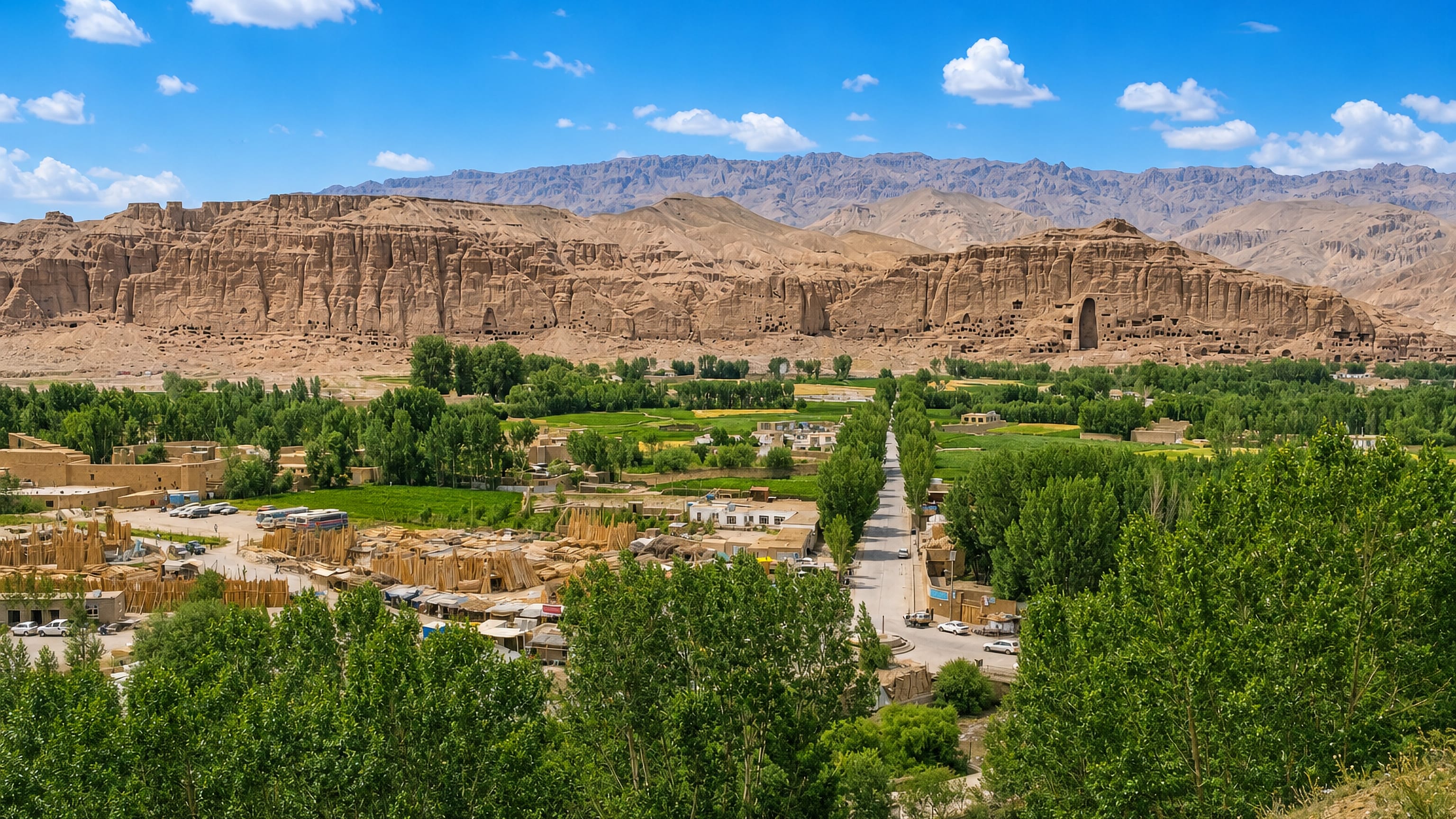
Empty cliff niches above Bāmyān mark where the Bamiyan Buddhas stood, in a valley on the UNESCO World Heritage List.Where to stay →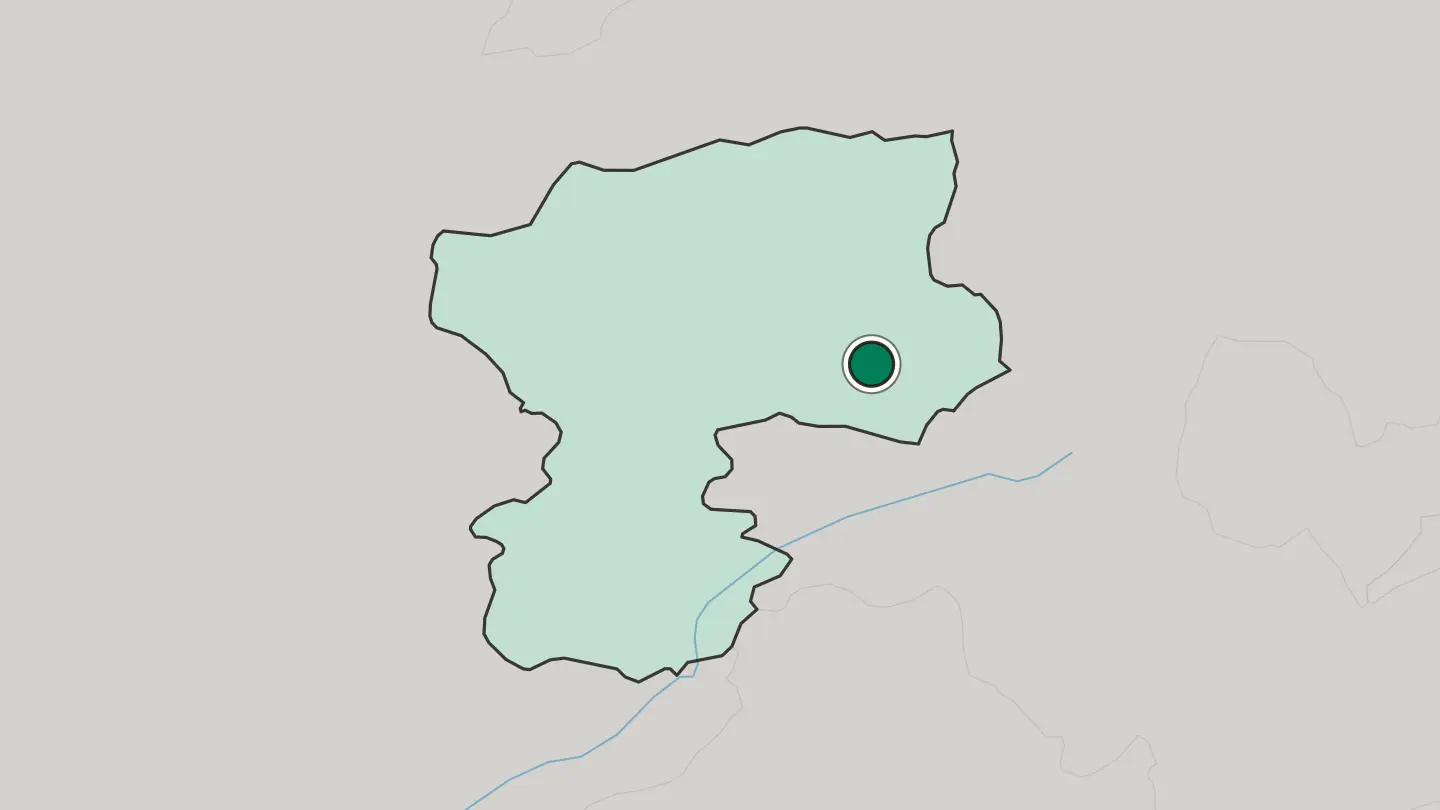
Hotel links are affiliate links: booking through them may earn us a commission, at no extra cost to you. It never affects how places are ranked. How this works
About Wilāyat-e Bāmyān
City and province carry one name here.
What is Wilāyat-e Bāmyān known for?
Bamyan is the settlement at the centre of Wilāyat-e Bāmyān and the point from which the province is administered, so the two are difficult to speak about separately and the record often does not try. The spellings vary widely. Bamiyan and Bāmīān appear alongside Bāmyān in different sources, a reminder that this is a name written down by many hands across a long stretch of Afghanistan's past.
Where is Wilāyat-e Bāmyān?
One name covers the whole of it. Wilāyat-e Bāmyān takes in a broad block of Afghan territory, and the record fixes only one point inside it, the city of Bamyan, which the sources give as the province's centre in both the geographical and the administrative sense. That is unusual for a province this wide.
Most are described by the neighbours pressing on them; this one is described from its middle outward, because the middle is what the sources name. The province lies inland. No sea touches it, no international boundary appears in its description, and the ground around Bamyan is Afghan on every side, which makes Wilāyat-e Bāmyān one of the interior units of the country rather than a frontier one.
The band is subtropical and northern. That places the province in the same broad climatic belt as much of Afghanistan without saying anything more precise, and the record offers nothing further about relief, drainage, or the shape of the land. Bamyan remains the fixed point.
Everything described here is described in relation to that city, and the extent of the province is best understood as the ground it serves.
What is Wilāyat-e Bāmyān like?
Uzbek is spoken in the province. It is one of the languages carried through a place whose own name has been written four different ways, and that variety in the written record usually signals variety among the people doing the writing. Bāmyān, Bāmīān, Bamiyan, Bamyan.
Each of those forms belongs to a different transliteration habit, and all four attach to the same city and the same province, which is the plainest cultural evidence the record holds. Names travel with people. That four spellings survive rather than one is itself a fact about how the province has been recorded, and the sources preserve every version instead of settling on a single official form.
The city is where culture is institutional. Bamyan serves as the centre of Wilāyat-e Bāmyān, and whatever the province maintains in the way of administration and public life is gathered there rather than spread among places the sources do not name. Beyond that, the record stops.
That silence is worth stating plainly instead of filling: the factual account here runs to a language, a set of spellings, and a single named centre inside one of the 34 provinces of Afghanistan. The rest is not documented.
What is the history of Wilāyat-e Bāmyān?
A founding date for Wilāyat-e Bāmyān was never set down. The province appears in the sources as one of the 34 provinces of Afghanistan without a date of establishment attached, which leaves its administrative history unwritten in the material available. The city came first in the naming.
Bamyan gave the province its name rather than the other way round, and the several spellings of that name, Bamiyan and Bāmīān among them, are the only trace the record keeps of how long it has been in use.
What is the climate of Wilāyat-e Bāmyān?
The band is subtropical, the hemisphere northern. Those two flags are the whole of what the record fixes about conditions in Wilāyat-e Bāmyān, and they place the province in a belt that behaves very differently depending on how far above sea level the ground happens to sit. Bamyan is inland.
No coast moderates the year here, so conditions swing further than the subtropical label alone implies, and travellers plan for that rather than for a mild average.
How do you get to Wilāyat-e Bāmyān?
Every route ends at Bamyan. The city is the only named point in the province, so arriving in Wilāyat-e Bāmyān means arriving there, and onward movement inside the province begins from the same place it finished. Arrival is by road.
Nothing in the record names an airfield, a rail link, or a numbered road for the province, which leaves the roads in from the surrounding parts of Afghanistan as the way travellers reach Bamyan and the country around it.
Common questions
What is the best area to stay in Wilāyat-e Bāmyān?
Bamyan city: Any stay in Wilāyat-e Bāmyān, which offers no alternative centre. The wider province: Travellers ranging out from Bamyan into the surrounding province.
More regions in Afghanistan
Updated September 2026