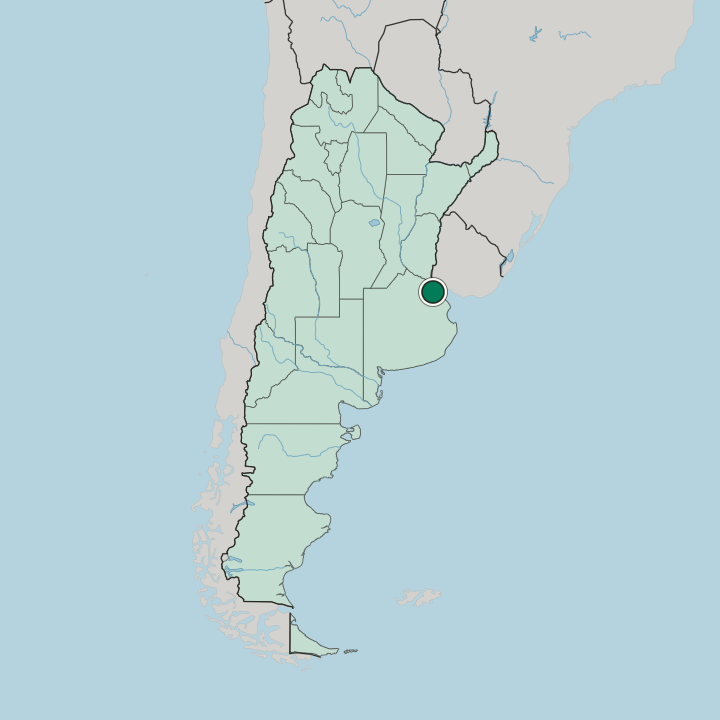
Argentina · Ciudad Autónoma de Buenos Aires · Buenos Aires
Abasto, Buenos Aires — Area Guide & Where to Stay
Abasto is the tango quarter of Buenos Aires, named for its old Mercado de Abasto market hall.
Hotel links are affiliate links: booking through them may earn us a commission, at no extra cost to you. It never affects how places are ranked. How this works


Map data © OpenStreetMap contributors
Where to stay in Abasto
Where the beds are, and what that means for the visit.
Abasto keeps beds of its own. Small hotels and guesthouses sit within walking reach of the Abasto de Buenos Aires and the tango corners around Avenida Corrientes, an easy hop into the rest of Buenos Aires by the Carlos Gardel subte station. Base yourself by the mall.
Balvanera and Almagro spread beyond.
Find hotels in Abasto
Direct booking searches for these neighbourhoods.
Abasto de Buenos Aires mall blocks
The blocks wrapping the Abasto de Buenos Aires hold the quarter's densest run of shops, cinemas and eating spots, an easy base for exploring the tango streets on foot.Find hotels in Abasto de Buenos Aires mall blocksguests who want fast Avenida Corrientes links out to the rest of Buenos AiresCarlos Gardel subte corner
The corner by the Carlos Gardel subte station trades some quiet for quick trips along Avenida Corrientes across Balvanera and Almagro into the wider city.Find hotels in Carlos Gardel subte cornerHotel links are affiliate links: booking through them may earn us a commission, at no extra cost to you. It never affects how places are ranked. How this works
Things to do in and around Buenos Aires
Ranked by global recognition; descriptions from Wikidata (CC0).
Museums & Galleries
3- Cabildo of Buenos Aires Heritage
- Palace of Running Waters Heritage
- Illuminated Block Heritage
Churches & Religious Sites
3- Santo Domingo convent Heritage
- Saint Ignatius of Loyola Church, Buenos Aires Heritage
- Basílica de San Carlos Borromeo y María Auxiliadora
Castles & Historic Sites
2- Torre Monumental
- Monument to Christopher Columbus
worth knowingacross 3 categories in and around Buenos Aires
About Abasto
What are the main landmarks in Abasto?
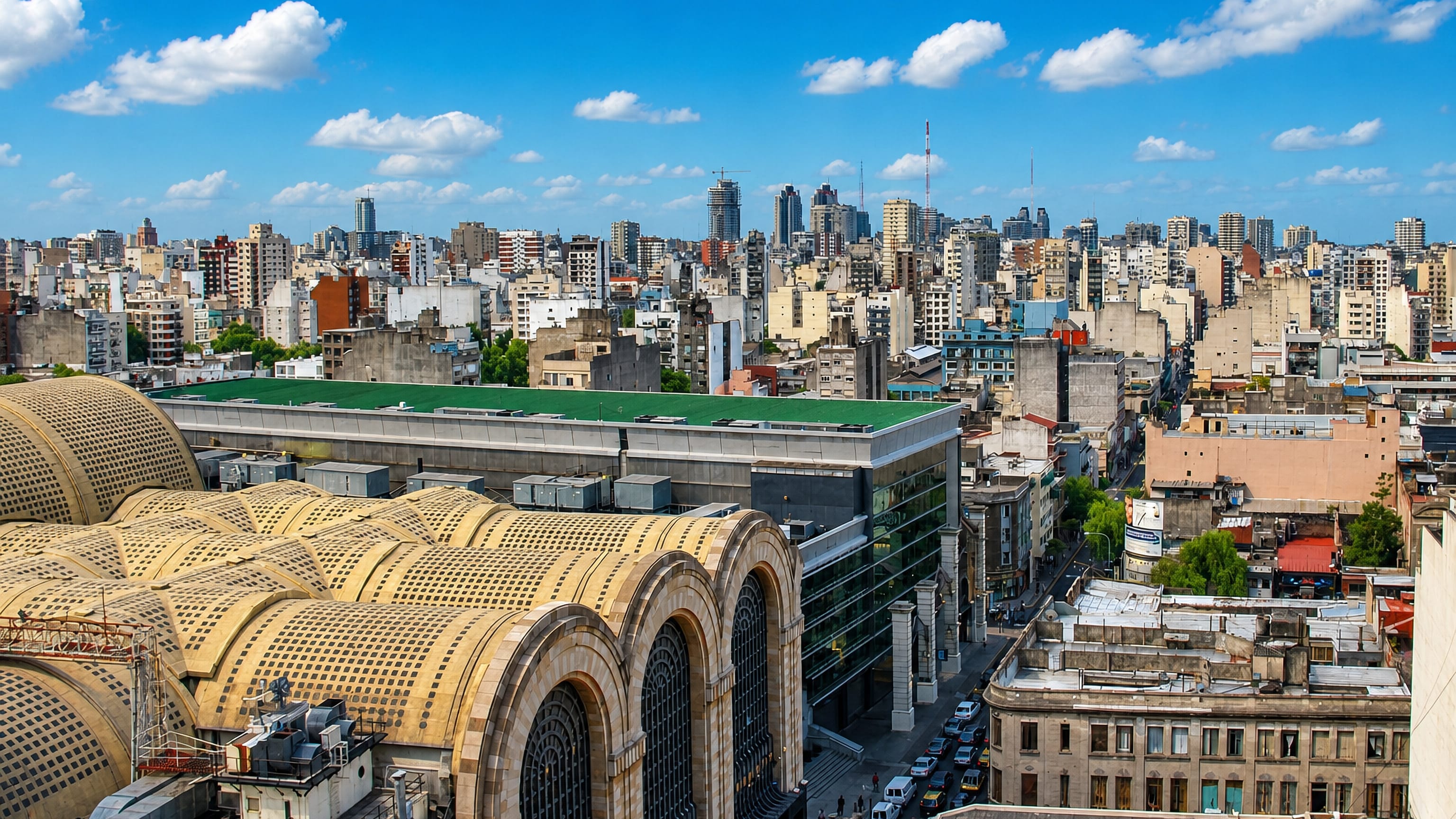
The old market still rules the skyline. Its Art Deco hall now serves as the Abasto de Buenos Aires, one of the largest shopping malls in the city and a landmark example of the style in Latin America, a short walk from the Carlos Gardel subte station on Avenida Corrientes. Tango lives on nearby streets.
A statue of Gardel marks the corner.
What is the history of Abasto?
Abasto grew up around a market. The Mercado de Abasto opened in 1893 as the central produce hall for Buenos Aires, and the trade around it drew the tango musicians who gave the quarter its name and its voice, among them Carlos Gardel, known here as El Morocho del Abasto. The hall closed in 1984.
It later reopened as a mall.
Where is Abasto?
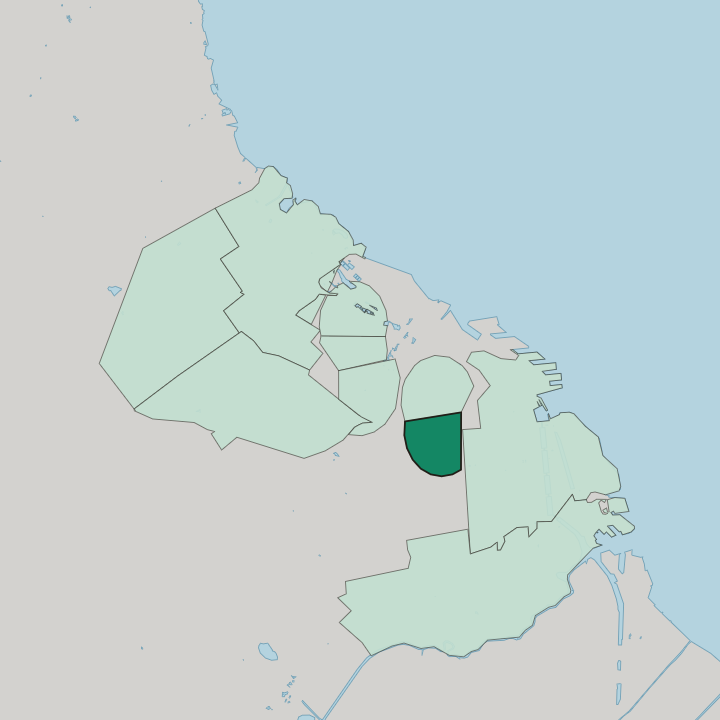
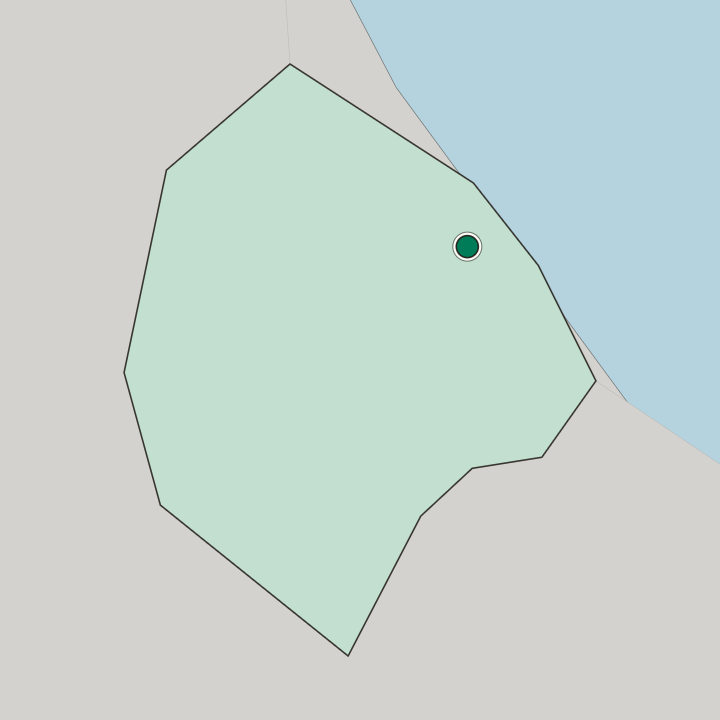
Abasto straddles the barrios of Balvanera and Almagro. The quarter fills the flat blocks around Avenida Corrientes, a short way inland from the centre of Buenos Aires and set well back from the tidal Río de la Plata that edges the wider city. Corrientes runs its spine.
Streets fan out on level ground.
Common questions
What is the best area to stay in Abasto?
Abasto de Buenos Aires mall blocks: travellers who want the Art Deco Abasto de Buenos Aires and its cinemas at the door. Carlos Gardel subte corner: guests who want fast Avenida Corrientes links out to the rest of Buenos Aires.
Good for
More areas in Buenos Aires
Updated October 2026