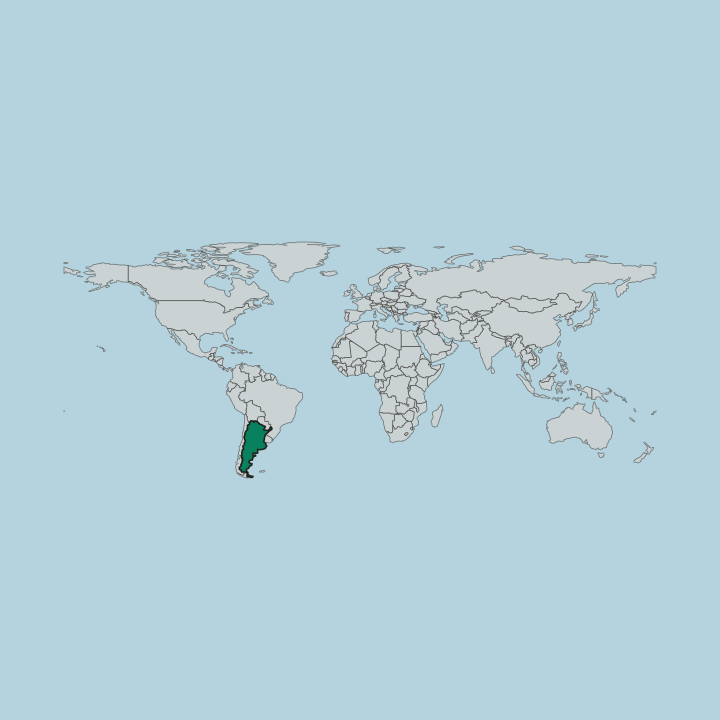
Argentina · Ciudad Autónoma de Buenos Aires · Buenos Aires
Belgrano, Buenos Aires — Area Guide & Where to Stay
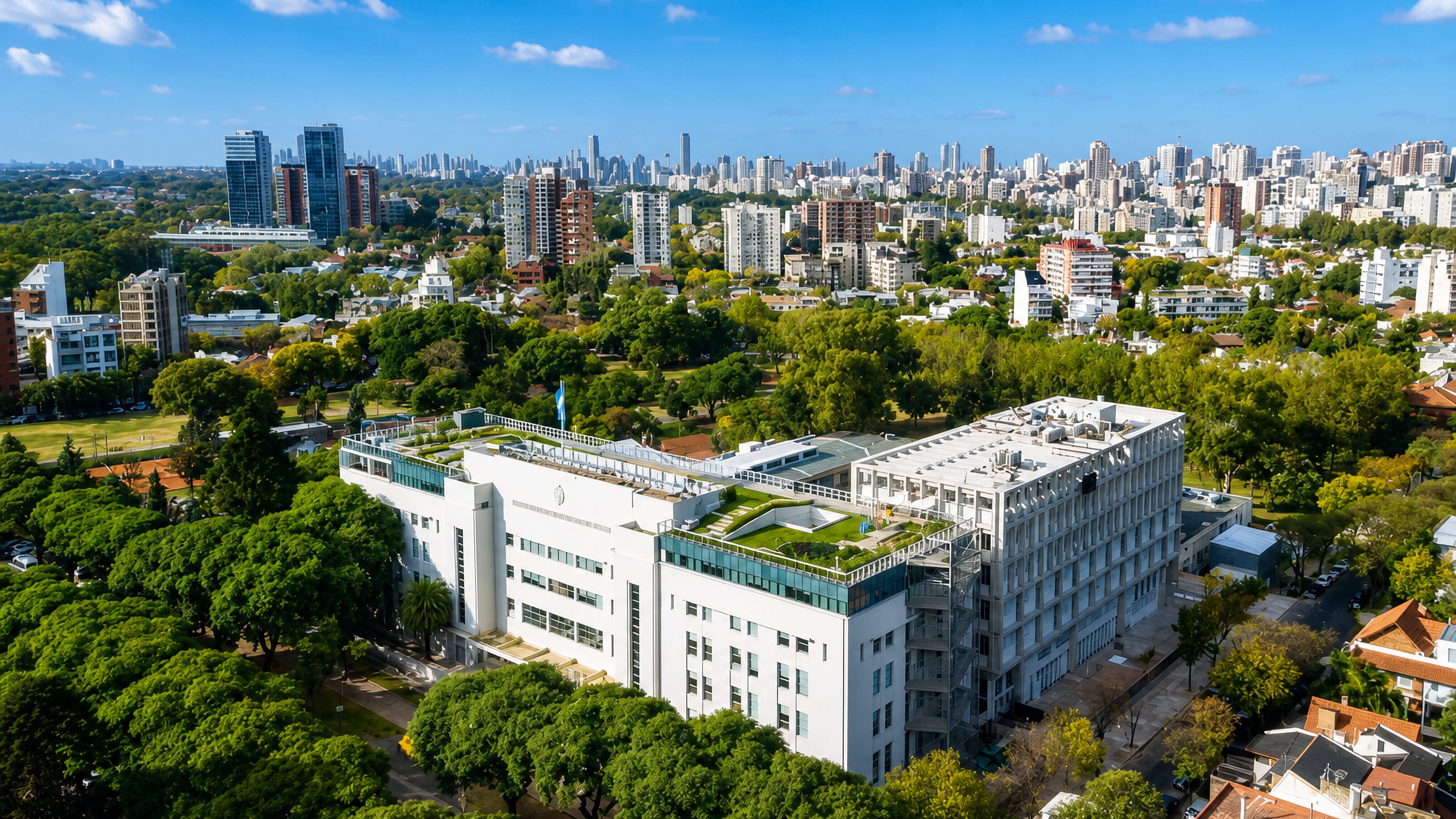
Belgrano is a northern barrio of Buenos Aires in three parts: apartment blocks, the leafy streets of Belgrano R, and the city's Chinatown.
Hotel links are affiliate links: booking through them may earn us a commission, at no extra cost to you. It never affects how places are ranked. How this works


Where to stay in Belgrano
How the choice of base plays out on the ground.
Three areas split the choice: the apartment blocks of central Belgrano, the leafy streets of Belgrano R, and the Chinatown of Buenos Aires. The blocks hold most rooms. Around the Museum of Spanish Art Enrique Larreta and the Parroquia Inmaculada Concepción, that main area keeps museums, shops and transport close together, which suits a first stay in this part of the city.
You should pick Belgrano R for quiet, since its English-influenced houses stand behind gardens rather than shopfronts. Chinatown fills a few streets with restaurants, and the Chinese lions stand among its landmarks.
Find hotels in Belgrano
Direct booking searches for these neighbourhoods.
Central apartment blocks
The blocks beside the Museum of Spanish Art Enrique Larreta and the Parroquia Inmaculada Concepción carry most of Belgrano's rooms.Find hotels in Central apartment blocksquiet nights among the English-influenced housesBelgrano R
Belgrano R keeps gardens and low houses instead of shopfronts, the slowest corner of the northern barrio. Beds are limited here, so book early.Find hotels in Belgrano Reating late in the Chinese quarter of Buenos AiresChinatown
The few streets of the Belgrano Chinatown put restaurants and the Chinese lions at the door. Rooms are few around here — worth securing early.Find hotels in ChinatownHotel links are affiliate links: booking through them may earn us a commission, at no extra cost to you. It never affects how places are ranked. How this works
Things to do in and around Buenos Aires
Ranked by global recognition; descriptions from Wikidata (CC0).
Museums & Galleries
3- House of Valentín Alsina Heritage
- Museum of Spanish Art Enrique Larreta
- House of Rogelio Yrurtia Museum
Churches & Religious Sites
1- Parroquia Inmaculada Concepción, Buenos Aires
Castles & Historic Sites
3- General Manuel Belgrano
- Statue of Liberty
- Chinese lions
Stadiums & Sports
1- Belgrano Athletic Stadium
worth knowingacross 4 categories in and around Buenos Aires
About Belgrano
What are the main landmarks in Belgrano?
Museums crowd the barrio. The Museum of Spanish Art Enrique Larreta holds a Spanish collection in a house, while the Sarmiento Historic Museum, the House of Rogelio Yrurtia Museum and the National Museum of Man stand within the same few streets. The Parroquia Inmaculada Concepción anchors the centre, and the House of Valentín Alsina stands in the same barrio.
Monuments fill the squares: Homenaje al General Manuel Belgrano, Homenaje a José Hernández, the figure of Presbítero Manuel Alberti and the Chinese lions. The Belgrano Athletic Stadium sits among them.
What is the history of Belgrano?
Belgrano dates from 1855. The barrio grew on the northern side of Buenos Aires, and its three parts took different shapes: apartment blocks in the main area, English-influenced houses in Belgrano R, and the Chinese quarter of the city in a few streets of its own. Houses became museums.
The Museum of Spanish Art Enrique Larreta, the Sarmiento Historic Museum and the House of Rogelio Yrurtia Museum each keep a residence with its collection, and monuments to General Manuel Belgrano stand in the barrio that carries the name.
Where is Belgrano?
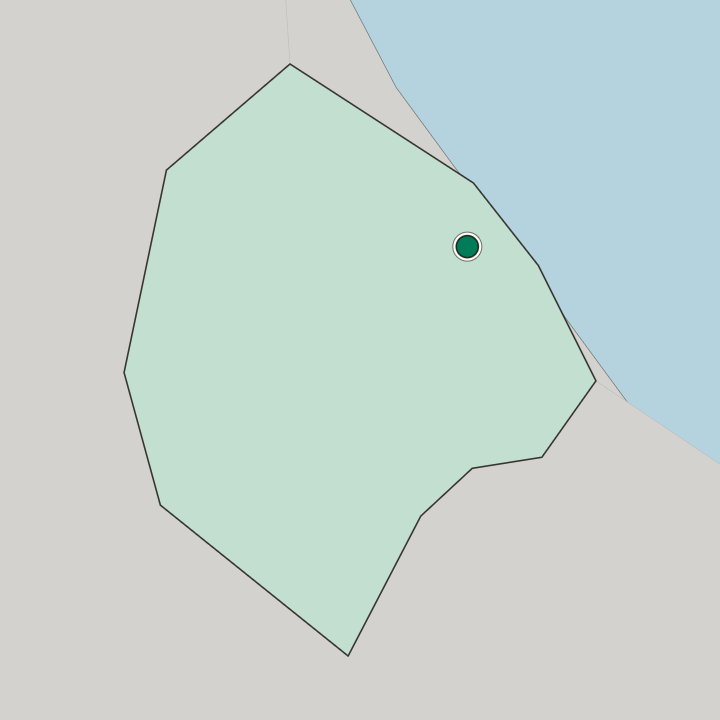
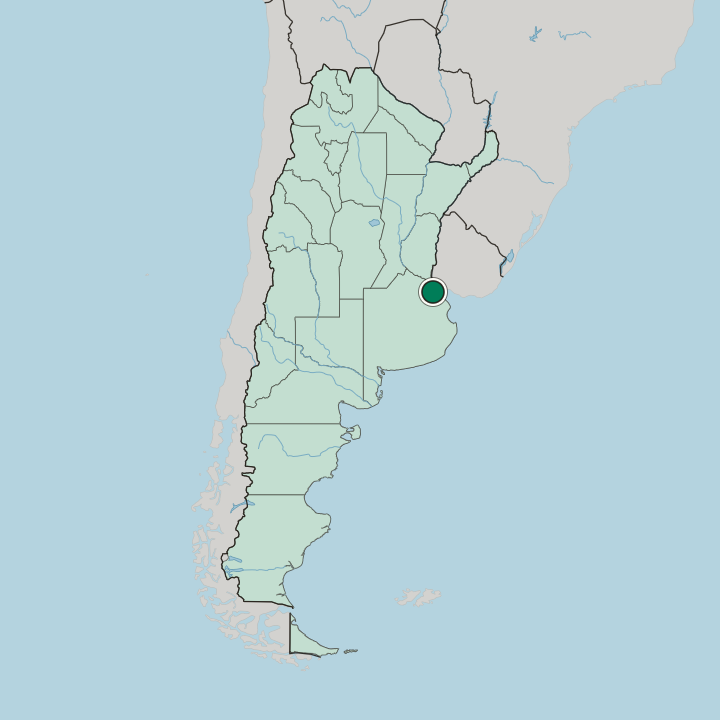
Belgrano covers a northern stretch of Buenos Aires, its apartment blocks giving way to the gardens of Belgrano R and to the streets of Chinatown.
Common questions
What is the best area to stay in Belgrano?
Central apartment blocks: first stays wanting the barrio museums and transport together. Belgrano R: quiet nights among the English-influenced houses. Chinatown: eating late in the Chinese quarter of Buenos Aires.
Good for
More areas in Buenos Aires
Updated October 2026