Austria · Steiermark
Where to Stay in Graz, Steiermark
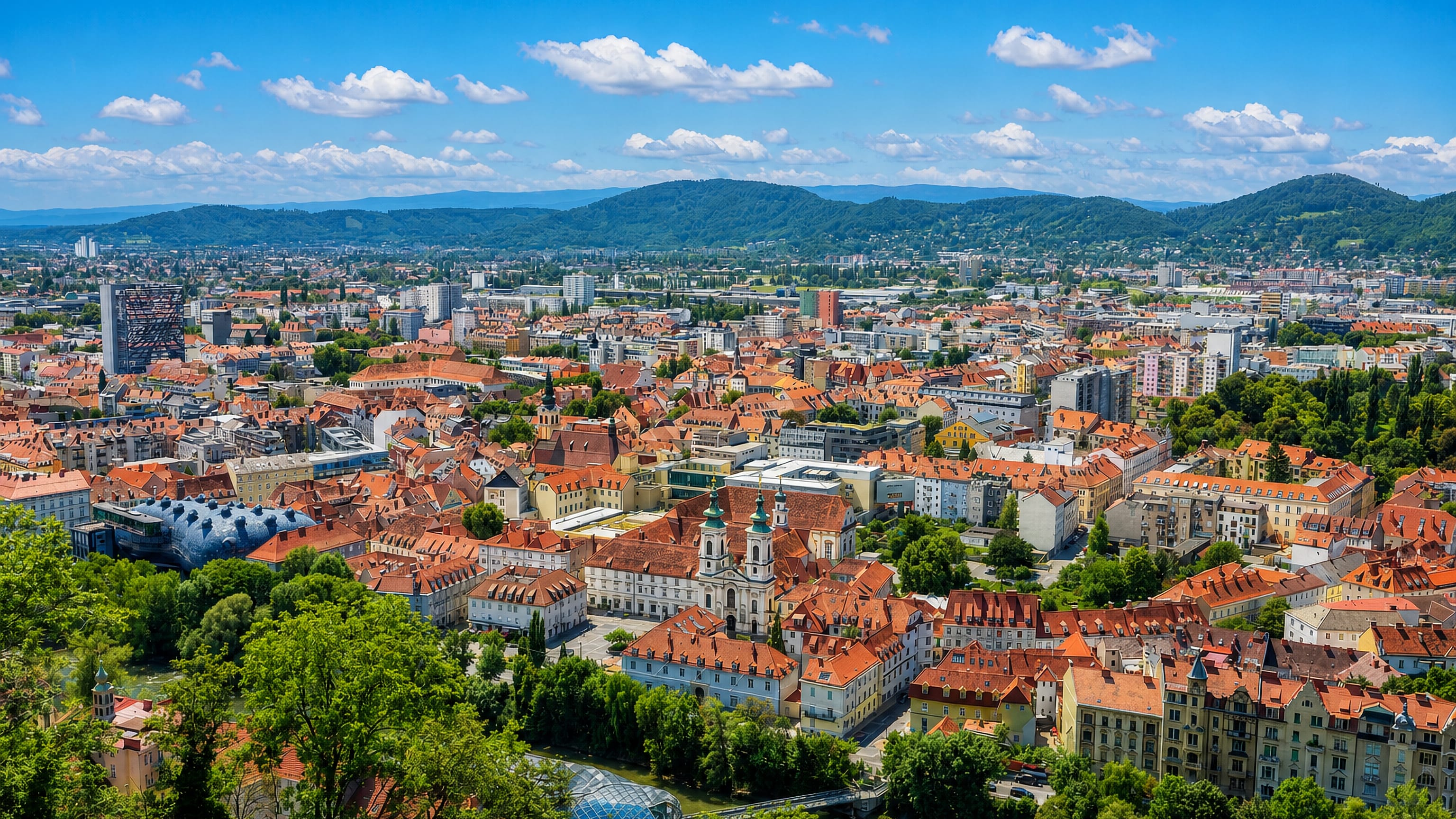
Red roofs climb the Schlossberg above Graz, capital of Styria on the Mur, an Austrian city with a UNESCO old town and a warm southern light.
Hotel links are affiliate links: booking through them may earn us a commission, at no extra cost to you. It never affects how places are ranked. How this works


Where to stay in Graz
Where you base yourself shapes the visit — here's the character of each area.

 GrazAustriaOld-town lanes under the Schlossberg
Innere Stadt
Between the Hauptplatz and the funicular inside the UNESCO coreInnere Stadt → GrazAustria
Lend
Across the Mur beside the Kunsthaus, the working side of the waterLend →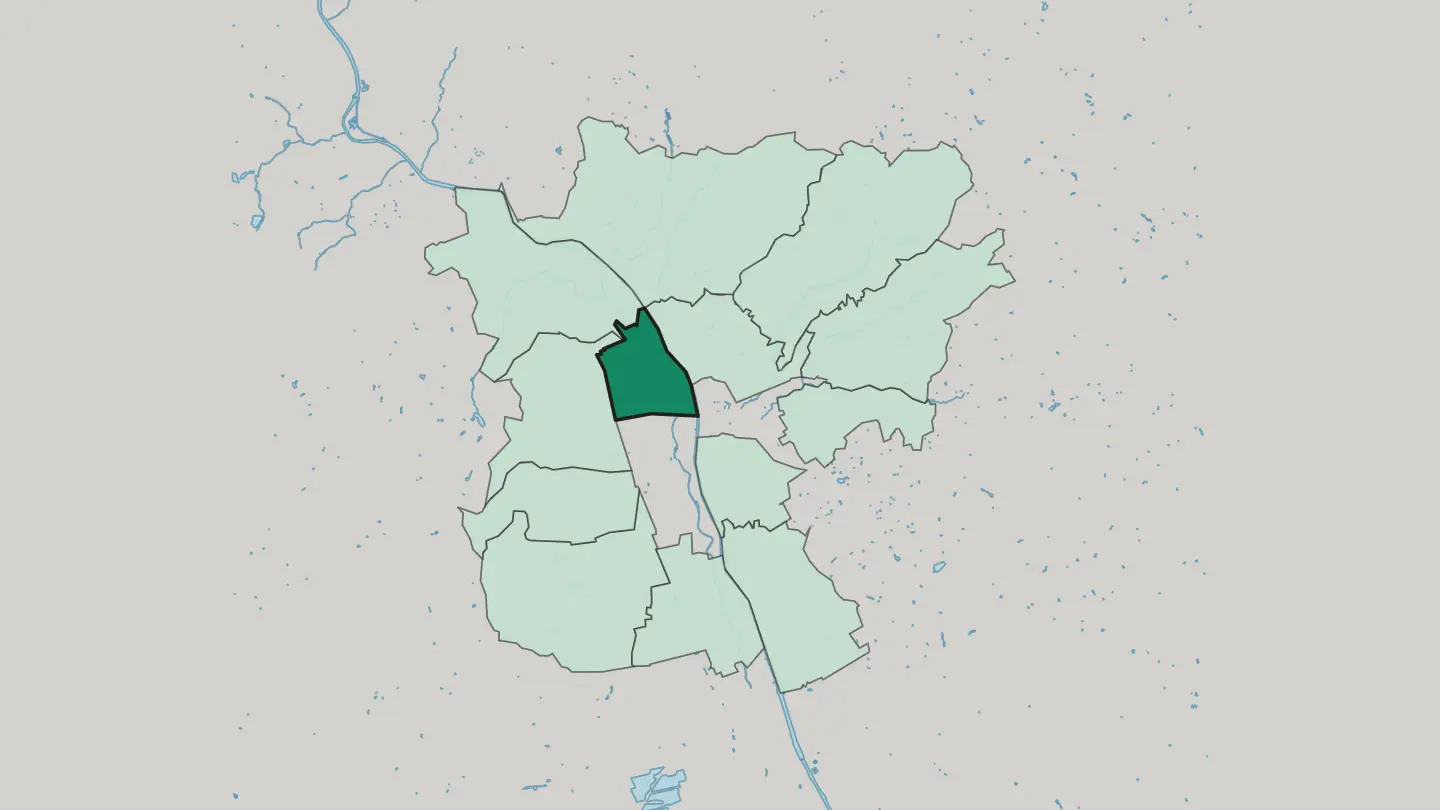
 GrazAustria
Geidorf
North behind the Schlossberg, away from the visited lanesGeidorf →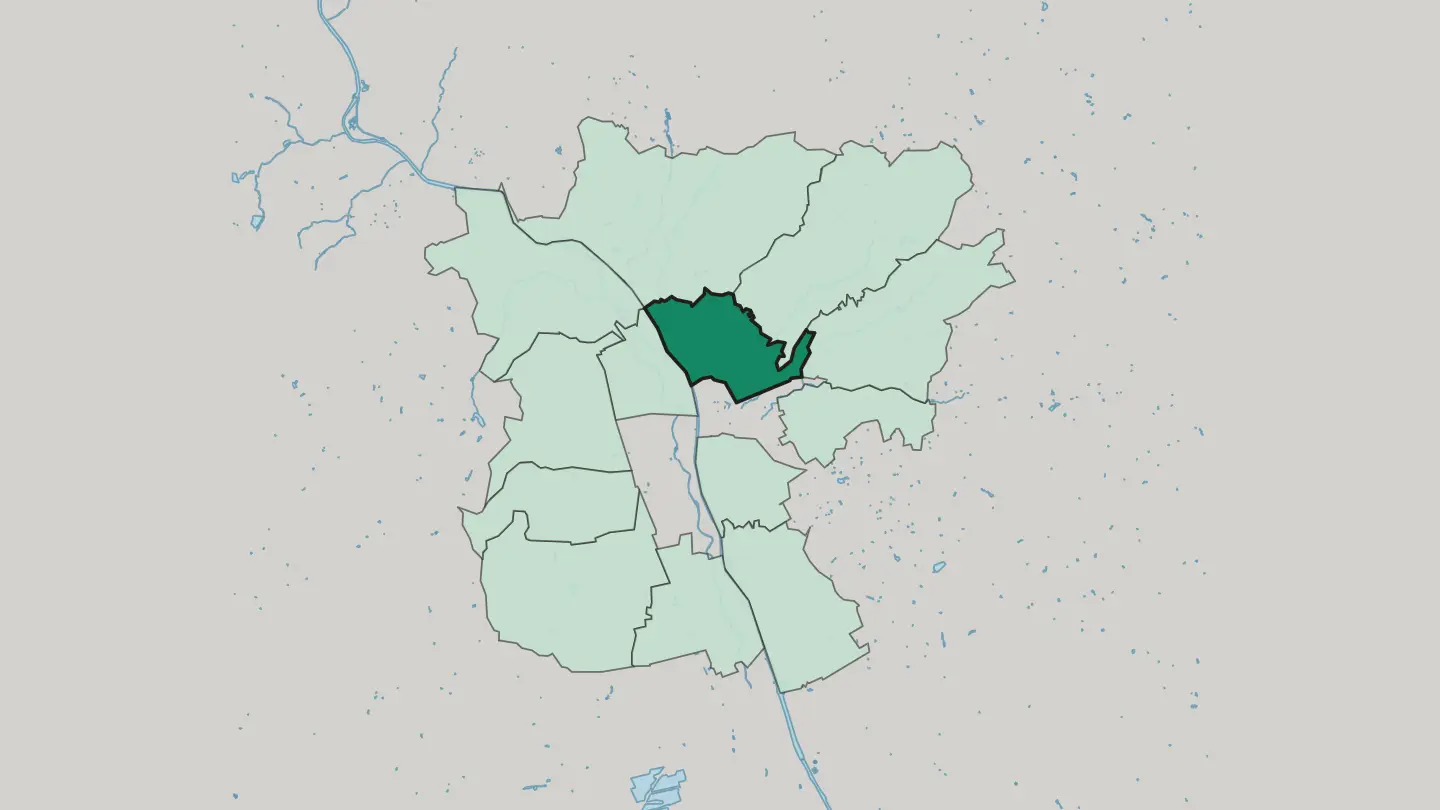
 GrazAustria
Eggenberg
West of the city around Eggenberg Castle and its lawnsEggenberg →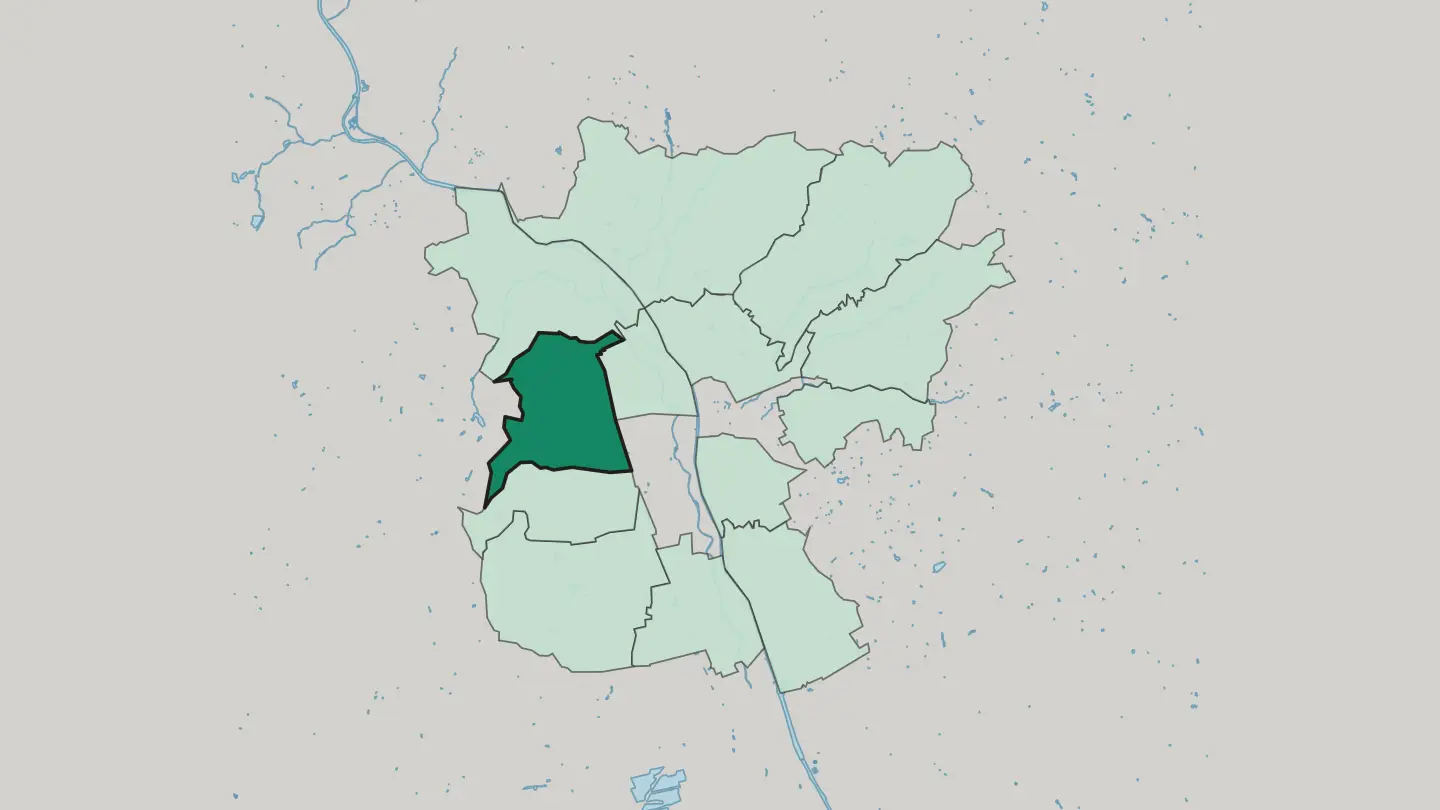
 GrazAustria
Sankt Leonhard
Sankt Leonhard is the second district of Graz, drawn along the Leonhardbach and running to the St. Peter City Cemetery.Where to stay → GrazAustria
Gries
Gries is the fifth district of Graz, its ground marked by the Karlauerkirche, the Welsche Kirche and the Elisabethinenkloster.Where to stay →GrazAustria
Jakomini
Jakomini, the sixth district of Graz, carries the name of Kaspar Andreas Ritter von Jacomini and counts the Oper Graz among its landmarks.Where to stay →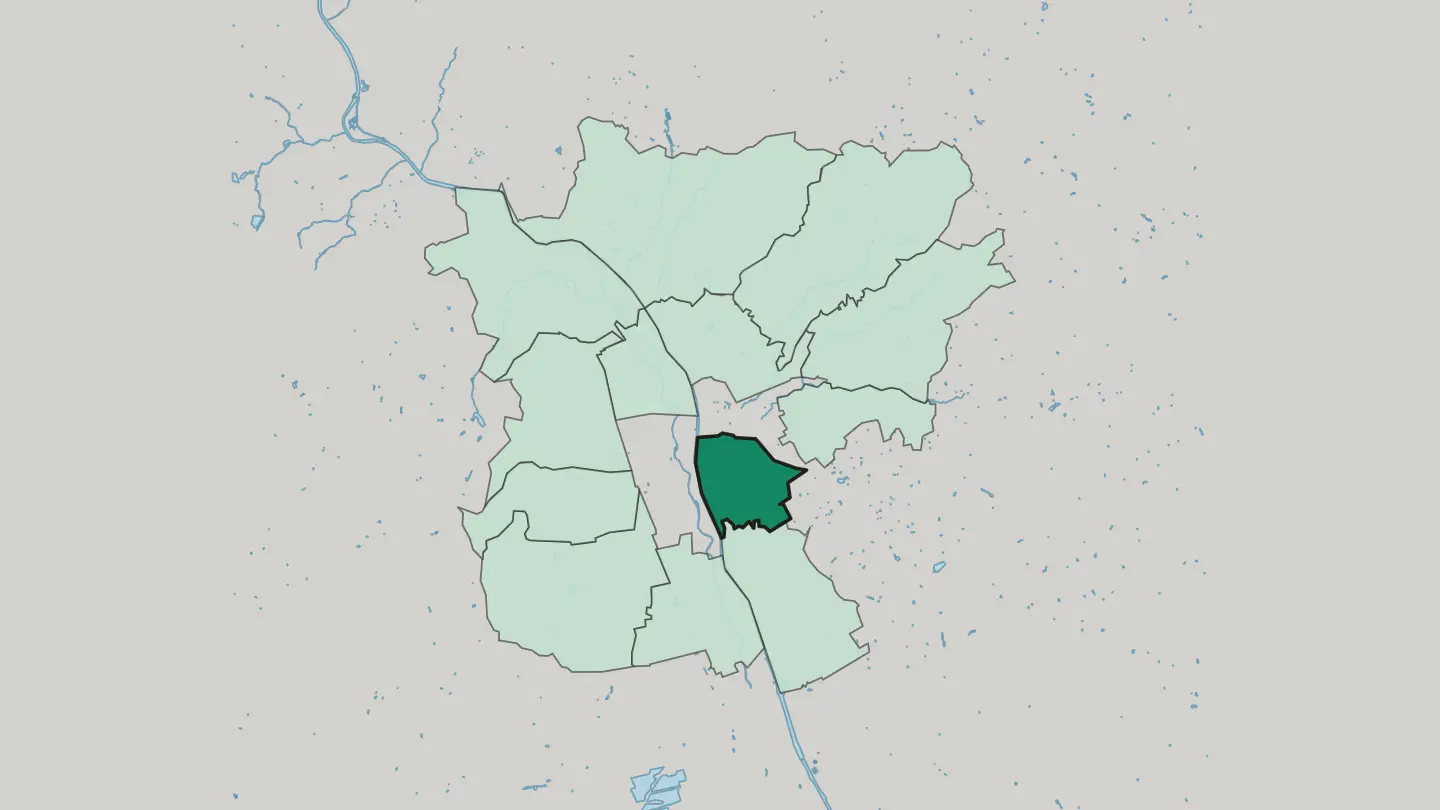
 GrazAustria
Waltendorf
Schloss Lustbühel and the Hallerschloss give Waltendorf its castles, and the Roseggerwarte stands in the same ninth district of Graz.Where to stay →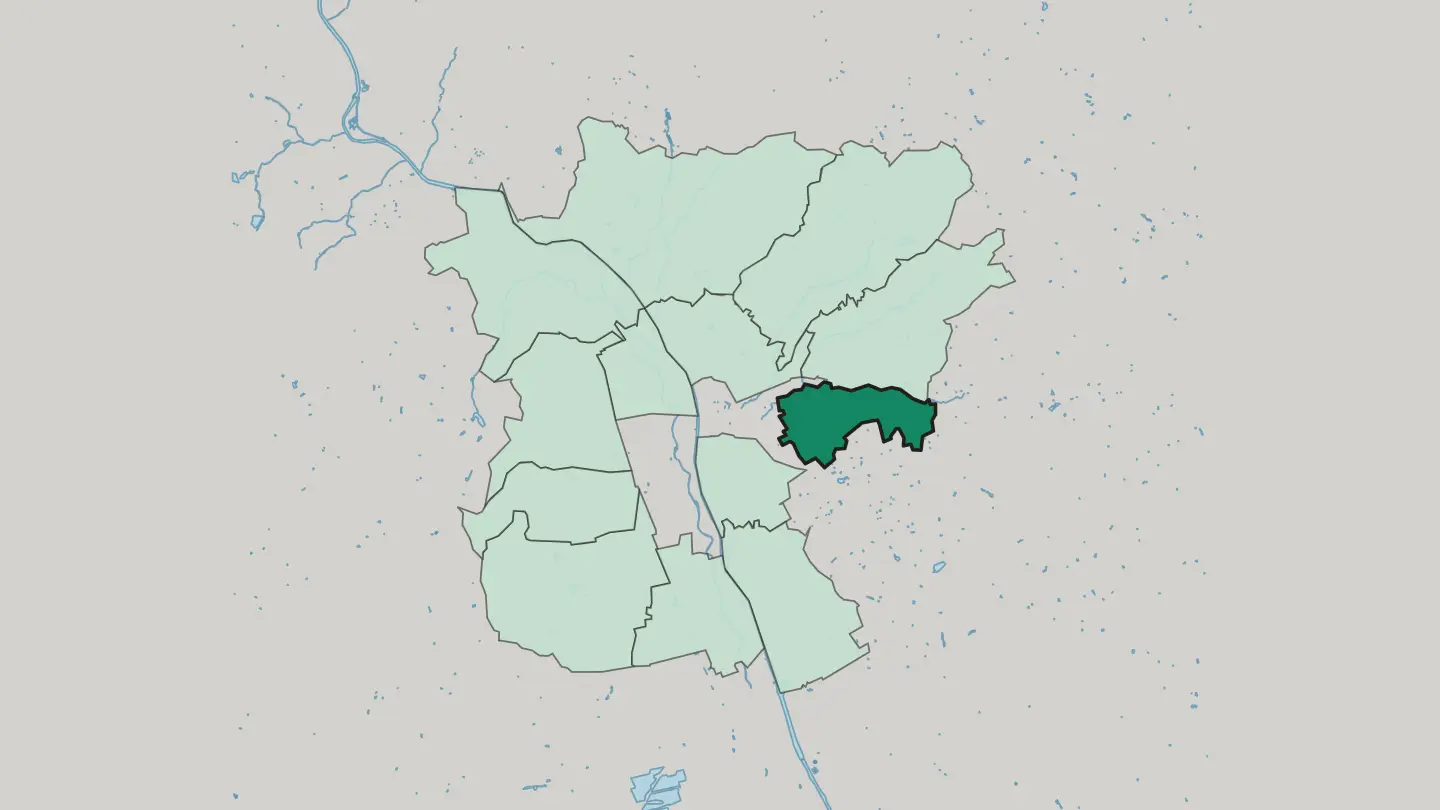 GrazAustria
Liebenau
Farms hold on in Liebenau, the seventh district of Graz, alongside shopping centres and the Magna Steyr car plant on the city's south-eastern edge.Where to stay →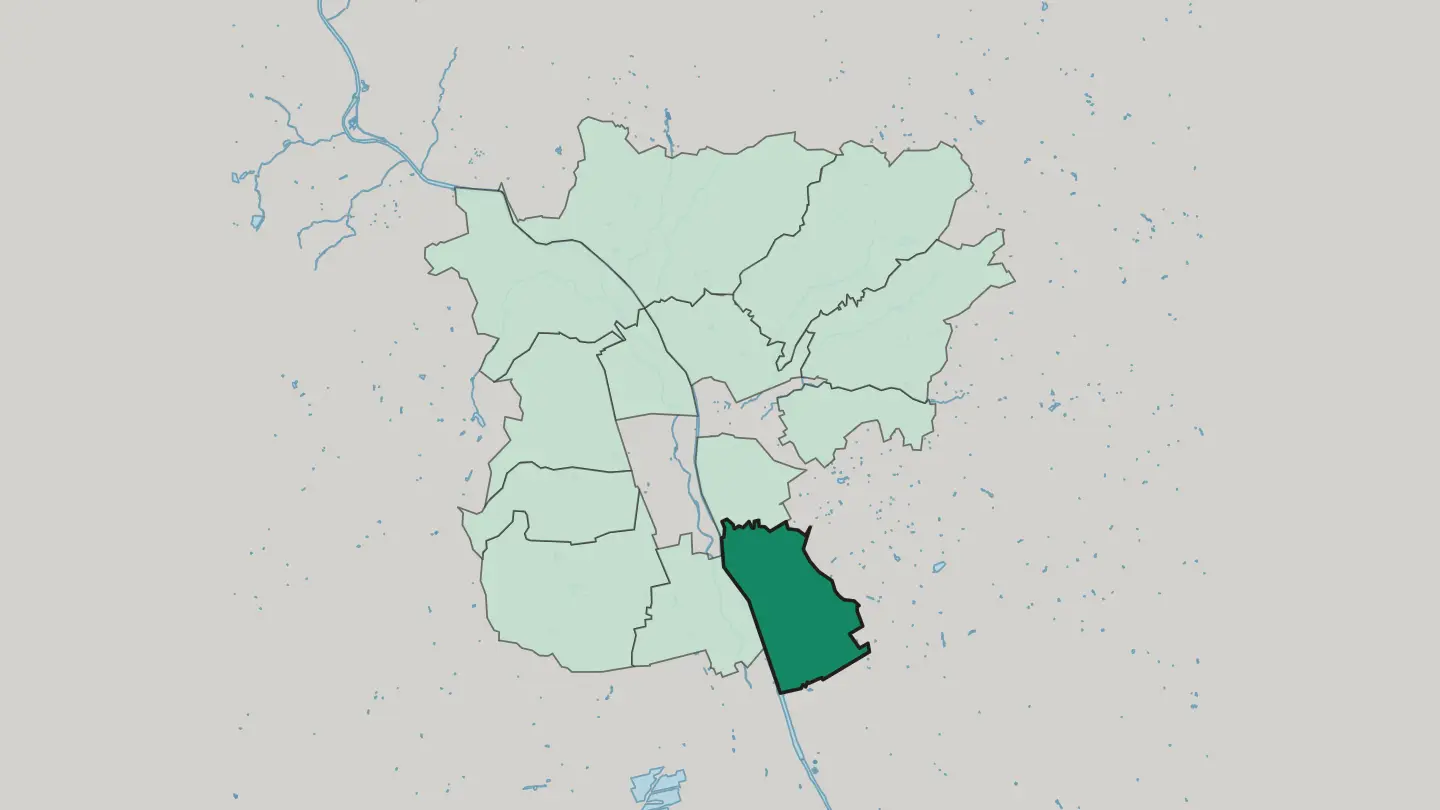
 GrazAustria
Wetzelsdorf
Wetzelsdorf gathers five churches into the fifteenth city district of Graz, among them the Christuskirche and the Allerheiligenkirche.Where to stay →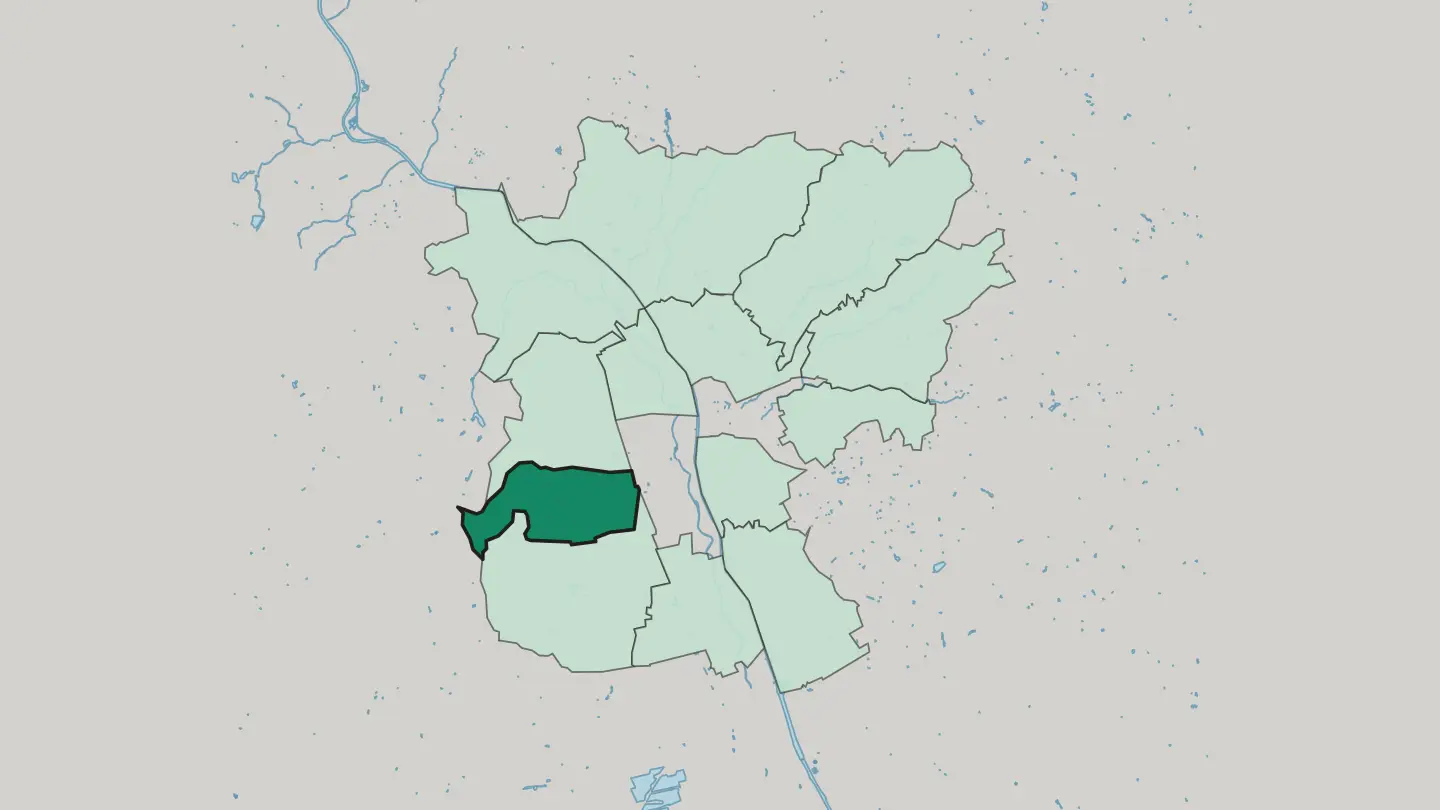 GrazAustria
Puntigam
Puntigam is the seventeenth district of Graz, a working quarter of Styria holding Saint Leopold III Church and the Church of the Holy Cross.Where to stay →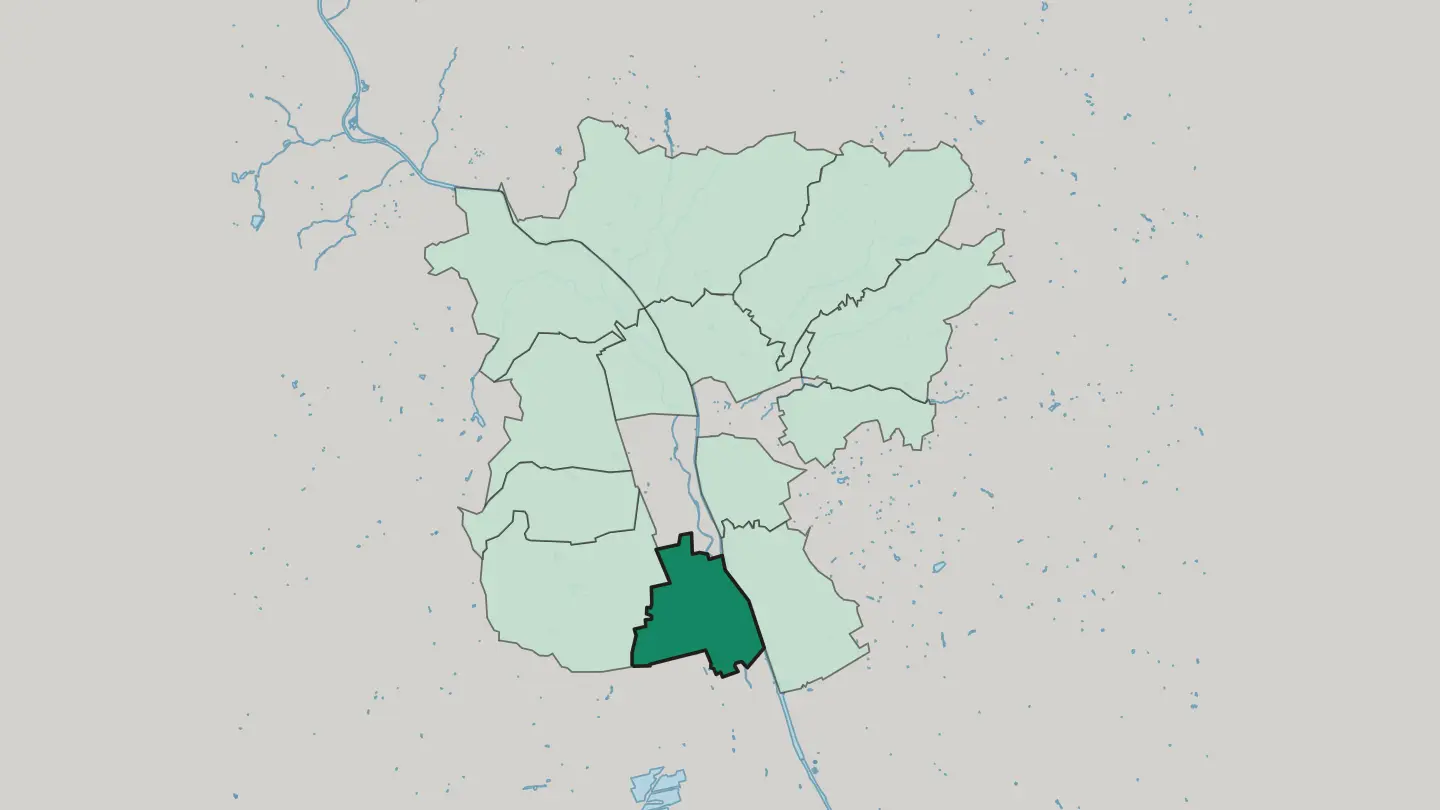
 GrazAustria
Ries
Ries, the tenth district of Graz, is named for the hill range within it and carries the Medical University of Graz on its ground.Where to stay →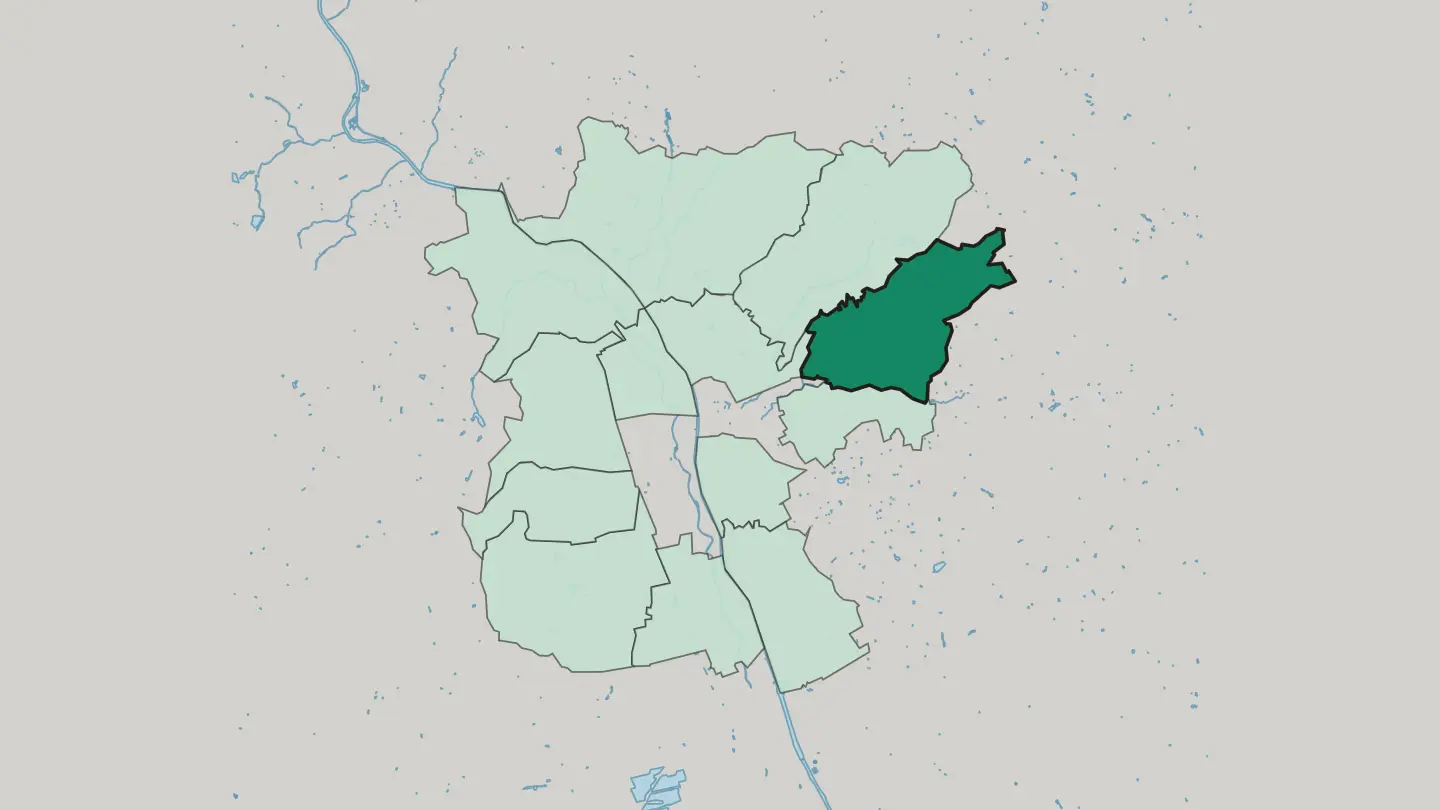
All neighbourhoods (19)
 GrazAustria
Andritz
Andritz is the twelfth district of Graz, a broad quarter at the city's northern limit with the Johanneskirche Graz-Andritz at its centre.Where to stay →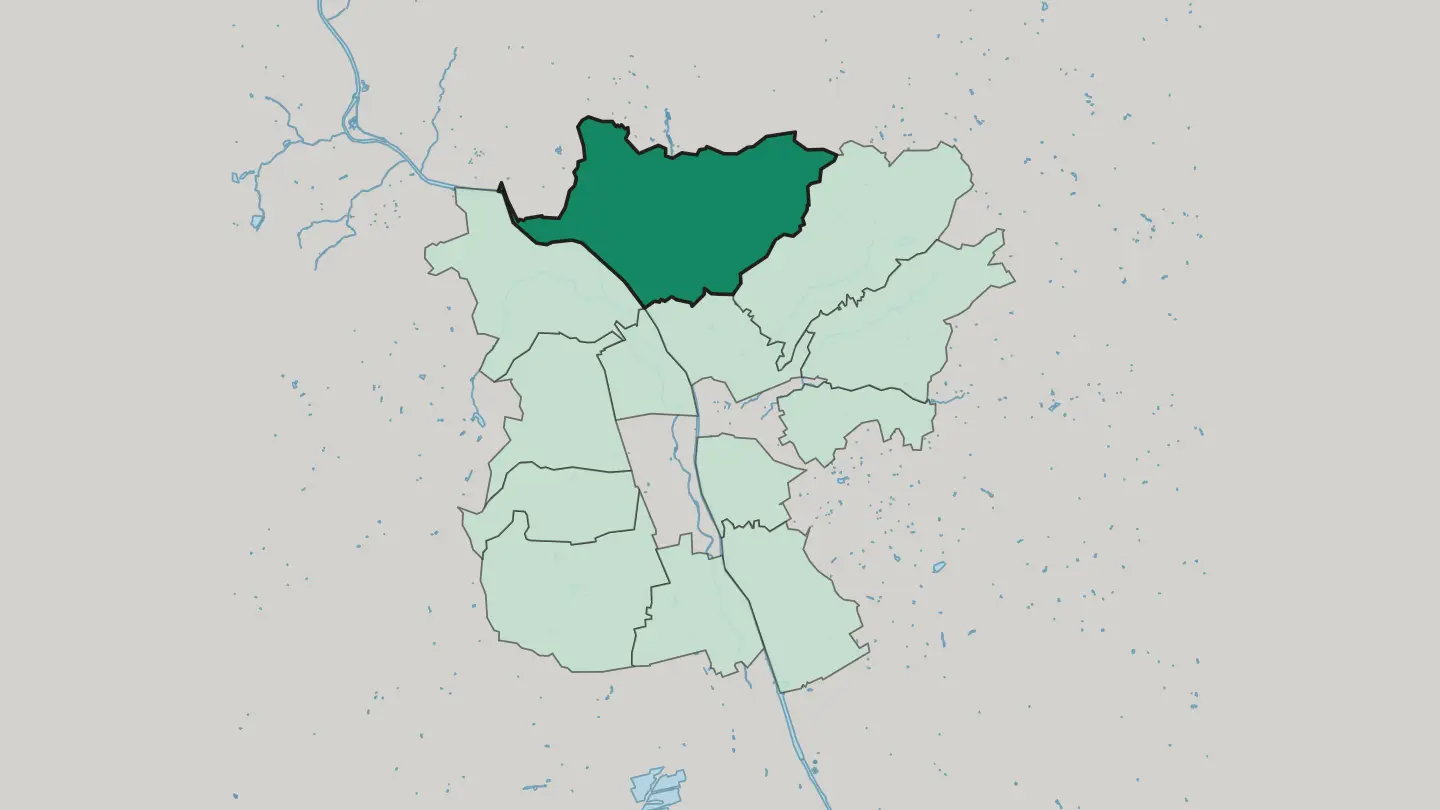
 GrazAustria
Gösting
Gösting fills the north-west corner of Graz, between the river Mur and the Plabutsch, under the ruins of Gösting Castle on the range above.Where to stay →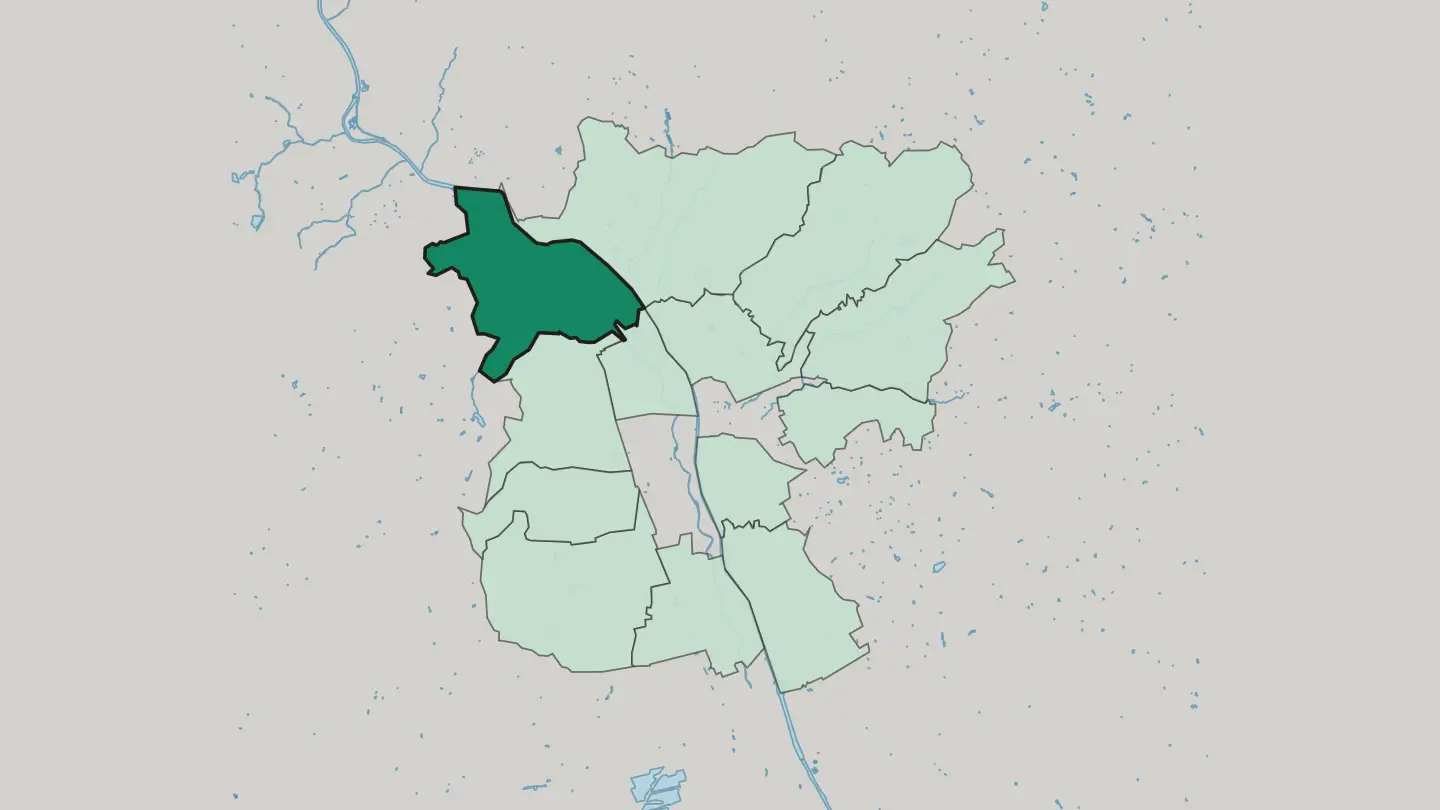
 GrazAustria
Straßgang
The Buchkogel and the Florianiberg rise over Straßgang, the sixteenth city district of Graz, where the Rupertikirche keeps its parish.Where to stay →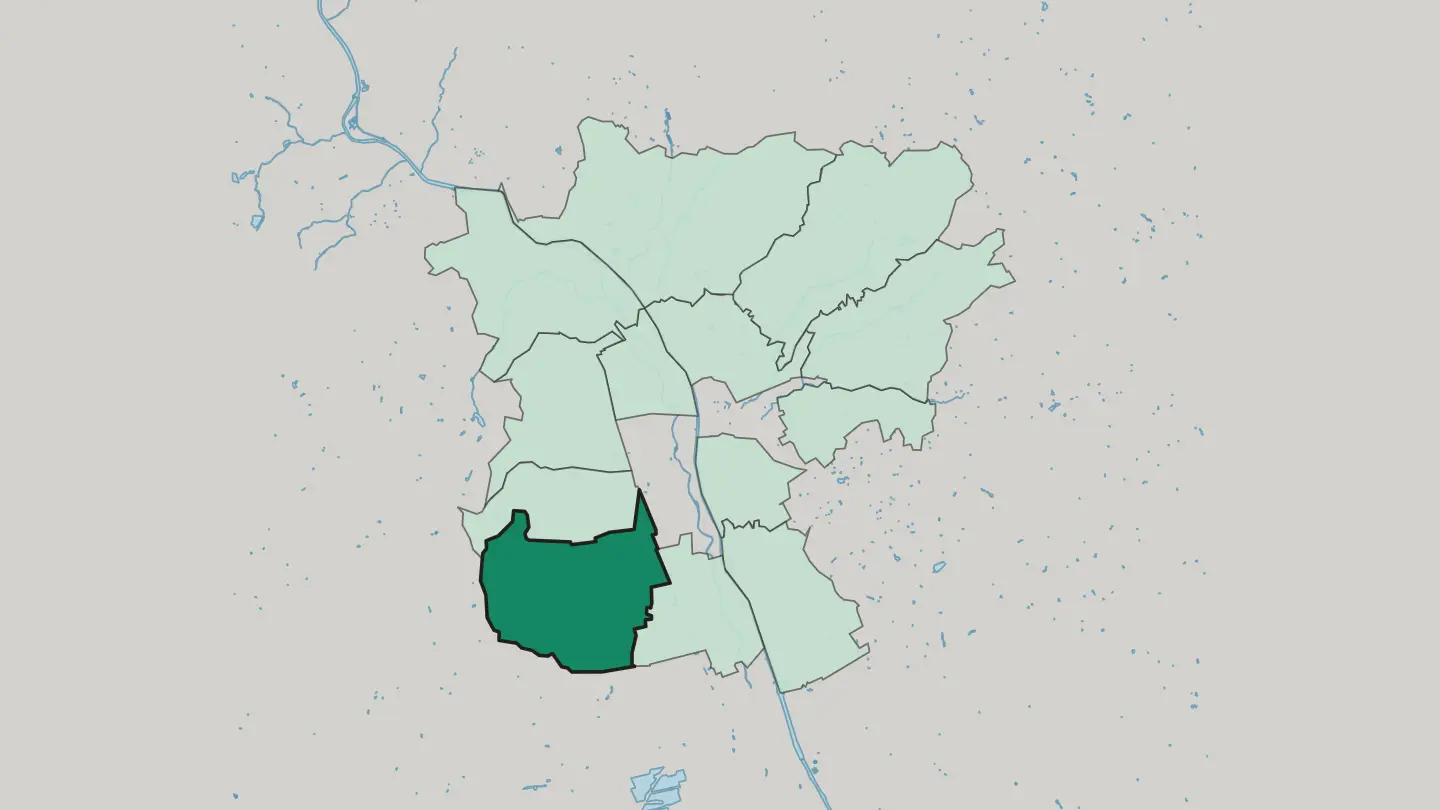
 GrazAustria
Mariatrost
Mariatrost Basilica gives the eleventh district of Graz its name, and the Graz Tramway Museum keeps the city's old cars a short way below.Where to stay →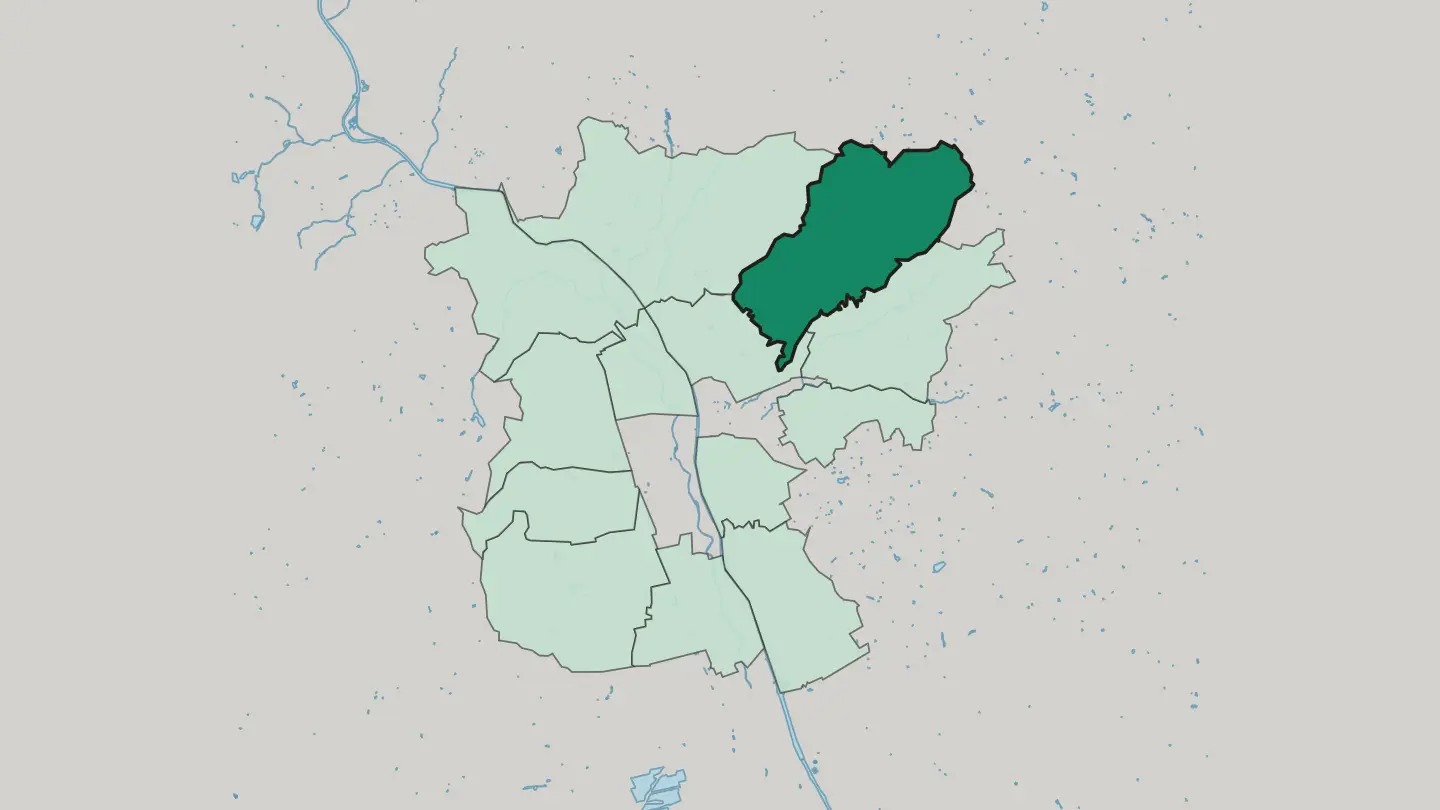
 GrazAustria
Wenisbuch
Wenisbuch is a district of Graz in Steiermark, and the Stephanienwarte stands as the quarter's one recorded landmark.Where to stay → GrazAustria
Weinzödl
Weinzödl is a quarter of Graz, holding the Christkönigskirche Raach and a prehistoric settlement site on the Kanzelkogel.Where to stay → GrazAustria
Raach
Raach is a district of Graz with two names on its record: the Christkönigskirche Raach and the Goldhannwarte.Where to stay →Hotel links are affiliate links: booking through them may earn us a commission, at no extra cost to you. It never affects how places are ranked. How this works
Things to do in Graz
Ranked by global recognition; descriptions from Wikidata (CC0).
Museums & Galleries
4- Styrian Armoury Heritage
- Palais Herberstein (Sackstraße), Graz Heritage
- Palais Khuenburg Heritage
- Altes Joanneum Heritage
Churches & Religious Sites
8- Graz Cathedral Heritage
- Mariatrost Basilica Heritage
- Katharinenkirche und Mausoleum, Graz Heritage
- Franciscan Church Heritage
- Stadtpfarrkirche, Graz Heritage
Show 3 more →
- Maria am Leech Heritage
- Stiegenkirche, Graz Heritage
- Heilandskirche, Graz Heritage
Castles & Historic Sites
5- Eggenberg Castle, Graz Heritage
- Castle of Graz Heritage
- Tegetthoffdenkmal, Graz Heritage
- Persönlichkeitsdenkmal Ivo Andric Heritage
- Prähistorische Siedlung am Kanzelkogel Heritage
Stadiums & Sports
1- Attention Badmintoncenter
worth knowingacross 4 categories in Graz
About Graz
What is Graz known for?
Graz is the capital of Styria and the second city of Austria, with an old town complete enough to carry a UNESCO listing alongside Eggenberg Castle. Armour fills one palace. The Styrian Armoury still holds the arsenal raised against Ottoman raids, the Kunsthaus Graz squats on the far bank as a blue glass creature among tiled roofs, and four universities keep the streets young.
What are the main landmarks in Graz?
Graz keeps its landmarks between a hill and a river. The Schlossberg carries what remains of the fortress and the clock tower the citizens bought back from Napoleon's engineers, while Graz Cathedral and the domed mausoleum beside the Katharinenkirche stand together at the foot of the slope. Armour is the real surprise.
The Styrian Armoury holds floor after floor of helmets, breastplates and pole arms, the Universalmuseum Joanneum runs the Neue Galerie and the Kunsthaus Graz between them, and Eggenberg Castle keeps its own park west of the centre.
What is the history of Graz?
Graz takes its name from a Slavic word for a small castle. A fort on the Schlossberg watched the crossing of the Mur, and the town below grew into the seat of the inner-Austrian Habsburgs, who ruled Styria, Carinthia and the lands toward the Adriatic from here. Ottoman raids shaped it.
The Styrian Armoury was built to hold weapons for the whole province against them, and it holds them yet, floor upon floor, because the province kept its arsenal when other cities emptied theirs. Johannes Kepler taught mathematics in the town school during those same years. Ferdinand II was born in Graz and raised the mausoleum that stands beside the cathedral, and once the court had moved to Vienna the place settled into the part of a provincial capital with good schools and cheap rooms.
Napoleon's army took the hill in 1809 and blew the fortress up. The townspeople paid to save the clock tower and the bell tower, which is why the pair still stand on an otherwise cleared summit. Industry, four universities and a stubborn conservation policy did the rest, and the old town survived complete enough for a UNESCO listing.
Where is Graz?
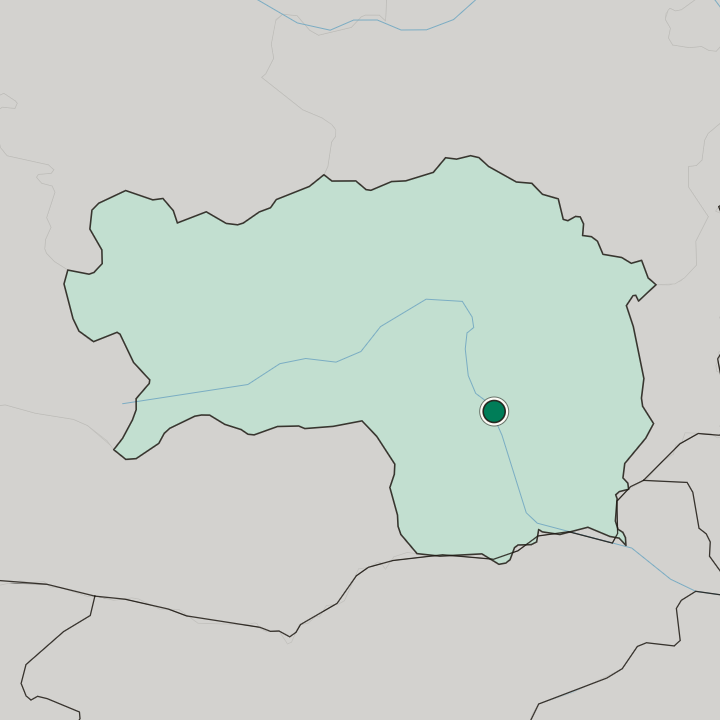
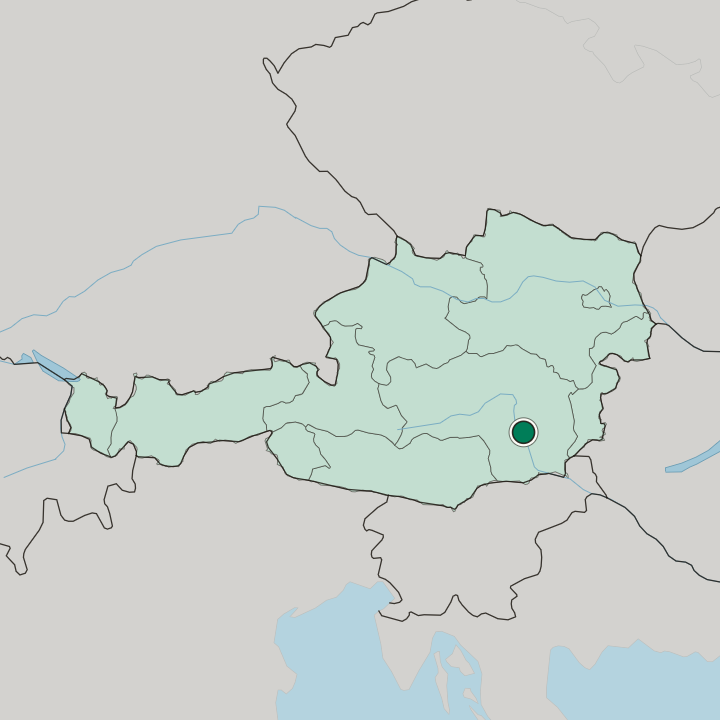
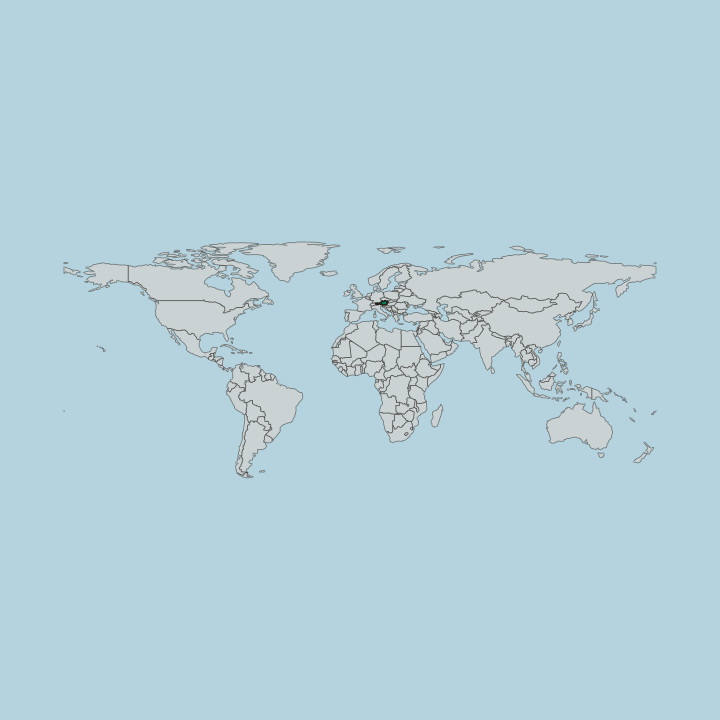
Graz lies on the Mur where the eastern Alps break down into open country. The Schlossberg and the Plabutsch stand as wooded knots inside and beside the built-up area, and the river runs from north to south through the middle, holding the old town apart from Lend and Gries. Hills close the north.
Southward the valley widens into the Styrian basin, vineyard and orchard country running on toward the Slovenian border.
What is the climate of Graz?
Graz sits in the lee of the Alps and takes its warmth from the south. Mediterranean air reaches this basin more easily than the cold that stalls behind the mountains, so summers run long and hot enough to ripen the vineyards below the city, and autumn can hold clear for weeks together. Winter inverts the order.
Cold air settles on the valley floor under the Schlossberg and grey fog sits there for days while the wooded hills above stand in full sun.
How do you get to Graz?
Graz Hauptbahnhof stands west of the Mur, a short tram ride from the Hauptplatz. The line north to Vienna climbs the Semmering, an alpine railway of tunnels and viaducts, while trains south run through to Maribor and Ljubljana. An airport sits down the valley.
Motorways follow the same corridor, north over the passes and south to the Slovenian border, and inside the city the tram network does the work.
Common questions
What is the best area to stay in Graz?
Innere Stadt: Old-town lanes under the Schlossberg. Lend: Market mornings on the Lendplatz and late bars. Geidorf: Gründerzeit streets by the university buildings. Eggenberg: Mornings in the castle park among the peacocks.
Good for
Updated October 2026