Austria
Steiermark, Austria — Towns & Travel Guide
Steiermark is Austria's forested southeastern state, its wooded hills and alpine north gathered around Graz on the Mur.
Hotel links are affiliate links: booking through them may earn us a commission, at no extra cost to you. It never affects how places are ranked. How this works


Towns & cities in Steiermark
One town here has its own guide — it links to where to stay.

 Austria
Graz
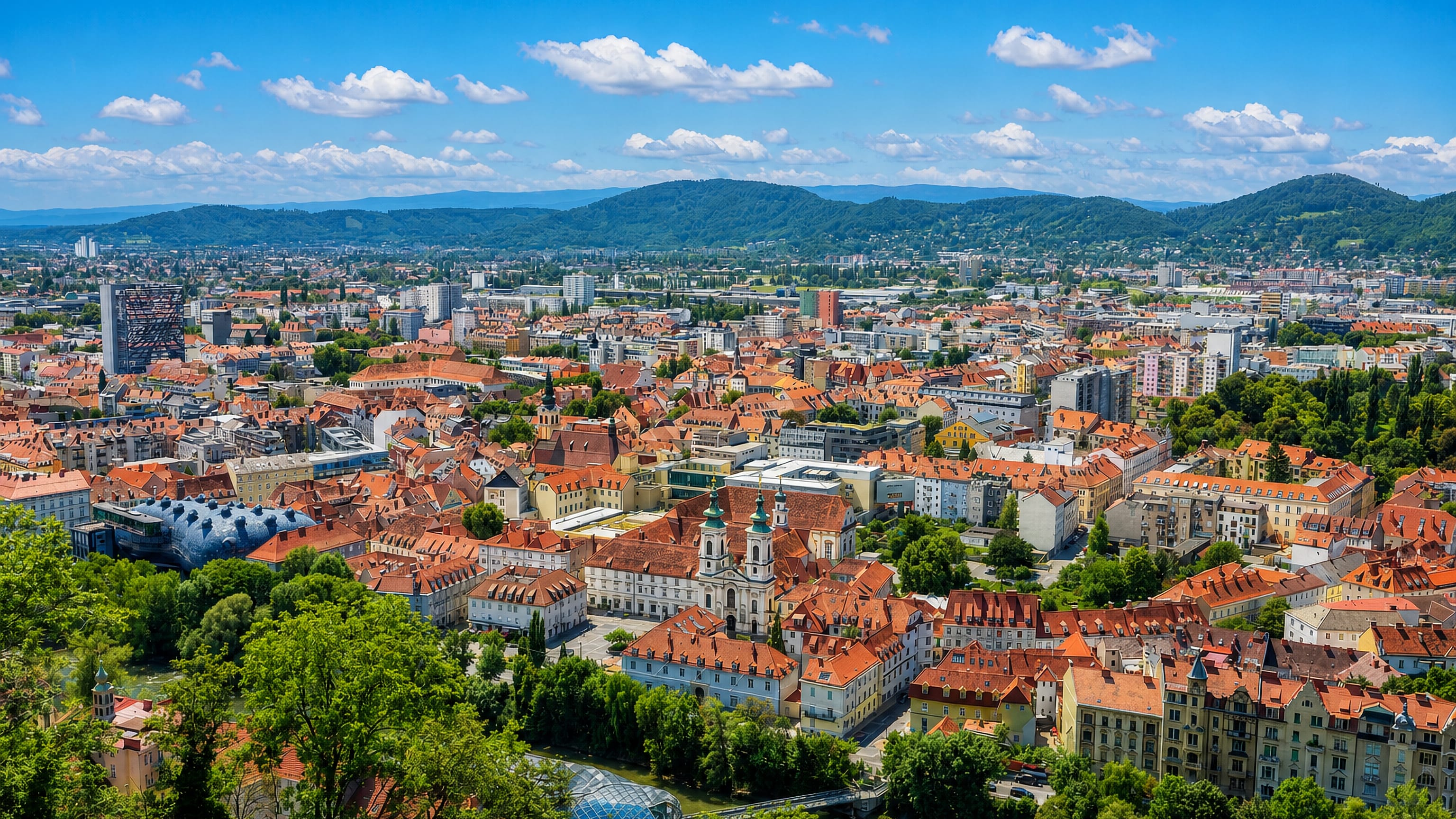
Red roofs climb the Schlossberg above Graz, capital of Styria on the Mur, an Austrian city with a UNESCO old town and a warm southern light.Where to stay →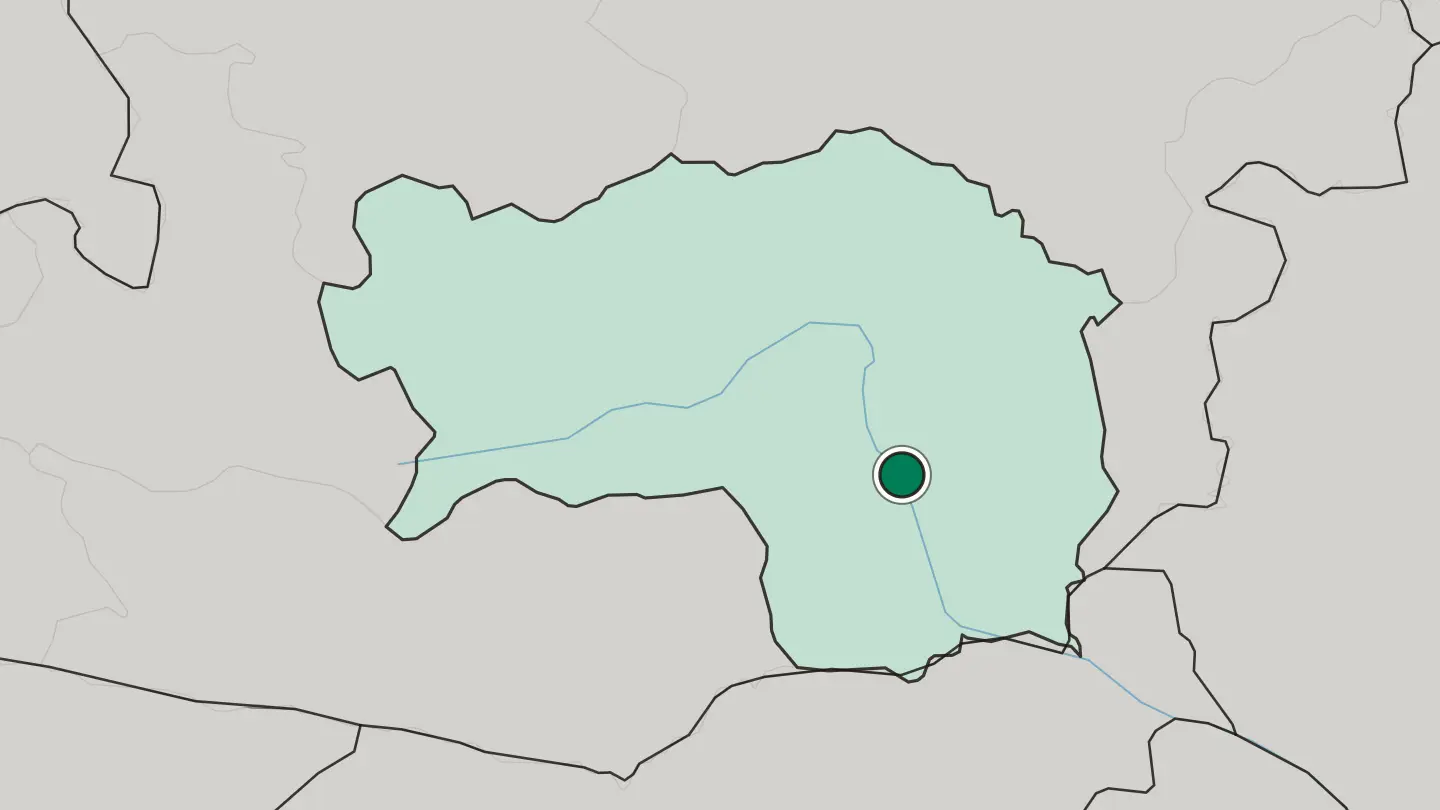
Hotel links are affiliate links: booking through them may earn us a commission, at no extra cost to you. It never affects how places are ranked. How this works
About Steiermark
Austrians call Steiermark the green heart of the country.
What is Steiermark known for?
Its forests run deepest of any state. Graz anchors the south, the second-largest city in Austria, stacked with red-tiled roofs above the Mur. North and west the land climbs into the limestone ranges around the Dachstein, where Schladming runs one of Austria's largest ski areas each winter.
South and east it softens into vineyard hills and thermal-spring spas. Wine and warm water draw as many.
Where is Steiermark?
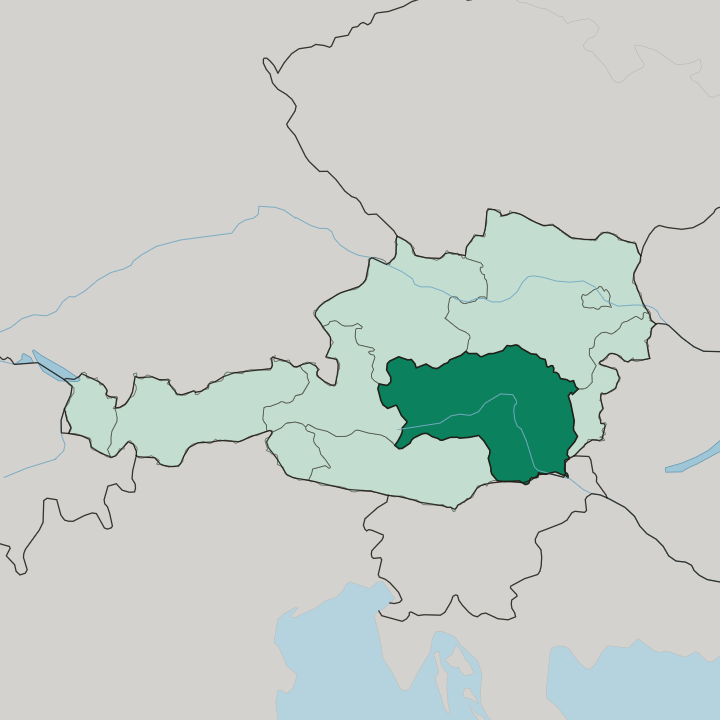
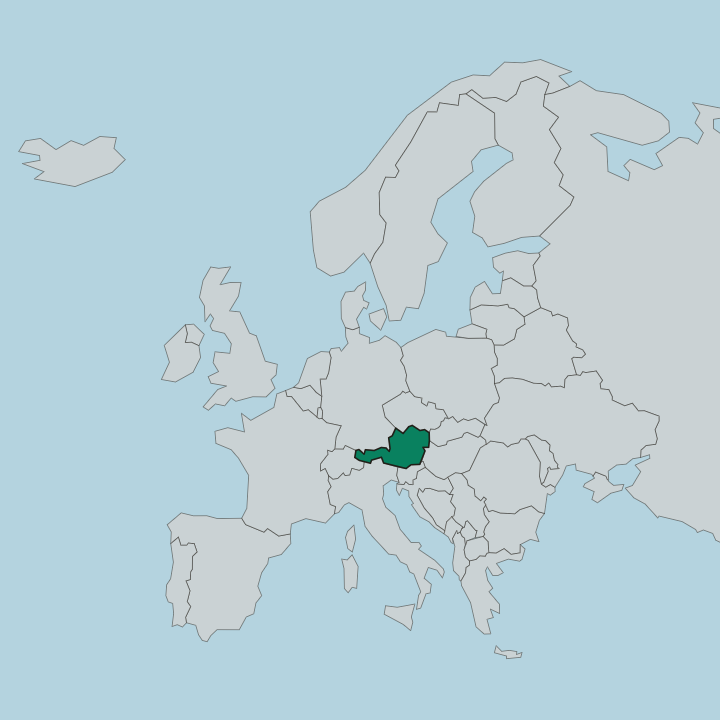
Steiermark fills the southeast of Austria, the second-largest of the country's states by area after Lower Austria. Its one foreign border runs along the south, where the land meets Slovenia. Everywhere else it touches home ground. Carinthia, Salzburg, Upper Austria, Lower Austria and Burgenland ring it clockwise from the southwest, five Austrian states hemming it in on every side but the Slovenian one.
The state divides cleanly by relief. Its north and northwest, called Obersteiermark, is mountain country, folded into the Northern Limestone Alps and the Central Eastern Alps, with the Dachstein massif rising highest of all. Four rivers cut the valleys that thread through those ranges: the Mur, the Mürz, the Enns and the Salza.
The Mur is the spine. It gathers in the northern mountains, bends through Graz, and carries on south toward the Slovenian frontier. Around Graz the mountains give way to the flat Graz basin.
South and east of the city the country settles into low vineyard hills, orchard land and the thermal-spring belt. That drop from glacier to grapevine, all inside one state, is what gives Steiermark its shape.
What is Steiermark like?
Steiermark trades on its own greenness. Forest covers more of it than any other Austrian state, and the green-heart label turns up on everything from tourist posters to the state's own coat of arms. That identity is rural before it is urban.
Vineyards on the southern hills produce Sauvignon Blanc and the pink Schilcher pressed from the local Blauer Wildbacher grape, a wine grown almost nowhere else. Pumpkin-seed oil, dark and nutty, is pressed here too and drizzled over half the region's cooking. The old nicknames tell the rest.
Steirer speak of the Green March for the woods and of the Iron Margraviate for a long history of mining and metalwork in the northern valleys. Graz carries the culture that is not agricultural. Its old town, a dense weave of Renaissance courtyards and Baroque facades, is protected as a World Heritage site, and its universities keep it young.
The Habsburg Archduke Johann made himself a Styrian in the nineteenth century, planting experimental vineyards and championing the region's farmers and winemakers. His mark still shows in the wine roads. The mix of vine country, iron country and one old university city is the whole of it.
What is the history of Steiermark?
Steiermark grew out of a frontier march on the empire's southeastern edge, raised to the Duchy of Styria in 1180. Twelve years on, the Georgenberg Pact of 1192 handed it to the Babenberg dukes and bound its fortunes to Austria for good. Under the Habsburgs it anchored Inner Austria, governed from Graz alongside Carinthia and Carniola.
Then the map shrank. After the First World War the old Lower Styria, the Slovene-speaking south, passed to what became Slovenia, and the border settled along the line it still follows.
What is the climate of Steiermark?
Steiermark keeps two climates in one state. The alpine north, up around the Dachstein and the Enns valley, is cold and snowbound in winter, which is what feeds the Schladming ski season. Graz sits differently.
Its basin opens only to the south, so warm air drifts up from the Mediterranean and the city catches more sunshine and less wind than most of Austria. That southern warmth is why vineyards and thermal spas thrive on the hills below Graz rather than in the mountains above it.
How do you get to Steiermark?
Most travellers reach Steiermark through Graz. The city has its own airport, though many fly into Vienna and ride the train south through the mountains instead. Rail lines climb over the passes from the capital and drop into the Mur valley at Graz.
For the northern ski towns, the Enns-valley line runs west to Schladming under the Dachstein. Roads from Slovenia cross the southern border into the wine hills.
Good for
More regions in Austria
Updated September 2026