Austria · Wien · Vienna
Gumpendorf, Vienna — Area Guide & Where to Stay
Gumpendorf is one of Vienna's oldest suburbs, a village on the Wien that grew into a Vorstadt, now the western part of the sixth district, Mariahilf.
Hotel links are affiliate links: booking through them may earn us a commission, at no extra cost to you. It never affects how places are ranked. How this works


Where to stay in Gumpendorf
Where the beds are, and what that means for the visit.
The Mariahilfer Straße is the northern edge. A room in Gumpendorf puts that shopping street, the Gumpendorfer Straße and the Raimundtheater within a walk, and the Innere Stadt is a short ride east. Transport is the strong point.
The elevated station on the Gumpendorfer Straße opened with the Gürtel line of the Stadtbahn in 1898 and carries the U6, which puts the western districts within easy reach. Much of the quarter is under building protection.
About Gumpendorf
What are the main landmarks in Gumpendorf?
The Gumpendorf parish church stands on a Roman foundation. A watchtower guarded the road crossing of the Wien river where the Nevillebrücke now runs, and Ulrich II von Kapellen turned that tower into a church in 1293 by raising it and building a house against it. Rebuilding began in 1765.
Joseph Haydn was blessed in the church on 1 June 1809, the day after he died at his house on the Windmühle, and Archbishop Siegmund Graf Hohenwart consecrated the finished building on 1 May 1820. Josef Klieber cut the high altar. The Biedermeier sculptor did much of the interior, and the Aegidigasse has carried the church's dedication in its name since 1852.
What is the history of Gumpendorf?
Gumpendorf grew up around the year 1000 along an old Roman road. Its line survives partly in the Gumpendorfer Straße, which crossed the Wien river where the Nevillebrücke stands, and the first documentary mention of the place comes in 1130. The name is a puddle.
Gumpe meant a pool, and the unregulated river left pools and dead side arms behind it whenever it flooded, which is where the word came from. Babenberg hunters used the southern floodplain in the twelfth century. The first Turkish siege destroyed the village outright in 1529, Sigmund Muschinger bought it in 1540 and rebuilt the castle, and his family held it until his great-grandson Vinzenz died in 1628.
Ownership passed on. The Mollard family came next and a run of landlords after them, until the commune of Vienna bought the estate in 1798, by which time the second siege of 1683 had wrecked the village and its vineyards again. The Linienwall of 1704 gave better cover.
Nobles built summer houses here through the eighteenth century, industry crowded in through the nineteenth, and Vienna took Gumpendorf in 1850 with Mariahilf, Windmühle, Magdalenengrund and Laimgrube.
Where is Gumpendorf?
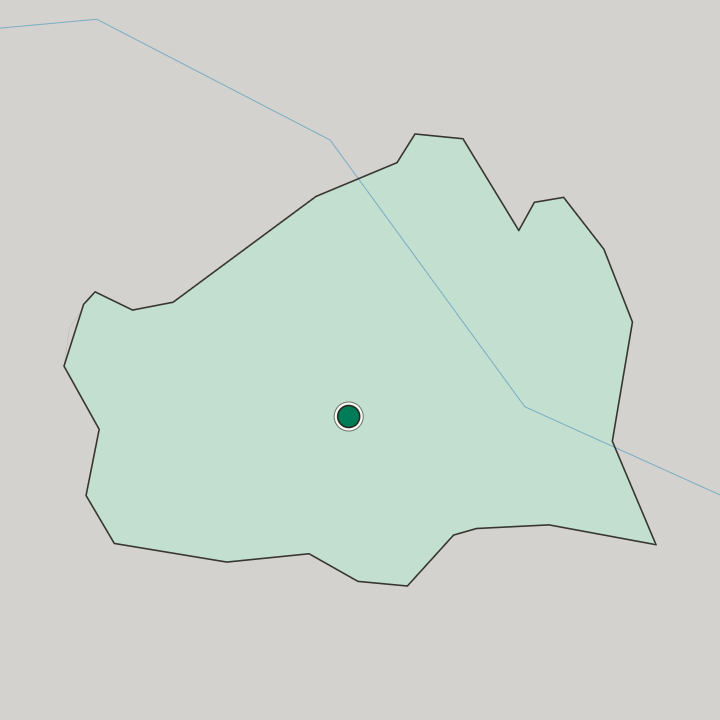
Gumpendorf takes the western part of Mariahilf in Vienna, bounded by the Mariahilfer Straße to the north, the Wien river to the south, and the Mariahilfer and Gumpendorfer Gürtel to the west.
Good for
More areas in Vienna
Updated September 2026