Bosnia and Herzegovina · Federation of Bosnia and Herzegovina
Where to Stay in Bihać, Federation of Bosnia and Herzegovina
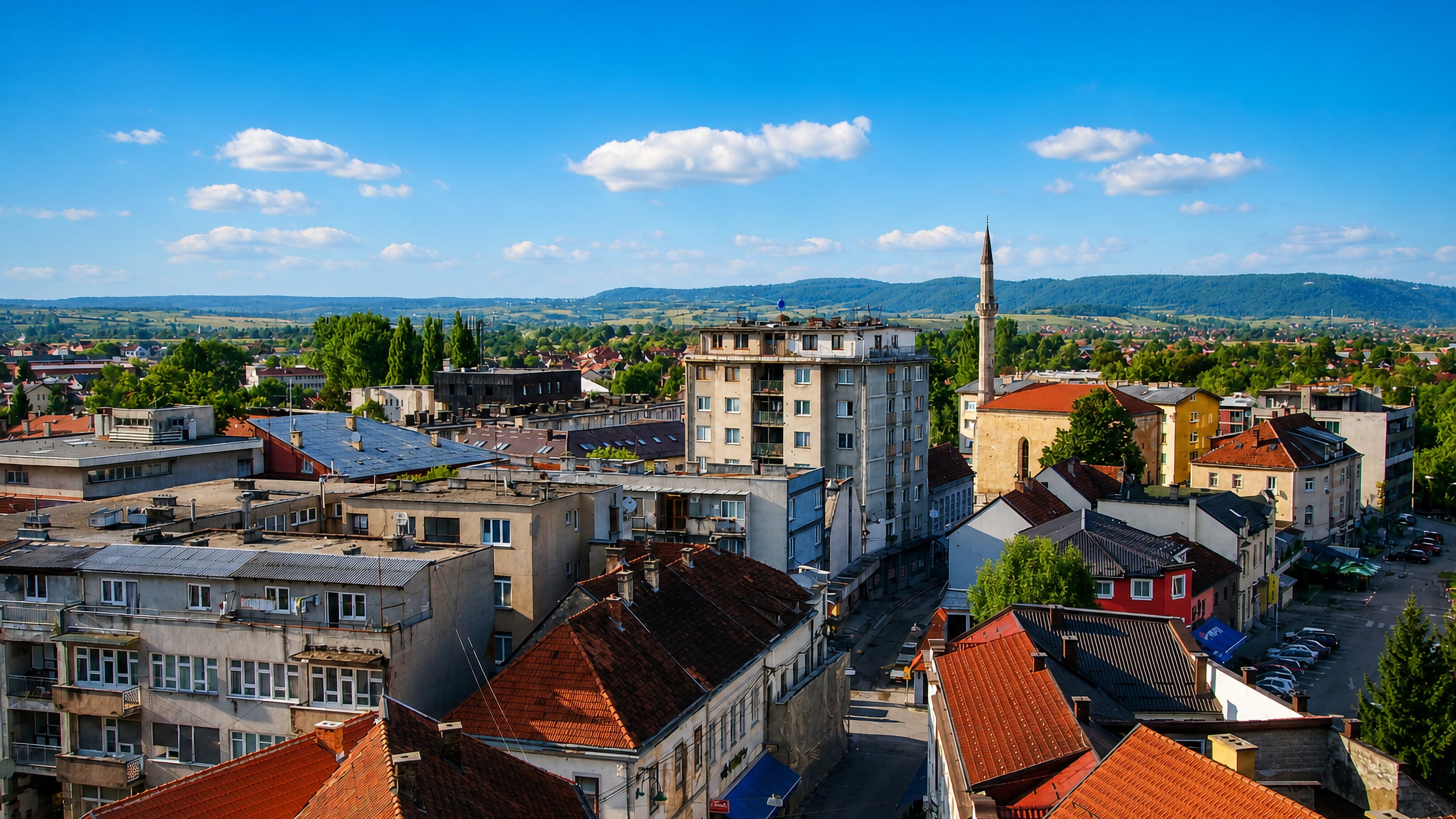
Bihać stands on the banks of the Una in northwestern Bosnia and Herzegovina, the administrative centre of Una-Sana Canton.
Hotel links are affiliate links: booking through them may earn us a commission, at no extra cost to you. It never affects how places are ranked. How this works


Where to stay in Bihać
Where visitors usually base themselves, and why.
The Una decides more than anything else about a stay in Bihać, because the city is built along its banks and the older streets never get far from the water. Fethija mosque marks the core. Around it the Turbe Mausoleum and Bihaćka Kula stand on the same few blocks, which makes that quarter the shortest-walk option for anyone who came to look at the old stone rather than to drive.
A riverside room is the alternative, and it trades the immediate landmarks for water in the window. The two are close. Further out, the streets around Crkva sv.
Antuna Padovanskog u Bišću are quieter and cheaper on foot traffic, still within the built-up city but off the line that visitors walk. The outer edge towards the border with Croatia is a different calculation: it suits a crossing planned for early in the morning and suits very little else, since everything worth a walk in Bihać sits back by the river. Beds outside the centre thin quickly.
For a first stay, take the ground between Fethija mosque and the Una and let the rest of Una-Sana Canton be a day trip.
Find hotels in Bihać
Direct booking searches for these neighbourhoods.
The old core around Fethija mosque
The oldest built ground of Bihać, where Fethija mosque, the Turbe Mausoleum and Bihaćka Kula share a handful of blocks.Find hotels in The old core around Fethija mosquea window over the UnaThe banks of the Una
The riverside strip Bihać grew along, close enough to the old core to walk in but facing water instead of stone.Find hotels in The banks of the Unaa quieter base off the visitor lineAround Crkva sv. Antuna Padovanskog u Bišću
The streets by Crkva sv. Antuna Padovanskog u Bišću, inside the city but away from the mosque and the tower.Find hotels in Around Crkva sv. Antuna Padovanskog u Bišćuan early crossing into CroatiaThe edge towards the Croatian border
The outer margin of Bihać on the Croatia side, chosen for the timing of a border crossing rather than for anything in walking range. Few places to stay nearby — book ahead.Find hotels in The edge towards the Croatian borderHotel links are affiliate links: booking through them may earn us a commission, at no extra cost to you. It never affects how places are ranked. How this works
About Bihać
The Una runs through it.
What is Bihać known for?
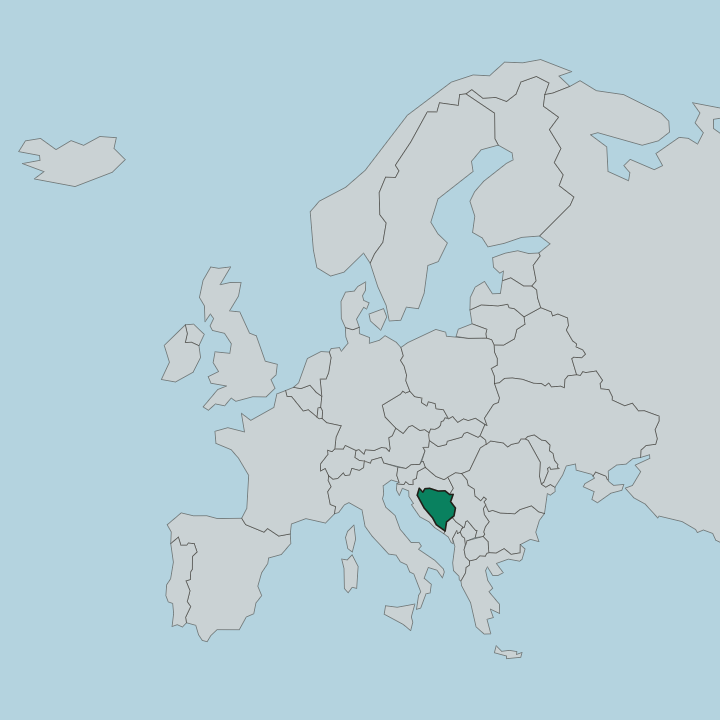
Bihać is the administrative centre of Una-Sana Canton, set in the Bosanska Krajina region of northwestern Bosnia and Herzegovina, with the border with Croatia not far off. Fethija mosque, the Turbe Mausoleum and Bihaćka Kula give the old core its stone. The Federation of Bosnia and Herzegovina is the entity it sits within.
What are the main landmarks in Bihać?
Fethija mosque is the name most often given first. The Turbe Mausoleum and Bihaćka Kula belong to the same old core, three pieces of stone within a short walk of the Una, and together they carry most of what is left of the early town. Crkva sv.
Antuna Padovanskog u Bišću adds the church of St Anthony of Padua to that list. Garavice is different. The ground there is kept as a memorial, and it belongs to the record of Bihać rather than to any list of sights.
What is the history of Bihać?
The Una came first and fixed the site. Everything the town has built since stands within reach of those banks, which is why the oldest structures of Bihać are grouped rather than scattered. The names on them come from more than one tradition: Fethija mosque and the Turbe Mausoleum on one side, Crkva sv.
Antuna Padovanskog u Bišću on another, with Bihaćka Kula older in look than either and belonging to neither. A town on a river near a frontier collects that kind of list. Garavice is kept as a memorial, and it is part of the record of the city rather than an attraction within it.
The administrative frame is recent by comparison. Bihać is the administrative centre of Una-Sana Canton, which sits inside the Federation of Bosnia and Herzegovina, itself an entity of the state of Bosnia and Herzegovina, and the Bosanska Krajina is the older regional name for the same country. The border with Croatia has stayed close through every one of those arrangements, near enough that the road out has always been short.
Where is Bihać?
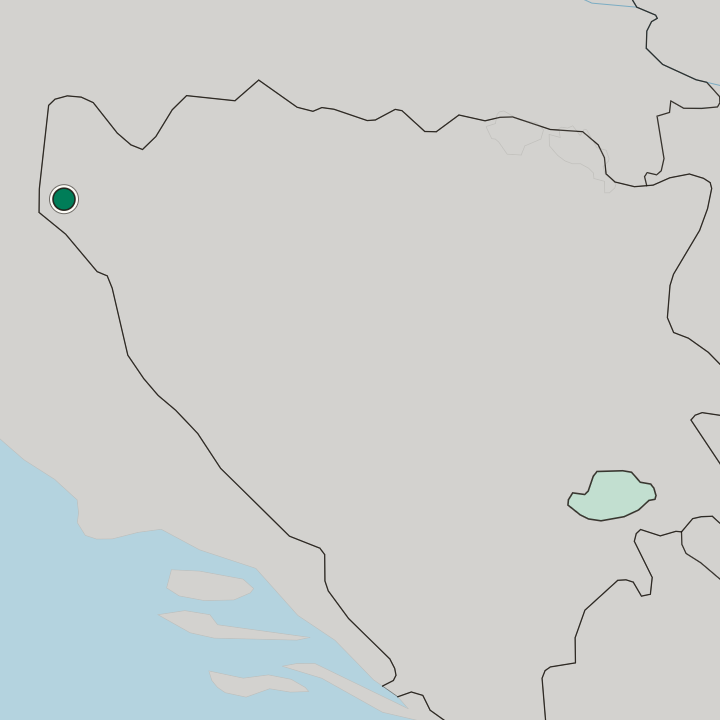
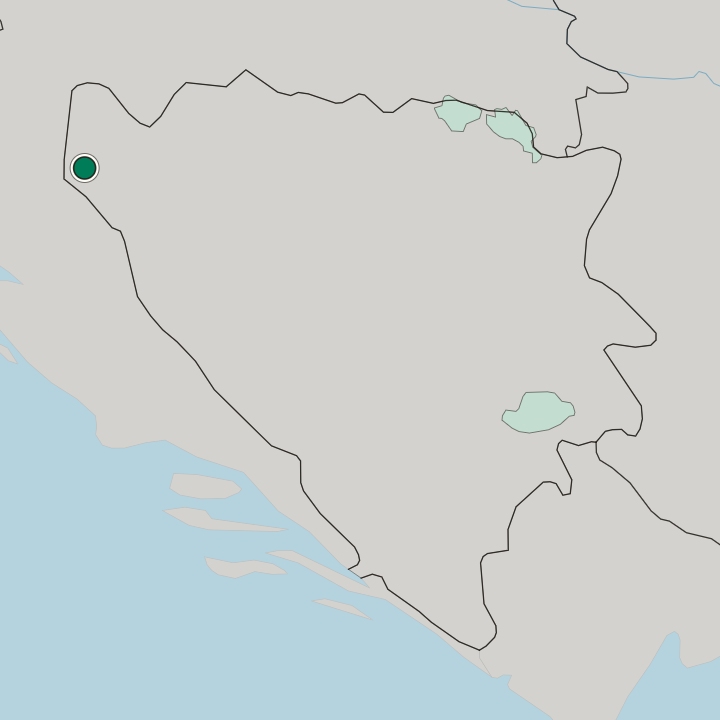
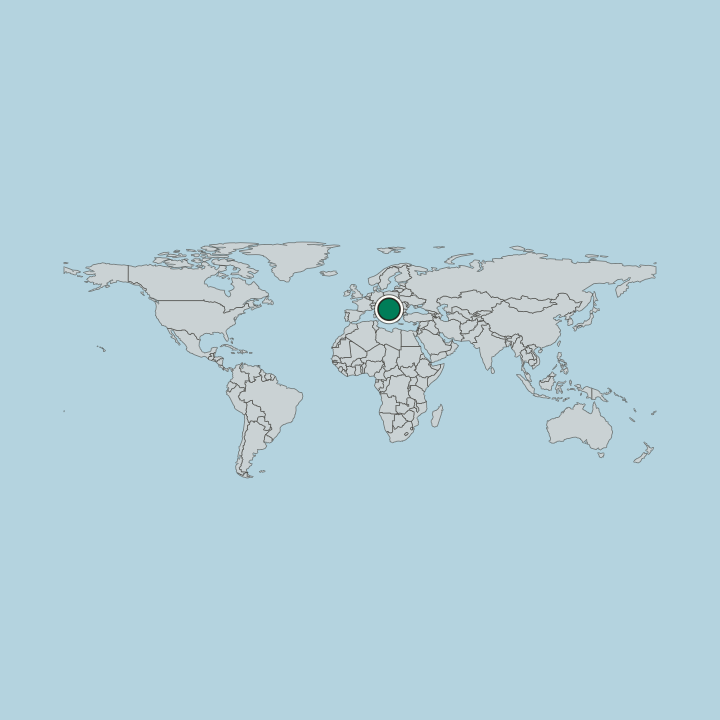
The city lies on the banks of the Una in northwestern Bosnia and Herzegovina, in the Bosanska Krajina region, close to the border with Croatia. Una-Sana Canton takes its name from two rivers and Bihać is its administrative centre. The river is the axis.
Streets follow the water rather than any grid drawn on flat ground, and the built-up area keeps to the valley instead of spreading evenly around it.
What is the climate of Bihać?
Seasons follow the northern calendar, and the temperate band gives Bihać a full winter as well as a full summer. The Una sets the local terms. River valleys hold their morning mist longer than open ground.
Bosanska Krajina lies inland, so the moderating effect of any large body of water reaches the canton weakly, and the swing between the ends of the year is the swing of an interior rather than a coast.
How do you get to Bihać?
Arrivals are overland, up the valley of the Una. The border with Croatia is close, which makes Bihać a common first or last stop for anyone crossing between the two countries, and the same closeness puts the city within a short run of the frontier roads. Una-Sana Canton administers from here.
Traffic from the rest of the Federation of Bosnia and Herzegovina comes the other way, across the interior of Bosanska Krajina.
Common questions
What is the best area to stay in Bihać?
The old core around Fethija mosque: walking between Fethija mosque and Bihaćka Kula. The banks of the Una: a window over the Una. Around Crkva sv. Antuna Padovanskog u Bišću: a quieter base off the visitor line. The edge towards the Croatian border: an early crossing into Croatia.
Good for
More cities in Federation of Bosnia and Herzegovina
Updated September 2026