Bosnia and Herzegovina · Federation of Bosnia and Herzegovina
Where to Stay in Zenica, Federation of Bosnia and Herzegovina
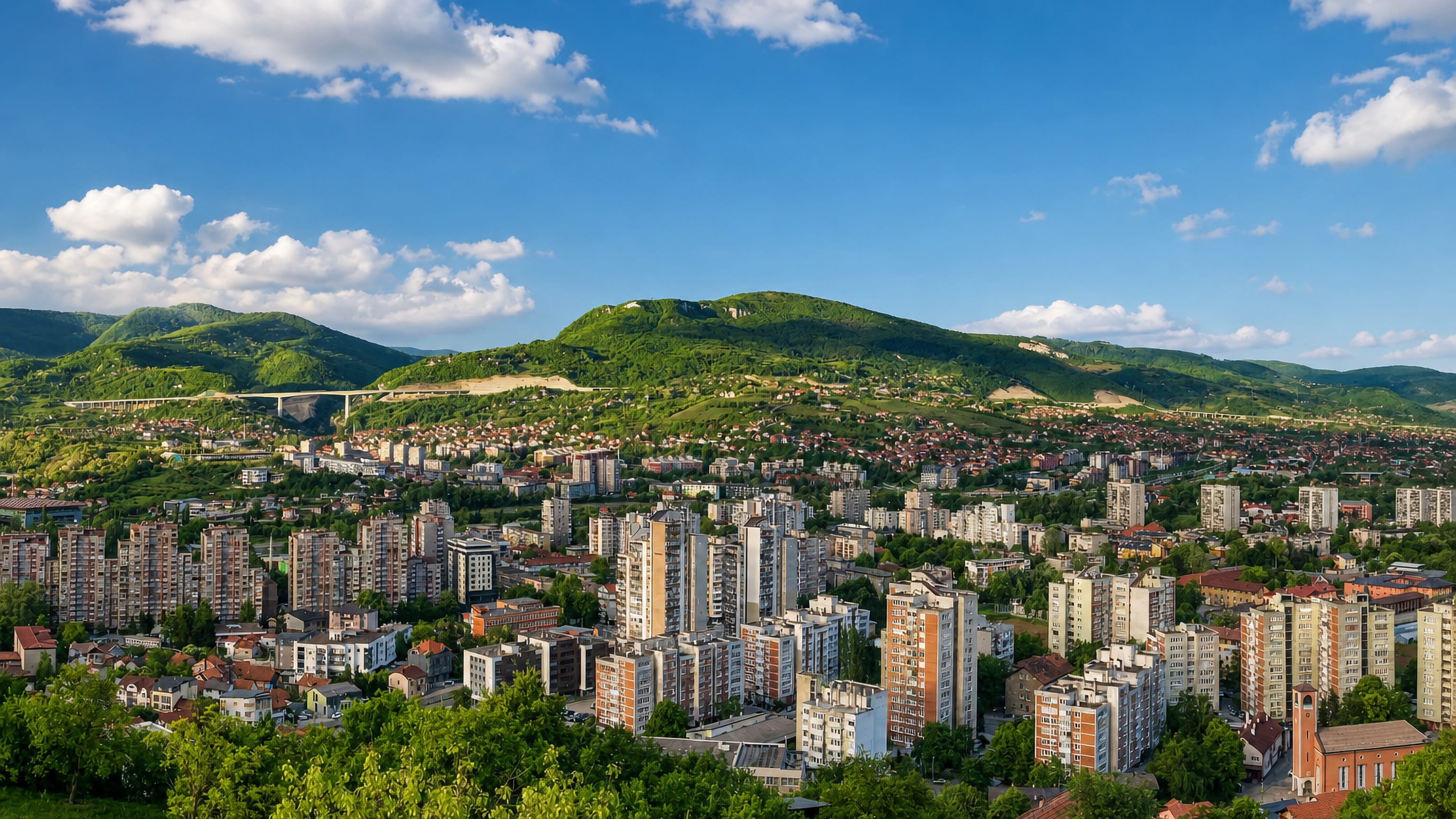
Zenica works the Bosna valley north of Sarajevo, a steel city ringed by hills and the seat of the Zenica-Doboj Canton.
Hotel links are affiliate links: booking through them may earn us a commission, at no extra cost to you. It never affects how places are ranked. How this works


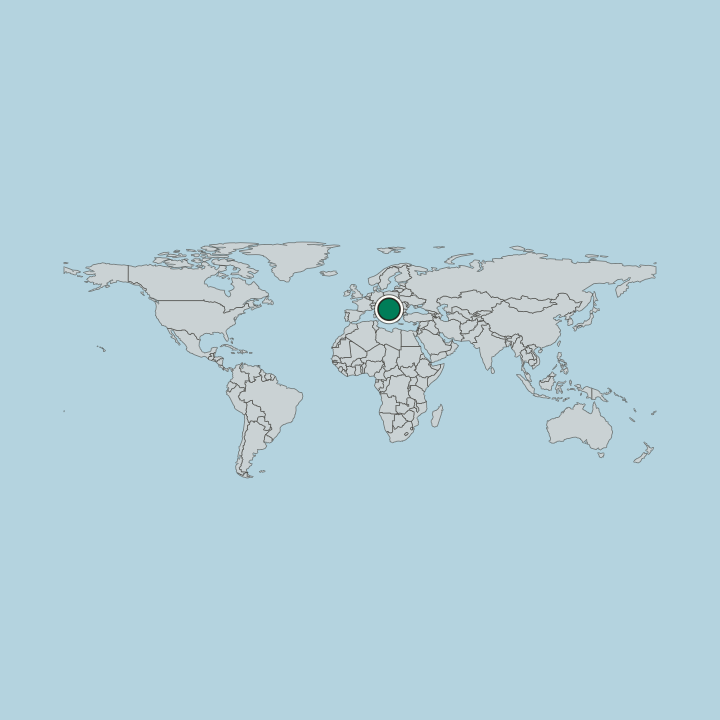
Where to stay in Zenica
Where the beds are, and what that means for the visit.
City Museum Zenica and the Church of Immaculate Conception mark the walkable middle, and that is where most beds are. The valley leaves little room. A room among those blocks keeps the museum, the church and the Building of former Synagogue in Zenica inside a few streets, which matters in a city where the interest is concentrated rather than spread out.
The Ironworks Zenica side is different. Ground nearer the plant is working ground, and air quality in the Bosna valley is a known problem that argues for a base away from the works rather than beside them. Zenica arena pulls its own traffic on event nights, and beds near it fill accordingly.
Sarajevo lies close enough to the south that some visitors pass through rather than stay. Gornji Čajdraš and the hill villages sit outside all of it. Staying out there swaps the compact centre for quiet and a drive, which suits a traveller with a car and no interest in walking to the museum.
Zenica arena, the museum and the churches all fall inside a short radius, which is what makes a central room the practical default here.
Find hotels in Zenica
Direct booking searches for these neighbourhoods.
Zenica city centre
The blocks around City Museum Zenica hold the Church of Immaculate Conception and the former Synagogue building within a few streets.Find hotels in Zenica city centreNights timed to a fixture at Zenica arenaNear Zenica arena
Beds beside Zenica arena put the hall's events within walking distance of the room.Find hotels in Near Zenica arenaQuiet nights at a distance from the Ironworks Zenica plantGornji Čajdraš and the hill villages
The hill settlements around Gornji Čajdraš trade the compact Zenica centre for air and space off the valley floor.Find hotels in Gornji Čajdraš and the hill villagesHotel links are affiliate links: booking through them may earn us a commission, at no extra cost to you. It never affects how places are ranked. How this works
Things to do in Zenica
Ranked by global recognition; descriptions from Wikidata (CC0).
Museums & Galleries
1- City Museum Zenica
Churches & Religious Sites
3- Building of former Synagogue in Zenica
- Sacred Heart of Jesus church in Gornji Čajdraš
- Crkva Uzvišenja sv. Križa u Klopču
Stadiums & Sports
1- Zenica arena
worth knowingacross 3 categories in Zenica
About Zenica
Steel made this city.
What is Zenica known for?
The Ironworks Zenica factory sets the frame for everything around it, and the plant's presence in the Bosna valley is the first thing most accounts of Zenica record. A university sector runs alongside it. City Museum Zenica keeps the local record, Zenica arena handles sport and crowds, and the Building of former Synagogue in Zenica survives from a different chapter of the same streets.
What are the main landmarks in Zenica?
City Museum Zenica holds the local collection in the middle of the city. Zenica arena takes the crowds. The Church of Immaculate Conception and the Building of former Synagogue in Zenica stand within the built centre, while the Sacred Heart of Jesus church sits out at Gornji Čajdraš among the hill villages.
The Ironworks Zenica factory is impossible to miss from anywhere on the valley floor.
What is the history of Zenica?
The old religious buildings carry most of what is visible of the city's past. Zenica keeps several of them. The Church of Immaculate Conception stands in the city itself, and the Sacred Heart of Jesus church in Gornji Čajdraš marks the older parish life of the villages that ring the valley.
The Building of former Synagogue in Zenica survives as well, evidence of a community that was once part of the ordinary make-up of the town. City Museum Zenica holds the rest. Industry rewrote the city.
The Zenica Steelworks, carried in the record as the Ironworks Zenica factory, came to dominate the built area and much of the working life of the Bosna valley around it. A university sector grew beside the plant, and Zenica became a teaching centre as well as a producing one. Administration followed.
Zenica serves as the administrative and economic centre of the Zenica-Doboj Canton within the Federation of Bosnia and Herzegovina, and ranks fourth among the cities of Bosnia and Herzegovina by size. Sport and civic display share the newer ground, with Zenica arena among those buildings, and City Museum Zenica keeping the older thread.
Where is Zenica?
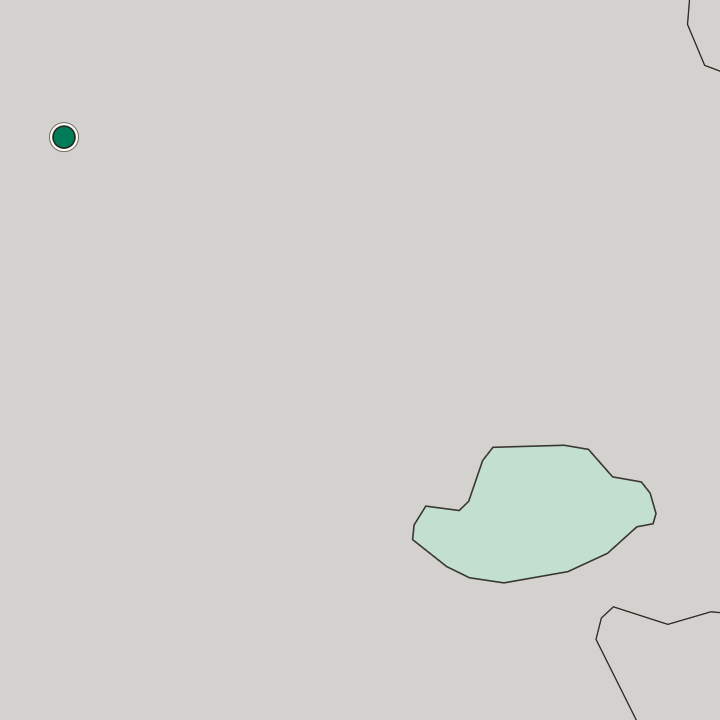
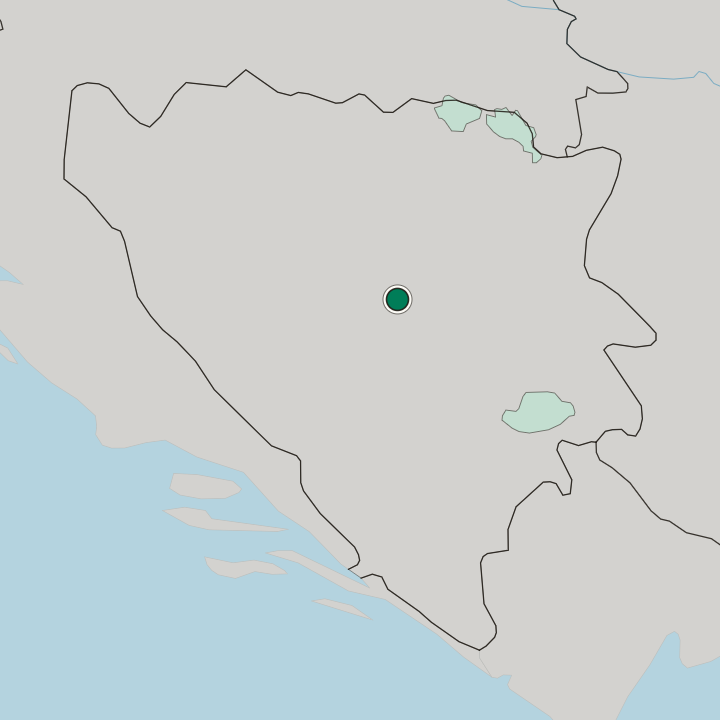
The Bosna river runs the length of the valley that holds Zenica, with hills and mountains closing the ground on every side of the built-up floor. The floor is narrow. Sarajevo lies to the south, and the Zenica-Doboj Canton spreads out from the city across the surrounding hill country.
Gornji Čajdraš is among the settlements scattered through that surrounding country.
What is the climate of Zenica?
The hills do the work here. Zenica sits inland, away from any moderating sea, so the valley swings between hot summer afternoons and cold winter mornings without much to soften either end. Cold air settles on the Bosna valley floor in winter, and the ring of high ground holds it there long enough that the haze over the city is part of the season.
Industry adds to that.
How do you get to Zenica?
Sarajevo is the usual approach. The route north follows the Bosna river valley, and the corridor between the two cities carries most of the traffic that reaches Zenica. Hills close in on both sides of that corridor, so the way in and the way out both run along the valley floor rather than over the high ground.
The Zenica-Doboj Canton continues beyond the city.
Common questions
What is the best area to stay in Zenica?
Zenica city centre: Walking days built around City Museum Zenica and the Church of Immaculate Conception. Near Zenica arena: Nights timed to a fixture at Zenica arena. Gornji Čajdraš and the hill villages: Quiet nights at a distance from the Ironworks Zenica plant.
Good for
More cities in Federation of Bosnia and Herzegovina
Updated September 2026