Bosnia and Herzegovina · Federation of Bosnia and Herzegovina
Where to Stay in Mostar, Federation of Bosnia and Herzegovina
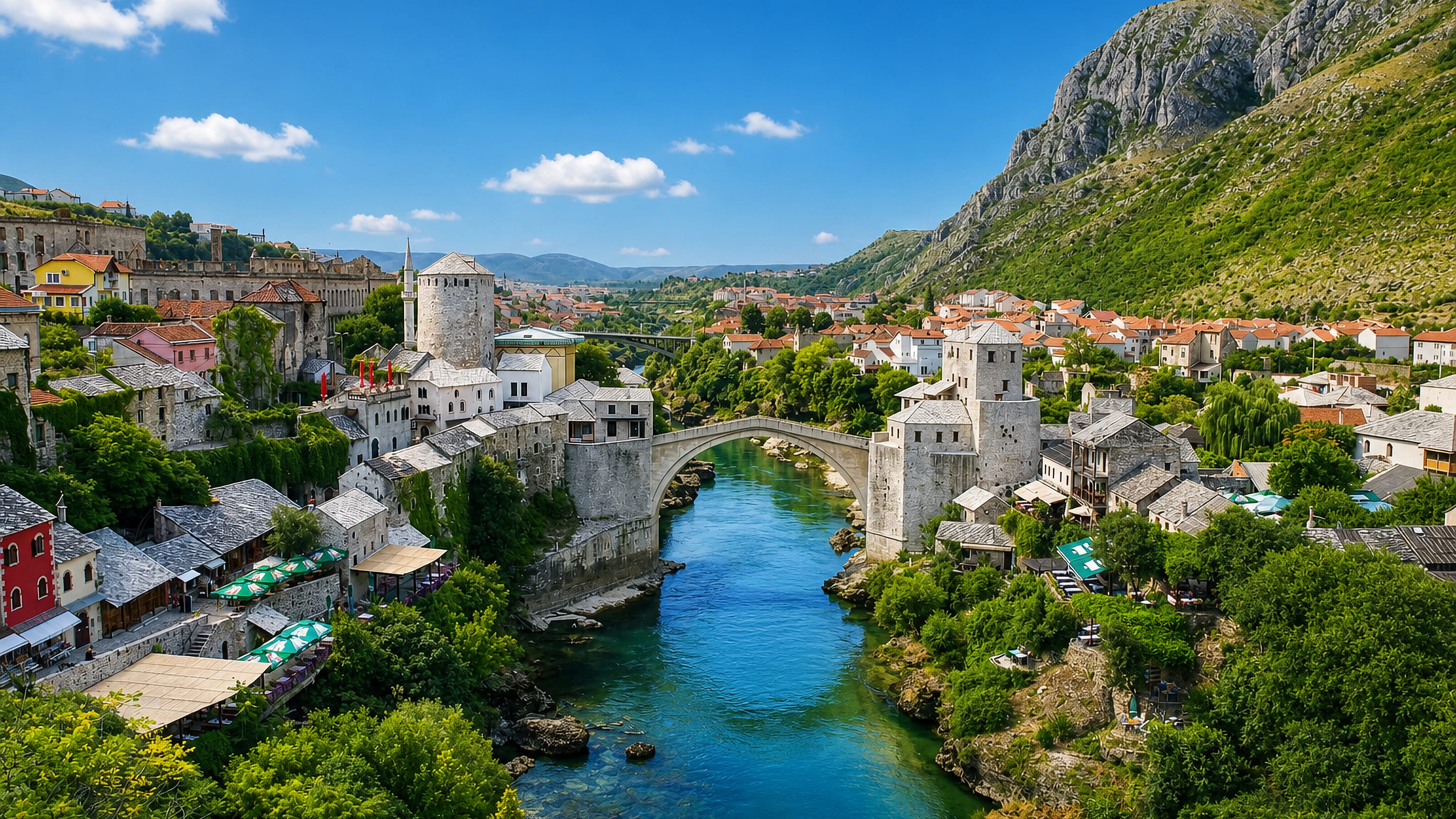
The Neretva River cuts a green gorge through Mostar, historical capital of Herzegovina, known for its arched stone bridge and rebuilt old town.
Hotel links are affiliate links: booking through them may earn us a commission, at no extra cost to you. It never affects how places are ranked. How this works


Where to stay in Mostar
How the choice of base plays out on the ground.
Mostar gathers most of its guesthouses on the two banks of the Neretva River, within reach of the old bridge. The east bank, the older bazaar side, packs small family-run rooms into stone houses along the cobbled trading lanes, a short climb from the Museum of the Old Bridge and the crossing itself. Wake to the sound of the river.
If you want the bazaar at your door and dinner by the water, this quarter suits you, though its lanes are steep and the nights can carry noise from the crowded parapet. The west bank spreads into the wider modern town, where the Cathedral of Mary, Mother of the Church and the Herzegovina Museum stand among plainer streets. Rooms here run larger and quieter, with easier parking and a level walk.
Beds are steady on both sides. Farther out, the vineyards and karst hills of Herzegovina hold rural stays for those with a car and a taste for the countryside around the Neretva valley.
Find hotels in Mostar
Direct booking searches for these neighbourhoods.
East bank bazaar
The cobbled trading lanes on Mostar's older bank climb from the Museum of the Old Bridge past stone houses turned guesthouses.Find hotels in East bank bazaarQuieter, larger rooms with parkingWest bank modern town
The plainer streets around the Cathedral of Mary, Mother of the Church and the Herzegovina Museum trade bazaar bustle for a level walk.Find hotels in West bank modern townHotel links are affiliate links: booking through them may earn us a commission, at no extra cost to you. It never affects how places are ranked. How this works
Things to do in Mostar
Ranked by global recognition; descriptions from Wikidata (CC0).
Museums & Galleries
3- Museum of the Old Bridge
- Herzegovina Museum
- Aluminij Gallery
Churches & Religious Sites
3- Cathedral of the Holy Trinity, Mostar Heritage
- Old Orthodox Church of the Birth of the Virgin, the architectural ensemble Heritage
- Orthodox Cathedral – the Holy Trinity, the site and remains of the historic monument Heritage
Castles & Historic Sites
2- Late antique basilica in Cim, the archaeological site Heritage
- Statue of Bruce Lee
Landmarks & Notable Places
1- Residential complex of Biščević-Lakšić Heritage
worth knowingacross 4 categories in Mostar
About Mostar
What is Mostar known for?
Mostar is known for the single-arch stone bridge that vaults the Neretva River between two rebuilt banks of the old town, a crossing whose story fills the Museum of the Old Bridge just above the water. The cobbled bazaar climbs from both ends. The Cathedral of the Holy Trinity and the Cathedral of Mary, Mother of the Church rise over the newer streets, and the Herzegovina Museum keeps the region's record.
Divers still leap from the parapet.
What are the main landmarks in Mostar?
The main landmarks of Mostar stand within a short walk of the Neretva River, where the old bridge and its Museum of the Old Bridge draw the eye first, high above the green gorge and the divers below. Three churches mark the newer streets. They are the Cathedral of the Holy Trinity, the Cathedral of Mary, Mother of the Church, and the Church of St. Peter and Paul.
The Herzegovina Museum and the Residential complex of Biščević-Lakšić hold the older record. A Statue of Bruce Lee stands in a park.
What is the history of Mostar?
Mostar grew from a river crossing on the Neretva, recorded as a settlement by 1452, when Ottoman traders held the fords that gave the town its name. The Late antique basilica in Cim shows that people had gathered in the valley long before, under Roman and early Christian rule. Ottoman masons later raised the single-arch bridge that still defines the skyline.
Craftsmen filled the bazaar lanes on both banks. Austria-Hungary took the region in 1878 and rebuilt the western streets, adding the Cathedral of Mary, Mother of the Church and the wider grid. Through the twentieth century Mostar served as the historical capital of Herzegovina and the administrative centre of its canton.
Faith and empire left the Cathedral of the Holy Trinity, the Church of St. Peter and Paul, and the Old Orthodox Church side by side. The bridge fell in the 1990s and was rebuilt stone by stone, and the Museum of the Old Bridge now records both its long life and its return. The Partisan cemetery marks an earlier loss.
Where is Mostar?
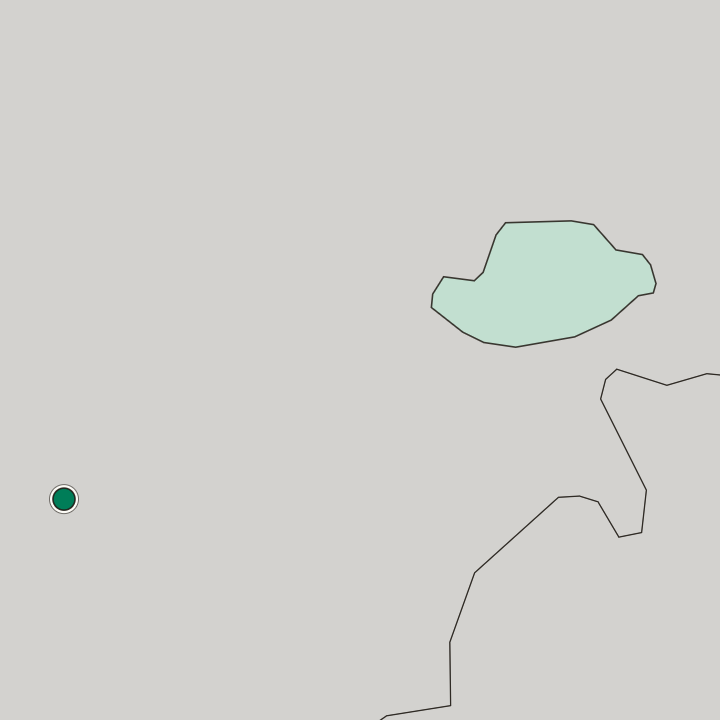
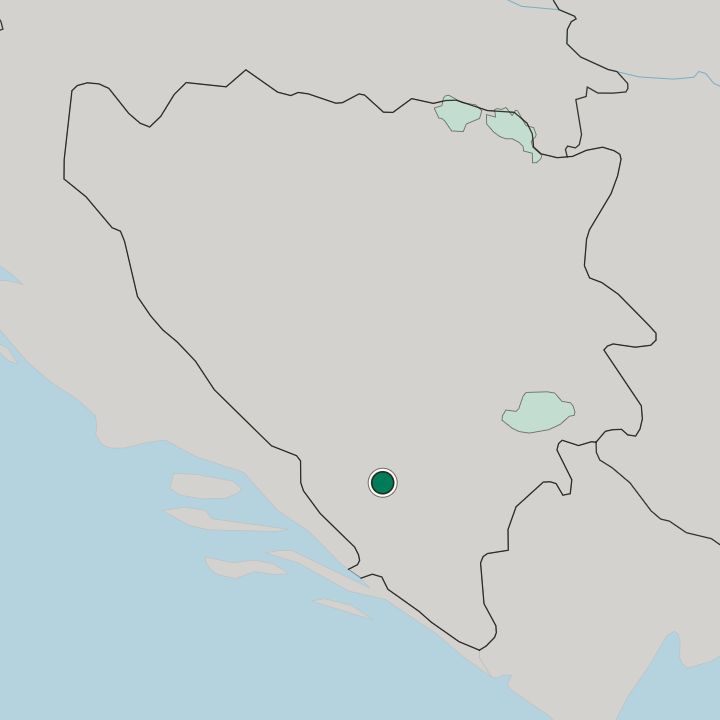
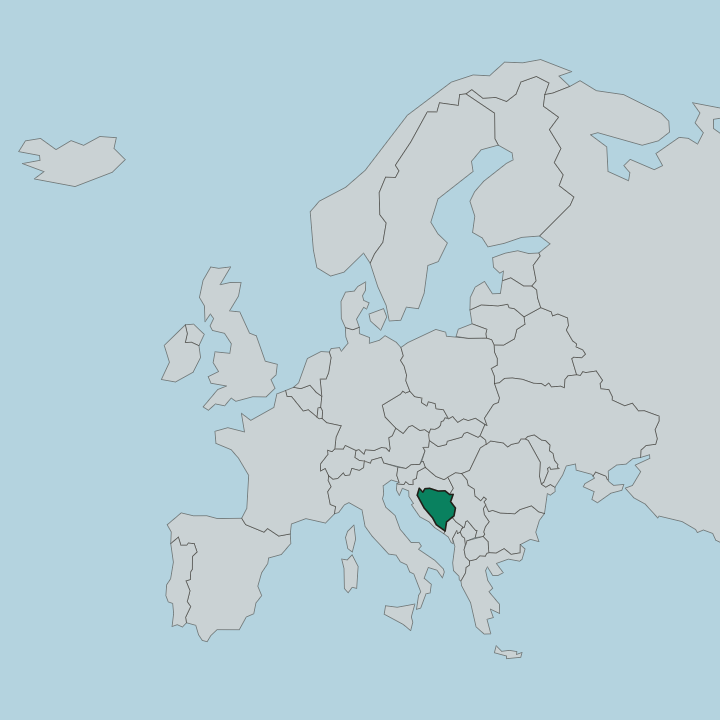
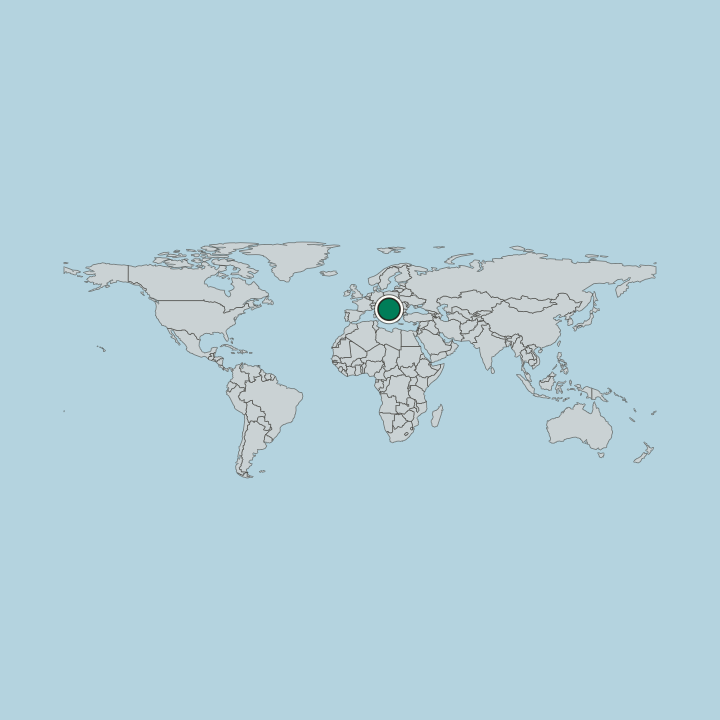
Mostar lies in the valley of the Neretva River, in the karst country of Herzegovina within the wider Balkans. Limestone hills rise close on either side of the green gorge, and the river runs clear and cold through the centre. Vineyards and bare rock ridges surround the town, part of the Herzegovina-Neretva Canton.
The valley opens south toward the Adriatic hinterland. Warm stone holds the summer heat.
What is the climate of Mostar?
Mostar holds a warm, near-Mediterranean climate, the mildest of the inland Bosnian towns. Summers run hot and dry, when the karst hills of Herzegovina bake under a hard sun and the Neretva River offers the only cool in the gorge. Winters stay mild and wet.
The gorge funnels a strong, gusting wind. Rain arrives in autumn.
How do you get to Mostar?
Mostar sits on the main corridor that follows the Neretva River south from central Bosnia toward the Adriatic. Rail and road run the length of the valley, linking the town to Sarajevo in the north and the coast beyond Herzegovina to the south. A small airport lies on the flat ground south of the centre.
Trains follow the gorge. Buses climb in from the karst hills.
Common questions
What is the best area to stay in Mostar?
East bank bazaar: Sleeping steps from the old bridge over the Neretva. West bank modern town: Quieter, larger rooms with parking.
Good for
More cities in Federation of Bosnia and Herzegovina
Updated September 2026