Bosnia and Herzegovina · Federation of Bosnia and Herzegovina
Where to Stay in Tuzla, Federation of Bosnia and Herzegovina
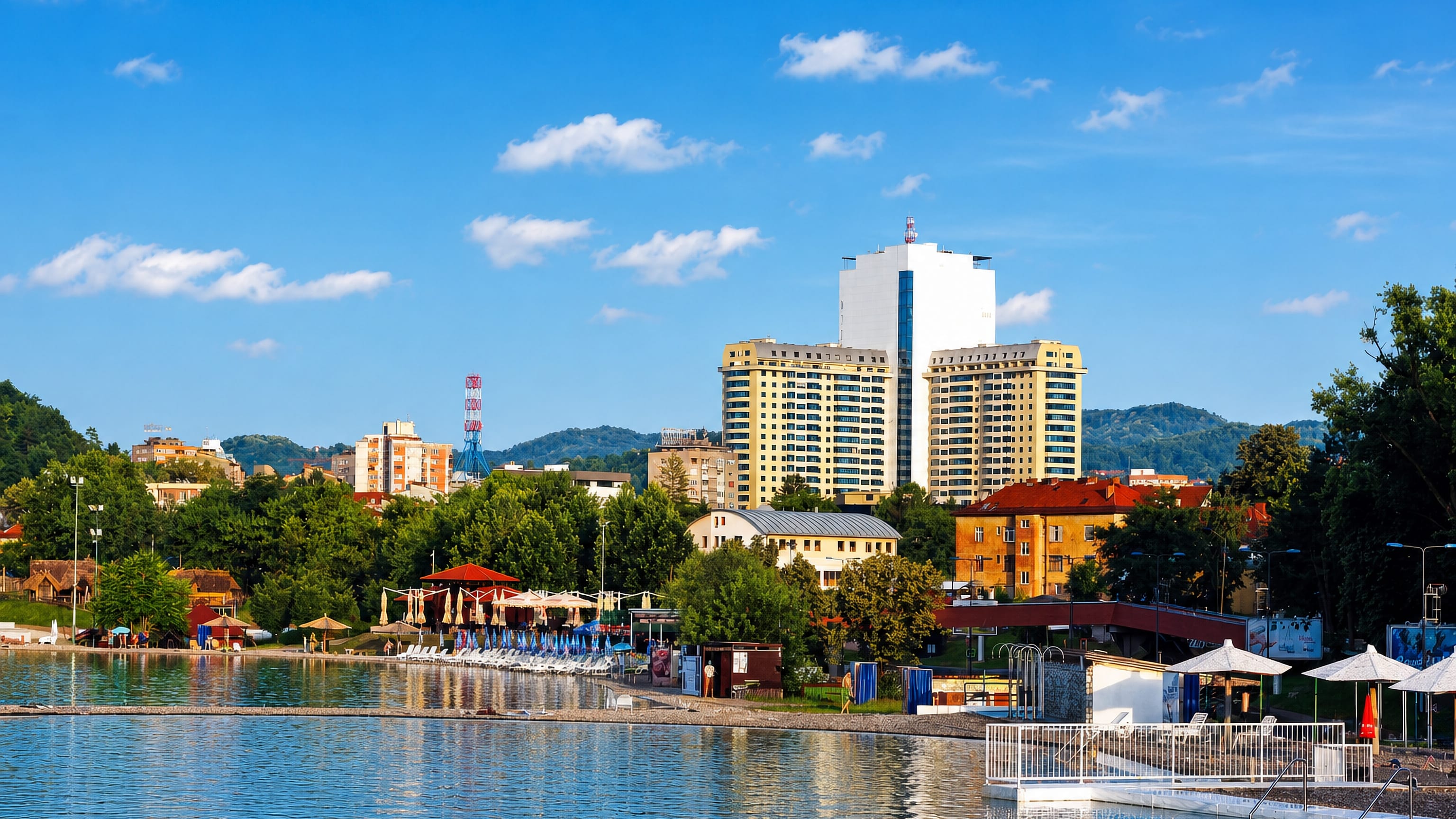
Tuzla is the third-largest city of Bosnia and Herzegovina, the seat of Tuzla Canton, known for Saint George church and its Franciscan monasteries.
Hotel links are affiliate links: booking through them may earn us a commission, at no extra cost to you. It never affects how places are ranked. How this works


Where to stay in Tuzla
The practical side of choosing where to sleep.
Tuzla gathers most of its lodging in the compact center, around the squares and pedestrian streets that carry the life of the city. The core is the natural base. Saint George church and the Franjevačka crkva i samostan sv.
Petra i Pavla u Tuzli both stand within an easy walk, cafes fill the promenades on warm evenings, and the shops and civic buildings of Tuzla Canton cluster close together. Stay here to reach the churches and the markets of the third-largest city of Bosnia and Herzegovina on foot. The quieter streets on the slopes above the center suit visitors who want calm at the end of the day, set a little apart from the busy core yet still within reach of it.
These blocks trade the promenade cafes for a slower pace. Travellers drawn by the industrial heritage of the Federation of Bosnia and Herzegovina find the central district most practical, close to the transport that threads the valley. Wherever you settle in Tuzla, the ring of hills and the older Franjevački samostan Gradovrh frame the edges of the town.
Find hotels in Tuzla
Direct booking searches for these neighbourhoods.
City center
The compact core of Tuzla around the pedestrian squares, within an easy walk of Saint George church and the Franjevačka crkva i samostan sv. Petra i Pavla u Tuzli.Find hotels in City centerquiet evenings above the Tuzla Canton coreHillside streets
The calmer slopes rising above the center of Tuzla, apart from the busy squares yet still in reach of the Federation of Bosnia and Herzegovina institutions below.Find hotels in Hillside streetsHotel links are affiliate links: booking through them may earn us a commission, at no extra cost to you. It never affects how places are ranked. How this works
About Tuzla
What is Tuzla known for?
Tuzla is known above all as an industrial center and the administrative seat of Tuzla Canton within the Federation of Bosnia and Herzegovina. Faith left its mark on the skyline. Saint George church stands over the streets, the Franjevačka crkva i samostan sv.
Petra i Pavla u Tuzli anchors the Catholic quarter, and the older Franciscan house at Gradovrh keeps watch from the hills above. Together these give the third-largest city of the country its enduring character.
What are the main landmarks in Tuzla?
Tuzla's landmarks are led by its churches and monasteries. Saint George church rises over the central streets, and the Franjevačka crkva i samostan sv. Petra i Pavla u Tuzli holds the heart of the Catholic community in the third-largest city of Bosnia and Herzegovina.
Above the town the older house keeps its distance. The Franjevački samostan Gradovrh crowns the hills of Tuzla Canton, a Franciscan foundation whose story reaches back long before the modern industrial city grew below.
What is the history of Tuzla?
Tuzla grew into one of the older centers of the region long before it became the third-largest city of Bosnia and Herzegovina. Faith shaped its early growth. The Franjevački samostan Gradovrh, set on the hills above the valley, marks the long presence of a Franciscan community here, a foundation whose roots reach back through the centuries and whose successors carried the tradition into the town below when it settled around the Franjevačka crkva i samostan sv.
Petra i Pavla u Tuzli. The monasteries carried the memory of the place across generations. Industry gave the modern city its shape.
Over the twentieth century Tuzla became one of the most important industrial centers of the country, drawing workers to the valley and making the town the administrative heart of Tuzla Canton within the Federation of Bosnia and Herzegovina. The churches endured through it all. Saint George church still rises among the newer streets, and in the present century the city has turned toward tourism alongside its factories, adding a second chapter to a story that industry once wrote alone.
Where is Tuzla?
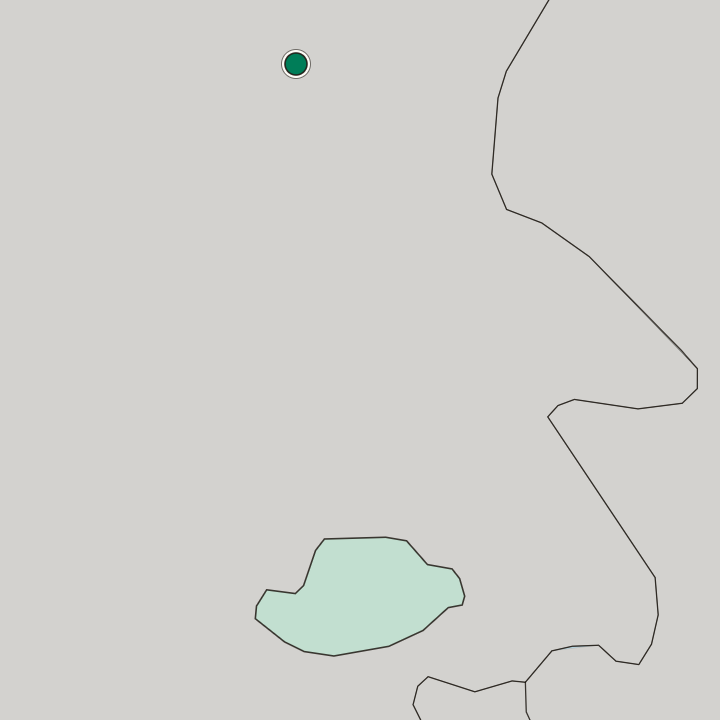
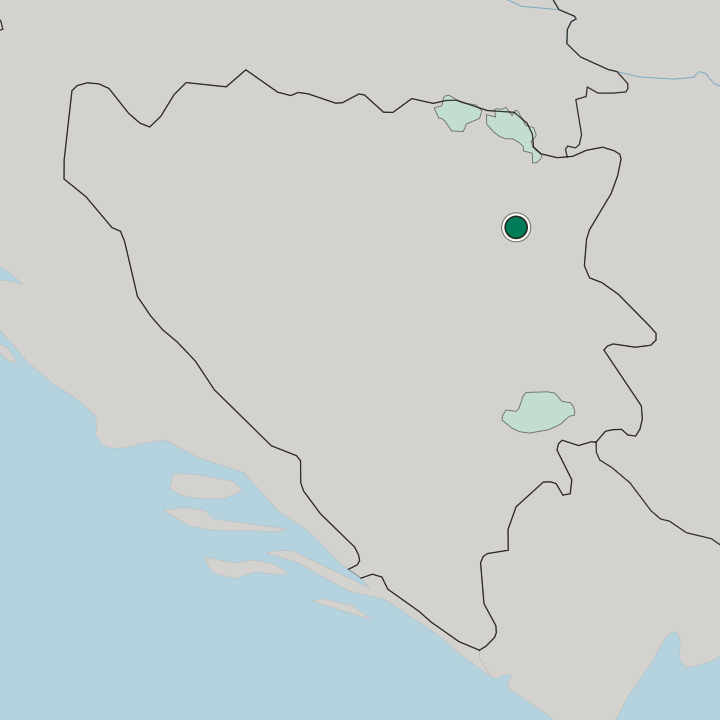
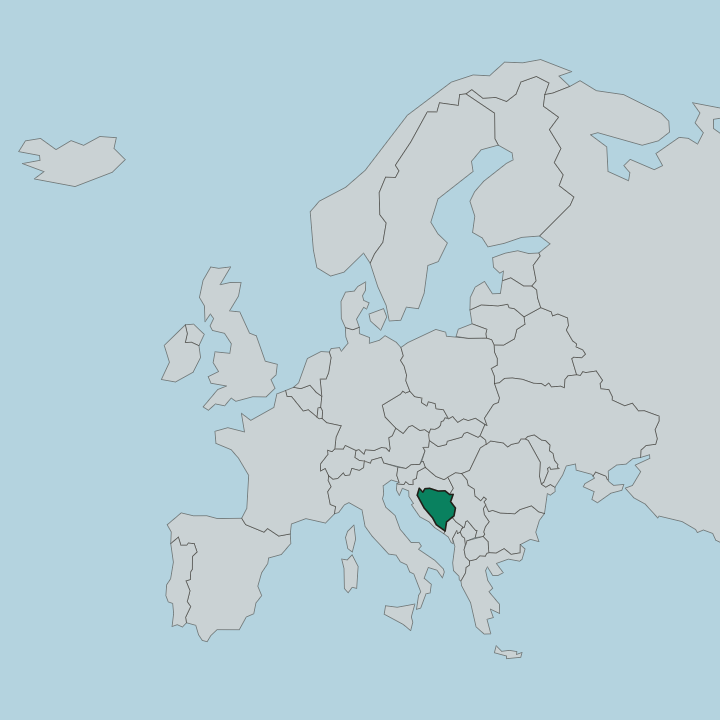
Tuzla lies in a valley ringed by hills, the setting that shaped its growth as the third-largest city of Bosnia and Herzegovina. Slopes rise on every side. The Franjevački samostan Gradovrh sits on high ground overlooking the town, and the built-up center spreads across the lower ground where the industry of Tuzla Canton took root.
Hills close the horizon. The surrounding country of the Federation of Bosnia and Herzegovina rolls away from the valley in wooded ridges and open farmland.
What is the climate of Tuzla?
Tuzla has a temperate inland climate, set in its hill-ringed valley away from any coast. Winters are cold, with snow settling over the slopes above the town and the hills of Tuzla Canton for stretches of the season. Come summer the valley warms and greens.
Rain and cloud spread through the year across the valley of the third-largest city of Bosnia and Herzegovina, and spring and autumn arrive gradually, softened by the sheltering ridges that close around the town.
How do you get to Tuzla?
Tuzla is reached chiefly by road, with an airport serving the city and the wider region. The valley roads carry most arrivals. Buses run to Tuzla from across the Federation of Bosnia and Herzegovina, threading the hills that ring the town, and the city's own airport links it beyond the country as the third-largest city of Bosnia and Herzegovina.
Rail also touches the valley. Trunk routes pass through Tuzla Canton on their way between the industrial towns of the north and the interior.
Common questions
What is the best area to stay in Tuzla?
City center: walking between Saint George church and the promenade. Hillside streets: quiet evenings above the Tuzla Canton core.
Good for
More cities in Federation of Bosnia and Herzegovina
Updated September 2026