Bosnia and Herzegovina · Federation of Bosnia and Herzegovina
Where to Stay in Ilidža, Federation of Bosnia and Herzegovina
Ilidža is a spa town on the edge of Sarajevo, known above all for the Vrelo Bosne spring and for ground settled since Neolithic times.
Hotel links are affiliate links: booking through them may earn us a commission, at no extra cost to you. It never affects how places are ranked. How this works


Where to stay in Ilidža
How the choice of base plays out on the ground.
The choice in Ilidža runs between Vrelo Bosne and Stup, which is to say between the spring and the crossing into Sarajevo. Both are the same municipality. A room at the spa end puts the water and its woodland within a walk, while a room at Stup puts the built city, its churches and the traffic of a working suburb at the door instead.
Neither is remote. Ilidža is a chief suburb rather than a separate destination, so any bed here is a bed on the edge of Sarajevo, with the difference measured in minutes rather than in journeys. Blažuj and Vrutci are the quiet end.
The Saint Sava church at Blažuj and the Crkvina stećaks necropolis at Vrutci sit out where the municipality thins, which suits travellers who want the older ground and are content to drive back in for dinner. Flights change the sum. Sarajevo International Airport lies close enough that an early departure justifies a bed on that side over anything more scenic, and the Sarajevo Tunnel is near the same approach.
Spa first, city second. That is the honest order for Ilidža, and a stay planned around Vrelo Bosne, the Carmelite Monastery at Stup and a day in Sarajevo covers what the municipality actually holds.
Find hotels in Ilidža
Direct booking searches for these neighbourhoods.
Vrelo Bosne
The spa end of Ilidža, where the Vrelo Bosne source and the trees along it stand clear of the Sarajevo build-upFind hotels in Vrelo BosneNights between the Church of the Assumption and the Carmelite MonasteryStup
The Stup side of the municipality, where Ilidža runs straight into the built streets of SarajevoFind hotels in StupTravellers making for the Saint Sava church and the Crkvina stećaksBlažuj and Vrutci
The thinning outer end of Ilidža, holding the Blažuj burial ground and the church ruins at Vrutci. Lodging is scarce in this area; reserve in advance.Find hotels in Blažuj and VrutciEarly departures from Sarajevo International Airport and a look at the Sarajevo TunnelThe airport approach
The flat side of Ilidža nearest the runway, trading the spring's quiet for the shortest transfer to the terminalFind hotels in The airport approachHotel links are affiliate links: booking through them may earn us a commission, at no extra cost to you. It never affects how places are ranked. How this works
Things to do in Ilidža
Ranked by global recognition; descriptions from Wikidata (CC0).
Churches & Religious Sites
3- Saint Sava church in Blažuj Heritage
- Church of the Assumption in Stup Heritage
- Serb Orthodox Church of St. Sava in Blažuj with burial ground, the architectural ensemble Heritage
Castles & Historic Sites
1- Crkvina stećaks necropolis and church ruins, Vrutci Heritage
worth knowingacross 2 categories in Ilidža
About Ilidža
Vrelo Bosne is the reason.
What is Ilidža known for?
The spring rises inside the municipality, and the spa trade built around it, together with the woodland along the water, is what pulls visitors out of Sarajevo for an afternoon. Sarajevo lies just beyond. Ilidža serves as the chief suburb of that city and works in practice as one of its neighbourhoods, with Sarajevo International Airport close by.
What are the main landmarks in Ilidža?
The named sites scatter. Blažuj holds the Saint Sava church with its burial ground, Stup has the Church of the Assumption and a Carmelite Monastery, and the Crkvina stećaks necropolis with its church ruins stands out at Vrutci. The Sarajevo Tunnel is the best known.
Vrelo Bosne still outdraws all of them, and the Saint Leopold Mandić church adds one more entry to a list that runs Orthodox, Catholic and medieval by turns.
What is the history of Ilidža?
People were here early. The historical tradition of Ilidža reaches back to Neolithic times, which puts occupation at the Vrelo Bosne water long before any church, road or municipal boundary shaped the place. Water explains that.
A spring of this kind fixes a settlement where it stands, and the spa town that grew around it kept the same ground in continuous use through every later period. The spring still names the place. Ilidža is described first as a spa town and only second as a suburb, an order that held long before Sarajevo grew out to meet it.
The stone record is layered. Crkvina at Vrutci carries stećaks, the medieval gravestones of Bosnia and Herzegovina, beside the ruins of a church, while the Saint Sava church at Blažuj and the Carmelite Monastery at Stup belong to much later centuries. Sarajevo took the rest.
Ilidža became the chief suburb of that city and functions as one of its neighbourhoods, administered within Sarajevo Canton in the Federation of Bosnia and Herzegovina, and the Sarajevo Tunnel at its edge belongs to the most recent layer this ground has recorded.
Where is Ilidža?
Vrelo Bosne sets the ground. The spring and the woodland around it take up one side of Ilidža, Stup and Blažuj mark the built edges, and Vrutci lies further out where the Crkvina ruins stand among older graves. Sarajevo presses from the other side.
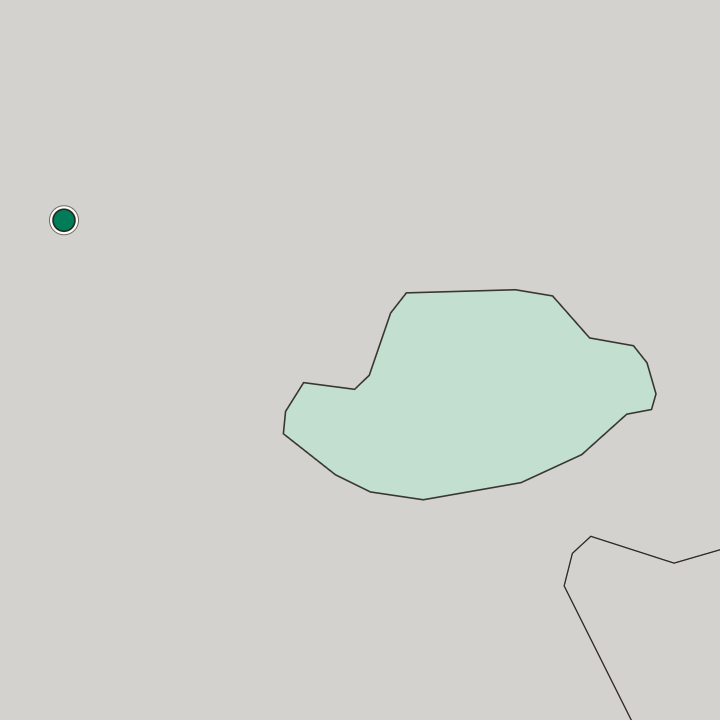
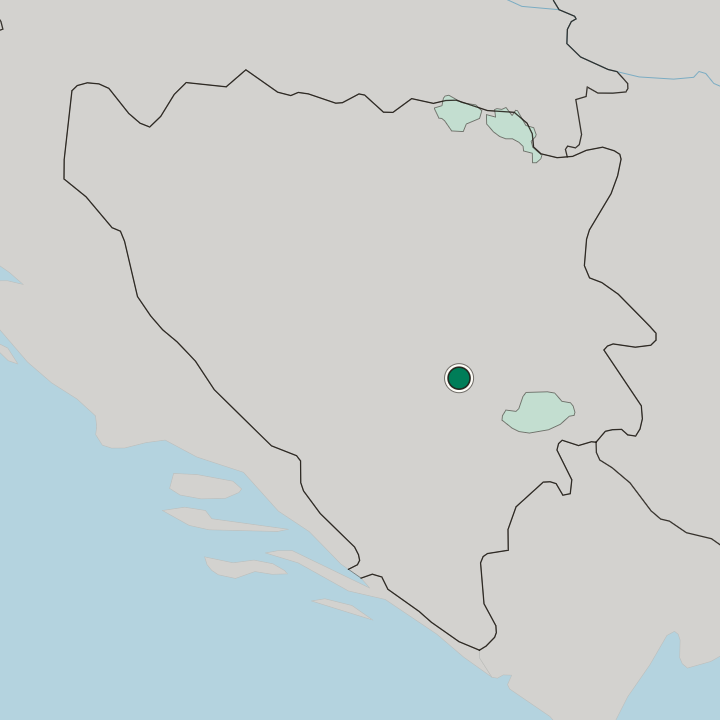
The municipality belongs to Sarajevo Canton, temperate ground north of the equator, and the city's built area meets it without a real gap.
What is the climate of Ilidža?
Vrelo Bosne runs cold all year. Shade along the spring is part of why the spa town fills through the warm half of the calendar, when the woodland around the water does more for a visitor than any street in Sarajevo can. Temperate seasons apply.
Ilidža sits north of the equator in the temperate band, so the churches at Stup and Blažuj carry the quieter months while the spring carries the busy ones.
How do you get to Ilidža?
Sarajevo International Airport sits next door. Anyone flying into Sarajevo lands within reach of Ilidža, which makes the municipality a practical first night rather than somewhere reached after the city has been seen. The rest is local movement.
Ilidža works as a neighbourhood of Sarajevo, and Stup marks the side where the two run together, while Blažuj and Vrutci sit at the far end of the same short road.
Common questions
What is the best area to stay in Ilidža?
Vrelo Bosne: Stays that put the spring and its woodland walk outside the door. Stup: Nights between the Church of the Assumption and the Carmelite Monastery. Blažuj and Vrutci: Travellers making for the Saint Sava church and the Crkvina stećaks. The airport approach: Early departures from Sarajevo International Airport and a look at the Sarajevo Tunnel.
Good for
More cities in Federation of Bosnia and Herzegovina
Updated October 2026