Brazil · Minas Gerais
Where to Stay in Araxá, Minas Gerais
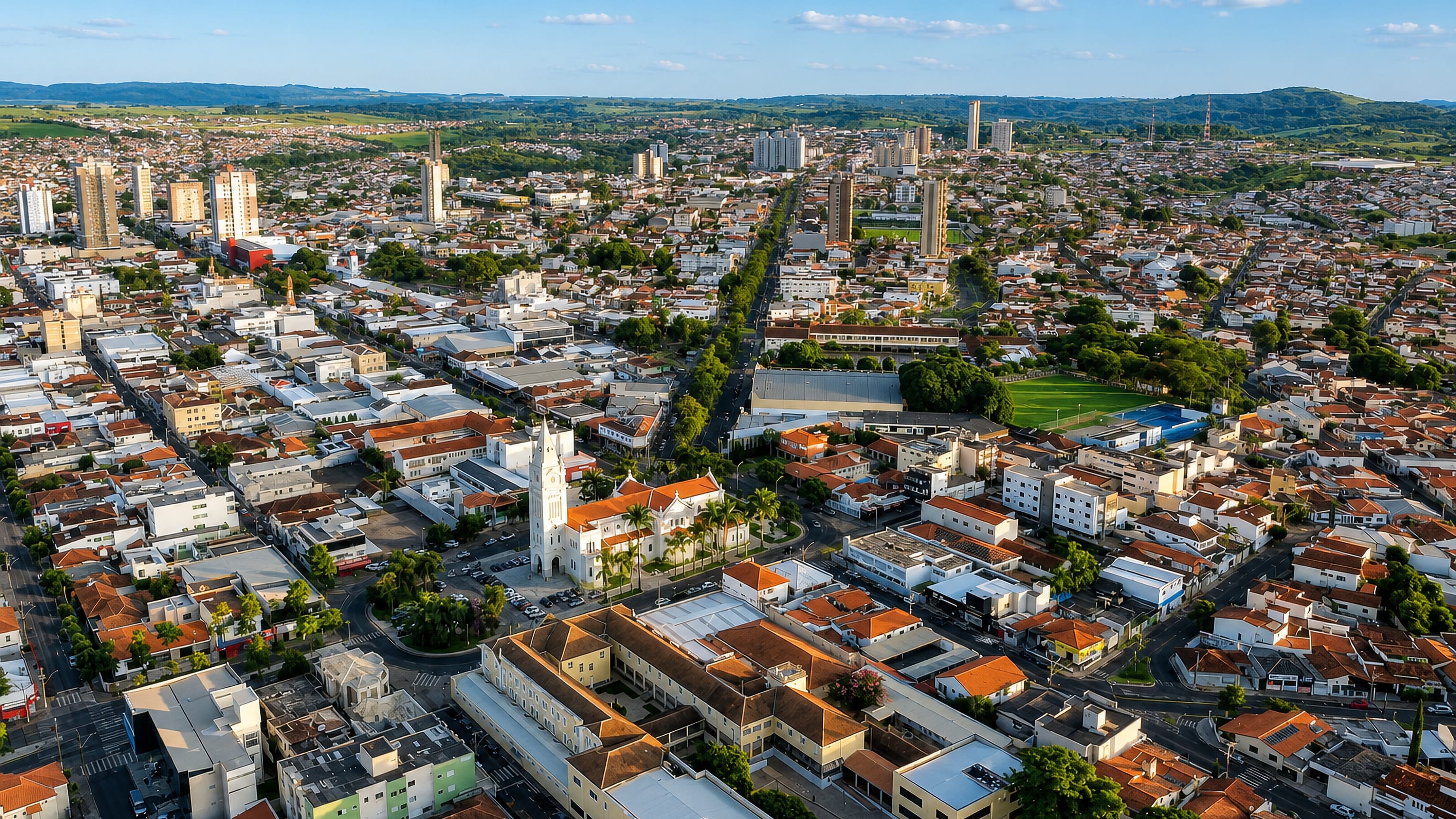
Araxá is a museum town of Minas Gerais, northwest of Belo Horizonte, where the Museu Municipal Dona Beja carries the name that the place is known by.
Hotel links are affiliate links: booking through them may earn us a commission, at no extra cost to you. It never affects how places are ranked. How this works


Where to stay in Araxá
Where visitors usually base themselves, and why.
The museums decide it. A room in the older streets by the Capela de São Sebastião and the Museu Municipal Dona Beja puts most of what a visitor came to Araxá for inside one short walk, which makes that corner the straightforward pick for a first stay. Nights go quiet early.
Trade in this part of Minas Gerais leans on people arriving for business rather than on holiday crowds, so the rooms are practical, the breakfasts are early and the streets empty well before the museums do. Out from the middle the ground opens toward the country the municipality covers. Parking gets easy.
A room on that flank trades the walk to the Calmon Barreto museum for space and a faster run onto the road southeast toward Belo Horizonte, which suits anyone treating Araxá as one stop on a longer drive rather than as the point of the trip. If you want the Museu Zema, the Museu da Imagem e do Som de Araxá and the Museu Legislativo de Araxá on foot, stay in the middle instead. Araxá is not a large place.
Crossing the built-up part takes less time than settling which of the collections to see first, and the difference between the two choices is measured in a walk rather than in a journey.
Find hotels in Araxá
Direct booking searches for these neighbourhoods.
By the Capela de São Sebastião
The oldest corner of Araxá, where the Capela de São Sebastião and the Museu Sacro of the same church stand on the doorstepFind hotels in By the Capela de São SebastiãoDrivers who want space and a quick start on the run to the state capitalOut toward the Belo Horizonte road
The outer edge of Araxá where the municipality's open country begins and the road southeast to Belo Horizonte leaves townFind hotels in Out toward the Belo Horizonte roadHotel links are affiliate links: booking through them may earn us a commission, at no extra cost to you. It never affects how places are ranked. How this works
Things to do in Araxá
Ranked by global recognition; descriptions from Wikidata (CC0).
Museums & Galleries
3- Museu Histórico de Araxá Dona Beja (Araxá) Heritage
- Museu Municipal Dona Beja
- Calmon Barreto museum
Churches & Religious Sites
1- Capela de São Sebastião (Araxá) Heritage
worth knowingacross 2 categories in Araxá
About Araxá
Few towns of this size keep so many museums.
What is Araxá known for?
The Museu Municipal Dona Beja, the Calmon Barreto museum, the Museu da Imagem e do Som de Araxá, the Museu Legislativo de Araxá and the Museu Zema all stand inside the one municipality, which is an unusual concentration for a place of the Minas Gerais interior. Dona Beja is the name that carries. Her story attaches to two of the collections here, and the Capela de São Sebastião adds the older religious layer that the Museu Sacro da Igreja de São Sebastião then sets out in detail.
What are the main landmarks in Araxá?
Dona Beja's name is on two buildings. The Museu Municipal Dona Beja and the Museu Histórico de Araxá Dona Beja both carry it, which tells a visitor how firmly one figure has been fixed to the identity of this municipality. The Capela de São Sebastião is older ground.
Its saint turns up again in the Museu Sacro da Igreja de São Sebastião, while the Calmon Barreto museum, the Museu Zema, the Museu da Imagem e do Som de Araxá and the Museu Legislativo de Araxá round out a set unusually long for a town of this size.
What is the history of Araxá?
Araxá dates its founding to 1865. That fixes the formal beginning of the municipality in the second half of the nineteenth century, while the Capela de São Sebastião and the sacred collection kept at the church of the same saint mark the religious side of the same period. One name outlasted the rest.
Dona Beja is attached to the Museu Municipal Dona Beja and to the Museu Histórico de Araxá Dona Beja alike, and a town does not fix a single person to two of its museums by accident. What came afterwards is written into the collections. The Calmon Barreto museum, the Museu Zema, the Museu Legislativo de Araxá and the Museu da Imagem e do Som de Araxá between them cover art and the workings of local government as well as recorded sound, a broader civic memory than most municipalities of Minas Gerais have bothered to assemble.
Belo Horizonte lies away to the southeast. Araxá grew up at a distance from the state capital, northwest of it, and the record of the place is held here in seven collections rather than in any institution down the road. The archive is the town's own.
Calmon Barreto gave his name to one part of it and São Sebastião to another, so the two strands, the civic and the sacred, are still legible in the list of what Araxá has chosen to keep.
Where is Araxá?
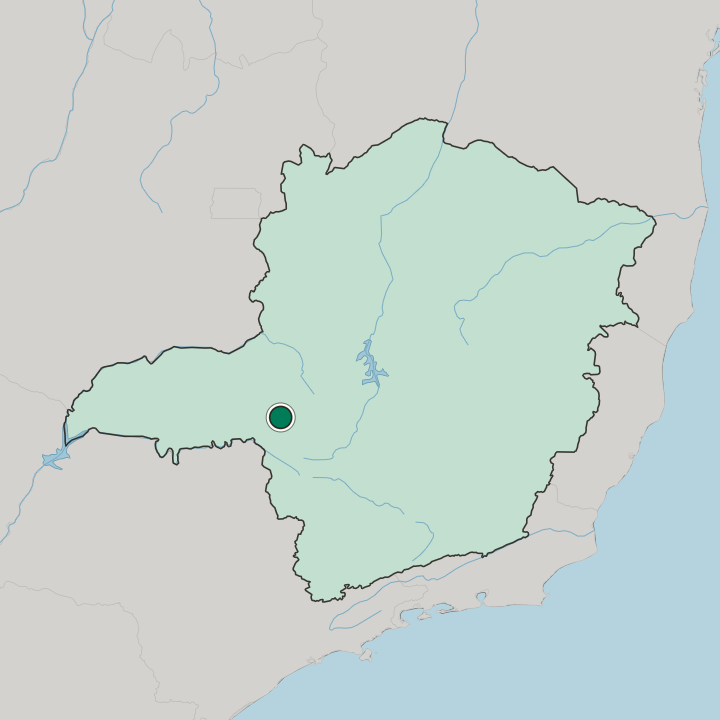
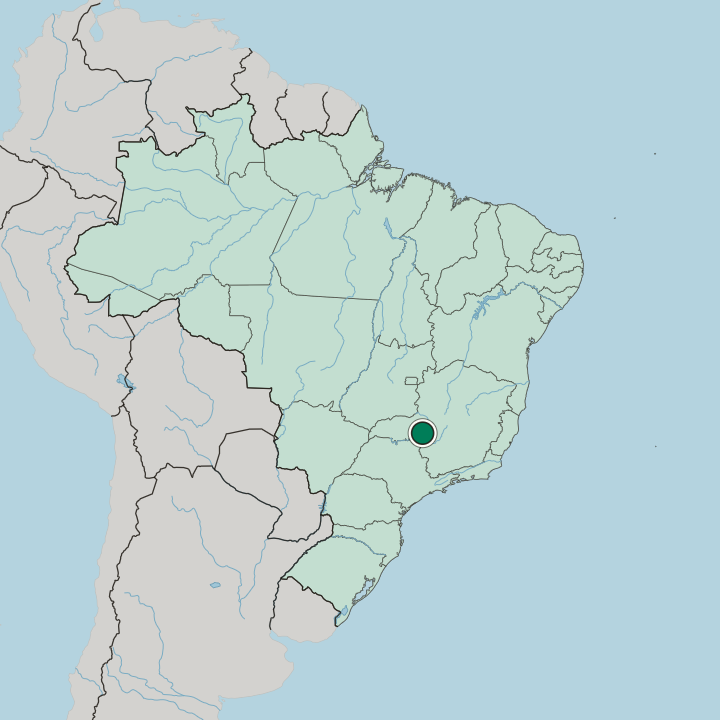
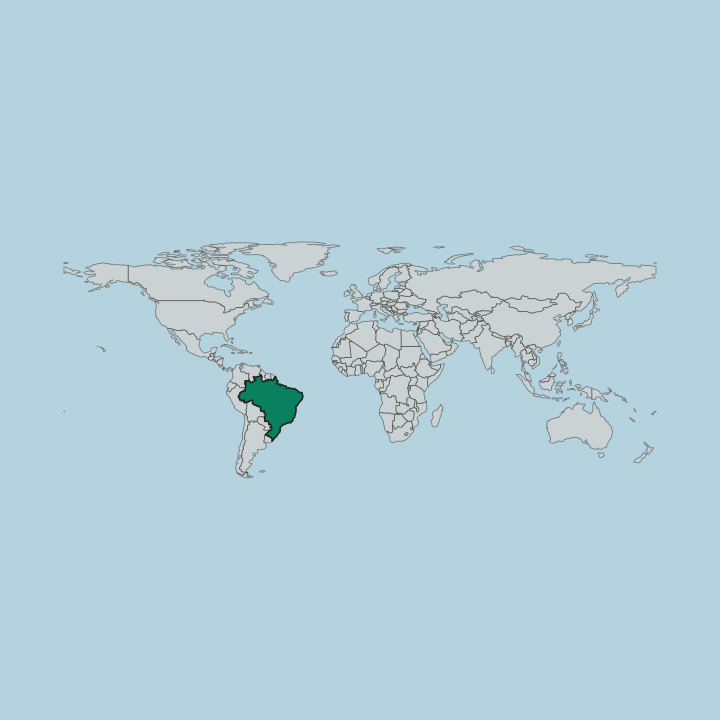
Araxá stands northwest of Belo Horizonte, in Minas Gerais. The municipality takes in a wide stretch of country of which only a small urban perimeter is actually built on, so the town proper occupies a fraction of what the name covers on any map of the state. The rest is open ground.
Roads leave the edge of the built-up part toward Belo Horizonte in one direction and further into Minas Gerais in the other, and the change from street to country happens within a few blocks of the last houses.
What is the climate of Araxá?
Araxá lies in the tropical band. The southern calendar turns the year about, so the warmest and wettest stretch falls while the northern hemisphere is deep in winter, and visitors planning by a northern instinct land in the wrong half of the year more often than they expect. Rain sets the rhythm.
Wet and dry seasons matter far more here than any line between summer and winter, and the swing between them shows in the country around Araxá well before it shows in the streets.
How do you get to Araxá?
Most journeys begin in Belo Horizonte. The state capital lies southeast of Araxá, and the road across that stretch of Minas Gerais carries almost everyone arriving from beyond the municipality. Buses and cars do the work.
Inside the town the collections sit close enough together that the Museu Municipal Dona Beja, the Capela de São Sebastião and the Calmon Barreto museum can be strung onto a single afternoon on foot.
Common questions
What is the best area to stay in Araxá?
By the Capela de São Sebastião: Museum-first stays wanting the two Dona Beja collections on foot. Out toward the Belo Horizonte road: Drivers who want space and a quick start on the run to the state capital.
Good for
More cities in Minas Gerais
Updated September 2026