Brazil
Minas Gerais, Brazil — Towns & Travel Guide
Minas Gerais is a mountainous inland state of southeastern Brazil, where an 18th-century gold rush raised the baroque town of Ouro Preto.
Hotel links are affiliate links: booking through them may earn us a commission, at no extra cost to you. It never affects how places are ranked. How this works


Towns & cities in Minas Gerais
Pick a town or city — each links to where to stay.

 Brazil
Belo Horizonte
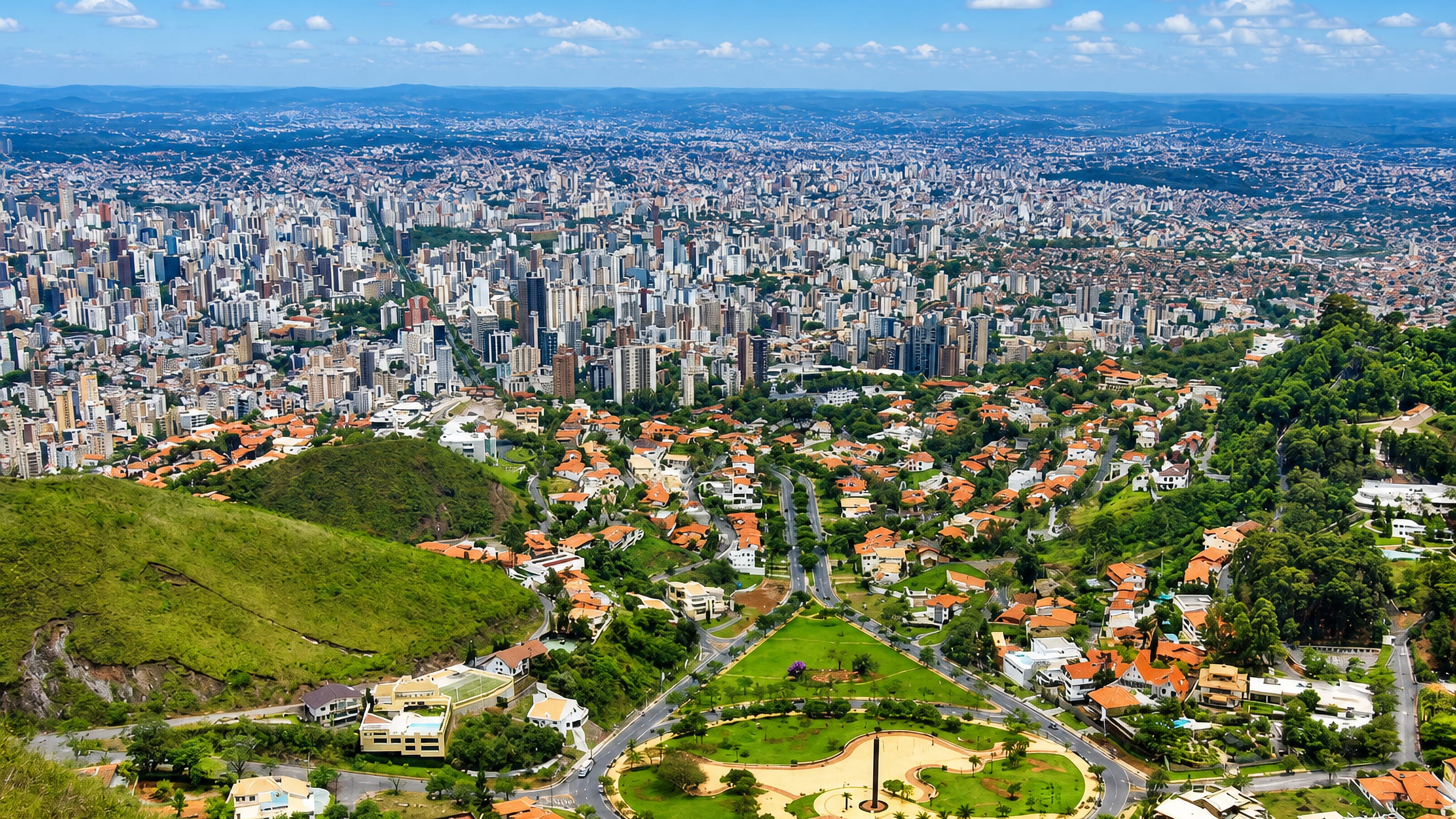
The Serra do Curral closes the southern sky over Belo Horizonte, capital of Minas Gerais, known for Niemeyer's Pampulha and the Mercado Central.Where to stay →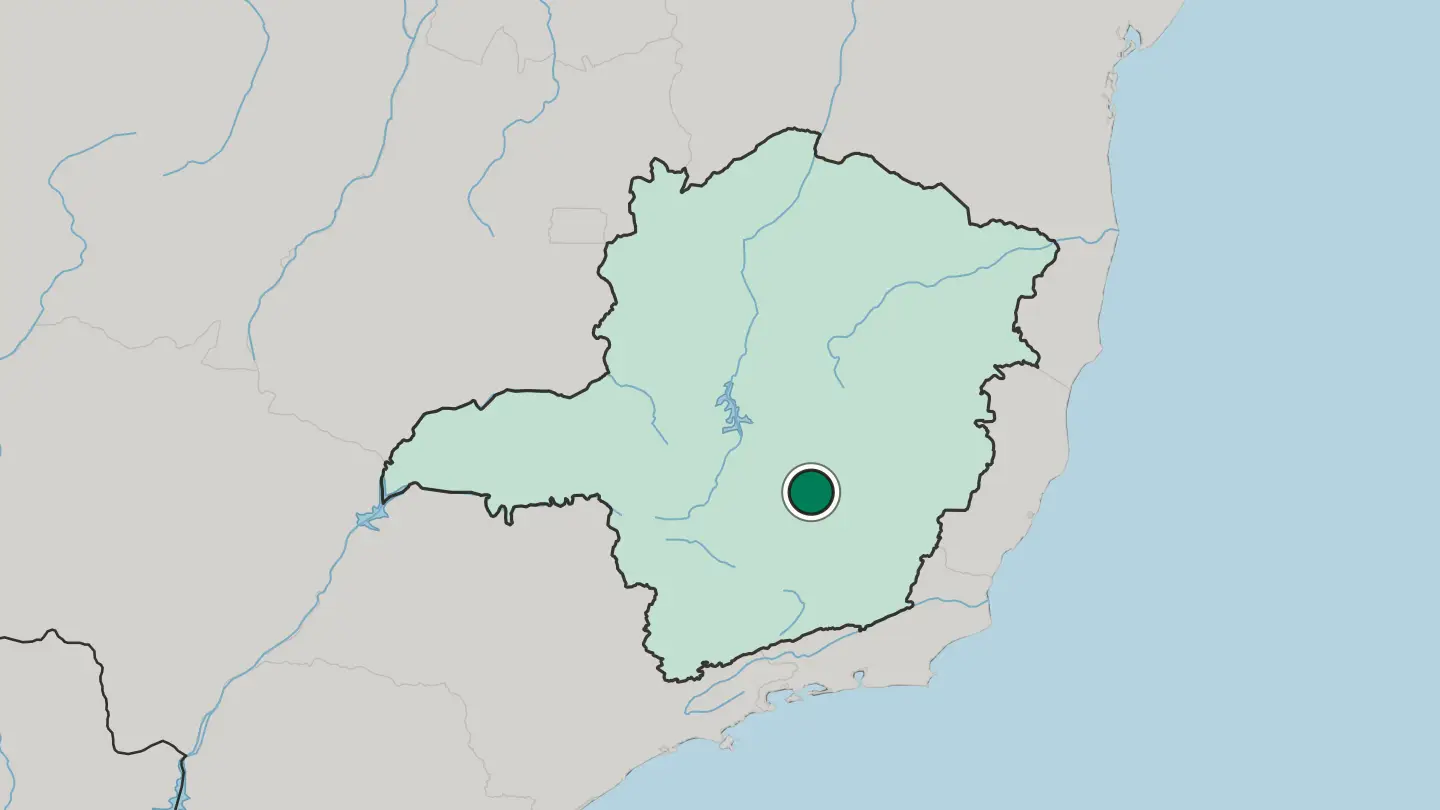
 Brazil
Contagem
Contagem, dated to 1716, stands in the centre of Minas Gerais inside the Belo Horizonte metropolitan area, around the Igreja Matriz de São Gonçalo.Where to stay →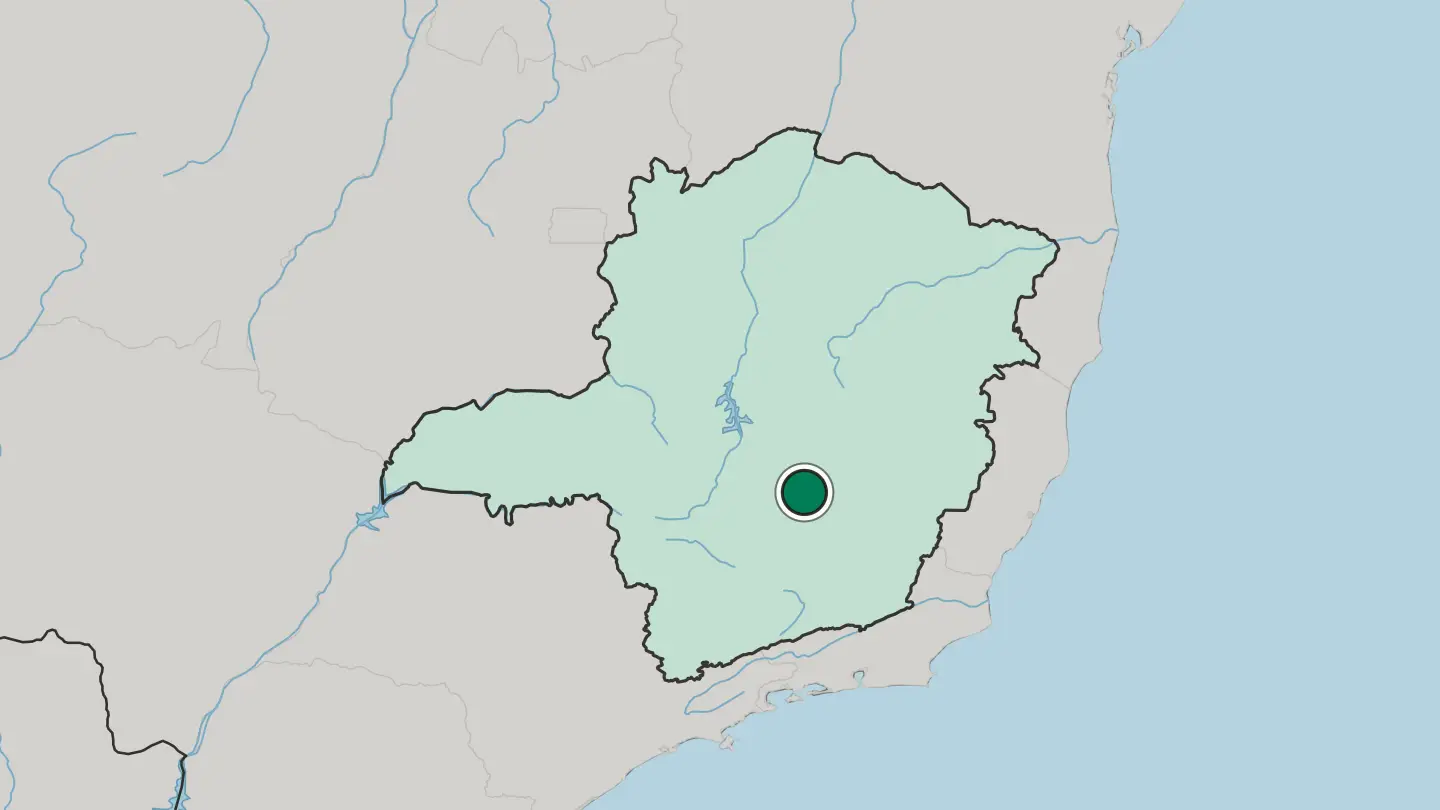 Brazil
Juiz de Fora
Juiz de Fora is a Minas Gerais city of museums and monuments, about 40 kilometres from the state border with Rio de Janeiro.Where to stay →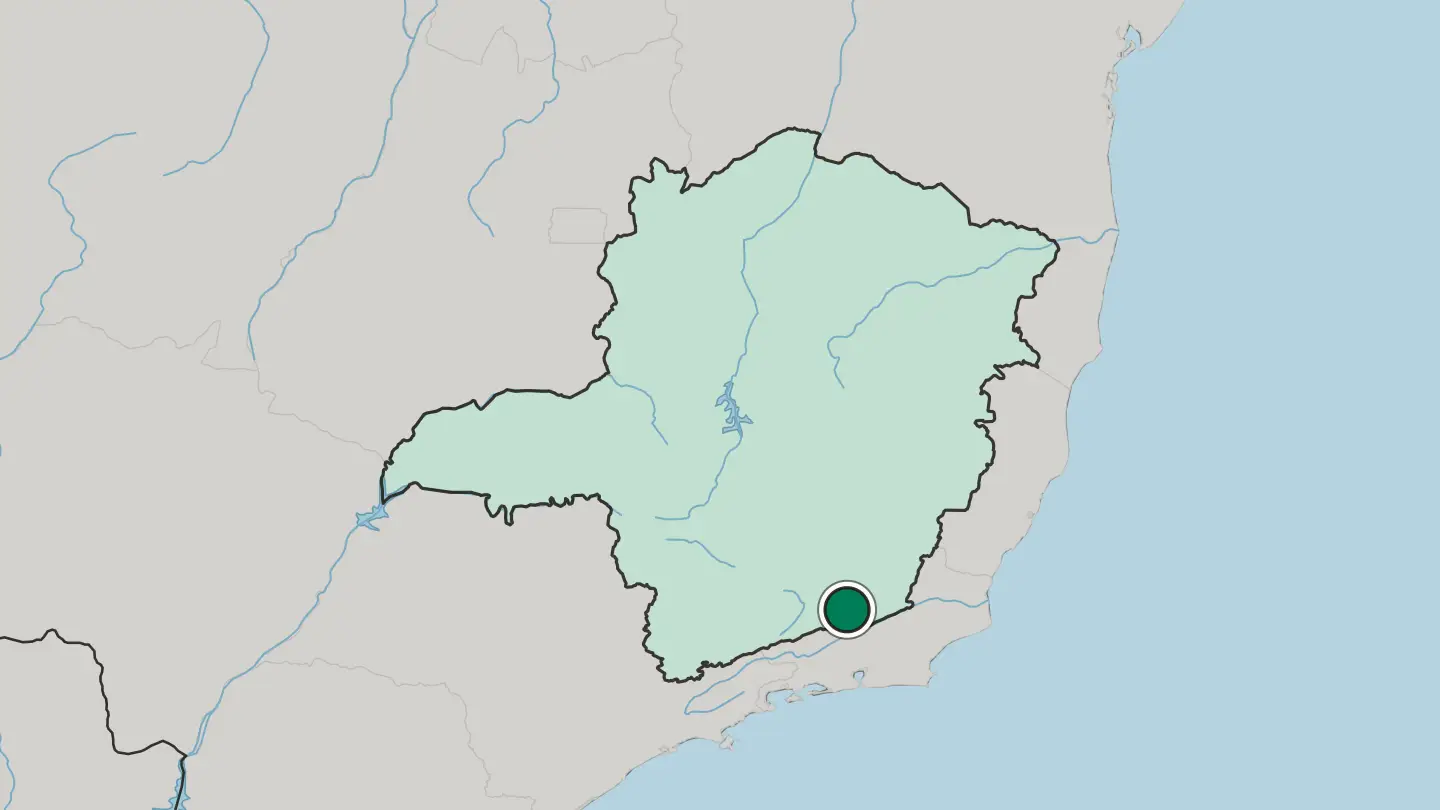
 Brazil
Uberlândia
Uberlândia stands in the Triângulo Mineiro of Minas Gerais, a cerrado city of parks, museums and protected early houses.Where to stay →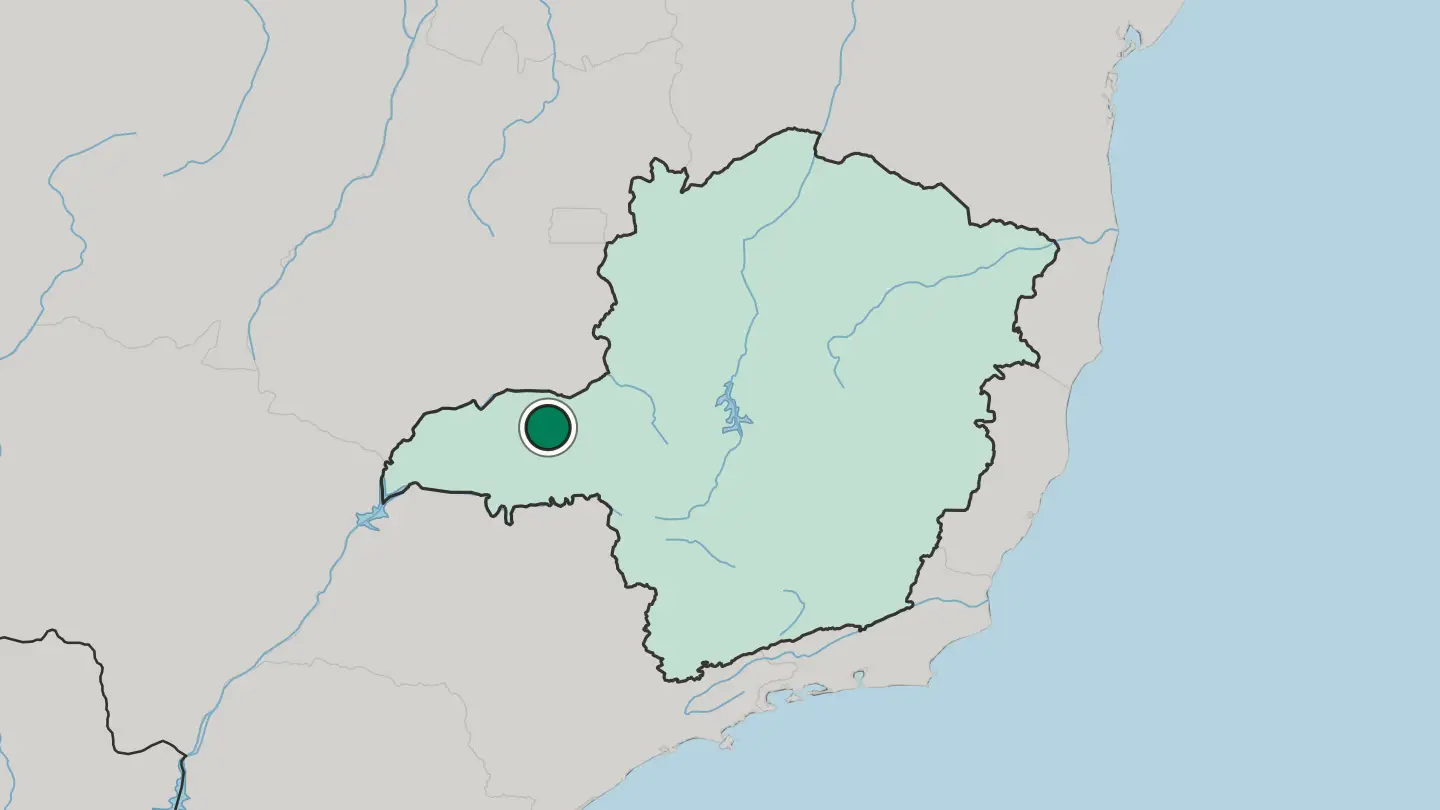 Brazil
Montes Claros
Montes Claros is the regional centre of northern Minas Gerais, its old blocks holding the Cathedral Nossa Senhora Aparecida and a row of sobrados.Where to stay →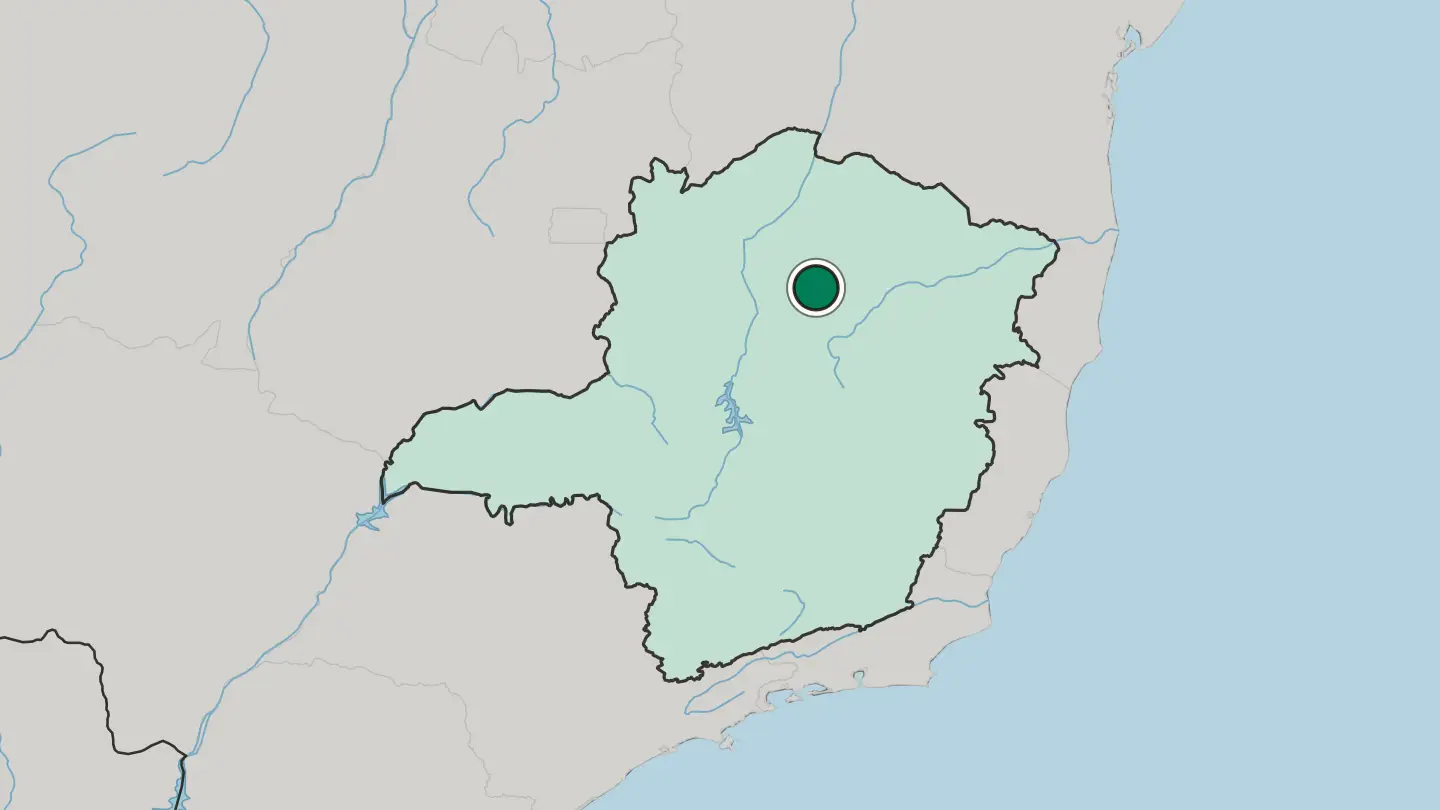
 Brazil
Betim
Betim is a city of the Belo Horizonte metropolitan area in Minas Gerais, dated to 1938, with the Cinema Theatre Glória among its landmarks.Where to stay →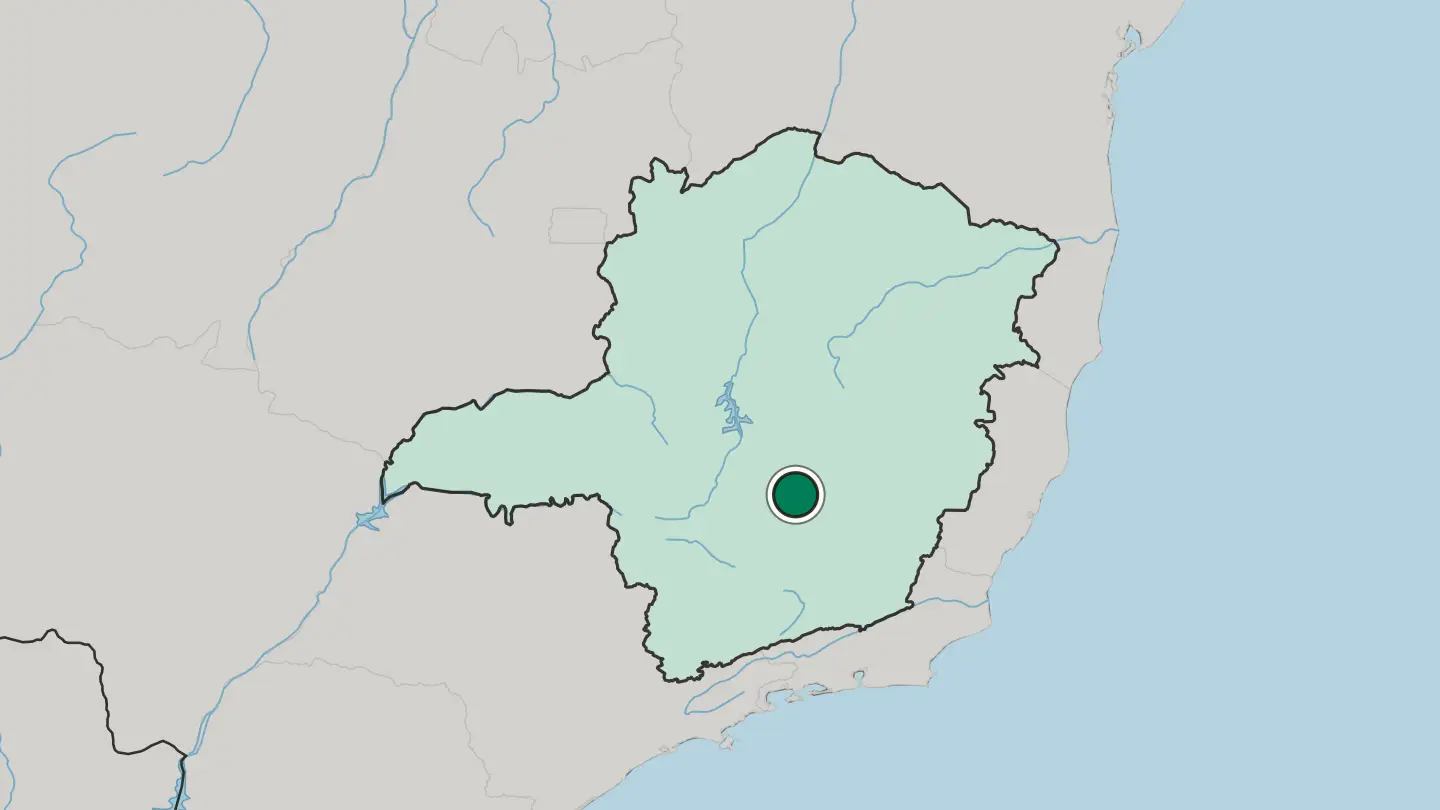
 Brazil
Uberaba
Uberaba is a city of the Triângulo Mineiro in Minas Gerais, Brazil, called The Land of Giants for the dinosaur skeletons found in its ground.Where to stay →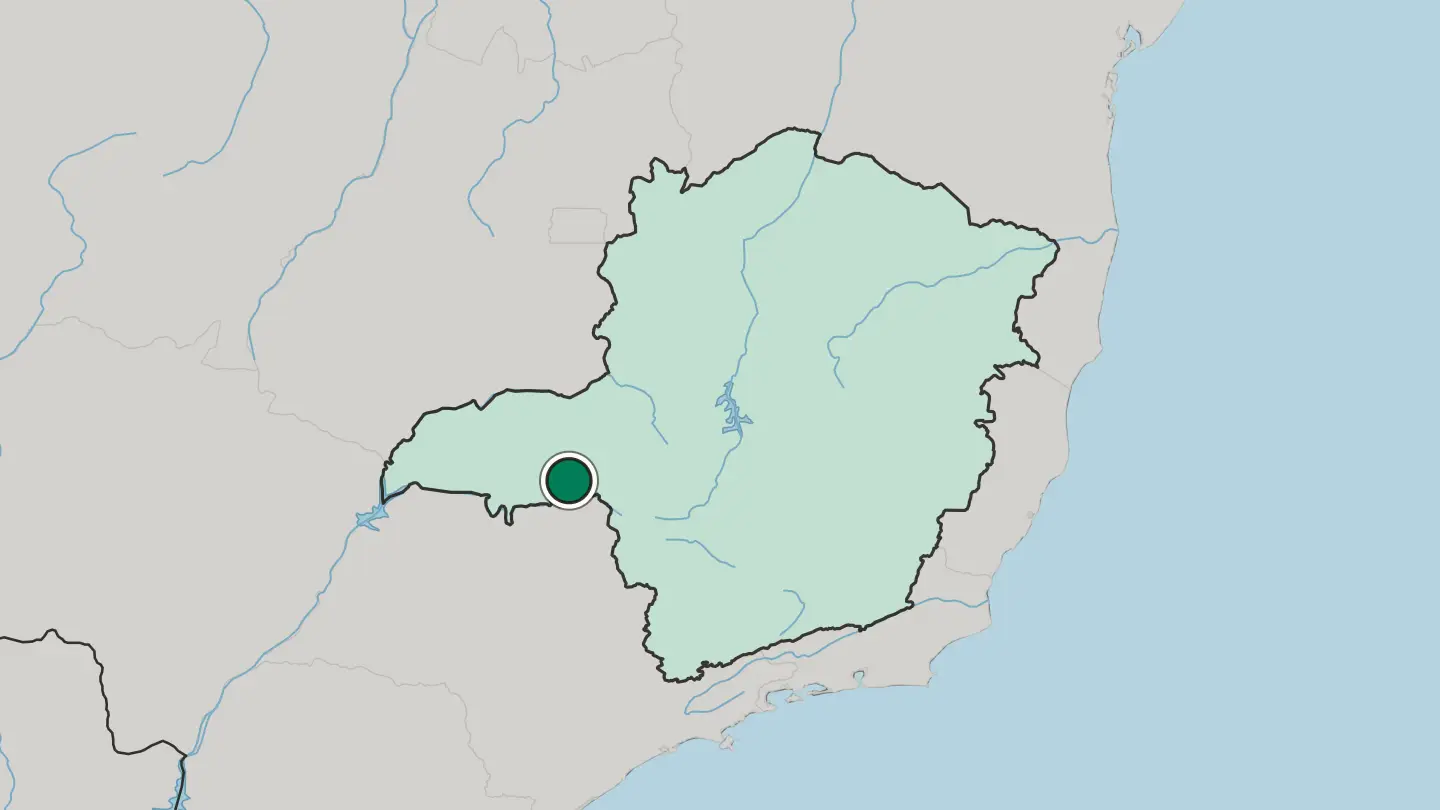
 Brazil
Governador Valadares
Governador Valadares stands on the bank of the Doce River in Minas Gerais, with Ibituruna peak rising over the valley behind it.Where to stay →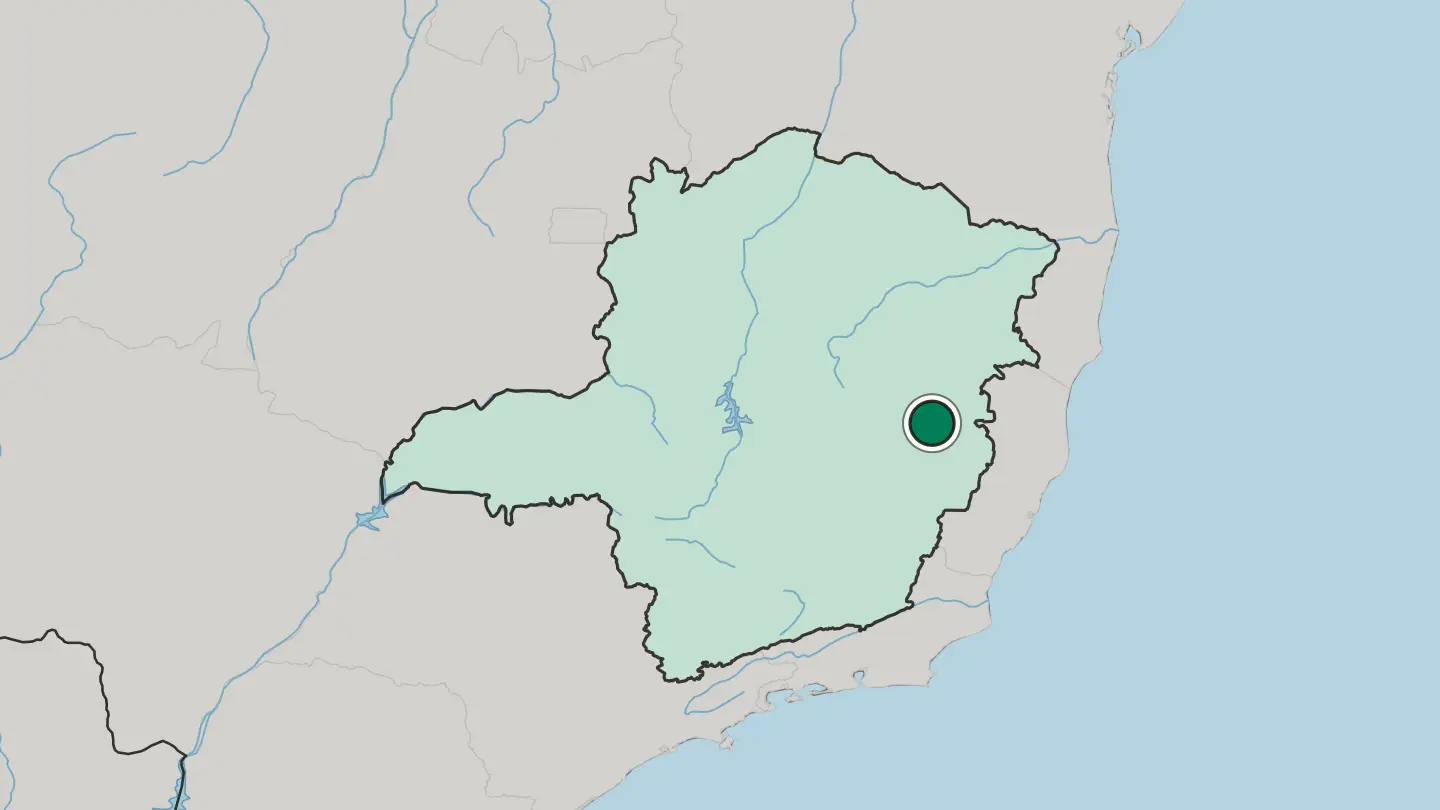
All towns & cities (20)
Brazil
Divinópolis
Divinópolis is a cathedral city of central Minas Gerais, founded in 1767, keeping a photography museum alongside the Holy Spirit Cathedral.Where to stay →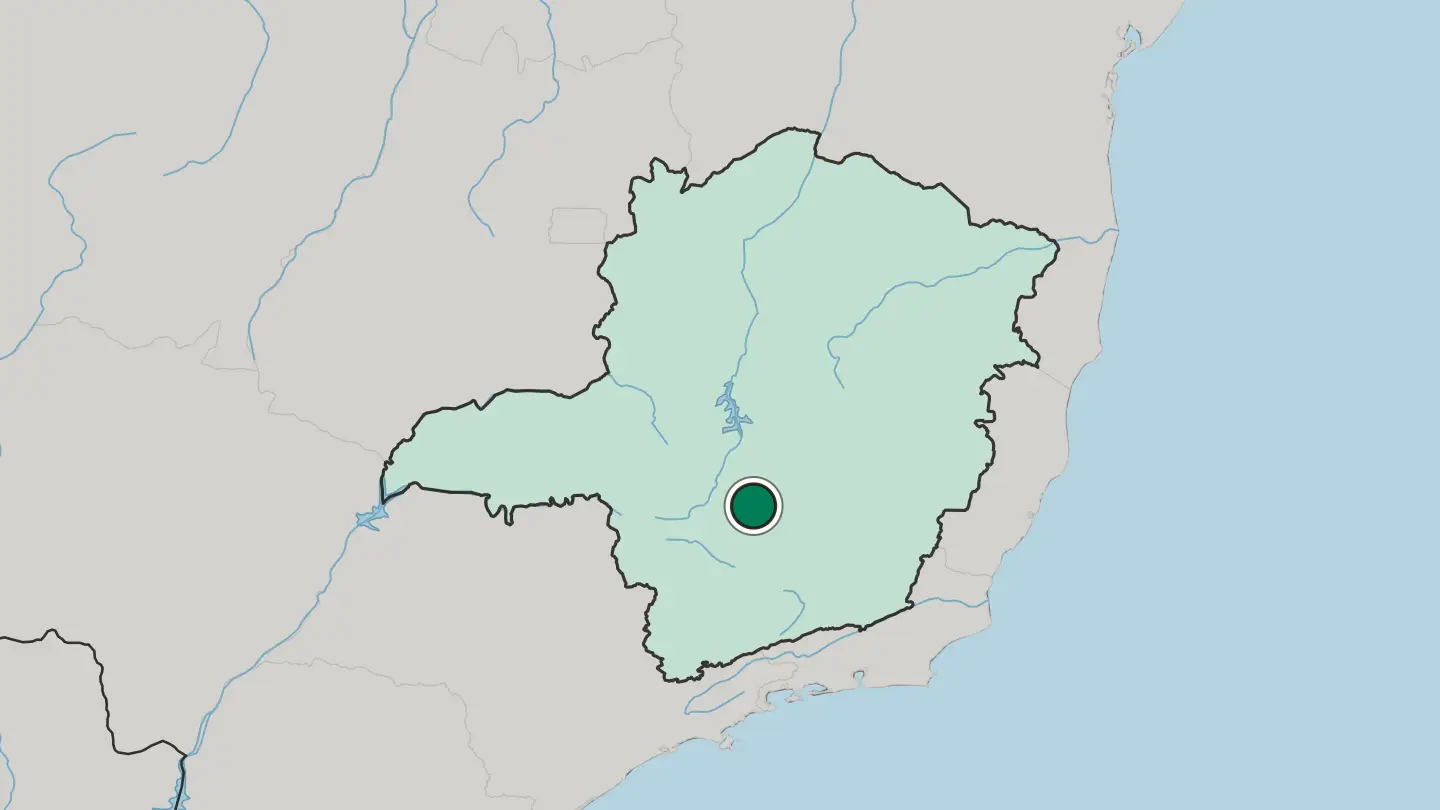
 Brazil
Ipatinga
Ipatinga stands near the confluence of the Piracicaba River and the Doce River, in the Vale do Aço of interior Minas Gerais.Where to stay →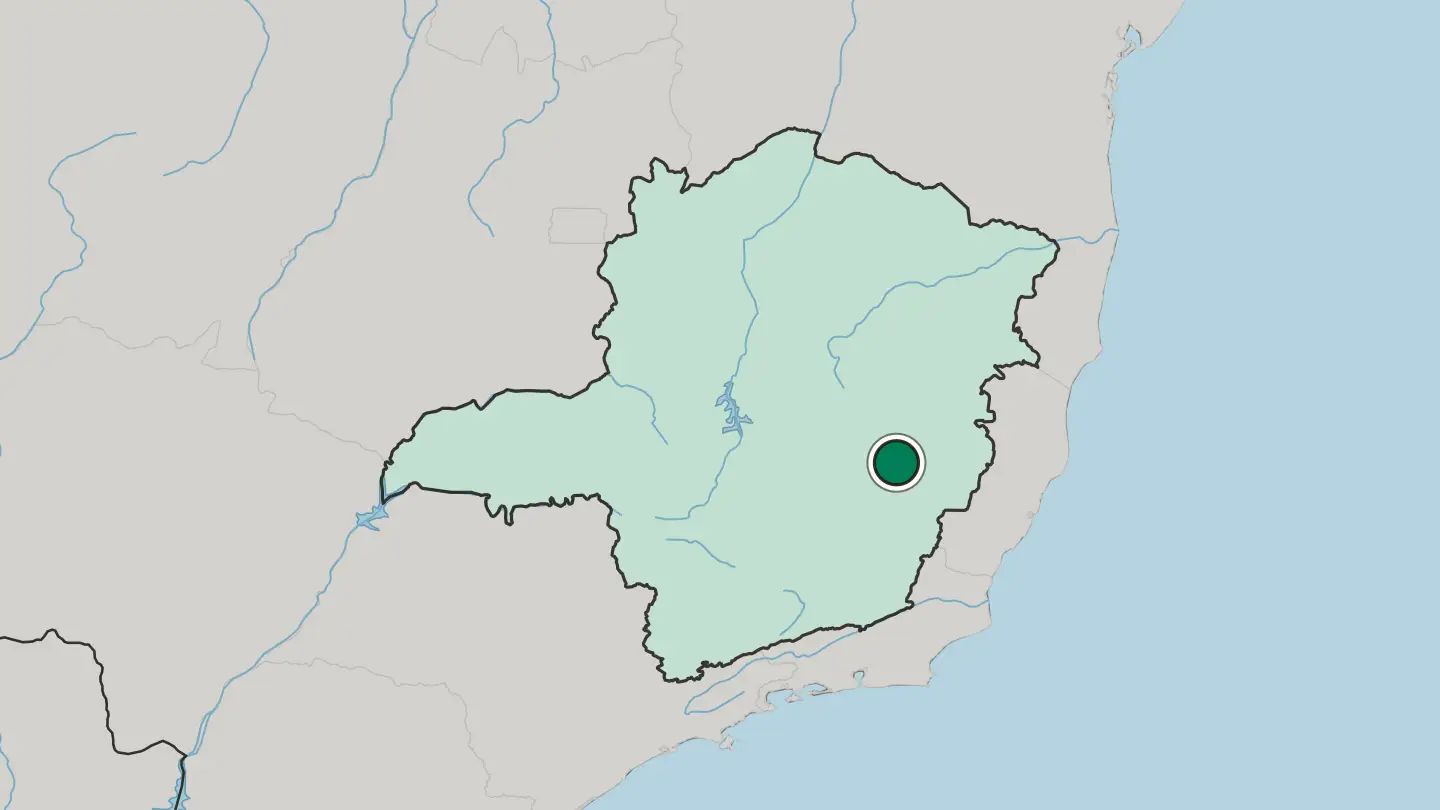
 Brazil
Poços de Caldas
Poços de Caldas is a hydromineral town in southern Minas Gerais, Brazil, laid out around thermal fountains and the Basilica of Our Lady of Good Health.Where to stay →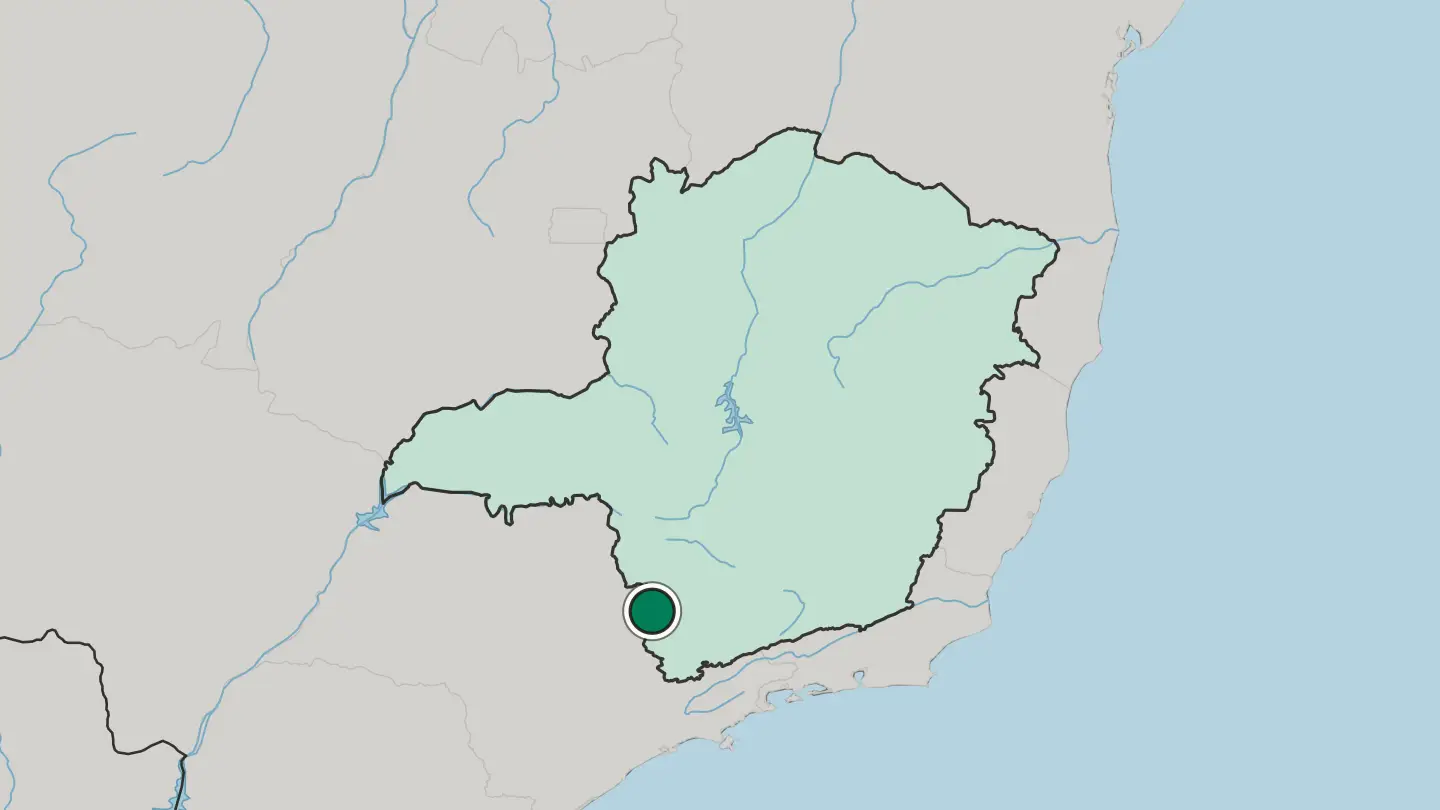
 Brazil
Patos de Minas
Patos de Minas is an inland Minas Gerais city dating from 1868, its listed fabric led by the Igreja Matriz de Santana and the Palácio dos Cristais.Where to stay →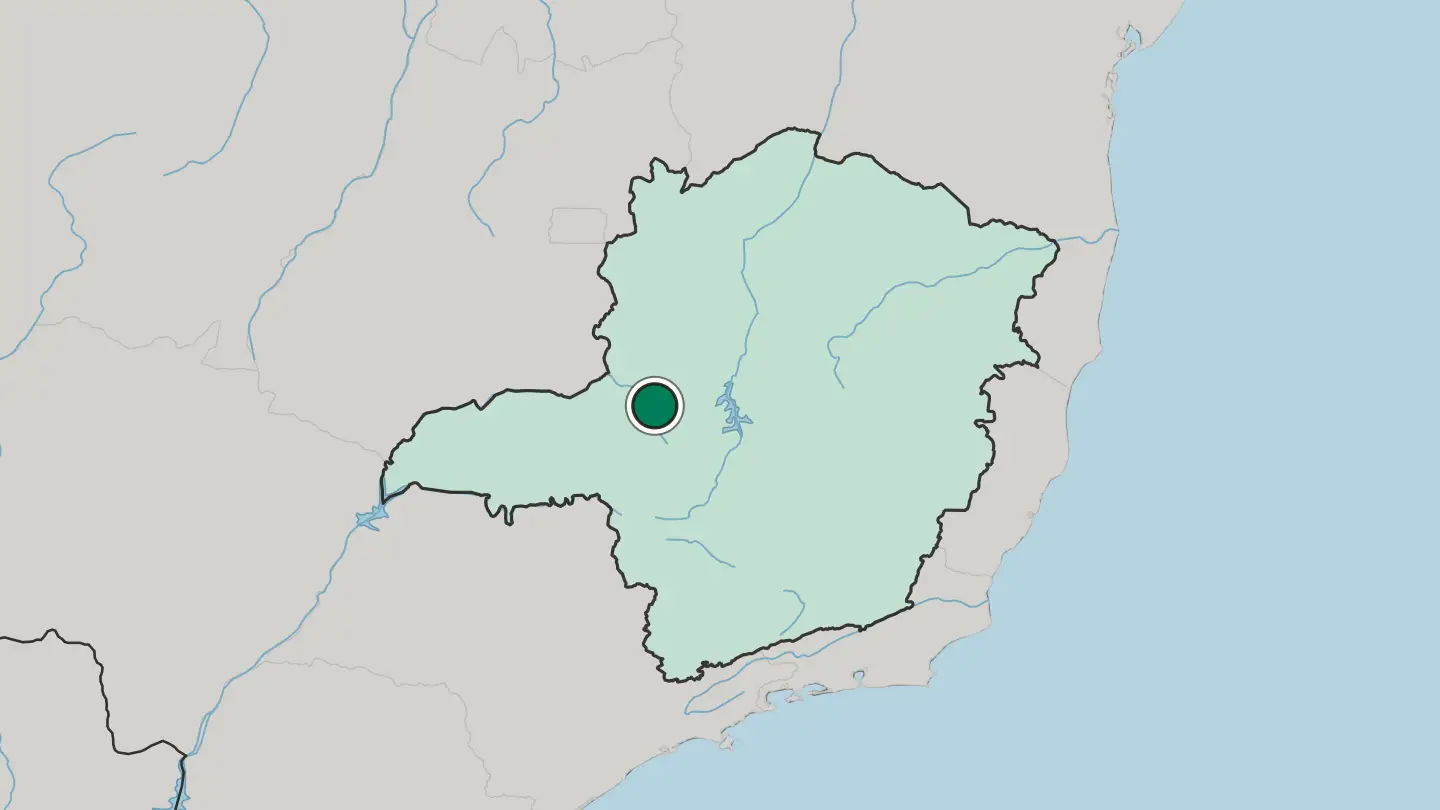
 Brazil
Pouso Alegre
Pouso Alegre is a city in southern Minas Gerais, Brazil, spread along the valley of the Sapucaí River.Where to stay →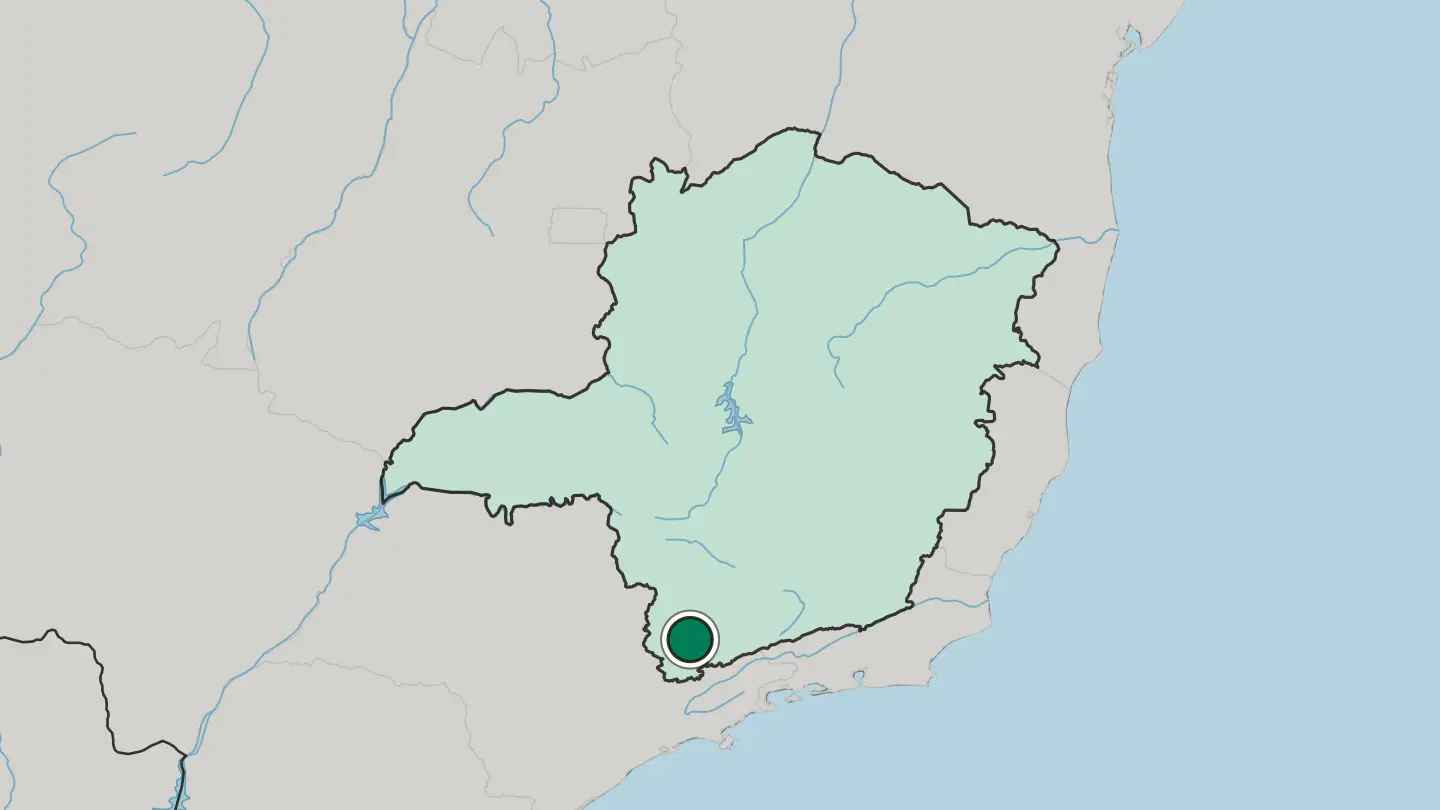
 Brazil
Varginha
Varginha trades the coffee of the Sul de Minas, and its old squares carry Theatre Capitólio, Cine Rio Branco and two municipal museums.Where to stay →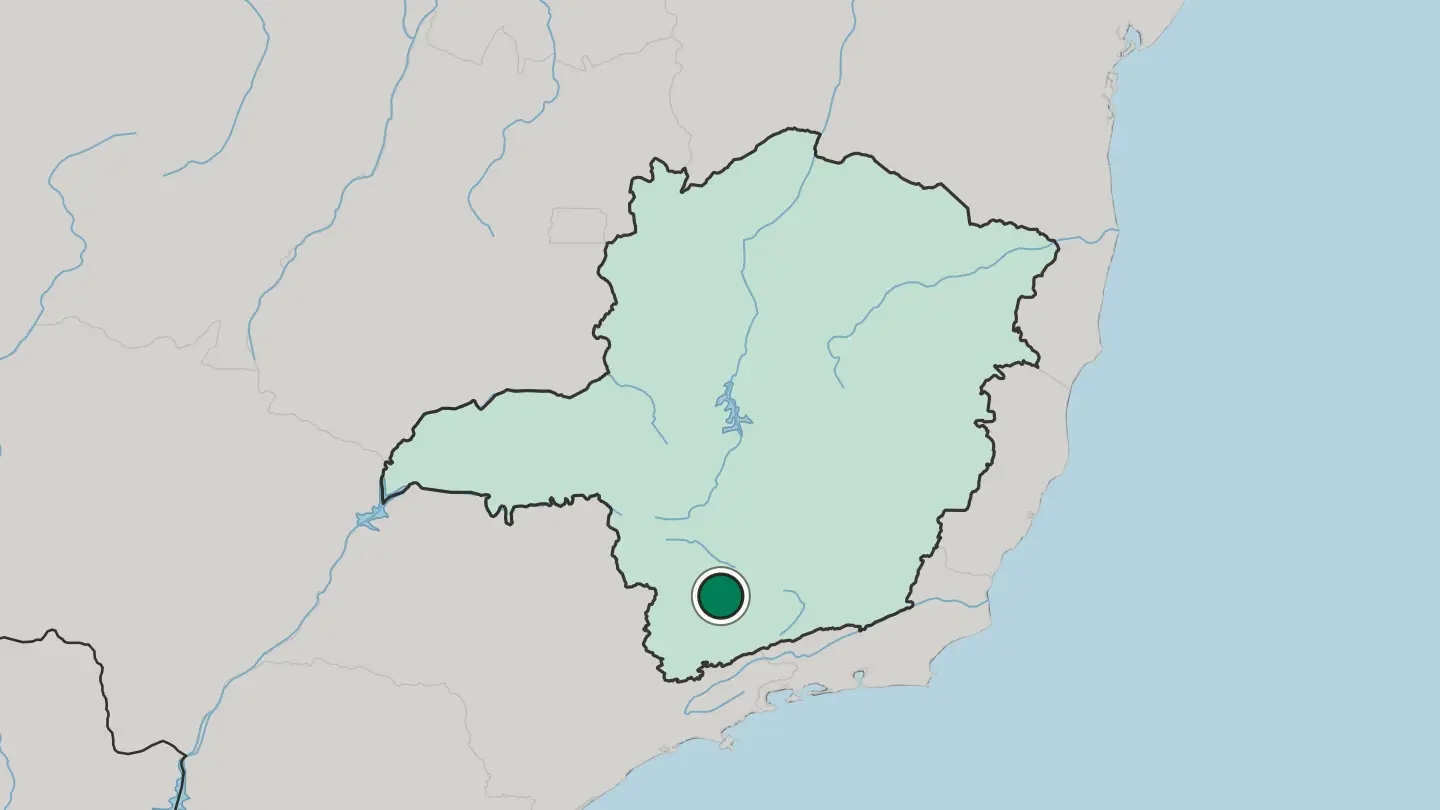 Brazil
Barbacena
Barbacena is a municipality of Minas Gerais dated to 1791, its landmarks running from the Basilica of Saint Joseph the Worker to the Madness Museum.Where to stay →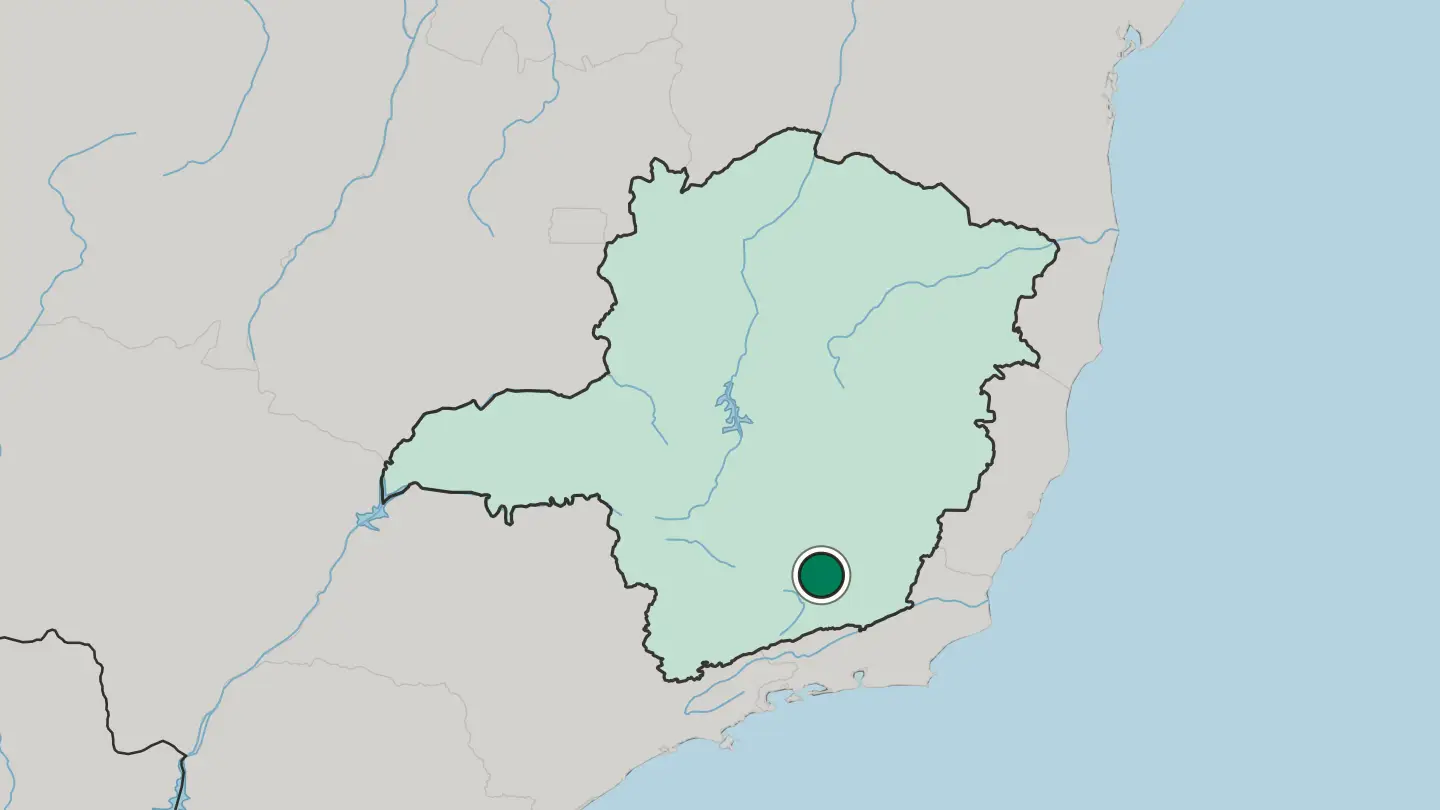
 Brazil
Araxá
Araxá is a museum town of Minas Gerais, northwest of Belo Horizonte, where the Museu Municipal Dona Beja carries the name that the place is known by.Where to stay →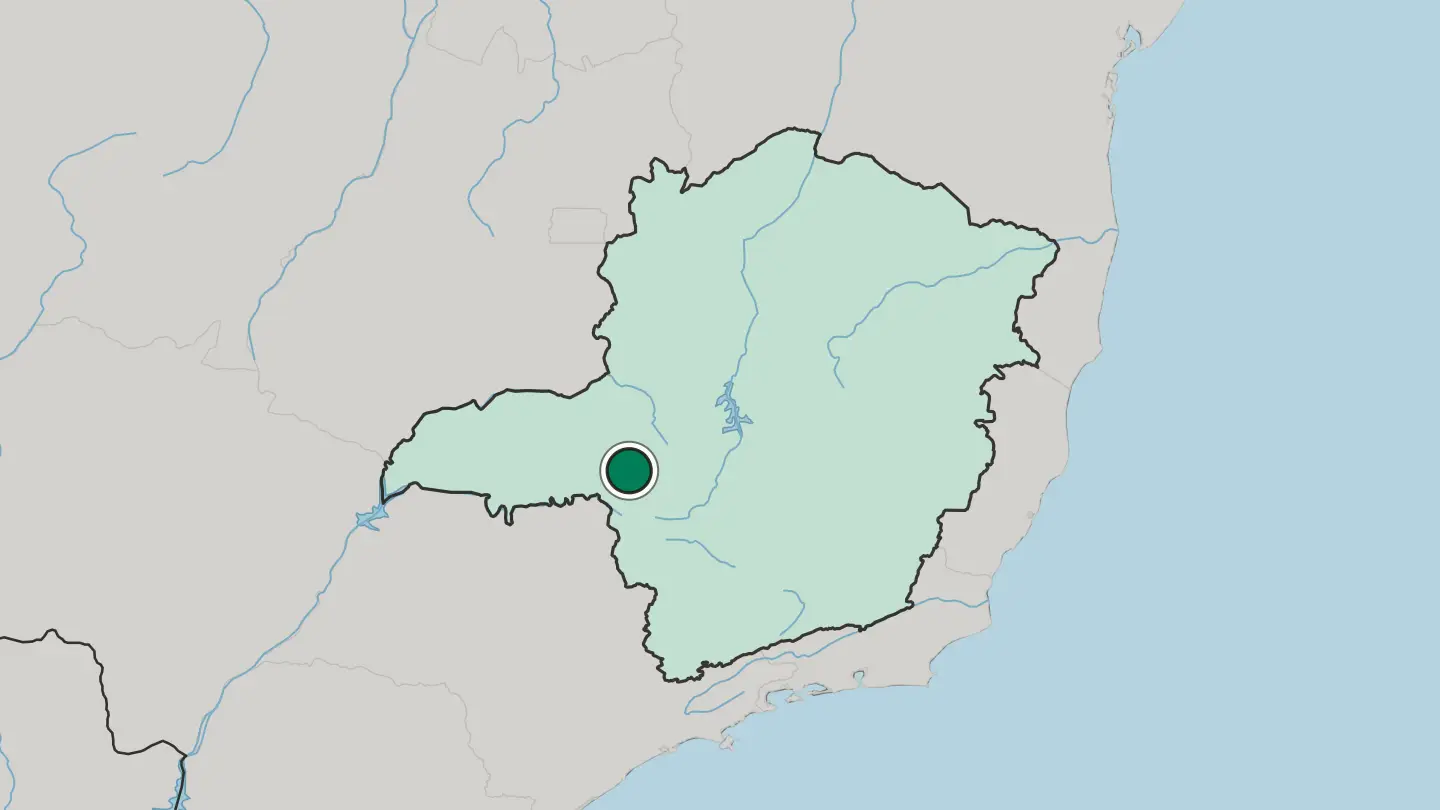 Brazil
Teófilo Otoni
Teófilo Otoni is a city of the Mucuri River valley in Minas Gerais, Brazil, founded in 1853 and grown around Praça Tiradentes.Where to stay →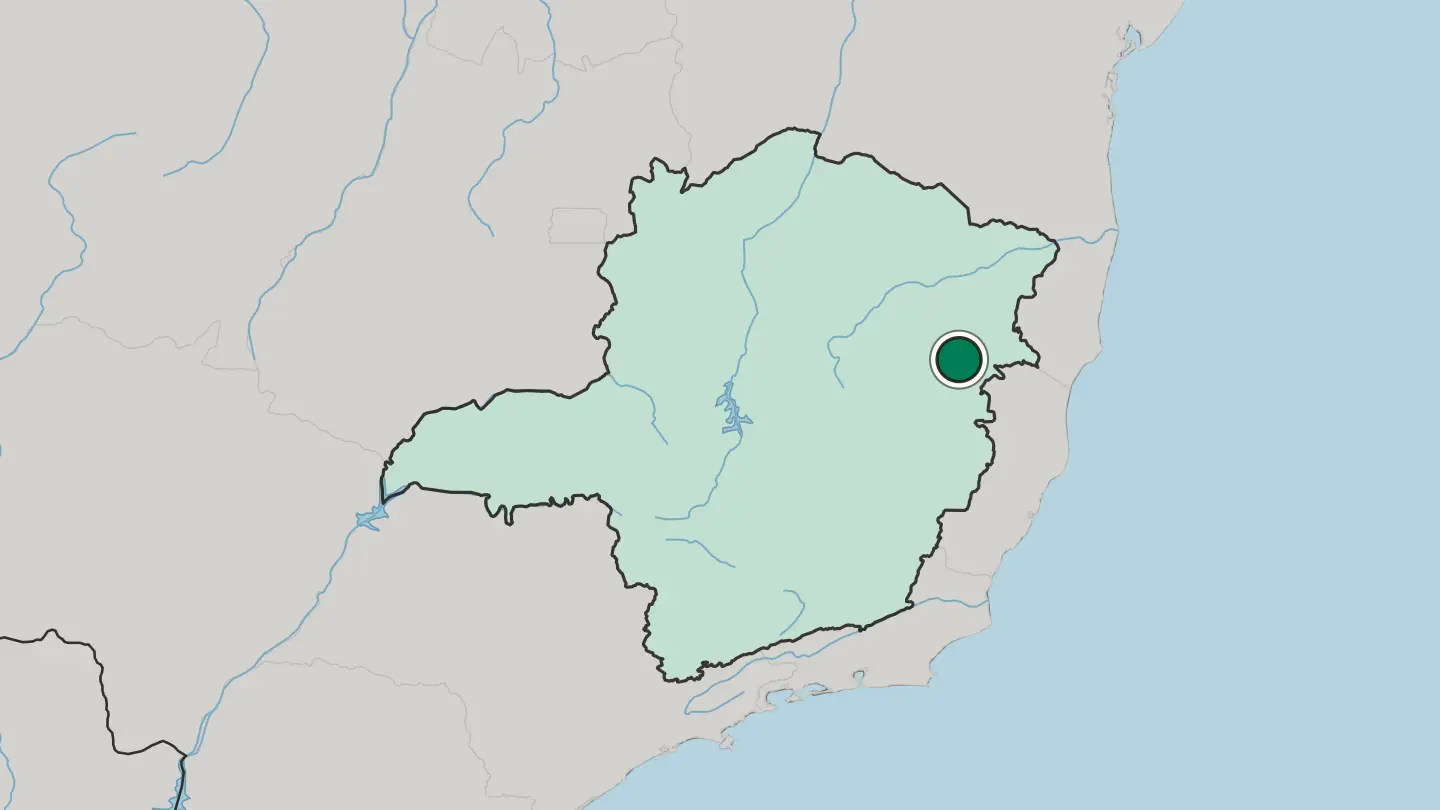
 Brazil
São João del Rei
São João del Rei is a town of churches and museums in Minas Gerais, Brazil, with a municipal life running back to 1701.Where to stay →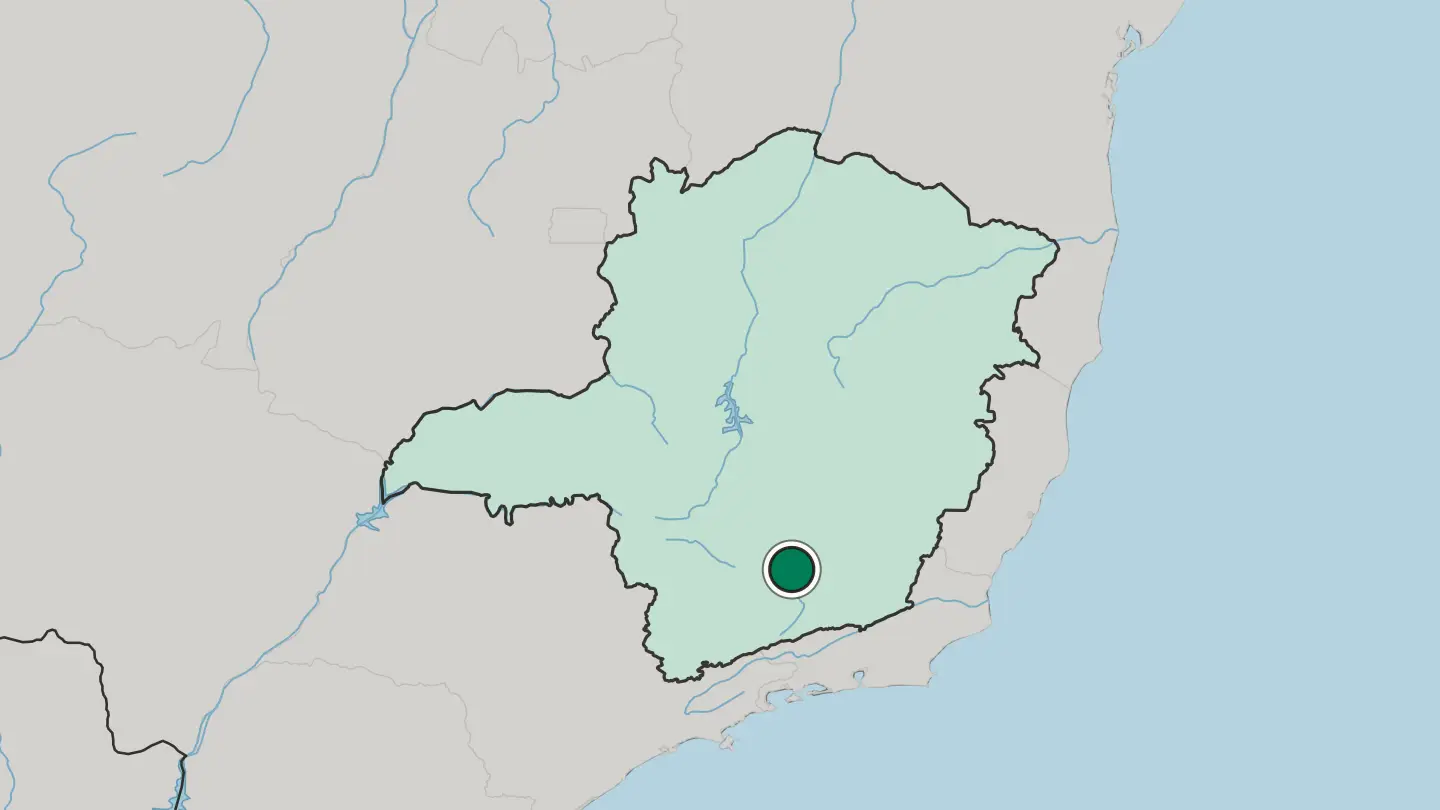 Brazil
Três Corações
Três Corações is a city in southern Minas Gerais, Brazil, known worldwide as the birthplace of Pelé and dating as a settlement to 1760.Where to stay →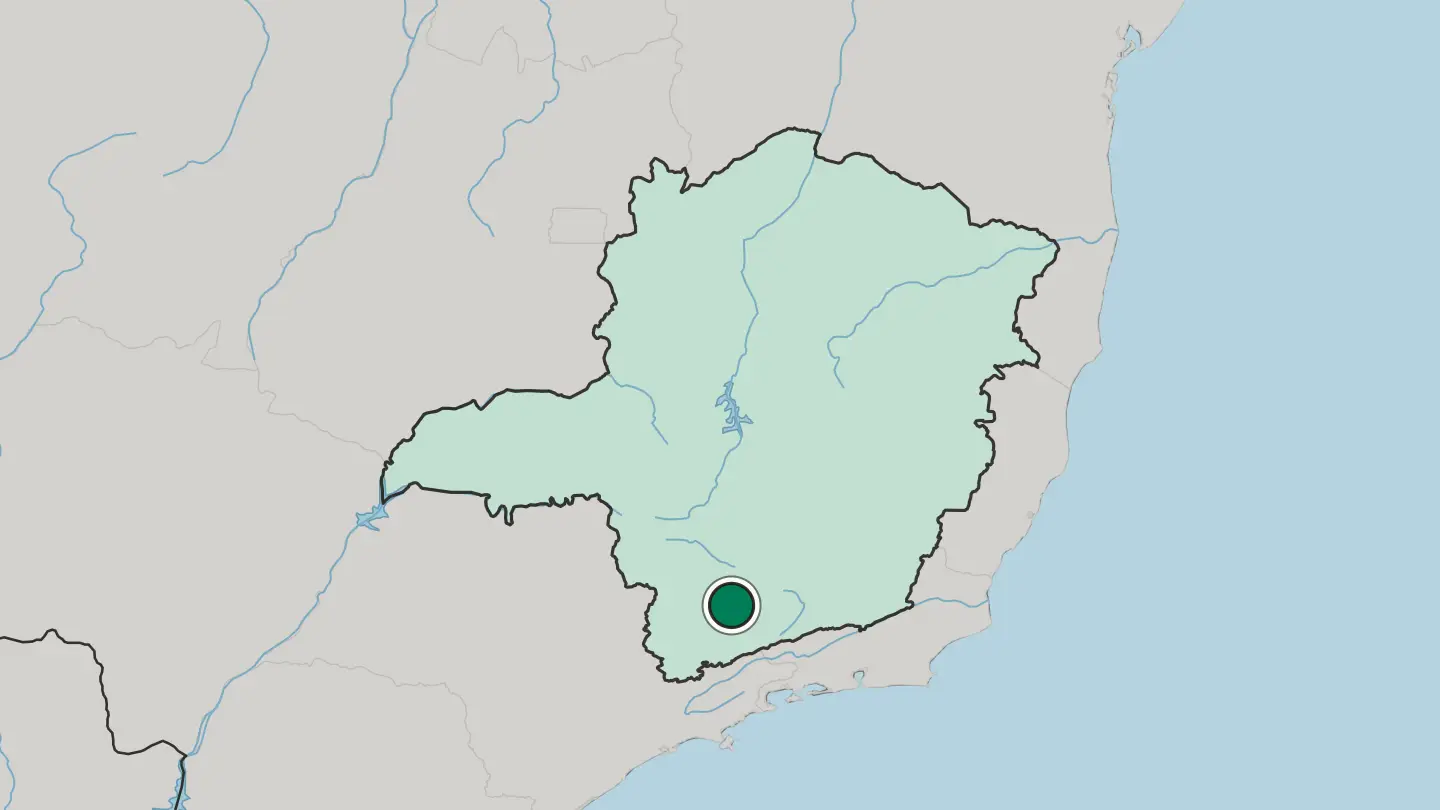
 Brazil
Ouro Preto
Ouro Preto, once Vila Rica, is a colonial mining town in the Serra do Espinhaço, listed by UNESCO for its Baroque architecture.Where to stay →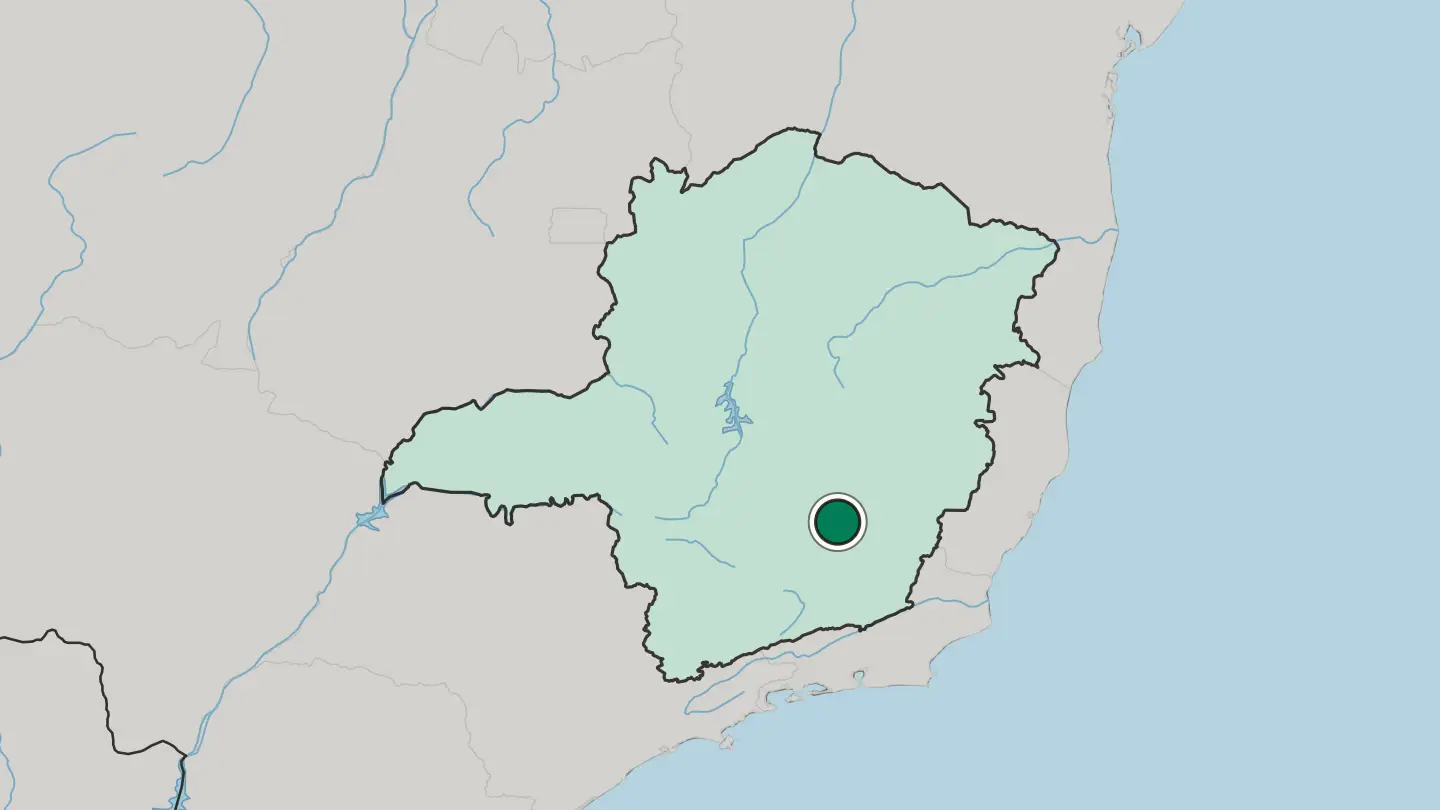
Hotel links are affiliate links: booking through them may earn us a commission, at no extra cost to you. It never affects how places are ranked. How this works
About Minas Gerais
The name itself means general mines.
What is Minas Gerais known for?
Gold struck at the close of the 17th century pulled prospectors into these hills, and the wealth they dug out paid for the baroque churches of Ouro Preto, Tiradentes and Diamantina. Belo Horizonte is the capital. The sculptor Aleijadinho carved twelve soapstone prophets on the terrace at Congonhas, work that draws pilgrims and art historians alike.
Its kitchens matter too. Minas Gerais gave Brazil pão de queijo, feijão tropeiro and the sharp aged Canastra cheese.
Where is Minas Gerais?
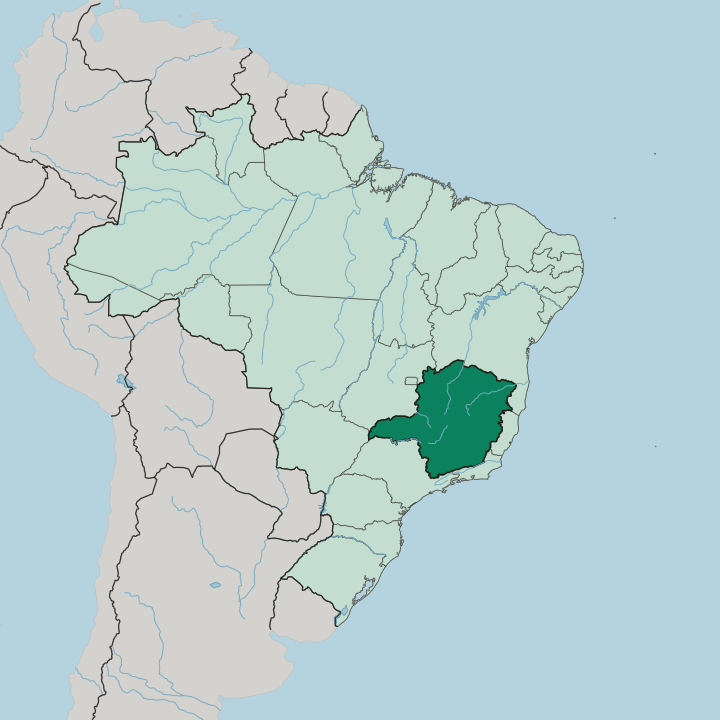
Minas Gerais sits inland, in the Southeast Region of Brazil, and touches no sea. It is the country's fourth largest state by area. Seven neighbours ring it: São Paulo to the south and southwest, Mato Grosso do Sul to the west, Goiás and the Federal District to the northwest, Bahia across the north, Espírito Santo to the east, and Rio de Janeiro to the southeast.
That makes it a crossroads between the coast and the vast Brazilian interior. No coastline softens its edges. The land is high and broken.
The Serra do Espinhaço runs south to north through the state and splits its waters: rivers on the west side feed the São Francisco, which itself rises in the Serra da Canastra in the southwest, while those on the east, the Doce and the Jequitinhonha, run straight for the Atlantic. Belo Horizonte stands on the western slopes of that same range. The Serra da Mantiqueira walls off the southern border with São Paulo and Rio de Janeiro, and near the eastern edge Pico da Bandeira, the third highest mountain in Brazil, rises on the line with Espírito Santo.
Mountains define the state.
What is Minas Gerais like?
Gold built the culture, and the church spent it. Out of that came the Barroco Mineiro, a homegrown baroque of curved facades and soapstone saints that fills the old mining towns. Aleijadinho is its master.
Working with chisels strapped to his ruined hands, he cut the twelve prophets that stand before the sanctuary at Congonhas, and the painter Manoel da Costa Ataíde covered the ceilings inside with a distinctly Brazilian heaven. Their work still defines the region's image of itself. Music grew here too, from Baroque choirs to the Clube da Esquina sound out of Belo Horizonte.
Away from the churches, mineiro life is famously plain-spoken and unhurried. The table anchors it. Wood-fired stoves turn out feijão tropeiro, pork and couve, corn dishes and the soft cheese bread eaten across Brazil, washed down with cachaça distilled in the hills.
Artisan makers in the Serra da Canastra press a hard cheese whose recipe is protected national heritage. Portuguese is the language, spoken with the slow, clipped accent that other Brazilians pick out at once. Faith runs through it all, and Holy Week in Ouro Preto still fills the streets with flower carpets and candlelit processions.
What is the history of Minas Gerais?
Bandeirantes from São Paulo found gold in these streams at the end of the 17th century, and Portugal moved fast to control the strike. The Crown carved out the Captaincy of Minas Gerais in 1720 and made Vila Rica, later Ouro Preto, its seat. For a while the mines fed much of the world's gold.
Heavy taxes bred resentment. In 1789 a circle of local elites plotted independence in the Inconfidência Mineira; the plot failed, and its figurehead, Tiradentes, was hanged in 1792. The province became a state when Brazil turned republic, and in 1897 the government abandoned cramped Ouro Preto for a brand-new capital at Belo Horizonte.
What is the climate of Minas Gerais?
Two seasons run the year here, not four. From November to March the rains come, heavy afternoon storms that green the hills; from April to October the skies dry out and the dust settles in. Altitude does the rest.
Belo Horizonte sits high enough on the Serra do Espinhaço to stay mild when the lowlands bake, and the ridges around Diamantina turn genuinely cool at night. The northern valleys along the São Francisco run hot and near-arid. The dry months are the easy time to travel.
How do you get to Minas Gerais?
Almost everyone arrives through Belo Horizonte. Its main airport sits out at Confins, north of the city, officially Tancredo Neves International, and it is the state's busiest gateway, with an Atlantic link to Lisbon and connections through São Paulo and Brasília. From the capital, the historic towns are a drive: Ouro Preto lies about an hour and a half away by road, Diamantina considerably further north.
Trains barely serve the state. One exception survives, the Maria Fumaça steam line between Tiradentes and São João del-Rei.
Common questions
What is the best area to stay in Minas Gerais?
Belo Horizonte: arriving and connecting on to Diamantina. Ouro Preto: the gold-rush baroque towns. Tiradentes: a quiet colonial base. Diamantina: the northern Espinhaço highlands.
Good for
More regions in Brazil
Updated September 2026