Brazil · Minas Gerais
Where to Stay in Juiz de Fora, Minas Gerais
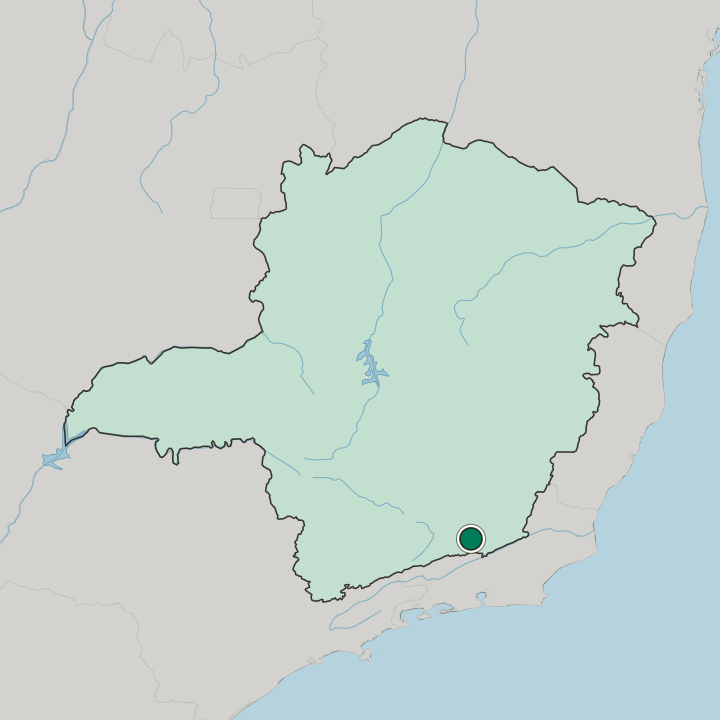
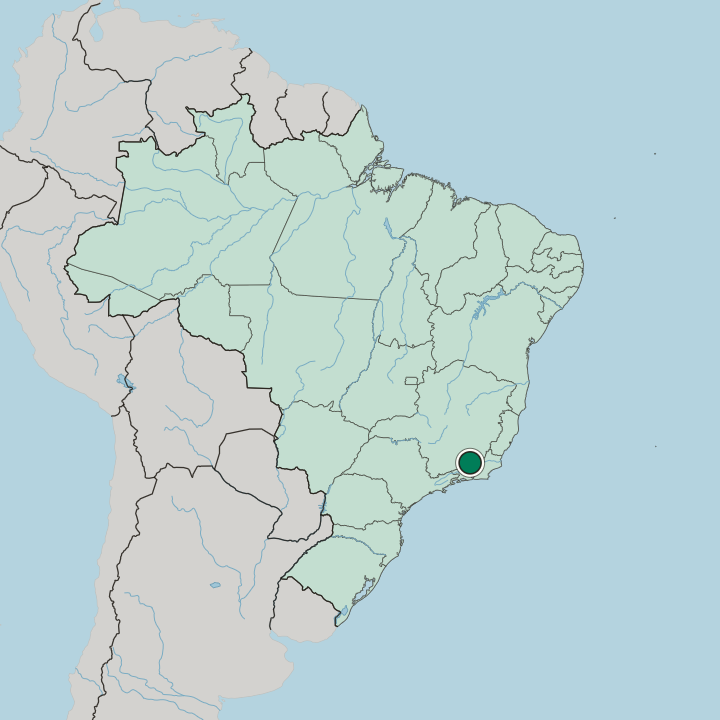
Juiz de Fora is a Minas Gerais city of museums and monuments, about 40 kilometres from the state border with Rio de Janeiro.
Hotel links are affiliate links: booking through them may earn us a commission, at no extra cost to you. It never affects how places are ranked. How this works


Where to stay in Juiz de Fora
Where the beds are, and what that means for the visit.
Rooms near the Monumento Obelisco put the Museu do Crédito Real, the Memorial da República Presidente and a long row of public monuments within one easy afternoon on foot, which suits a first visit made without a car. Churches punctuate the same streets. Igreja Nossa Senhora da Glória, Igreja de São Roque and the Igreja Melquita de São Jorge each hold a corner of the older city, and the Busto do Doutor João Penido stands among them.
Mariano Procópio is the other choice. A stay near the Mariano Procópio Museum trades shopfronts for the museum grounds and the Monumento Mariano Procópio, and it suits travellers who would rather open the day inside a collection than inside traffic. The Museu Ferroviário de Juiz de Fora answers the same appetite.
Beyond those two quarters the municipality of Juiz de Fora runs out across more than a thousand square kilometres of country, so anyone meaning to reach the Monumento Bernardo Mascarenhas, the Monumento Getúlio Vargas, the Monumento Machado Sobrinho and the rest of the monument circuit inside a single day will want a car and an early start. The state line is about 40 kilometres off. That proximity to Rio de Janeiro keeps weekend demand steady, and rooms in the central blocks are worth fixing before a Friday rather than after one.
Monumento Alfredo Lage and Monumento Belmiro Braga sit on the same walking route.
Find hotels in Juiz de Fora
Direct booking searches for these neighbourhoods.
Around the Monumento Obelisco
The Museu do Crédito Real and the Memorial da República Presidente stand within these streetsFind hotels in Around the Monumento ObeliscoTravellers who open the day inside the Mariano Procópio MuseumMariano Procópio
The museum grounds and the Monumento Mariano Procópio set the pace on this side. Beds are limited here, so book early.Find hotels in Mariano ProcópioHotel links are affiliate links: booking through them may earn us a commission, at no extra cost to you. It never affects how places are ranked. How this works
Things to do in Juiz de Fora
Ranked by global recognition; descriptions from Wikidata (CC0).
Museums & Galleries
3- Mariano Procópio Museum Heritage
- Museu Ferroviário de Juiz de Fora
- Museu do Crédito Real
Churches & Religious Sites
3- Igreja Nossa Senhora da Glória Heritage
- Igreja de São Roque (Juiz de Fora) Heritage
- Igreja Melquita de São Jorge, Juiz de Fora
Castles & Historic Sites
8- Busto do Doutor João Penido Heritage
- Monumento Alfredo Lage Heritage
- Monumento Antônio Firjan Heritage
- Monumento Belmiro Braga Heritage
- Monumento Bernardo Mascarenhas Heritage
Show 3 more →
- Monumento Camões Heritage
- Monumento Dilermando Cruz Heritage
- Monumento Dom Justino Heritage
worth knowingacross 3 categories in Juiz de Fora
About Juiz de Fora
What is Juiz de Fora known for?
Juiz de Fora carries an unusual density of civic memory, with the Mariano Procópio Museum, the Museu Ferroviário de Juiz de Fora and the Museu do Crédito Real all holding collections inside one municipality. Statues are everywhere. The Monumento ao Cristo Redentor, the Monumento Obelisco and the Monumento Camões stand among more than a dozen public monuments raised to figures this city chose to remember.
Rio de Janeiro begins just down the road.
What are the main landmarks in Juiz de Fora?
Monuments outnumber everything else. Alongside the Monumento ao Cristo Redentor and the Monumento Obelisco stand the Monumento Alfredo Lage, the Monumento Belmiro Braga, the Monumento Dilermando Cruz, the Monumento Antônio Firjan and the Monumento Machado Sobrinho. Two Halfelds are commemorated.
The Monumento a Francisco Halfeld and the Monumento Henrique Guilherme Fernando Halfeld both survive, as do the Monumento Dom Justino, the Monumento Dom Lasagna, the Monumento Hermenegildo Villaça and the Monumento Menelick de Carvalho.
What is the history of Juiz de Fora?
The city dates from 1850. Juiz de Fora keeps two separate monuments to the Halfeld name, the Monumento a Francisco Halfeld and the Monumento Henrique Guilherme Fernando Halfeld, which is a striking amount of commemoration for one family. Industry followed.
The Monumento Bernardo Mascarenhas and the Museu do Crédito Real record the manufacturing and the banking that carried the municipality through its first century, while the Museu Ferroviário de Juiz de Fora holds what the railway left behind when it went. Politics laid down another layer, and the Memorial da República Presidente together with the Monumento Getúlio Vargas ties this inland city to the national story that ran through the twentieth century. Faith arrived in several forms.
Igreja Nossa Senhora da Glória and Igreja de São Roque belong to the Catholic parish tradition, while the Igreja Melquita de São Jorge marks an Eastern Catholic congregation settled in the same streets. The Monumento Camões honours a Portuguese poet. Mariano Procópio gave his name to both a museum and a monument, and the pairing shows how thoroughly Juiz de Fora set its own history down in public, from the Busto do Doutor João Penido to the Monumento Menelick de Carvalho.
Rio de Janeiro was always close. Minas Gerais gave the city its administrative frame, but the border a short drive away gave it a second orientation that the monuments quietly record.
Where is Juiz de Fora?
The state line is the nearest large fact. Juiz de Fora lies about 40 kilometres from the boundary between Minas Gerais and Rio de Janeiro, and its municipal territory runs to well over a thousand square kilometres of open country wrapped around a much smaller built-up core. Rio de Janeiro begins past that edge.
The rest of the municipality carries the roads that tie the city to the smaller places around it, which is why so much of the ground reads as farmland rather than suburb.
What is the climate of Juiz de Fora?
Distance from the coast decides it. Juiz de Fora sits inland of the Rio de Janeiro shore in the tropical band of the southern hemisphere, so its year splits into a wet stretch and a dry one instead of into a proper summer and winter. The dry months are the reliable ones for a monument walk.
Minas Gerais keeps its own inland pattern, well back from the sea.
How do you get to Juiz de Fora?
The border is 40 kilometres off. Most approaches to Juiz de Fora come overland from Rio de Janeiro across that boundary or down from the interior of Minas Gerais, and the position between the two has kept the city on the through traffic between them for well over a century. Its railway past survives in the Museu Ferroviário de Juiz de Fora.
Once inside, the circuit around the Monumento Obelisco and the Igreja Nossa Senhora da Glória works on foot, while the outer municipality needs a car.
Common questions
What is the best area to stay in Juiz de Fora?
Around the Monumento Obelisco: First visits pacing the monument circuit on foot. Mariano Procópio: Travellers who open the day inside the Mariano Procópio Museum.
Good for
More cities in Minas Gerais
Updated October 2026