Brazil · Minas Gerais
Where to Stay in Ipatinga, Minas Gerais
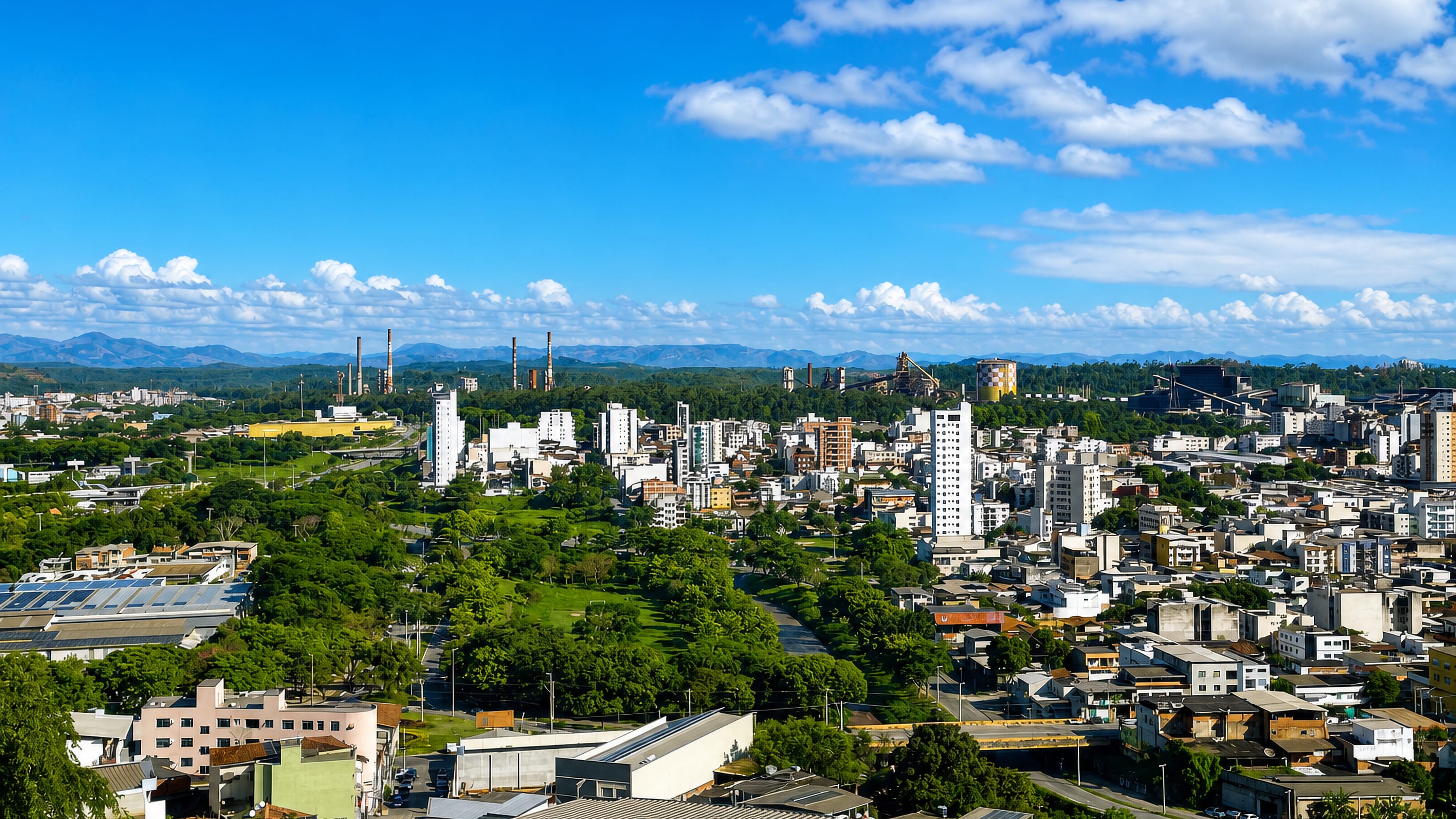
Ipatinga stands near the confluence of the Piracicaba River and the Doce River, in the Vale do Aço of interior Minas Gerais.
Hotel links are affiliate links: booking through them may earn us a commission, at no extra cost to you. It never affects how places are ranked. How this works


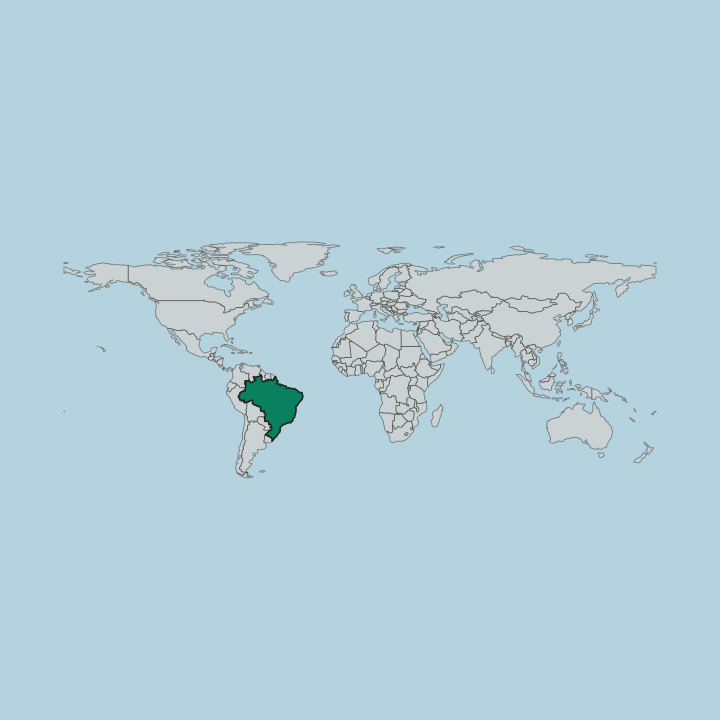
Where to stay in Ipatinga
One neighbourhood here has its own guide — here's what it is best for.

 IpatingaBrazil
Nova Esperança
Nova Esperança is a district of Ipatinga, in Minas Gerais, and the record carries little beyond the name.Where to stay →Hotel links are affiliate links: booking through them may earn us a commission, at no extra cost to you. It never affects how places are ranked. How this works
Find hotels in Ipatinga
Direct booking searches for these neighbourhoods.
Centro
The Dancing Club of Our Lady of the Rosary and Saint Vincent de Paul Church stand within these blocksFind hotels in CentroQuieter nights one crossing from the commercial blocksVeneza
Reached by the iron bridge between Centro and Veneza, away from the theatre district. Few places to stay nearby — book ahead.Find hotels in VenezaHotel links are affiliate links: booking through them may earn us a commission, at no extra cost to you. It never affects how places are ranked. How this works
Things to do in Ipatinga
Ranked by global recognition; descriptions from Wikidata (CC0).
Museums & Galleries
2- Estação Memória Zeza Souto Heritage
- Ipatinga Science Park
Churches & Religious Sites
3- Our Lady of Hope Church Heritage
- Saint Vincent de Paul Church Heritage
- Igreja do Barra Alegre (Ipatinga) Heritage
Nature & Outdoors
1- White Stone Heritage
Landmarks & Notable Places
2- Dancing Club of Our Lady of the Rosary Heritage
- Iron bridge between Centro and Veneza Heritage
worth knowingacross 4 categories in Ipatinga
About Ipatinga
Ipatinga anchors the Vale do Aço.
What is Ipatinga known for?
The municipal seat sits close to the confluence of the Piracicaba River and the Doce River, and the Ipatinga Science Park, the Zélia Olguin Theater and Ipanema Park supply the built-up strip with its public set pieces. Railway heritage runs through it. Estação Pedra Mole, Pouso de Água Limpa station and Casa dos Ferroviários all survive from that era.
What are the main landmarks in Ipatinga?
Ipatinga keeps an unusually long list. Estação Pedra Mole, Pouso de Água Limpa station, Casa dos Ferroviários and the Estação Memória Zeza Souto together mark the railway past, while Our Lady of Hope Church, Saint Vincent de Paul Church and Igreja do Barra Alegre carry the parish history of the districts. Two protected trees make the roll as well: the Ficus elástica and the Árvore ipê-peroba.
White Stone and Academia Olguin round it out.
What is the history of Ipatinga?
The municipality dates from 1964. Before that the place was a stop on the line, and the Ruínas do Prédio da Estação Ferroviária de Pedra Mole, together with Pouso de Água Limpa station and Casa dos Ferroviários, are what remains of that railway village. Farmland came first.
Fazendinha and Farm Bom Jardim carry the older rural names into a municipality that filled out quickly once industry took hold across the Vale do Aço. Growth ran along the Vale do Rio Doce, and public life gathered in buildings that later joined the heritage list: the Grande Hotel Ipatinga, the Dancing Club of Our Lady of the Rosary, the Zélia Olguin Theater and Academia Olguin. Churches followed the districts.
Our Lady of Hope Church, Saint Vincent de Paul Church and Igreja do Barra Alegre each hold a quarter of Ipatinga. The iron bridge between Centro and Veneza knitted two sides of the built-up area together, and the Estação Memória Zeza Souto turned a railway building into the place that keeps the record of all of it. White Stone belongs to the same list.
Ipanema Park and the Ipatinga Science Park came out of the later city, one giving it green ground and the other a public face for the technical work that the Vale do Aço is known for, while the Ficus elástica and the Árvore ipê-peroba were protected as living monuments of the older landscape.
Where is Ipatinga?
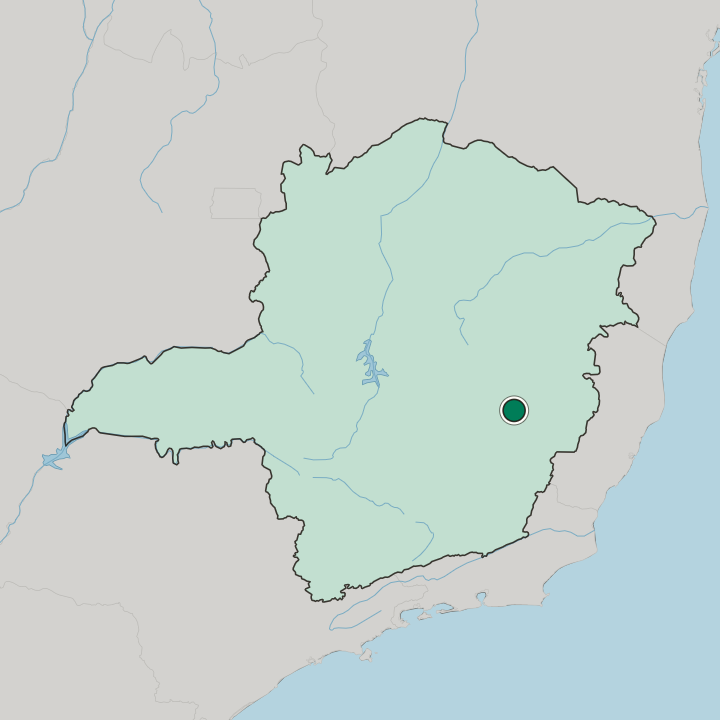
Two rivers join below the seat. The municipal seat of Ipatinga sits close to the confluence of the Piracicaba River and the Doce River within the Vale do Rio Doce, and the municipality covers just over 160 km², of which roughly 40 km² is urban ground. The Vale do Aço Metropolitan Region takes in the towns around.
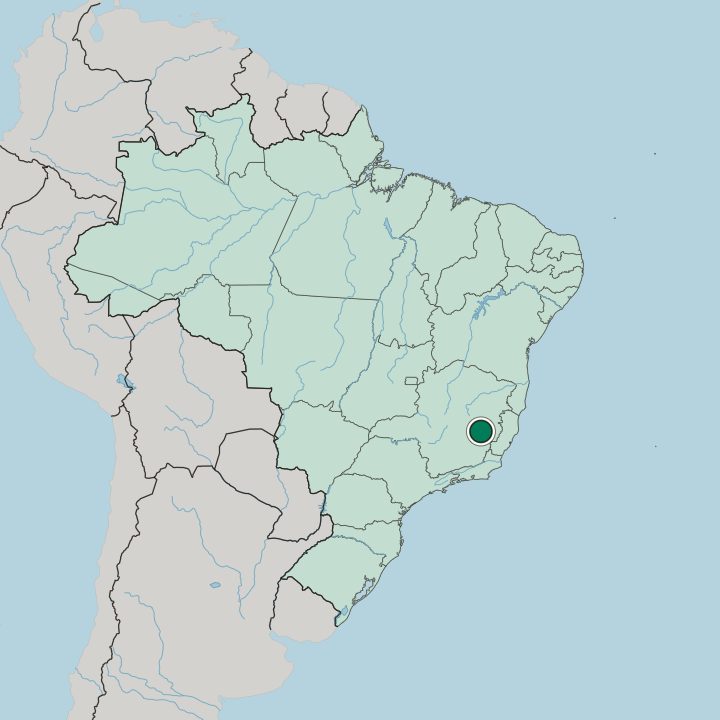
Interior Minas Gerais spreads away beyond that ring, part of the Southeast Region of Brazil.
What is the climate of Ipatinga?
The Doce River valley holds the warmth. Ipatinga lies within the tropical band south of the equator, so its calendar divides into a wet season and a dry one rather than into cold and warm halves, and the low floor of the Vale do Rio Doce carries that heat through the year. Humidity follows the rivers.
Both the Piracicaba River and the Doce River keep the air damp across the wet months.
How do you get to Ipatinga?
The state capital lies 210 km off. Roads running east from it reach the Vale do Aço Metropolitan Region, and Ipatinga sits at the end of that approach beside the Doce River. The old line survives only in fragments: Estação Pedra Mole, Pouso de Água Limpa station and the Ruínas do Prédio da Estação Ferroviária de Pedra Mole.
Crossing between Centro and Veneza means the iron bridge.
Common questions
What is the best area to stay in Ipatinga?
Centro: First stays wanting the Zélia Olguin Theater and Grande Hotel Ipatinga on foot. Veneza: Quieter nights one crossing from the commercial blocks.
Good for
More cities in Minas Gerais
Updated October 2026