Brazil · Minas Gerais
Where to Stay in Uberaba, Minas Gerais
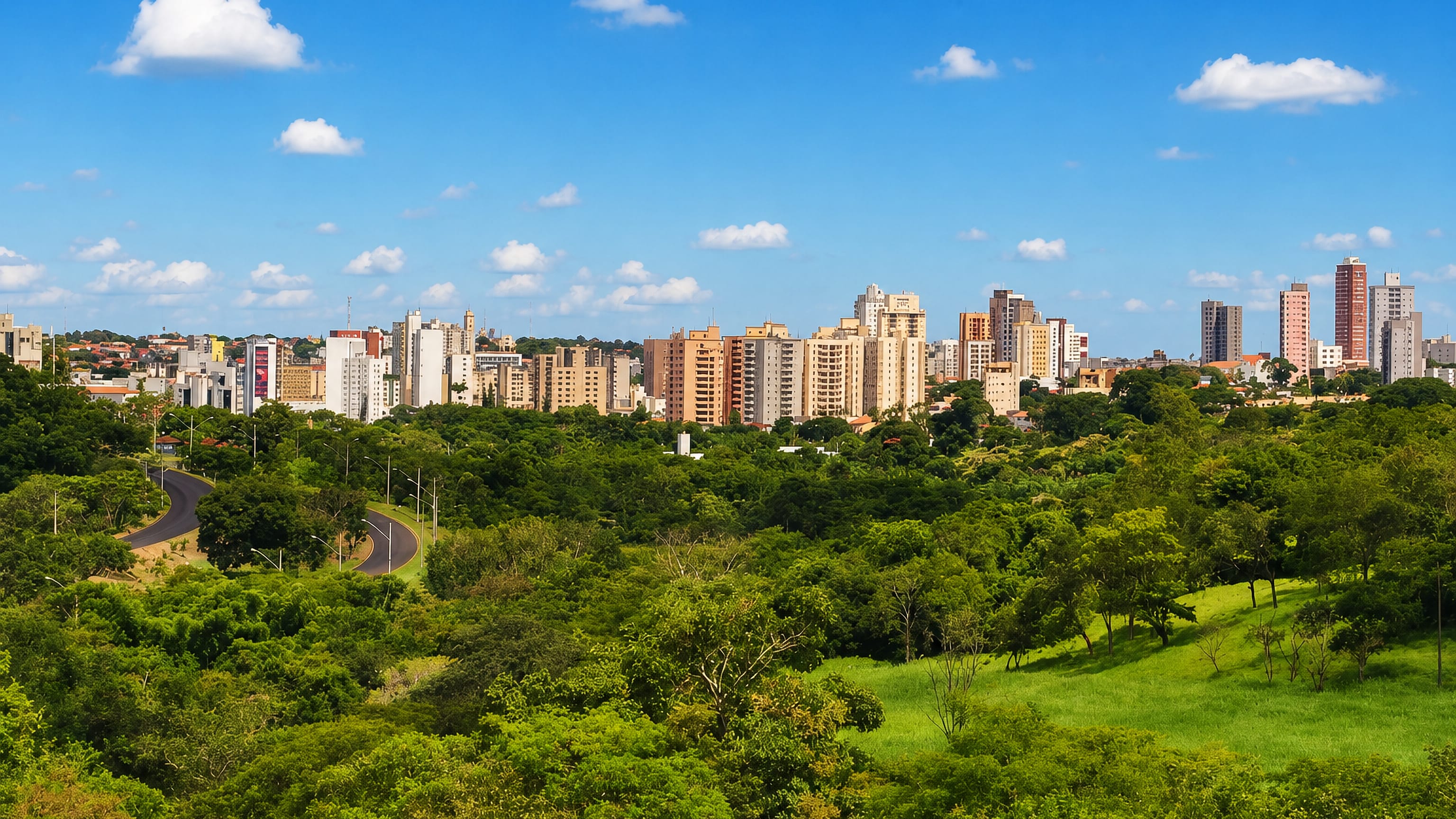
Uberaba is a city of the Triângulo Mineiro in Minas Gerais, Brazil, called The Land of Giants for the dinosaur skeletons found in its ground.
Hotel links are affiliate links: booking through them may earn us a commission, at no extra cost to you. It never affects how places are ranked. How this works


Where to stay in Uberaba
How the choice of base plays out on the ground.
The old streets around the Saint Rita church hold the shortest walks in Uberaba, which is the main argument for booking there. Museums cluster on the same side. The Museu de Arte Sacra de Uberaba, the Casa de Memórias e Lembranças, and the Museu da Capela are close enough to see in a single afternoon, and the Residence Pedro Salomão adds another façade to the same route.
Parque Jacarandá changes the calculation for anyone travelling with children or wanting green ground first thing. Rooms near the park trade a few minutes of walking for shade and space, and they sit far enough from the commercial grid that evenings stay quiet without putting the centre out of reach. That suits longer stays.
The Fundação Museu do Zebu Edilson Lamartine Mendes pulls in a different crowd, and the outer blocks near it come with parking, which suits you if a car and the Triângulo Mineiro road network are part of the plan. Uberaba spreads across a lot of ground. Its municipal area is one of the largest in this part of Minas Gerais, so a room in the wrong quarter costs real driving time rather than a longer stroll, and that is worth checking before booking.
Find hotels in Uberaba
Direct booking searches for these neighbourhoods.
Around the Saint Rita church
The Saint Rita church and the Museu de Arte Sacra de Uberaba stand close together in the older part of the city.Find hotels in Around the Saint Rita churchmornings that begin with a walk in Parque JacarandáParque Jacarandá edge
Parque Jacarandá gives green ground and shade a short way out from the commercial grid of Uberaba.Find hotels in Parque Jacarandá edgevisitors working through the Casa de Memórias e Lembranças and the Museu da CapelaCasa de Memórias e Lembranças blocks
The Casa de Memórias e Lembranças and the Museu da Capela sit near enough to fill an afternoon on foot.Find hotels in Casa de Memórias e Lembranças blocksdrivers here for the Fundação Museu do Zebu Edilson Lamartine Mendes and the cattle tradeOut by the Fundação Museu do Zebu
The Fundação Museu do Zebu Edilson Lamartine Mendes anchors an outer stretch where parking comes with the room. Rooms are few around here — worth securing early.Find hotels in Out by the Fundação Museu do ZebuHotel links are affiliate links: booking through them may earn us a commission, at no extra cost to you. It never affects how places are ranked. How this works
Things to do in Uberaba
Ranked by global recognition; descriptions from Wikidata (CC0).
Museums & Galleries
3- Museu de Arte Sacra (Uberaba)
- Casa de Memórias e Lembranças
- Fundação Museu do Zebu Edilson Lamartine Mendes
Churches & Religious Sites
1- Saint Rita church, Uberaba Heritage
Nature & Outdoors
1- Parque Jacarandá
Landmarks & Notable Places
1- Residence Pedro Salomão Heritage
worth knowingacross 4 categories in Uberaba
About Uberaba
What is Uberaba known for?
Uberaba's reputation comes from two directions. Paleontologists found dinosaur skeletons in the ground here, which earned the city the name The Land of Giants, and the Fundação Museu do Zebu Edilson Lamartine Mendes gives an entirely different speciality its own building. Food counts as a third draw.
Restaurants across the city serve Mineira regional cooking, and Uberaba works as a cultural centre for the surrounding Triângulo Mineiro rather than as a place people pass through.
What are the main landmarks in Uberaba?
The Saint Rita church heads the built list. Sacred art has two addresses, the Museu de Arte Sacra de Uberaba and the Museu da Capela, while the Casa de Memórias e Lembranças keeps the domestic and civic record and the Residence Pedro Salomão preserves a single house. Cattle get a foundation of their own.
The Fundação Museu do Zebu Edilson Lamartine Mendes covers the zebu subject in full, and Parque Jacarandá supplies the green counterweight to all that indoor material.
What is the history of Uberaba?
Uberaba's municipal life begins in 1820, but the ground under it is very much older. Paleontologists working here recovered dinosaur skeletons, and the find gave the city its nickname, The Land of Giants, which has since done more for its name outside Minas Gerais than any building. Deep time came first.
The town itself grew as a centre for the Triângulo Mineiro. Saint Rita church fixed a parish, and the Residence Pedro Salomão survives from the period when private houses in Uberaba were substantial enough to be worth keeping. Cattle shaped the rest.
The zebu trade left a permanent institution in the Fundação Museu do Zebu Edilson Lamartine Mendes, which is an unusual thing for a city to build and a fair indication of what the surrounding country lived on. Collections arrived as the city matured. The Museu de Arte Sacra de Uberaba and the Museu da Capela gathered devotional objects, while the Casa de Memórias e Lembranças took on the domestic side of the same century, and Parque Jacarandá gave the growing grid a piece of open ground.
Cooking became part of the record too. Mineira regional cuisine is served across the city, and it belongs to the same accumulation of local practice that the museums document from a different angle.
Where is Uberaba?
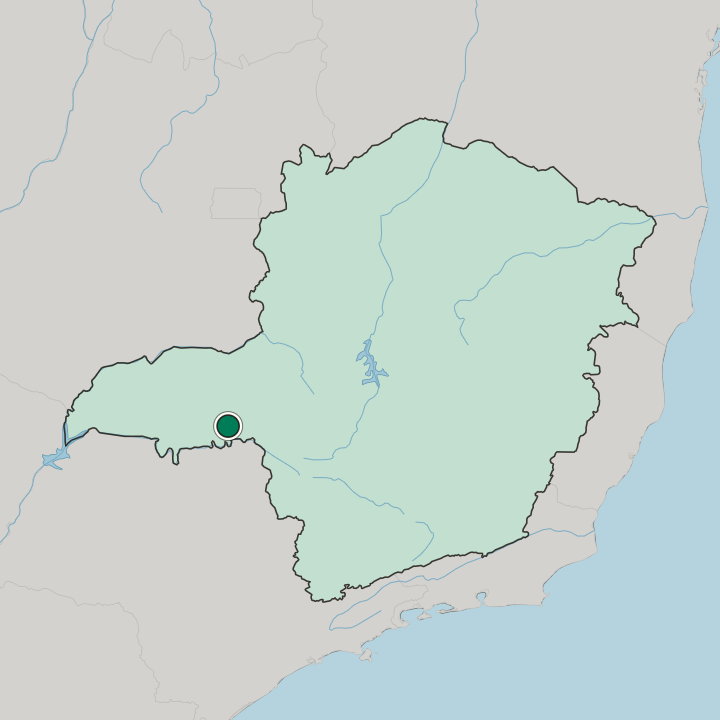
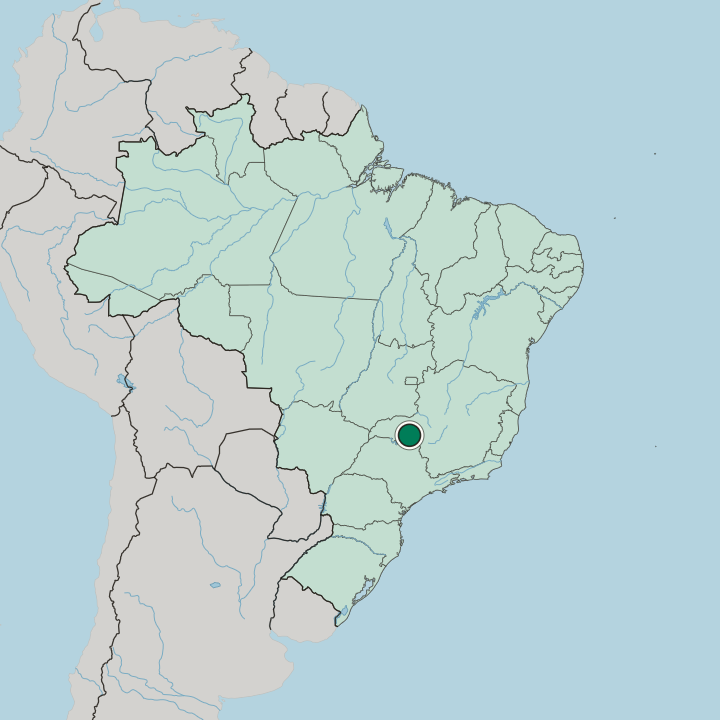
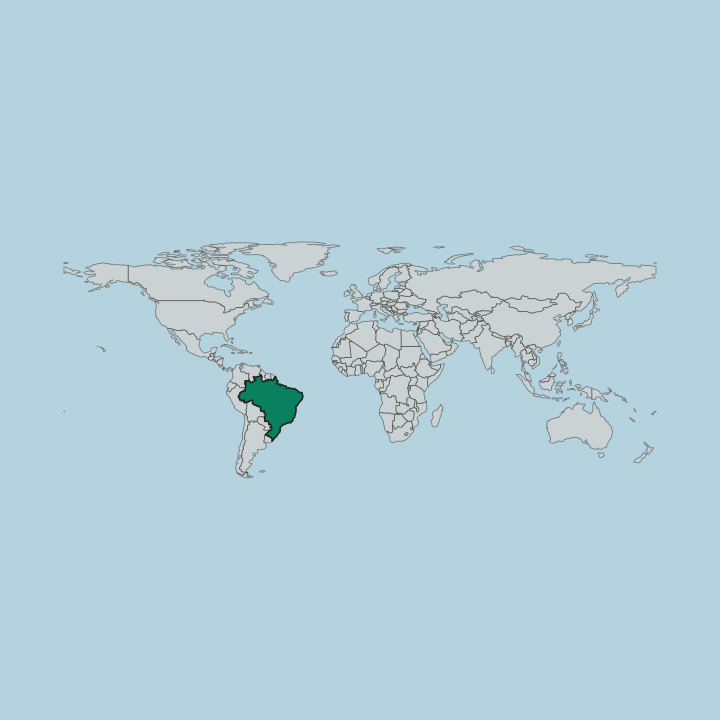
Uberaba lies in the Triângulo Mineiro, a distinct region within Minas Gerais that carries its own name and identity. The municipality is very large. Its boundary takes in a great sweep of inland country, far more than the city itself covers, and no coast comes anywhere near this part of Brazil.
Parque Jacarandá supplies the green inside the built area.
What is the climate of Uberaba?
Distance from the sea does the work here. Uberaba sits in the tropical band far inland, with no ocean within reach to soften anything, so the year divides into a wet warm half and a dry cooler one rather than into four familiar seasons. The southern calendar applies.
Rain concentrates around the turn of the year, the middle months run drier, and a visitor arriving from the northern hemisphere finds the seasons exactly reversed.
How do you get to Uberaba?
No airport, station, or road number appears in the sources. Road is the assumption. Uberaba works as the cultural hub of the Triângulo Mineiro, which means the traffic reaching it is mostly regional, arriving from the towns it serves rather than down a single long-distance corridor.
Once there, the Saint Rita church, the Museu de Arte Sacra de Uberaba, and Parque Jacarandá are reachable on foot from a central room, though the outer municipality needs a car.
Common questions
What is the best area to stay in Uberaba?
Around the Saint Rita church: central stays with the Saint Rita church at the corner. Parque Jacarandá edge: mornings that begin with a walk in Parque Jacarandá. Casa de Memórias e Lembranças blocks: visitors working through the Casa de Memórias e Lembranças and the Museu da Capela. Out by the Fundação Museu do Zebu: drivers here for the Fundação Museu do Zebu Edilson Lamartine Mendes and the cattle trade.
Good for
More cities in Minas Gerais
Updated October 2026