Brazil · Minas Gerais
Where to Stay in Belo Horizonte, Minas Gerais
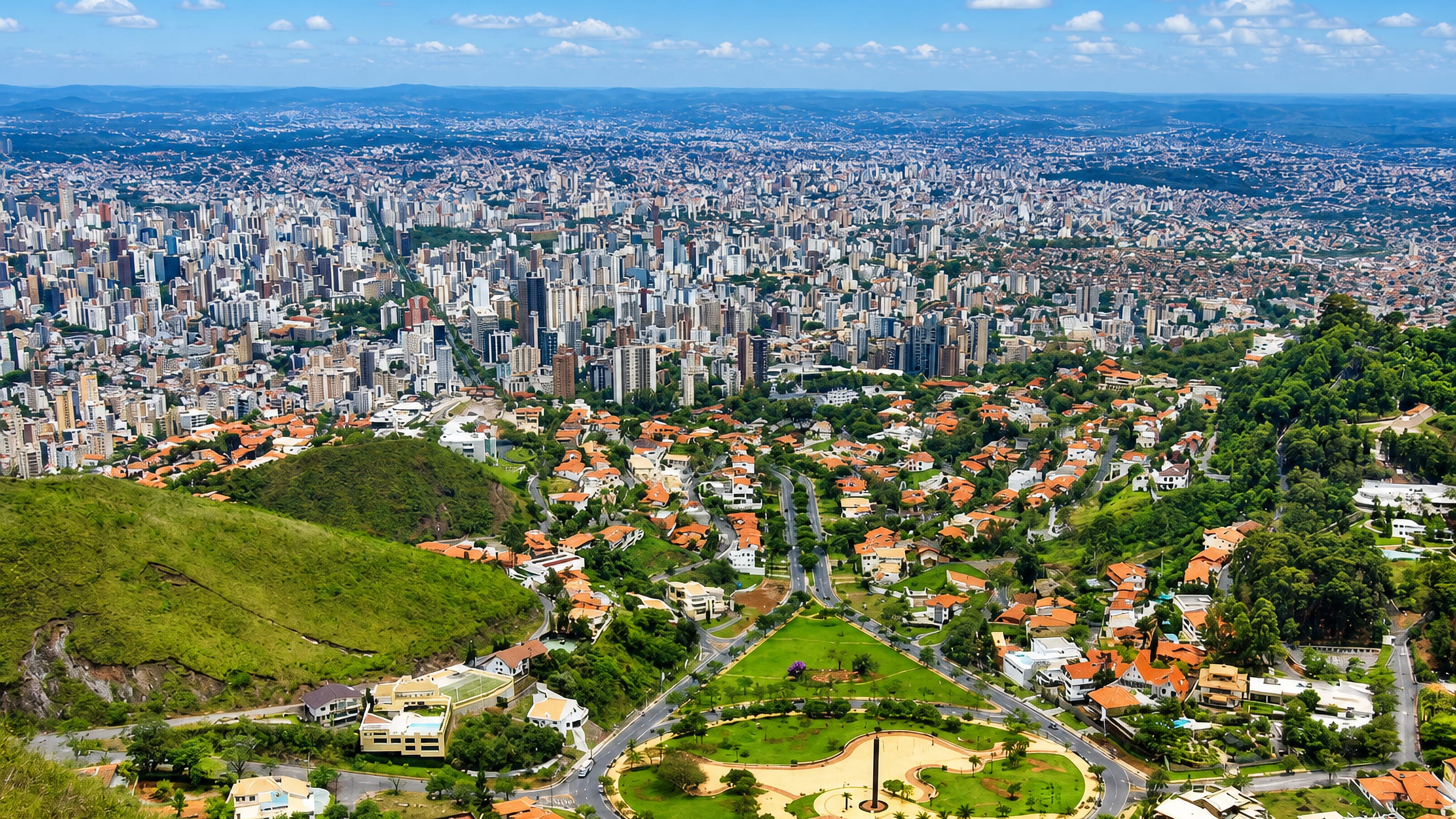
The Serra do Curral closes the southern sky over Belo Horizonte, capital of Minas Gerais, known for Niemeyer's Pampulha and the Mercado Central.
Hotel links are affiliate links: booking through them may earn us a commission, at no extra cost to you. It never affects how places are ranked. How this works


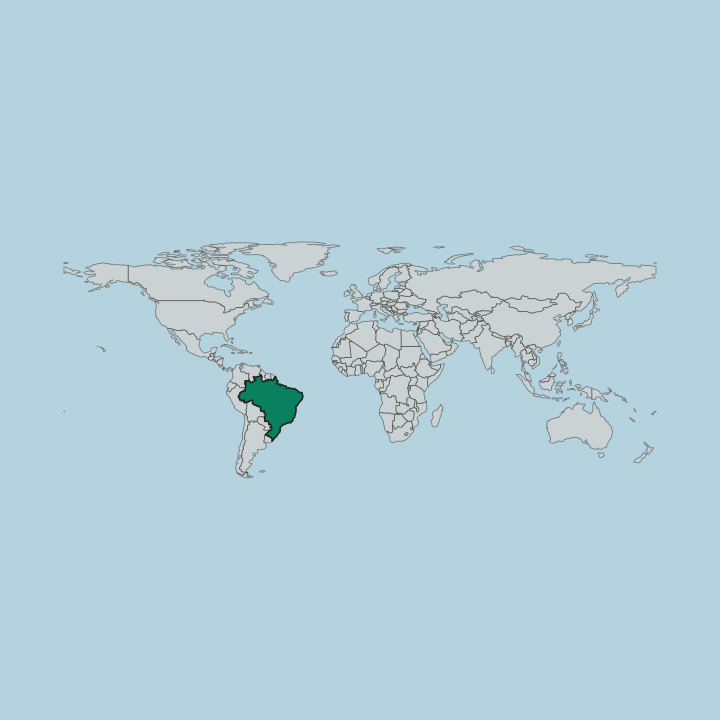
Where to stay in Belo Horizonte
Where you base yourself shapes the visit — here's the character of each area.

 Belo HorizonteBrazilMuseum mornings on Praça da Liberdade
Funcionarios
The old government quarter whose vacated palaces became Memorial Minas Gerais Vale and MM GerdauFuncionários →Belo HorizonteBrazilLourdes
Museums, churches and a basilica crowd Lourdes, a bairro of Belo Horizonte where the record files more than twenty separate addresses.Where to stay →Belo HorizonteBrazilBarro Preto
Four churches and the Casa Niemeyer form the listed fabric of Barro Preto, a bairro of Belo Horizonte with no charter year on record.Where to stay → Belo HorizonteBrazil
Carlos Prates
A single sanctuary anchors Carlos Prates, a bairro of Belo Horizonte lying next to Barro Preto.Where to stay → Belo HorizonteBrazil
Santa Efigênia
Two churches and two museums fill the record for Santa Efigênia, a bairro of Belo Horizonte, the Igreja de Santa Efigênia dos Militares among them.Where to stay →Belo HorizonteBrazilPompéia
Pompéia is a bairro of Belo Horizonte between Alto Vera Cruz and Santa Efigênia, with no catalogued site of its own.Where to stay → Belo HorizonteBrazil
Mangabeiras
The Mirante do Mangabeiras is the single named site the record gives Mangabeiras, a bairro of Belo Horizonte in Minas Gerais.Where to stay →Belo HorizonteBrazilAlto Vera Cruz
Alto Vera Cruz is a bairro in the eastern region of Belo Horizonte, built from 1950 on farmland that was sold for a development that never came.Where to stay →Belo HorizonteBrazilCabana do Pai Tomás
Cabana do Pai Tomás is a bairro of Belo Horizonte that the record lists by name alone, without a landmark, a founding year or an article.Where to stay → Belo HorizonteBrazil
Santa Amélia
Santa Amélia is one of the twenty-nine bairros of Pampulha, the Belo Horizonte region laid out around an artificial lake.Where to stay →Hotel links are affiliate links: booking through them may earn us a commission, at no extra cost to you. It never affects how places are ranked. How this works
Find hotels in Belo Horizonte
Direct booking searches for these neighbourhoods.
Centro
The planned grid inside the Avenida do Contorno, with Praça Sete de Setembro at its crossing and the produce halls one block off Avenida Afonso PenaFind hotels in CentroCorner-bar tables around Praça Diogo de VasconcelosSavassi and Lourdes
The eating and drinking quarter south of Avenida Afonso Pena, with the Basilica of Our Lady of Lourdes marking its quieter halfFind hotels in Savassi and LourdesSleeping within sight of Niemeyer's lakeside churchPampulha
The reservoir district of Igreja de São Francisco de Assis and the Mineirão, half an hour north of the planned gridFind hotels in PampulhaPavement tables on the hillside that produced Clube da EsquinaSanta Tereza
A low-built quarter east of the Contorno that kept its bars and its music while the centre grew towersFind hotels in Santa TerezaA room on the rim under the Serra do CurralBelvedere
The wooded southern edge where the ground climbs to the ridge, quiet and made for arriving by carFind hotels in BelvedereHotel links are affiliate links: booking through them may earn us a commission, at no extra cost to you. It never affects how places are ranked. How this works
Things to do in Belo Horizonte
Ranked by global recognition; descriptions from Wikidata (CC0).
Museums & Galleries
7- Belo Horizonte Fashion Museum Heritage
- Mineiro Museum Heritage
- House of the Count of Santa Marinha Heritage
- Centro Cultural Banco do Brasil Heritage
- Secretaria da Viação, Praça da Liberdade Heritage
Show 2 more →
- Museu dos Militares Mineiros Heritage
- Palacete Vivacqua Heritage
Churches & Religious Sites
8- Saint Joseph Church (Belo Horizonte) Heritage
- Catedral de Nossa Senhora da Boa Viagem (Belo Horizonte) Heritage
- Basilica of Our Lady of Lourdes, Belo Horizonte Heritage
- Igreja do Sagrado Coração de Jesus Heritage
- Igreja de Santa Efigênia dos Militares Heritage
Show 3 more →
- Mosteiro Nossa Senhora das Graças Heritage
- Igreja Nossa Senhora de Fátima Heritage
- Igreja de Nossa Senhora da Consolação e Correia Heritage
Castles & Historic Sites
3- Memorial Monument of the National Independence Centennial Heritage
- Memorial dos Direitos Humanos Heritage
- Monumento à Terra Mineira
Landmarks & Notable Places
2- Domenico Pizzeria Trattoria Heritage
- Casa Niemeyer Heritage
worth knowingacross 4 categories in Belo Horizonte
About Belo Horizonte
What is Belo Horizonte known for?
Belo Horizonte was drawn on paper before it was built, a grid of avenues cut by diagonals inside the ring of Avenida do Contorno. Oscar Niemeyer got his first free hand at Pampulha, where the curved church of São Francisco de Assis stands above the Lagoa da Pampulha. The bars do the rest.
Cheese bread and cachaça come out of the Mercado Central, the old governor's quarter around Praça da Liberdade has been turned into museums, and the mineiro table is taken as seriously here as anywhere in Brazil.
What are the main landmarks in Belo Horizonte?
Belo Horizonte keeps its oldest buildings on the flat and its boldest ones on the lake. Igreja de São Francisco de Assis broke every rule the church had about what a chapel should look like, its concrete vaults tiled by Portinari and its garden laid out by Burle Marx. The Mercado Central is the other pilgrimage.
Catedral de Nossa Senhora da Boa Viagem rises off Avenida Afonso Pena, MM Gerdau fills a Praça da Liberdade palace with the ores of the Quadrilátero Ferrífero, and Museu de Artes e Ofícios occupies the old station on Praça da Estação.
What is the history of Belo Horizonte?
Belo Horizonte began as Curral del Rei, a cattle village on the road out of the gold country, settled while the mines around Ouro Preto were still the reason anyone came to Minas Gerais. The republic wanted a capital of its own. Aarão Reis was given the site in the 1890s, cleared the village almost entirely, and set out a grid crossed by diagonal avenues inside a ring road, with Avenida Afonso Pena running from the Parque Municipal to the hills.
Cidade de Minas opened in 1897. The name Belo Horizonte followed in 1901, and the old capital at Ouro Preto kept its baroque churches and lost its government. The plan filled up faster than it was meant to.
Juscelino Kubitschek, as mayor in the 1940s, commissioned Oscar Niemeyer to build a leisure district around a new reservoir at Pampulha, and the church, casino and yacht club he produced there were the first curved concrete of a career that ended in Brasília. The bishop refused to consecrate the church for years. Iron from the Quadrilátero Ferrífero paid for the towers that swallowed the low houses inside the Contorno, the Mineirão went up in 1965 on the far side of the lake, and Pampulha was written into the UNESCO list in 2016.
Where is Belo Horizonte?
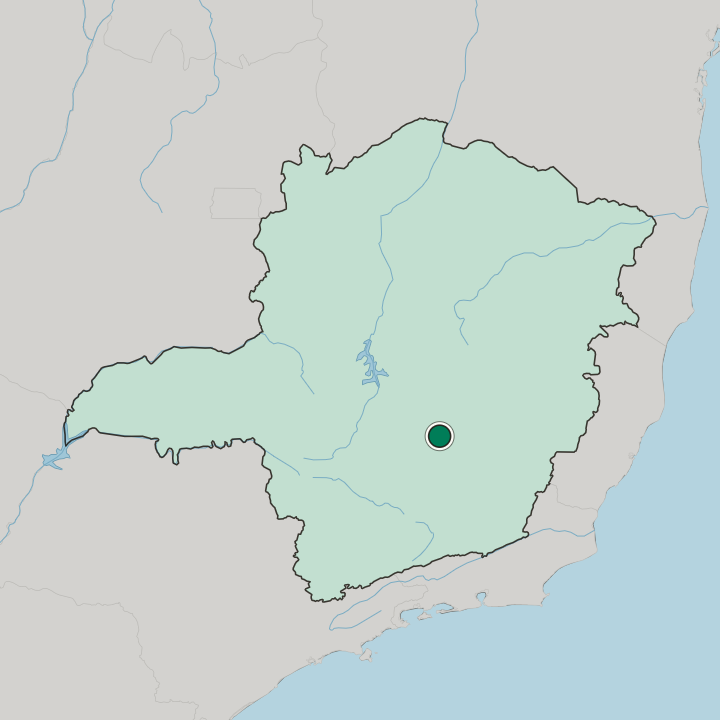
Belo Horizonte fills a bowl in the highlands of Minas Gerais, walled on the south by the ridge of the Serra do Curral. The name came from the view. Ribeirão Arrudas runs under the centre in a channel beside the metro line, the Ribeirão da Onça drains the northern half toward the Rio das Velhas, and the ground climbs from the Pampulha reservoir up to the wooded scarps of the Quadrilátero Ferrífero, whose iron gave the ridge its dark crest.
Ouro Preto lies south beyond the hills.
What is the climate of Belo Horizonte?
Belo Horizonte sits high on the Minas plateau, and the height does most of the cooling. Rain arrives with the wet season and falls hard through the afternoons from spring into early autumn, when the Serra do Curral disappears behind cloud for days at a time. Winter is dry and blue.
Nights cool off properly in the dry months, haze can settle in the bowl by the end of them, and the rains break again over the ridge before the year turns.
How do you get to Belo Horizonte?
Belo Horizonte is reached from the north, where Tancredo Neves International Airport stands on the tableland at Confins, well outside the city. The BR-040 comes down from Brasília and carries on to Rio de Janeiro, the Fernão Dias runs south-west to São Paulo, and the long-distance buses use the rodoviária at Praça Rio Branco beside the old railway station. Trains still run to the coast.
The daily Vitória-Minas service leaves the Estação Central for Espírito Santo, and one metro line follows the Ribeirão Arrudas from Eldorado out to Vilarinho.
Common questions
What is the best area to stay in Belo Horizonte?
Centro: Waking up between the Mercado Central and the Parque Municipal. Savassi and Lourdes: Corner-bar tables around Praça Diogo de Vasconcelos. Funcionários: Museum mornings on Praça da Liberdade. Pampulha: Sleeping within sight of Niemeyer's lakeside church. Santa Tereza: Pavement tables on the hillside that produced Clube da Esquina. Belvedere: A room on the rim under the Serra do Curral.
Good for
More cities in Minas Gerais
Updated October 2026